-
+86-13791972057
-
No. 3009, Tower 3, Zhuoyue Century Center, No. 31th Longcheng Road, Qingdao, Shandong, China


+86-13791972057
No. 3009, Tower 3, Zhuoyue Century Center, No. 31th Longcheng Road, Qingdao, Shandong, China








2026-10-09
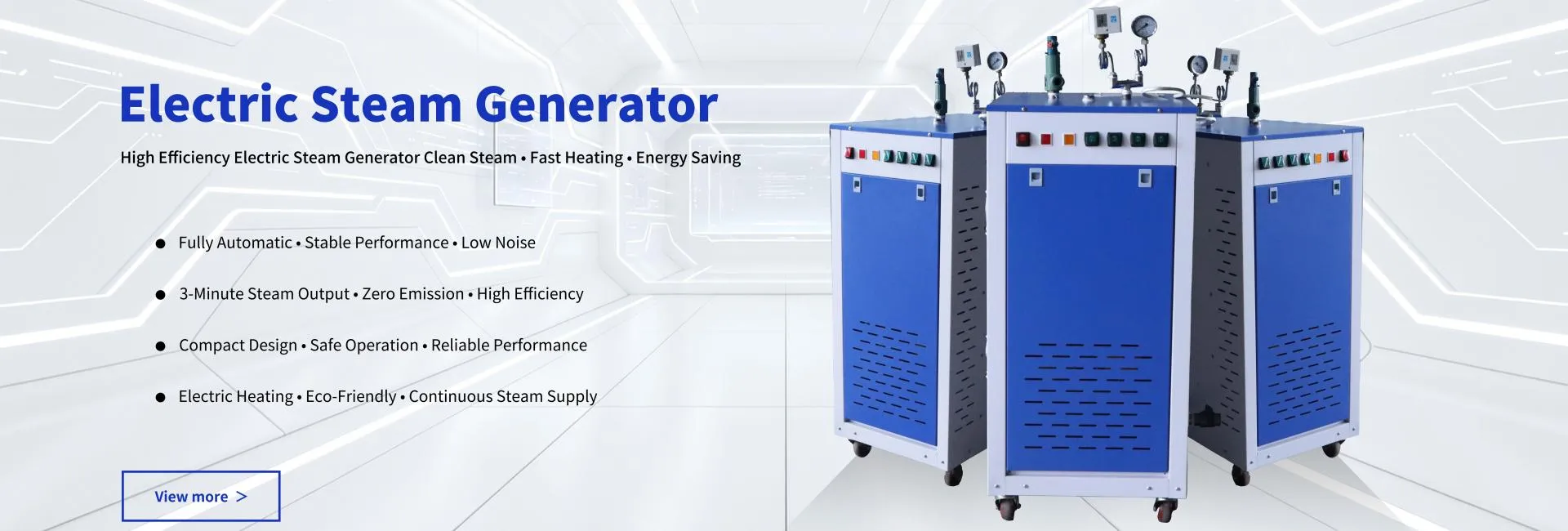
A portable steam electric generator is a specialized power unit that converts thermal energy from steam into electrical energy, designed for mobility and rapid deployment in industrial, remote, or emergency scenarios. Unlike traditional diesel generators, these systems utilize high-pressure steam turbines or expansion engines to drive alternators, offering a cleaner, quieter, and often more fuel-flexible alternative for off-grid power. In 2026, factory-direct pricing for industrial-grade portable steam generators typically ranges from $15,000 for compact modular units to over $85,000 for high-capacity, trailer-mounted systems, depending on output capacity (kW), pressure ratings, and automation levels. This guide details technical specifications, operational mechanics, cost structures, and selection criteria for engineers and procurement managers seeking reliable, mobile steam-based power solutions.
A portable steam electric generator is not merely a boiler; it is an integrated thermodynamic system. It combines a heat source, a water treatment module, a steam generation chamber, and a mechanical-to-electrical conversion unit (turbine or piston engine) into a single, transportable frame. The core function is to produce electricity by leveraging the expansive force of high-pressure steam.
In industrial contexts, “portable” implies mobility via trailer mounts, skid bases with forklift pockets, or containerized ISO standards. These units are distinct from stationary plant boilers because they prioritize rapid startup times, robust construction for transit vibrations, and simplified maintenance access. They are increasingly relevant in 2026 due to stricter emissions regulations on diesel generators and the growing need for flexible power in hybrid renewable energy grids.
Understanding the internal architecture is critical for proper selection and operation. A typical factory-direct portable steam generator consists of four primary subsystems:
The operational principle follows the Rankine Cycle, adapted for compact, mobile applications. For procurement teams and engineers, understanding this flow is essential for troubleshooting and efficiency optimization.
This process differs significantly from internal combustion engines. There are no explosions, no pistons firing in sync with fuel injection, and significantly fewer moving parts in the power generation phase. This results in lower vibration and reduced mechanical wear over time.
Pricing for portable steam electric generators in 2026 varies widely based on capacity, fuel type, and automation features. Buying factory direct eliminates distributor markups, typically saving 15-25% on the initial capital expenditure. However, buyers must account for shipping, installation, and commissioning costs.
| Generator Type | Power Output (kW) | Estimated Factory Direct Price (USD) | Primary Use Case |
|---|---|---|---|
| Compact Electric Steam Gen | 5 – 20 kW | $15,000 – $35,000 | Lab testing, small workshops, educational purposes |
| Gas-Fired Portable Unit | 20 – 50 kW | $35,000 – $60,000 | Remote construction sites, emergency backup |
| Biomass/Waste Heat Hybrid | 50 – 100 kW | $60,000 – $95,000 | Agricultural processing, sustainable off-grid power |
| Industrial Trailer-Mounted | 100 – 250 kW | $95,000 – $150,000+ | Large scale temporary power, disaster relief |
Note: Prices exclude taxes, import duties, and logistics. Customizations such as soundproof enclosures, advanced remote monitoring (IoT), or specific voltage configurations will increase costs. In 2026, supply chain stabilization has reduced lead times, but raw material costs for stainless steel and copper remain volatile, influencing final quotes.
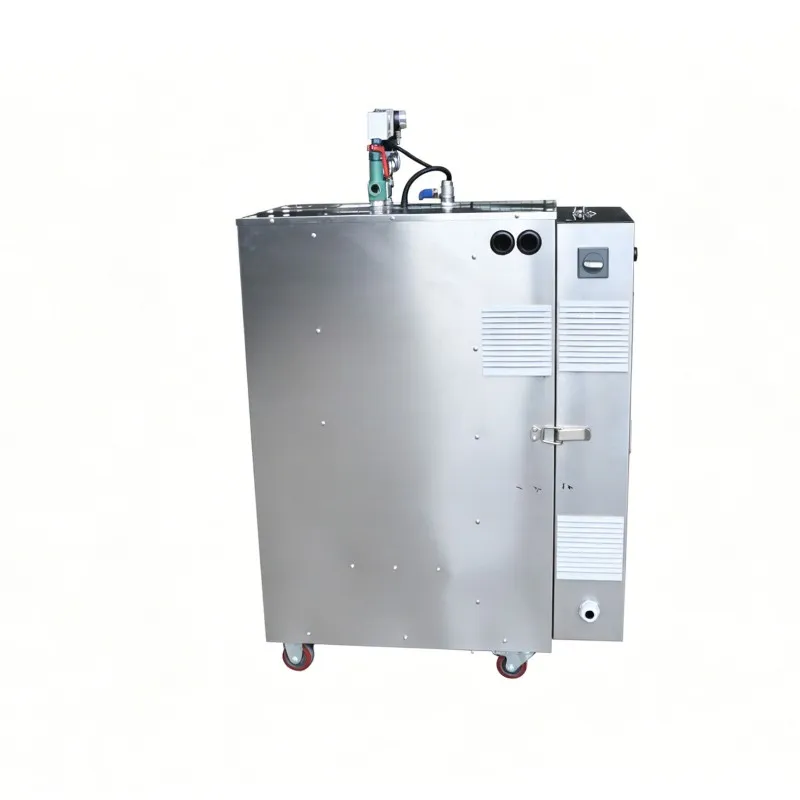
When evaluating factory-direct options, the credibility of the manufacturer is paramount. The complexity of integrating pressure vessels with electrical generation systems requires a supplier with deep engineering expertise and rigorous quality control. Qingdao Xingfu Energy Equipment Ltd., a high-tech enterprise established in 2010 in Shandong Province, China, exemplifies the vertical integration necessary for producing reliable industrial steam solutions.
With over 14 years of continuous industry experience, Qingdao Xingfu has evolved from a domestic supplier to a global exporter serving more than 30 countries, including markets in Europe, Asia, and beyond. Their production base spans 70,500 square meters, featuring dedicated workshops and in-house laboratories that ensure every unit meets international standards such as ISO 9001 and CE certifications. Notably, the company holds manufacturing licenses for Class B boilers and Class 1/2 pressure containers, a critical credential for ensuring the safety of high-pressure steam systems.
What sets manufacturers like Qingdao Xingfu apart is their technical depth. With 78 technical experts comprising 21% of their workforce, including specialized engineers and certified welders, they focus on the R&D of intelligent steam boilers and electric steam generators. Their S-Series automation solutions, for instance, highlight the industry’s shift toward zero-emission, fully automated systems made from high-grade stainless steel. This level of engineering rigor ensures that the “factory-direct” savings do not come at the expense of safety or longevity, providing buyers with equipment that is both cost-effective and compliant with strict environmental and safety regulations.
Why choose steam over diesel or gasoline? For B2B industrial applications, the decision often hinges on total cost of ownership (TCO), regulatory compliance, and operational environment constraints.
Unlike diesel generators that require specific refined fuels, steam generators can operate on a variety of heat sources. Gas-fired models can connect to natural gas lines or LPG tanks. Biomass models can utilize wood chips, agricultural waste, or pellets. This flexibility is crucial in remote areas where diesel delivery is expensive or unreliable. In 2026, with fluctuating fossil fuel prices, the ability to switch fuels provides significant economic resilience.
Steam generation, particularly when powered by electric heaters or clean-burning gas, produces significantly lower NOx, SOx, and particulate matter compared to diesel engines. For companies operating in strict environmental zones or aiming for ESG (Environmental, Social, and Governance) goals, steam generators offer a cleaner profile. They do not require complex exhaust after-treatment systems like Diesel Particulate Filters (DPF), reducing maintenance complexity.
Steam turbines and engines operate much more quietly than internal combustion engines. There are no explosive combustion events. The primary noise sources are the burner fan and the alternator cooling fan. This makes portable steam generators ideal for noise-sensitive environments such as hospitals, residential areas during emergencies, or film production sites.
Steam engines provide high starting torque, which is beneficial for applications requiring heavy initial loads. While turbines excel at constant high-speed operation, reciprocating steam engines in smaller portable units can handle load spikes more gracefully than some sensitive electronic inverters found in standard portable generators.
To maintain EEAT credibility, it is essential to address the drawbacks. Steam generators are not a universal solution. Understanding these limitations prevents mismatched applications.
In 2026, the deployment of portable steam electric generators has expanded beyond niche industrial uses. Here are the primary sectors benefiting from this technology.
In post-disaster scenarios, fuel supply chains are often disrupted. Portable steam generators fueled by locally sourced biomass or connected to remaining gas infrastructure can provide critical power for medical facilities and communication hubs. Their quiet operation also aids in maintaining order in crowded shelters.
Mining, forestry, and agricultural processing often occur in remote locations. Transporting diesel is costly. If the site already generates waste heat or has access to biomass, a portable steam generator can convert these local resources into electricity, reducing logistics costs and carbon footprint.
Engineering firms and universities use portable steam generators to test turbines, heat exchangers, and materials under realistic steam conditions without needing a full-scale power plant. The portability allows these units to be moved between labs or field test sites.
As solar and wind penetration increases, grid stability becomes a challenge. Portable steam generators can act as dispatchable backup power. When paired with thermal storage (molten salt or phase-change materials), they can store excess renewable energy as heat and convert it back to electricity when needed, providing a unique form of long-duration energy storage.
Selecting the correct portable steam electric generator requires a detailed assessment of your power needs, site conditions, and operational constraints. Use this checklist to guide your procurement process.
Calculate both continuous and peak load requirements. Steam generators respond differently to load changes than diesel units. Ensure the selected unit has a 10-20% capacity buffer above your maximum expected load to prevent pressure drops and frequency instability.
What fuel is most accessible and cost-effective at your site?
Do you have access to clean water? If only hard water or seawater is available, you must budget for a robust water treatment system. Closed-loop systems are recommended for water-scarce environments to minimize consumption.
Verify local regulations regarding pressure vessels and emissions. In many jurisdictions, portable steam generators must meet ASME Boiler and Pressure Vessel Code standards. Ensure the manufacturer provides all necessary certification documents for insurance and inspection purposes.
How often will the unit move? Trailer-mounted units are best for frequent relocation. Skid-mounted units are suitable for semi-permanent installations. Check dimensions and weight to ensure compatibility with your transport vehicles and site access points.
Proper maintenance is non-negotiable for steam equipment. Neglect can lead to efficiency losses, downtime, or safety hazards.
Steam is dangerous. High-pressure steam can cause severe burns. Always wear appropriate PPE (Personal Protective Equipment), including heat-resistant gloves and face shields. Never bypass safety interlocks. Ensure that only trained personnel operate the equipment. Install pressure relief valves and ensure they are sized correctly for the maximum possible steam generation rate.
Startup time varies by design. Modern once-through coil boilers can reach operational pressure in 15-20 minutes. Traditional drum boilers may take 45-60 minutes. This is slower than diesel generators, which can start in seconds. For critical backup, consider a hybrid system with battery storage.
No. Tap water contains minerals that cause scaling and corrosion. You must use demineralized, distilled, or treated water. Using untreated water will void warranties and likely damage the boiler tubes within weeks.
Generally, no. Steam generators are significantly quieter because they lack the explosive combustion process of diesel engines. Noise levels are typically comparable to a standard HVAC unit, making them suitable for noise-sensitive areas.
With proper maintenance and water treatment, these units can last 15-20 years or more. The boiler tubes and turbine blades are the primary wear components. Regular inspection and replacement of these parts can extend the operational life significantly.
It depends on fuel costs. If you have access to cheap or waste fuel (biomass, waste heat), steam is far more cost-effective. If you are buying propane or electricity at retail rates, diesel may be cheaper per kWh. However, when factoring in maintenance and emissions compliance costs, steam often becomes competitive in long-term operations.
Yes, but only if equipped with synchronized control systems. Not all portable units have this capability. You must specify “grid-tie” or “parallel operation” requirements when ordering. Additional protective relays and synchronization equipment are required.
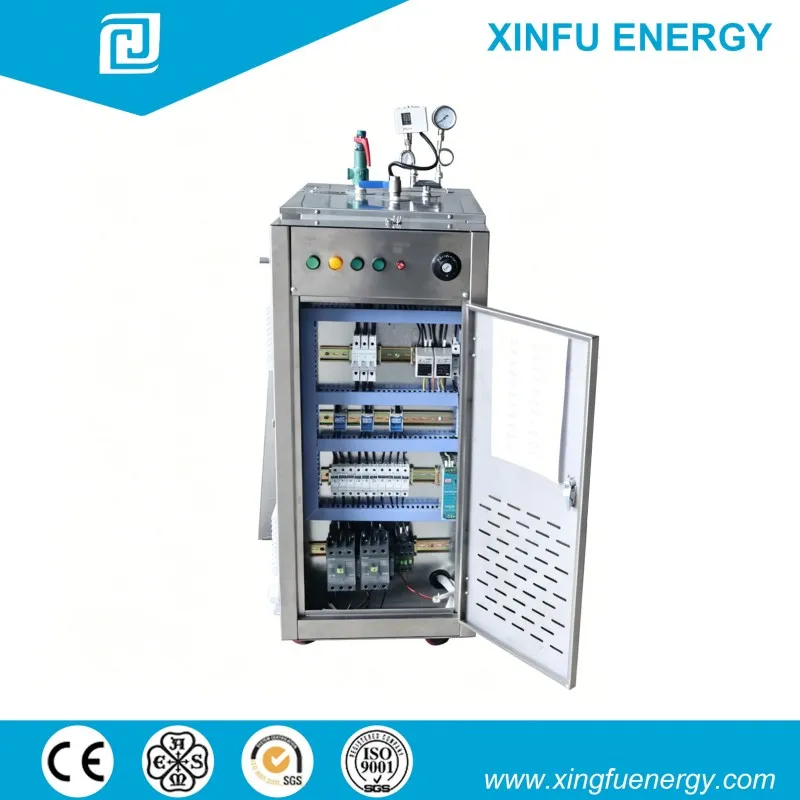
To assist in technical evaluation, here is a comparison of typical specifications for mid-range portable steam electric generators available in 2026.
| Feature | Model A (Compact) | Model B (Industrial) | Model C (Heavy Duty) |
|---|---|---|---|
| Output Power | 10 kW | 50 kW | 150 kW |
| Steam Pressure | 10 bar | 15 bar | 20 bar |
| Fuel Type | Electric / Gas | Gas / Diesel Burner | Biomass / Gas / Oil |
| Water Consumption | 15 L/hr | 75 L/hr | 220 L/hr |
| Dimensions (LxWxH) | 1.5 x 1.0 x 1.2 m | 3.0 x 1.5 x 1.8 m | 6.0 x 2.4 x 2.4 m (Container) |
| Weight | 400 kg | 1,200 kg | 4,500 kg |
| Noise Level | < 65 dB | < 70 dB | < 75 dB |
| Control System | Manual/Auto | PLC Auto | Advanced PLC + IoT |
The industry is evolving. Several trends are shaping the next generation of portable steam generators.
Modern units are increasingly equipped with sensors that feed data to cloud-based AI platforms. These systems predict maintenance needs, optimize combustion efficiency in real-time, and alert operators to anomalies before they cause failures. This predictive capability reduces downtime and extends equipment life.
New designs incorporate phase-change materials (PCM) to store thermal energy. This allows the generator to “charge” with heat when energy is cheap or abundant (e.g., midday solar) and discharge steam to generate electricity when needed. This decouples heat generation from electricity production, enhancing flexibility.
Manufacturers are moving towards modular designs where multiple small units can be connected in parallel. This allows users to scale power output incrementally by adding more modules, rather than purchasing one massive unit. It also provides redundancy; if one module fails, the others continue to operate.
A portable steam electric generator represents a sophisticated, versatile solution for modern power challenges. In 2026, with rising fuel costs and stringent environmental regulations, these units offer a compelling alternative to traditional diesel generators. They excel in applications requiring fuel flexibility, low noise, and clean operation. While they demand careful attention to water quality and maintenance, their longevity and operational benefits often outweigh the initial learning curve.
For industrial managers, procurement officers, and engineering leads, the key to success lies in selecting the right capacity, fuel type, and automation level for your specific needs. Factory-direct purchasing offers significant cost savings, but ensure you partner with a manufacturer who provides robust technical support, comprehensive documentation, and certified safety standards.
Whether you are powering a remote mining operation, providing emergency relief, or supporting a hybrid renewable grid, a well-chosen steam generator can deliver reliable, efficient, and sustainable power.
Ready to explore factory-direct options? Evaluate your power requirements and contact our technical team for a customized quote and specification sheet tailored to your 2026 project needs.