-
+86-13791972057
-
No. 3009, Tower 3, Zhuoyue Century Center, No. 31th Longcheng Road, Qingdao, Shandong, China


+86-13791972057
No. 3009, Tower 3, Zhuoyue Century Center, No. 31th Longcheng Road, Qingdao, Shandong, China








2026-10-14
A portable steam powered electric generator is a specialized energy conversion system that utilizes thermal energy from steam to drive a turbine or piston engine, which in turn rotates an alternator to produce electricity. Unlike conventional diesel or gasoline generators, these units leverage high-pressure steam as the working fluid, offering distinct advantages in environments where waste heat recovery, biomass fuel sources, or silent operation are critical. For industrial buyers and OEM partners, sourcing directly from a manufacturer ensures customized pressure ratings, tailored fuel compatibility, and competitive pricing structures for bulk procurement.
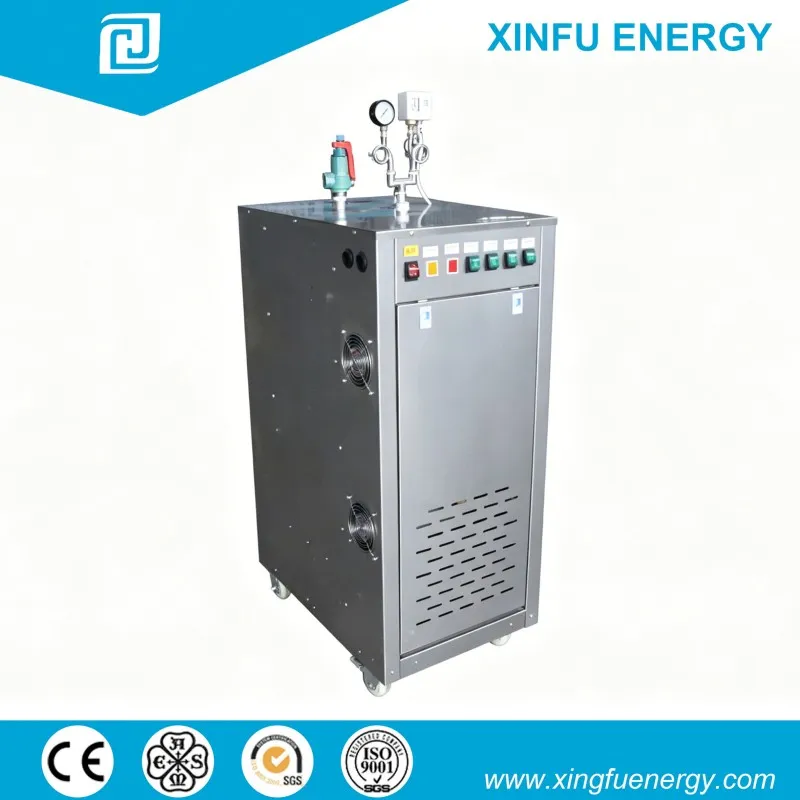
The term “portable steam powered electric generator” refers to a compact, mobile power generation unit that converts thermal energy into electrical energy via a steam cycle. While traditional portable generators rely on internal combustion engines (ICE), steam-powered variants utilize external combustion. This fundamental difference allows for greater fuel flexibility and reduced mechanical noise.
In 2026, the demand for such systems has grown among sectors requiring off-grid power with low acoustic signatures or those aiming to utilize industrial waste heat. These generators are not merely theoretical; they are engineered solutions for specific niche applications where standard fuel logistics are challenging or where sustainability mandates prohibit fossil fuel combustion.
Understanding the architecture of a portable steam generator is essential for proper selection and operation. The system comprises four primary subsystems:
The efficiency of the system depends heavily on the temperature and pressure differential between the boiler output and the condenser input. Higher differentials yield better thermal-to-electrical conversion rates.
When evaluating power solutions for remote sites, industrial facilities, or emergency backup, the choice between steam-powered and conventional generators hinges on operational context. Steam-powered units offer unique benefits that diesel or gas generators cannot match.
One of the most significant advantages of a portable steam powered electric generator is its ability to run on diverse heat sources. Unlike ICE generators that require refined liquid or gaseous fuels, steam systems can be heated by:
This flexibility reduces dependency on volatile fossil fuel markets and lowers operational costs in regions with abundant biomass or waste heat.
External combustion systems operate significantly quieter than internal combustion engines. There are no explosive combustion events within the cylinders, resulting in smoother operation. This makes steam generators ideal for:
Steam turbines and piston expanders generally have fewer moving parts subject to high-friction wear compared to ICEs. There are no spark plugs, fuel injectors, or complex valve trains exposed to combustion byproducts. Consequently, maintenance cycles are often extended, reducing long-term ownership costs.
For B2B buyers and engineers, understanding the technical parameters is crucial for integrating a portable steam generator into existing infrastructure. Below are the key metrics that define performance and suitability.
| Parameter | Description | Typical Range for Portable Units |
|---|---|---|
| Power Output | Electrical capacity generated. | 1 kW – 50 kW (Modular designs available) |
| Steam Pressure | Operating pressure at turbine inlet. | 5 bar – 30 bar (70 – 435 psi) |
| Steam Temperature | Temperature of superheated steam. | 150°C – 400°C (302°F – 752°F) |
| Thermal Efficiency | Ratio of electrical output to heat input. | 10% – 25% (Depending on cycle type) |
| Startup Time | Time from cold start to full load. | 15 minutes – 60 minutes |
| Water Consumption | Make-up water required per hour. | Low (Closed-loop systems minimize loss) |
| Weight | Total unit weight including boiler. | 200 kg – 1500 kg |
It is important to note that small-scale steam cycles typically have lower thermal efficiency compared to large utility-scale plants. However, when fueled by waste heat or free biomass, the “fuel cost” efficiency is effectively infinite. For OEMs, optimizing the heat exchanger surface area and insulation quality is key to maximizing the electrical output from limited heat sources.
The versatility of steam-powered generation opens up diverse application scenarios. These units are not just alternatives; they are often the only viable solution for specific industrial and environmental challenges.
Mining operations often generate significant waste heat from processing ore or use biomass from local vegetation. A portable steam generator can utilize these resources to provide reliable power for lighting, communications, and small machinery, reducing the logistical burden of transporting diesel fuel to remote locations.
In agricultural settings, crop residues such as rice husks, corn cobs, and sugarcane bagasse are abundant. Portable steam generators allow farmers to convert this waste into electricity for irrigation pumps, processing equipment, and storage facilities, creating a circular economy model.
Following natural disasters, supply chains for refined fuels may be disrupted. Steam generators that can run on locally sourced wood or debris provide a resilient power source for field hospitals, communication hubs, and water purification systems. Their quiet operation also aids in maintaining order and reducing stress in crisis zones.
Factories with intermittent high-temperature exhaust streams can deploy portable steam generators to capture this otherwise wasted energy. This “bottoming cycle” approach improves overall plant efficiency and reduces carbon footprint without major infrastructure changes.
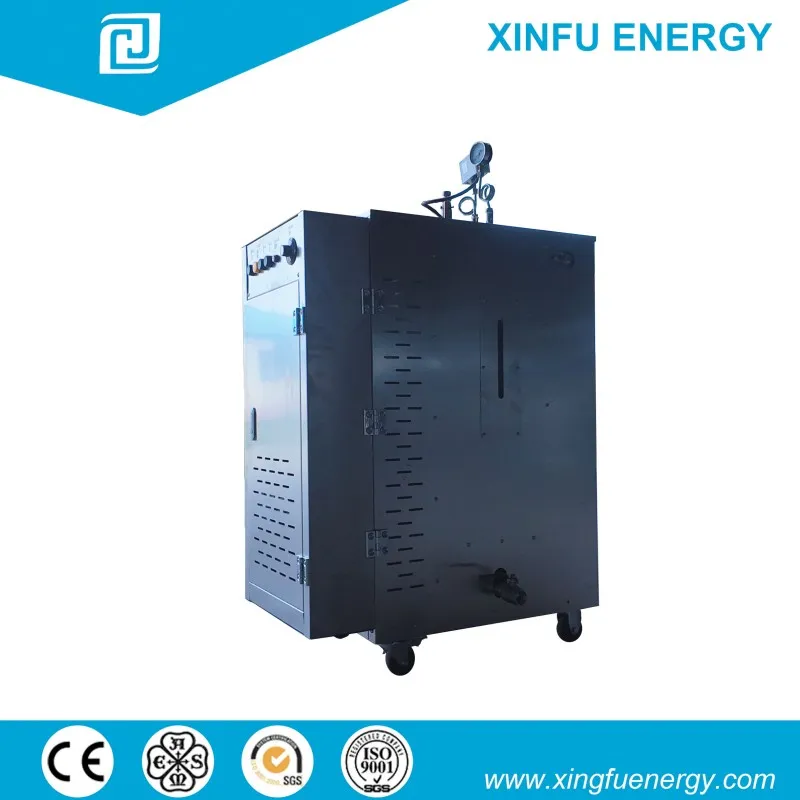
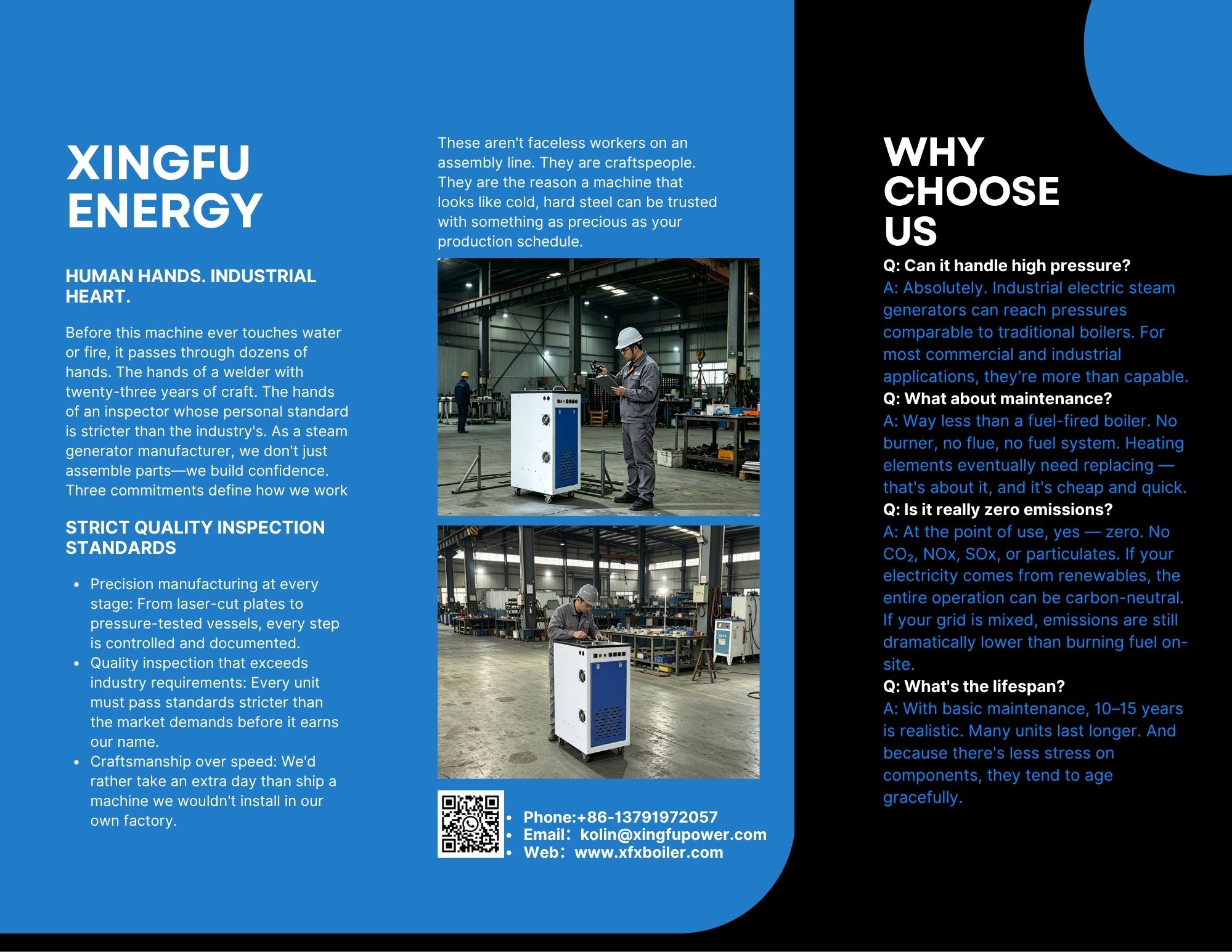
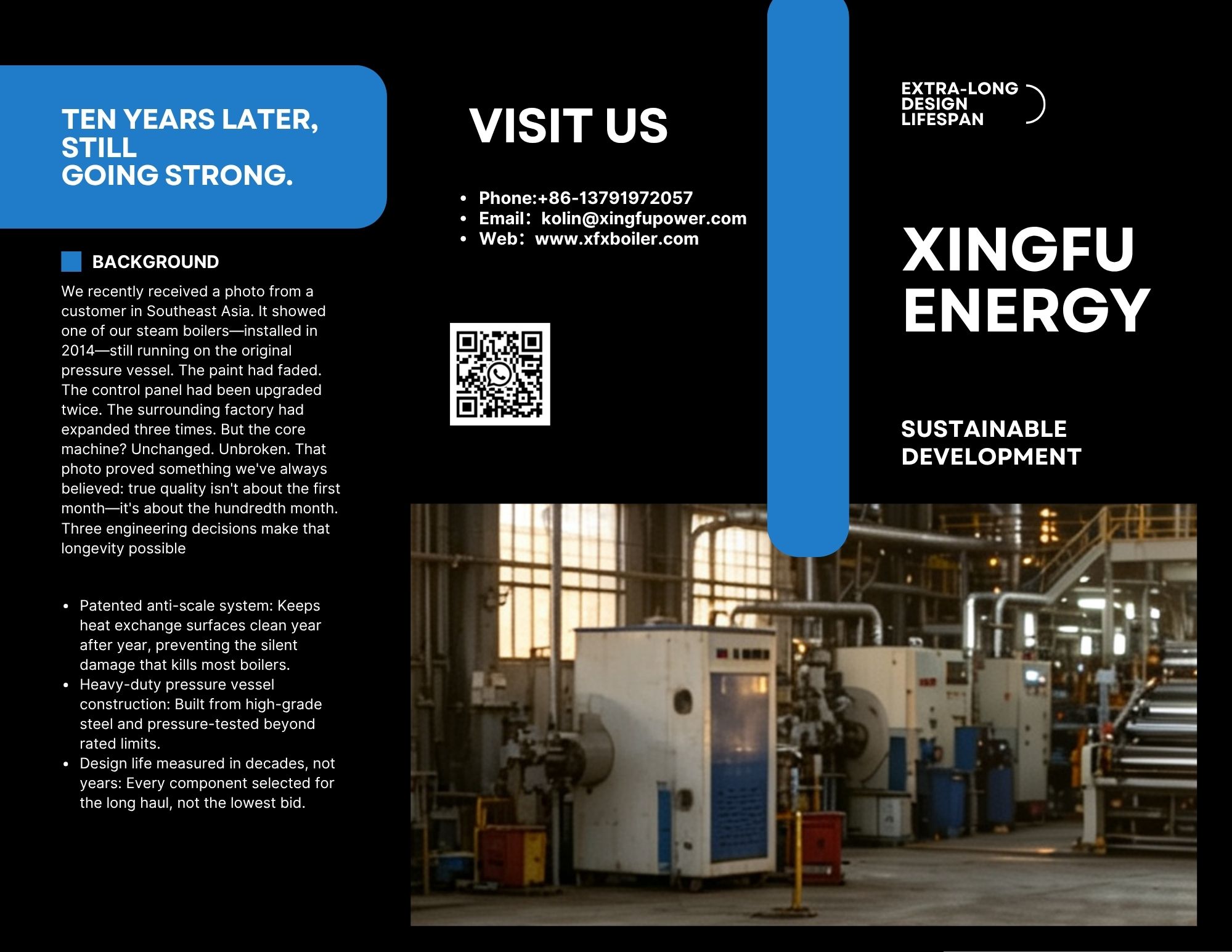
As the market for specialized energy solutions expands, partnering with an experienced Original Equipment Manufacturer (OEM) becomes crucial for ensuring reliability, compliance, and performance. Qingdao Xingfu Energy Equipment Ltd., a high-tech enterprise founded in 2010 and headquartered in Qingdao, China, exemplifies the level of expertise required in this sector. With over 14 years of continuous industry experience, Xingfu has established itself as a stable supplier in both domestic and international markets, exporting to more than 30 countries including Poland, Spain, Indonesia, and Korea.
Xingfu operates as a vertically integrated manufacturer, covering the complete cycle from research and design to manufacturing and certified transportation. Their production base spans 70,500 square meters, featuring dedicated workshops and advanced laboratories. What sets them apart is their robust technical team: out of 228 employees, 78 are technical experts, including 28 engineers who drive innovation in boiler design and energy efficiency. This depth of engineering talent ensures that every unit, from compact S-Series automation solutions to high-power industrial boilers, meets rigorous international standards such as ISO 9001 and CE certifications.
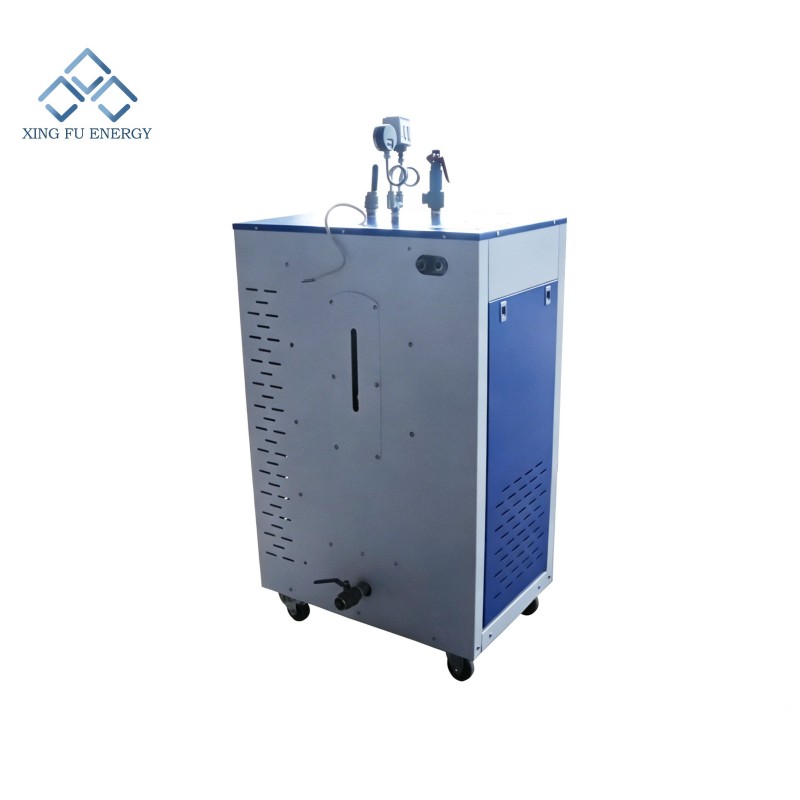
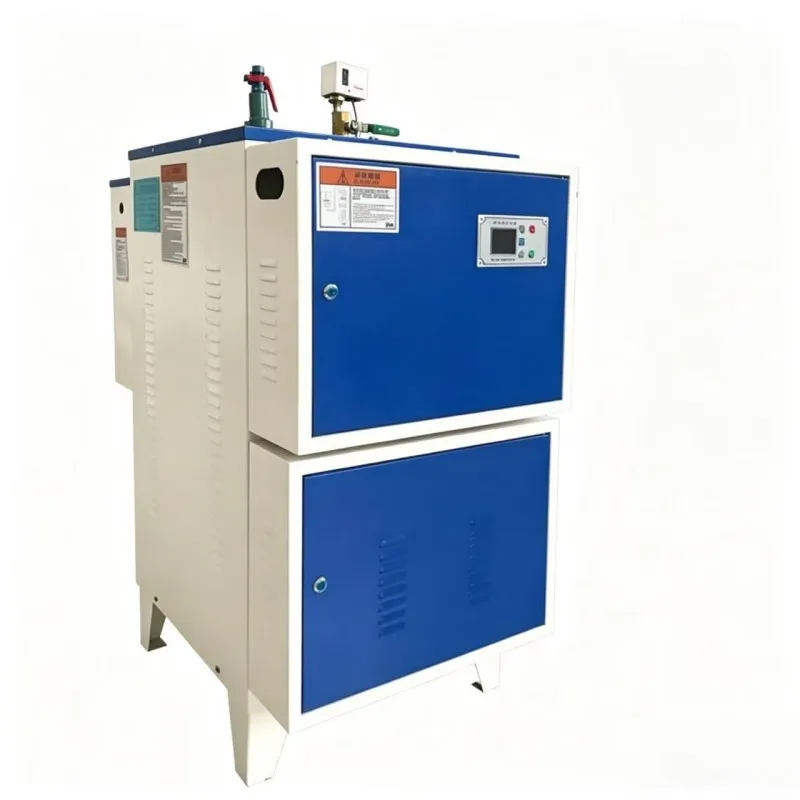
For B2B clients, Xingfu’s capabilities align perfectly with the demands of modern steam power systems. They hold manufacturing licenses for Class B boilers and Class 1 and 2 pressure containers, ensuring that all pressure vessels are tested according to ASME or PED directives. Their product line emphasizes stainless steel construction, zero emissions during operation, and seamless integration with existing engineering systems. Whether adapting boilers for specific biomass types, adjusting pressure ratings, or integrating PLC-based automation for remote monitoring, Xingfu provides the customization necessary for complex industrial applications.
All manufacturing processes adhere to international quality standards. Pressure vessels are tested according to ASME or PED directives, ensuring safety and reliability. Electrical components comply with IEC standards, guaranteeing compatibility with global grid requirements. Xingfu’s commitment to quality responsibility and transparency ensures that each unit undergoes rigorous testing before delivery, supported by comprehensive after-sales services including installation assistance and operational training.
Selecting the appropriate model requires a careful assessment of your energy needs and resource availability. Follow this step-by-step guide to make an informed decision.
Determine the total wattage needed for your application. Include starting watts for motors and compressors, which can be 3-5 times their running watts. Decide if you need continuous base load power or peak shaving capability.
Evaluate the availability and consistency of your heat source. Is it continuous waste heat, intermittent biomass, or solar thermal? The stability of the heat source will dictate the size of the thermal storage buffer needed.
Will the unit be stationary or moved frequently? For frequent moves, prioritize lightweight materials and compact designs. For semi-permanent installations, robustness and ease of maintenance may take precedence over weight.
Steam generators require water. In arid regions, a closed-loop condensing system with air cooling is essential. In water-rich environments, open-loop or water-cooled condensers may offer higher efficiency.
Check local regulations regarding pressure vessels and emissions. Even though steam generators have low emissions, the combustion of biomass may still require particulate filters or scrubbers depending on local laws.
Proper installation and operation are critical for safety and longevity. While our units are designed for ease of use, adherence to best practices is mandatory.
Ensure the installation site is level and capable of supporting the unit’s weight. Provide adequate ventilation for the combustion chamber and cooling system. Maintain clearances from combustible materials as specified in the manual.
Use treated water to prevent scaling and corrosion in the boiler and turbine. Hard water can rapidly degrade heat transfer efficiency and damage moving parts. Regularly test water chemistry and add appropriate inhibitors.
Reduce electrical load to zero before shutting down the heat source. Allow the system to cool gradually while maintaining water circulation to prevent overheating. Drain the system if freezing temperatures are expected.
Regular maintenance ensures optimal performance and extends the lifespan of your portable steam powered electric generator. Below is a summary of routine tasks and common issues.
| Component | Maintenance Task | Frequency |
|---|---|---|
| Boiler | Inspect for leaks, scale, and corrosion. | Monthly |
| Water Treatment | Test water quality and add chemicals. | Weekly |
| Turbine/Engine | Check bearings, seals, and lubrication. | Every 500 hours |
| Condenser | Clean tubes/fins and check for blockages. | Quarterly |
| Safety Valves | Test operation and calibration. | Annually |
| Electrical Connections | Tighten terminals and inspect insulation. | Monthly |
Yes, when operated according to manufacturer guidelines. Modern units are equipped with multiple safety features, including pressure relief valves, low-water cutoffs, and temperature sensors. Pressure vessels are built to rigorous standards (ASME/PED) to withstand operating conditions safely.
In terms of thermal-to-electrical conversion, small steam generators are generally less efficient than diesel engines (15-25% vs. 30-40%). However, if the heat source is waste energy or free biomass, the operational cost efficiency is superior. The value lies in fuel availability and sustainability, not just raw conversion efficiency.
No. Using untreated tap water or well water can lead to rapid scaling and corrosion, damaging the boiler and turbine. Demineralized or distilled water with appropriate chemical treatment is recommended to ensure system longevity.
With proper maintenance, a steam powered generator can last 15-20 years or more. The absence of high-speed internal combustion stresses contributes to a longer operational life compared to equivalent diesel generators.
The steam cycle itself produces zero emissions. However, if the heat source involves combustion (e.g., biomass), there will be exhaust emissions. These are typically easier to control and filter than diesel exhaust, and biomass is considered carbon-neutral over its lifecycle.
To help you decide if a steam solution fits your needs, here is a direct comparison with other common portable power technologies.
| Feature | Steam Powered | Diesel Generator | Solar PV + Battery |
|---|---|---|---|
| Fuel Cost | Low (if waste/biomass) | High (volatile) | Zero (sunlight) |
| Noise Level | Low | High | Silent |
| Reliability | High (24/7) | High (24/7) | Weather Dependent |
| Maintenance | Moderate | High | Low |
| Startup Time | Slow (15-60 min) | Fast (seconds) | Instant |
| Carbon Footprint | Low/Neutral | High | Zero |
| Initial Cost | Moderate/High | Low/Moderate | High |
This table highlights that steam generators occupy a unique niche: they offer the reliability of continuous power with the environmental benefits of renewable fuels, bridging the gap between diesel and solar solutions.
As we move further into 2026, several trends are shaping the development of portable steam generators:
These innovations are making steam power more accessible, efficient, and user-friendly for a broader range of applications.
A portable steam powered electric generator represents a sophisticated, sustainable, and versatile solution for modern energy challenges. By leveraging waste heat or renewable biomass, organizations can reduce operational costs, lower their carbon footprint, and ensure reliable power in off-grid locations. While the initial investment and operational complexity may be higher than simple diesel units, the long-term benefits in fuel flexibility, noise reduction, and maintenance intervals offer compelling ROI for the right applications.
For industries seeking to enhance their energy resilience and sustainability credentials, partnering with a reputable OEM manufacturer is the critical first step. Customization ensures that the system aligns perfectly with your specific heat sources and power requirements.
If you are considering integrating steam power into your operations, our engineering team is ready to assist. We provide comprehensive consultations, custom design services, and competitive OEM pricing for bulk orders.
Contact us today to discuss your specific requirements and request a detailed quotation.