-
+86-13791972057
-
No. 3009, Tower 3, Zhuoyue Century Center, No. 31th Longcheng Road, Qingdao, Shandong, China


+86-13791972057
No. 3009, Tower 3, Zhuoyue Century Center, No. 31th Longcheng Road, Qingdao, Shandong, China








2026-10-16
A residential steam powered electric generator is a specialized energy conversion system that utilizes thermal energy from steam to drive a turbine or piston engine, which subsequently rotates an alternator to produce electricity. In 2026, these systems are primarily sought after for off-grid resilience, combined heat and power (CHP) applications, and industrial-grade home workshops. Unlike solar or wind solutions, steam generators provide consistent baseload power independent of weather conditions, leveraging high-temperature heat sources such as biomass, waste heat, or concentrated solar thermal. This guide details the 2026 pricing structures, supplier selection criteria, technical specifications, and installation requirements for homeowners and small businesses seeking reliable, thermally-driven electrical independence.
A residential steam powered electric generator differs fundamentally from conventional photovoltaic or battery storage systems. It operates on the Rankine cycle or similar thermodynamic principles, where water is heated to create high-pressure steam. This steam expands through a turbine or reciprocating engine, converting thermal energy into mechanical kinetic energy. The mechanical shaft then drives an electrical generator, producing alternating current (AC) suitable for household use.
In the context of 2026 technology, these units are not merely experimental prototypes but engineered solutions for specific niche applications. They are particularly valuable in scenarios where:
The core components typically include a boiler or heat exchanger, a steam expansion device (turbine or piston), a condenser or exhaust system, and an electrical alternator with voltage regulation. Modern 2026 models integrate advanced digital control units (DCUs) that monitor pressure, temperature, and rotational speed to ensure safe and efficient operation within residential safety standards.
Understanding the operational logic is essential for proper sizing and maintenance. The process involves four distinct stages, each critical to the system’s overall efficiency and longevity.
The cycle begins with a heat source. In residential settings, this is often a biomass boiler, a wood-fired furnace, or a concentrated solar thermal array. Water is heated in a closed-loop boiler system until it reaches saturation and transitions into high-pressure steam. The pressure levels typically range from 50 PSI for small hobbyist units to over 300 PSI for high-efficiency industrial-grade residential systems. The quality of steam—whether saturated or superheated—directly impacts the energy density available for conversion.
The high-pressure steam is directed into an expansion device. There are two primary technologies used in 2026 residential units:
The rotational motion from the turbine or the linear-to-rotary conversion from the piston engine drives the shaft of an alternator. Inside the alternator, magnetic fields interact with copper windings to induce an electrical current. Modern units employ permanent magnet alternators (PMAs) for higher efficiency at variable speeds, coupled with smart inverters that stabilize the output to pure sine wave 120V/240V AC, compatible with standard household appliances.
After passing through the expansion device, the low-pressure steam enters a condenser. Here, it is cooled back into liquid water using air or water cooling methods. This condensate is then pumped back into the boiler, completing the closed loop. Efficient condensation is vital because it creates a vacuum effect that enhances the pressure differential across the turbine, significantly boosting overall system efficiency.

Pricing for a residential steam powered electric generator varies widely based on power output, technology type, and integration complexity. In 2026, the market has stabilized around three distinct tiers. Buyers should note that these prices typically exclude installation, fuel infrastructure, and permitting fees, which can add 20–40% to the total project cost.
| System Tier | Power Output | Technology Type | Estimated Price Range (USD) | Best For |
|---|---|---|---|---|
| Entry-Level / Hobbyist | 0.5 kW – 2 kW | Reciprocating Piston | $3,500 – $8,000 | DIY enthusiasts, small workshops, educational purposes, backup lighting. |
| Mid-Range Residential | 3 kW – 10 kW | Small Steam Turbine / Advanced Piston | $12,000 – $25,000 | Off-grid homes, CHP integration with wood stoves, partial home backup. |
| High-Performance / Whole Home | 15 kW – 50 kW+ | Industrial-Grade Turbine | $35,000 – $80,000+ | Large estates, small farms, industrial waste heat recovery, full off-grid independence. |
It is crucial to understand that the “sticker price” is only part of the equation. The levelized cost of energy (LCOE) for steam systems can be highly competitive if the heat source is free or low-cost, such as waste wood from forestry operations or excess heat from a manufacturing process. However, if the system relies on purchased fuels like propane or dedicated biomass pellets, the operational costs must be calculated carefully against grid electricity rates.
Why choose steam over solar, wind, or diesel? The decision often comes down to reliability, fuel flexibility, and dual-use efficiency.
Unlike solar panels that require sunlight or wind turbines that require breeze, steam generators can utilize a vast array of thermal sources. In 2026, many residential users leverage biomass (wood chips, agricultural waste), which is often locally sourced and inexpensive. This decentralization of fuel supply enhances energy security, reducing dependence on volatile fossil fuel markets or fragile grid infrastructure.
One of the most compelling arguments for steam power is its ability to function as a CHP system. Traditional power plants waste significant heat through cooling towers. In a residential steam setup, the waste heat from the condenser or exhaust can be redirected to heat domestic hot water, radiators, or underfloor heating systems. This dual utility can push overall system efficiency above 80%, compared to 30–40% for electricity-only generation.
Steam engines and turbines are robust mechanical devices with proven track records spanning over a century. With proper maintenance, a well-built steam generator can operate for 20–30 years. Unlike battery banks that degrade over time and require replacement every 5–10 years, the core mechanical components of a steam system maintain their performance characteristics with regular servicing.
For off-grid homes, managing energy load is a constant challenge. Solar and wind require large battery banks to cover night-time or calm periods. A steam generator provides consistent baseload power, reducing the size and cost of the required battery storage system. It acts as a reliable anchor for the home’s microgrid, ensuring critical loads remain powered regardless of weather conditions.
While advantageous, steam power is not without its drawbacks. Prospective buyers must approach this technology with realistic expectations regarding maintenance and operational demands.
As the demand for reliable thermal energy solutions grows, the importance of selecting a manufacturer with deep engineering expertise cannot be overstated. Leading the charge in this sector is Qingdao Xingfu Energy Equipment Ltd., a high-tech enterprise headquartered in Qingdao, China. Founded in 2010, Xingfu has evolved from a domestic supplier into a globally recognized manufacturer of industrial boilers, pressure containers, and advanced biomass gasification devices.
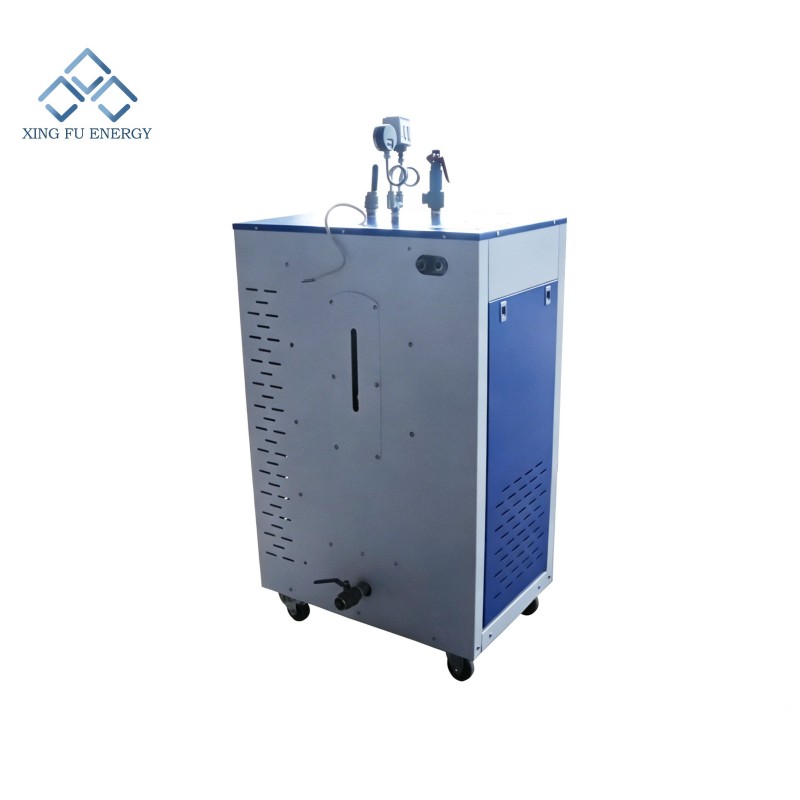
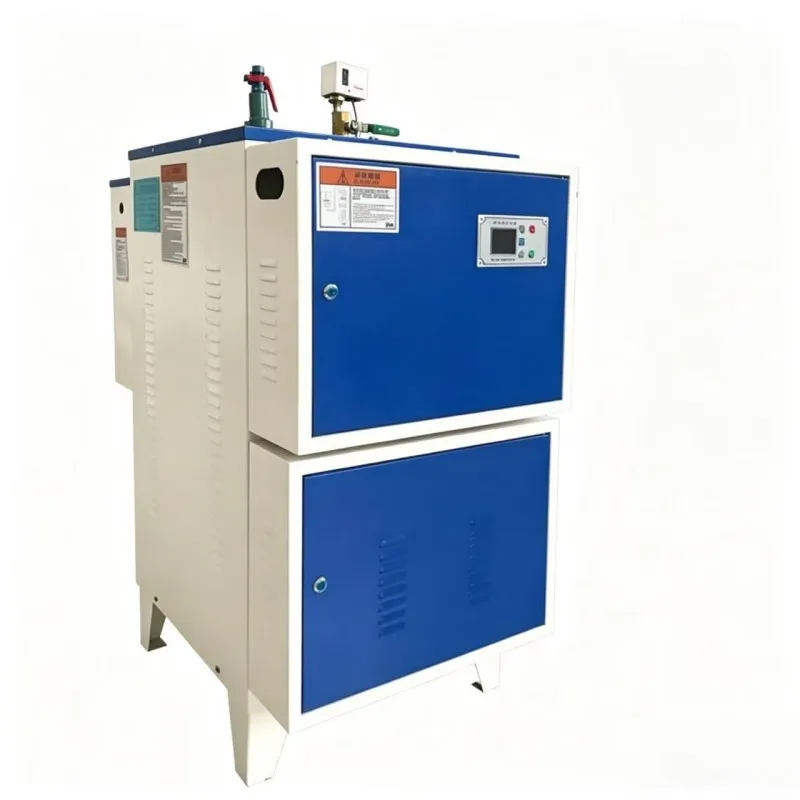
What sets Xingfu apart in the 2026 market is its vertically integrated approach. With a 70,500-square-meter production base and a team comprising 78 technical experts and 65 certified welders, the company controls every stage of development—from design and manufacturing to certified transportation. Their S-Series automation solutions, including fully automated electric steam generators and intelligent steam boilers, exemplify the industry’s shift toward zero-emission, high-efficiency systems. These units, constructed from high-grade stainless steel, meet rigorous international standards such as ISO 9001 and CE certifications, ensuring they are safe for both industrial and specialized residential applications.
For homeowners and businesses considering steam power, partnering with an established entity like Xingfu offers distinct advantages. Their experience exporting to over 30 countries, including Poland, Spain, and Indonesia, demonstrates a commitment to long-term partnerships. They provide comprehensive support, from initial equipment selection consulting to installation assistance and ongoing operational service. This level of technical backing is crucial when integrating complex systems like Organic Rankine Cycle (ORC) units or biomass burners into a home’s energy infrastructure, ensuring that the theoretical benefits of steam power are realized in practical, safe, and efficient operation.
Selecting a supplier for a residential steam powered electric generator is a critical decision that impacts safety, performance, and long-term support. The market contains both established industrial manufacturers and emerging specialized firms. Here is a structured approach to evaluating potential partners.
Ensure the supplier adheres to international safety standards. Look for ASME certification for boilers and pressure vessels, and UL or CE marking for electrical components. A reputable supplier will provide detailed engineering drawings, pressure ratings, and material specifications. Avoid vendors who cannot provide clear documentation on the safety limits of their equipment.
Steam generators are not plug-and-play appliances. They require commissioning, tuning, and ongoing maintenance. Choose a supplier that offers comprehensive technical support, including remote diagnostics, spare parts availability, and access to trained service technicians. Ask about the warranty terms for critical components like the turbine blades, boiler tubes, and alternator.
Every residential application is unique. Some homes have abundant wood waste; others have solar thermal arrays. A good supplier will offer modular systems that can be customized to match your specific heat source and power requirements. They should be able to engineer the interface between the steam generator and your home’s electrical panel and heating system.
Request case studies of similar installations. Speak to existing customers if possible. Look for feedback on reliability, ease of maintenance, and actual power output versus claimed specifications. In 2026, online forums and industry groups are valuable resources for unbiased user experiences.
If you already have a biomass boiler or a solar thermal system, ensure the steam generator is compatible with your existing infrastructure. The supplier should provide clear guidelines on pressure connections, flow rates, and control signal integration.
Proper installation is paramount for safety and efficiency. While some hobbyist units are designed for DIY assembly, mid-to-high-range systems should be installed by qualified professionals.
The generator unit must be placed on a stable, level foundation capable of supporting its weight and vibration. Adequate ventilation is essential to dissipate heat from the condenser and engine compartment. Ensure sufficient clearance for maintenance access and emergency shutdown procedures.
Steam systems are highly sensitive to water quality. Impurities can cause scaling, corrosion, and carryover into the turbine. Install a water treatment system, including softeners and deaerators, to remove minerals and dissolved gases. Regularly test the feedwater and boiler water chemistry to maintain optimal parameters.
Install multiple layers of safety controls, including pressure relief valves, low-water cutoffs, and high-temperature shut-offs. These devices must be tested regularly to ensure they function correctly. Integrate the system with a home automation or monitoring platform to receive alerts for any abnormal conditions.
To contextualize the value of a residential steam powered electric generator, it is helpful to compare it with other common off-grid and backup power solutions.
| Feature | Steam Generator | Diesel Generator | Solar PV + Battery | Wind Turbine |
|---|---|---|---|---|
| Fuel Source | Biomass, Waste Heat, Solar Thermal | Diesel Fuel | Sunlight | Wind |
| Availability | Continuous (with fuel/heat) | On-Demand | Intermittent (Daytime) | Intermittent (Windy) |
| Maintenance | High (Mechanical/Water) | Medium (Engine/Oil) | Low (Panel Cleaning) | Medium (Mechanical) |
| Noise Level | Low to Medium | High | Silent | Low to Medium |
| Lifespan | 20–30 Years | 10–15 Years | 25+ Years (Panels) | 20 Years |
| Initial Cost | High | Low to Medium | High | Medium to High |
| Best Use Case | CHP, Off-Grid Baseload | Emergency Backup | Grid-Tied Savings | Windy Locations |
This comparison highlights that steam generators are not a direct replacement for all other technologies but serve a specific niche where thermal energy is abundant and continuous power is required. They complement solar and wind systems by providing stability and reducing battery dependency.
Yes, when designed, installed, and maintained according to industry standards. Modern units incorporate multiple safety features, including pressure relief valves, automatic shut-offs, and robust construction materials. Compliance with ASME and local building codes is essential to ensure safety.
It depends on the size of the unit and your energy consumption. A 10–20 kW system can power a typical energy-efficient home, especially if used in conjunction with a battery bank for peak shaving. Larger estates may require 50 kW+ systems. Conducting a detailed energy audit is recommended before sizing the system.
Small-scale steam turbines typically achieve electrical efficiencies between 10% and 20%. However, when used in a Combined Heat and Power (CHP) configuration, the overall thermal efficiency can exceed 80% by utilizing waste heat for space heating or hot water.
Steam generators require more maintenance than solar panels but are comparable to diesel generators. Regular tasks include water quality testing, lubrication, inspection of seals and gaskets, and annual boiler inspections. Neglecting maintenance can lead to reduced efficiency and potential safety hazards.
In many jurisdictions, it is possible to connect to the grid through a net metering or feed-in tariff program, provided the system meets interconnection standards and uses a synchronized inverter. However, regulations vary by location, so consult with your local utility provider and regulatory authorities.
The best fuel source depends on local availability and cost. Common options include wood chips, wood pellets, agricultural biomass, and waste heat from industrial processes. Solar thermal can also be used in sunny climates. The key is to have a consistent and reliable supply of thermal energy.
The landscape of residential steam generation is evolving. In 2026, we observe several trends shaping the industry:
A residential steam powered electric generator represents a robust, resilient, and efficient solution for specific energy needs. It is not a one-size-fits-all answer but a strategic choice for those with access to affordable thermal energy sources, such as biomass or waste heat. For off-grid homeowners, small farms, or eco-conscious residents seeking energy independence, steam power offers unparalleled reliability and the unique benefit of combined heat and power.
In 2026, the technology is more accessible, safer, and smarter than ever before. While the initial investment and maintenance requirements are higher than simple solar setups, the long-term benefits of fuel flexibility, durability, and energy security make it a compelling option for the right application.
If you are considering integrating a steam powered system into your energy strategy, careful planning and professional consultation are essential. Evaluate your heat sources, calculate your energy needs, and choose a reputable supplier who can support your journey towards energy independence.
For detailed technical specifications, custom engineering consultations, and pricing quotes tailored to your specific residential needs, explore our comprehensive range of solutions. Our team of experts is ready to assist you in designing a sustainable and reliable power system.