A steam powered electric generator converts thermal energy from steam into mechanical work via a turbine or piston engine, which then drives an alternator to produce electricity. In 2026, industrial-grade units range from $15,000 for small-scale cogeneration systems to over $500,000 for high-capacity utility-grade turbines. These systems are critical for industries seeking energy independence, waste heat recovery, and reliable off-grid power. This guide details 2026 pricing, technical specifications, efficiency metrics, and selection criteria for B2B procurement.
What Is a Steam Powered Electric Generator?
A steam powered electric generator is not a single device but a integrated thermodynamic system. It utilizes high-pressure steam to rotate a turbine or reciprocating engine connected to an electrical generator. Unlike solar or wind, steam generation offers baseload reliability, making it ideal for continuous industrial operations.
The core principle relies on the Rankine Cycle. Water is heated in a boiler to create high-pressure steam. This steam expands through a turbine, converting thermal energy into rotational kinetic energy. The turbine shaft spins the generator rotor within a magnetic field, inducing an electrical current. The spent steam is then condensed back into water and recycled, creating a closed-loop system that maximizes water efficiency.
In 2026, advancements in materials science and control systems have significantly improved the part-load efficiency of these generators. Modern units feature automated pressure regulation, real-time vibration monitoring, and enhanced corrosion resistance, allowing them to operate reliably with varying steam qualities and sources.
Key Components of the System
Boiler/Steam Source: Generates high-pressure steam using biomass, natural gas, waste heat, or solar thermal energy.
Steam Turbine or Engine: The prime mover that converts steam pressure into rotational motion. Turbines are preferred for high-speed, high-power applications, while piston engines suit lower speeds and variable loads.
Electric Generator (Alternator): Converts mechanical rotation into AC electricity. Synchronous generators are standard for grid-connected systems, while induction generators may be used for specific isolated networks.
Condenser: Cools exhaust steam back into liquid water, creating a vacuum that increases turbine efficiency by maximizing the pressure drop across the blades.
Feedwater Pump: Returns condensed water to the boiler at high pressure, completing the cycle.
Control System: Manages steam flow, voltage regulation, frequency stability, and safety shutdowns.
2026 Industrial Price Guide & Cost Analysis
Pricing for steam powered electric generators in 2026 varies significantly based on capacity, technology type, and customization requirements. Below is a detailed breakdown of current market costs for industrial procurement.
System Capacity
Technology Type
Estimated Price Range (USD)
Primary Application
10 kW – 50 kW
Reciprocating Steam Engine
$15,000 – $45,000
Small factories, remote off-grid sites, educational institutions
50 kW – 500 kW
Small Industrial Turbine
$45,000 – $150,000
Medium manufacturing plants, biomass CHP projects
500 kW – 5 MW
Multi-Stage Industrial Turbine
$150,000 – $800,000
Large industrial complexes, waste-to-energy facilities
5 MW – 50 MW+
Utility-Grade Turbine
$800,000 – $5,000,000+
Power plants, district heating systems, heavy industry
Note: These prices typically include the turbine/generator set and basic controls. They often exclude the boiler, condenser, piping, installation, and civil works, which can add 30-50% to the total project cost.
Factors Influencing 2026 Pricing
Several dynamic factors impact the final investment cost for steam generation projects:
Material Costs: High-grade stainless steel and superalloys required for high-temperature turbines remain subject to global supply chain fluctuations.
Efficiency Ratings: Units with higher isentropic efficiency commands a premium due to advanced blade aerodynamics and tighter manufacturing tolerances.
Customization: Systems designed for specific waste heat sources (e.g., low-pressure industrial exhaust) require custom engineering, increasing design and fabrication costs.
Regulatory Compliance: Meeting 2026 emissions and safety standards (ASME, ISO, IEC) involves rigorous testing and certification, contributing to the base price.
Integration Complexity: Retrofitting existing boiler systems versus installing a greenfield plant affects engineering hours and hardware compatibility requirements.
Technical Specifications & Performance Metrics
When evaluating a steam powered electric generator, technical specifications determine suitability for your specific operational environment. In 2026, buyers prioritize efficiency, durability, and grid compatibility.
Core Technical Parameters
Rated Power Output: Measured in kilowatts (kW) or megawatts (MW). Ensure the rated output matches your peak load requirements with a 10-15% safety margin.
Steam Inlet Pressure: Typically ranges from 10 bar (145 psi) for small engines to over 100 bar (1450 psi) for large turbines. Higher pressure generally yields higher efficiency.
Steam Temperature: Superheated steam temperatures often exceed 300°C (572°F). Materials must withstand thermal stress without creep deformation.
Electrical Frequency: Standard outputs are 50 Hz or 60 Hz, depending on regional grid standards. Variable frequency drives (VFDs) may be used for specific motor loads.
Voltage Level: Common industrial voltages include 400V, 480V, 6.6kV, and 11kV. Step-up transformers are required for grid injection at higher voltages.
Isentropic Efficiency: A measure of how effectively the turbine converts thermal energy to mechanical work. Modern industrial turbines achieve 75-85% isentropic efficiency.
Heat Rate: Expressed in kJ/kWh or BTU/kWh. Lower heat rates indicate better fuel-to-electricity conversion efficiency.
Efficiency Considerations in 2026
Thermal efficiency is the primary metric for operational cost savings. A typical standalone steam turbine system achieves 20-30% electrical efficiency. However, when implemented as a Combined Heat and Power (CHP) or Cogeneration system, overall efficiency can exceed 80%.
In CHP configurations, the exhaust steam or hot water from the condenser is utilized for process heating, space heating, or absorption cooling. This dual-use approach drastically reduces the levelized cost of energy (LCOE) and improves the return on investment (ROI). For 2026 procurement, prioritizing CHP-capable designs is recommended for any facility with simultaneous heat and power demands.
How Does a Steam Powered Generator Work? (Step-by-Step)
Understanding the operational workflow helps in maintenance planning and troubleshooting. The process follows a continuous thermodynamic cycle.
Operational Steps
Water Feed & Pressurization: Deionized water is pumped into the boiler feed system. High-pressure pumps raise the water pressure to match the boiler’s operating requirements.
Boiling & Superheating: The boiler applies heat (from combustion or waste heat) to convert water into saturated steam. Further heating creates superheated steam, removing moisture droplets that could damage turbine blades.
Expansion & Work Generation: High-pressure steam enters the turbine nozzle. As it expands, its pressure and temperature drop, causing the turbine blades to rotate at high speed (typically 3,000 or 3,600 RPM for direct grid coupling).
Electricity Generation: The rotating turbine shaft drives the generator rotor. The interaction between the rotor’s magnetic field and the stator’s windings induces an alternating current (AC).
Exhaust & Condensation: Low-pressure steam exits the turbine into the condenser. Cooling water or air removes latent heat, converting the steam back into liquid water (condensate).
Recycling: The condensate is collected, treated if necessary, and pumped back to the boiler, closing the loop.
Applications & Use Cases for Industrial Steam Generators
Steam powered electric generators are versatile solutions across multiple sectors. Their ability to utilize diverse heat sources makes them particularly valuable in sustainable industrial strategies.
1. Waste Heat Recovery (WHR)
Industries such as cement, steel, glass, and chemical processing generate significant amounts of waste heat. Installing a steam turbine generator allows these facilities to capture otherwise lost thermal energy and convert it into electricity. This reduces grid dependency and lowers overall energy costs. In 2026, WHR is a key component of corporate sustainability reports and carbon reduction targets.
2. Biomass & Waste-to-Energy
Agricultural residues, wood chips, and municipal solid waste can be combusted to generate steam. Steam generators provide a stable power source from renewable biomass fuels. This application is prevalent in rural areas and agricultural processing plants where biomass feedstock is abundant and cheap.
3. Combined Heat and Power (CHP)
Hospitals, universities, and district heating systems require both electricity and thermal energy. CHP systems maximize fuel efficiency by generating electricity first and using the residual heat for HVAC or domestic hot water. This dual-output model offers the highest economic return for steam generation investments.
4. Off-Grid & Remote Power
Mining operations, remote islands, and military bases often lack reliable grid access. Steam generators fueled by locally available resources (coal, biomass, or solar thermal) provide robust, weather-independent power. Unlike diesel generators, steam systems can run on varied fuels, enhancing supply security.
5. Solar Thermal Power
Concentrated Solar Power (CSP) plants use mirrors to focus sunlight onto a receiver, generating high-temperature steam. This steam drives a turbine generator. While intermittent, CSP with thermal storage can provide dispatchable renewable energy, bridging the gap between solar availability and demand.
Advantages and Disadvantages Analysis
A balanced assessment of pros and cons is essential for informed decision-making.
Advantages
Fuel Flexibility: Can operate on coal, natural gas, biomass, waste heat, nuclear, or solar thermal. This reduces vulnerability to single-fuel price spikes.
High Reliability: Steam turbines have fewer moving parts than internal combustion engines, leading to lower vibration and longer operational life (20-30+ years).
Scalability: Technology scales efficiently from small kW units to massive GW-level power plants.
Energy Storage Potential: Thermal energy can be stored more easily and cheaply than electricity, allowing for load shifting in solar thermal applications.
Proven Technology: Decades of engineering refinement ensure predictable performance and widespread availability of skilled maintenance personnel.
Disadvantages
High Initial Capital Cost: Boilers, turbines, and condensers require significant upfront investment compared to simple diesel generators.
Complex Start-up: Steam systems require time to build pressure and temperature, making them unsuitable for rapid-start emergency backup without auxiliary systems.
Water Consumption: Significant water is needed for boiler feed and condenser cooling, although closed-loop systems mitigate this.
Maintenance Expertise: Requires specialized knowledge for boiler safety, water chemistry management, and turbine alignment.
Selection Guide: How to Choose the Right Steam Generator
Selecting the appropriate steam powered electric generator requires a systematic evaluation of your site’s specific conditions and energy needs.
1. Assess Steam Source Availability
Determine the pressure, temperature, and flow rate of available steam. If using waste heat, characterize the source’s consistency. Mismatched steam conditions can lead to poor efficiency or equipment damage. For new installations, select a boiler that matches the turbine’s inlet requirements.
2. Determine Load Profile
Analyze your electrical load curve. Is the demand constant (baseload) or variable? Turbines perform best at steady states. For highly variable loads, consider a reciprocating steam engine or a hybrid system with battery storage. Ensure the generator size matches the average load, not just the peak, to avoid inefficient part-load operation.
3. Evaluate Space and Infrastructure
Steam systems are bulky. Assess available floor space for the turbine, generator, condenser, and piping. Check structural load capacities, as turbines and boilers are heavy. Ensure adequate ventilation and access for maintenance cranes or tools.
4. Consider Water Quality and Supply
Boiler feedwater must be highly purified to prevent scaling and corrosion. Assess local water availability and cost. If water is scarce, opt for air-cooled condensers, though they are less efficient than water-cooled versions. Budget for water treatment systems (reverse osmosis, deaeration).
5. Regulatory and Environmental Compliance
Verify local emissions regulations for the heat source (boiler). Even if the turbine is clean, the boiler may require scrubbers or filters. Ensure the system meets noise ordinances, especially for urban or residential-adjacent sites. Check grid interconnection standards if selling excess power.
Industry Spotlight: Engineering Excellence in Steam Generation
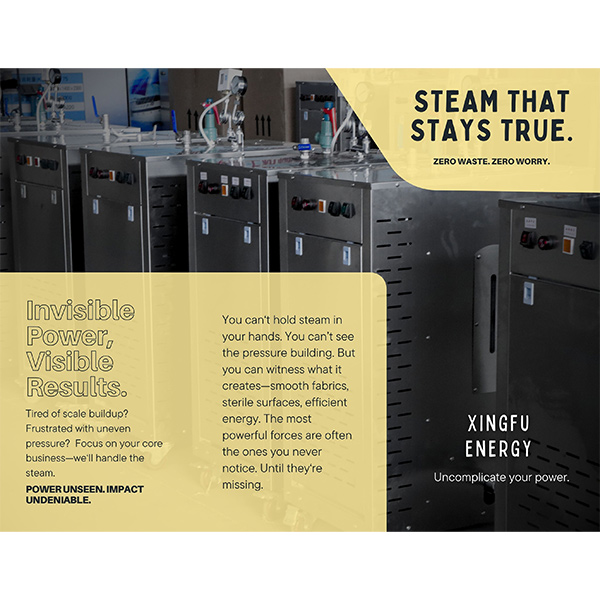
As the demand for efficient, compliant, and reliable steam systems grows in 2026, selecting a manufacturer with deep engineering expertise and vertical integration capabilities becomes crucial. Qingdao Xingfu Energy Equipment Ltd. exemplifies this modern approach to industrial energy solutions.
Founded in 2010 and headquartered in Qingdao, China, Xingfu Energy has evolved into a high-tech leader in the domestic and international energy equipment market. With over 14 years of continuous industry experience, the company combines traditional manufacturing prowess with continuous technological innovation. Their vertically integrated model covers the entire lifecycle—from research and design to manufacturing and certified transportation—ensuring quality control at every stage.
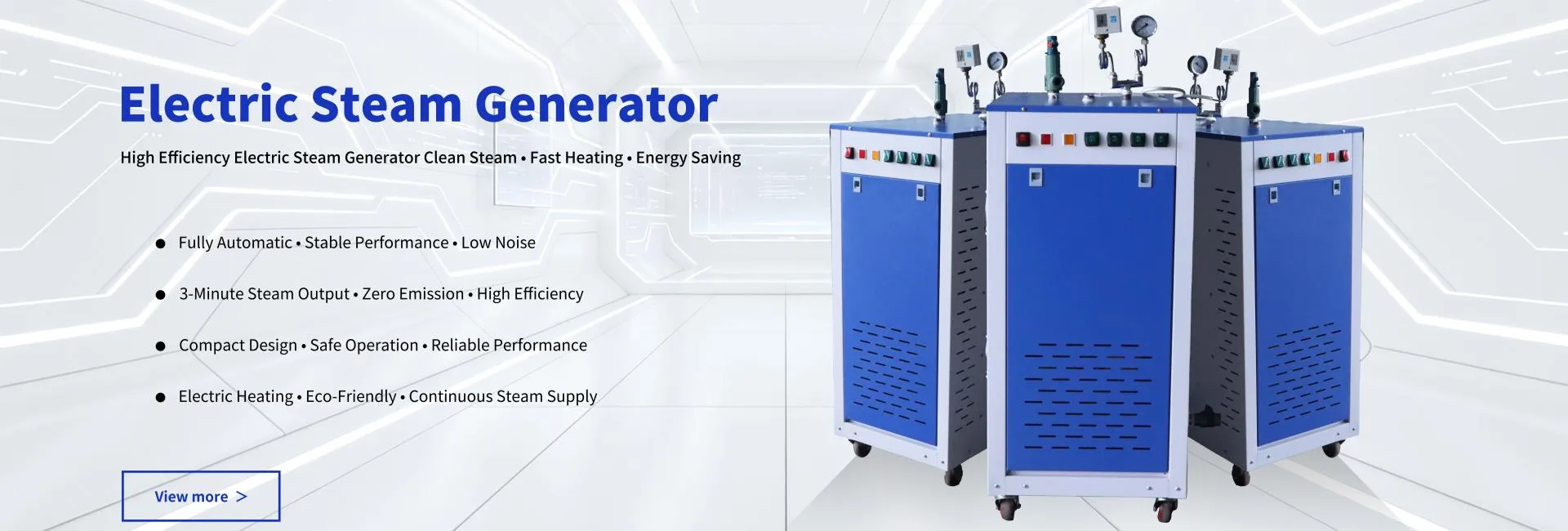
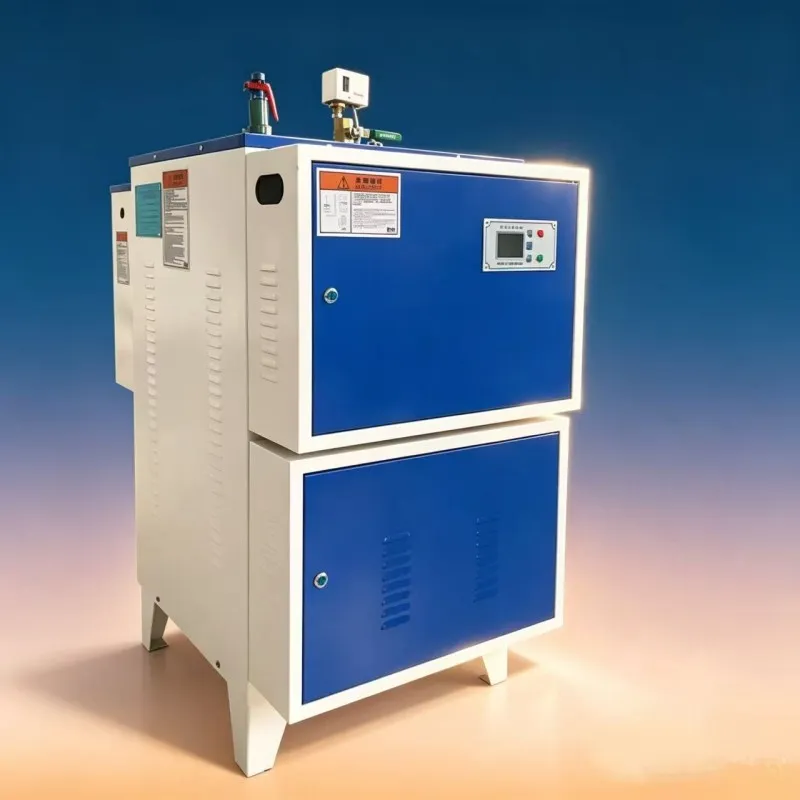
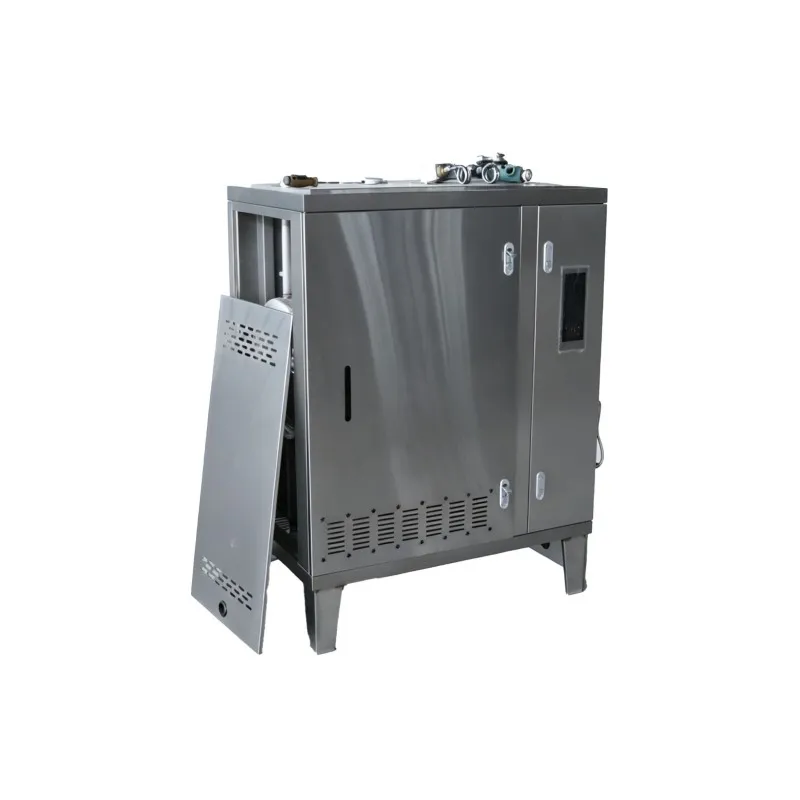
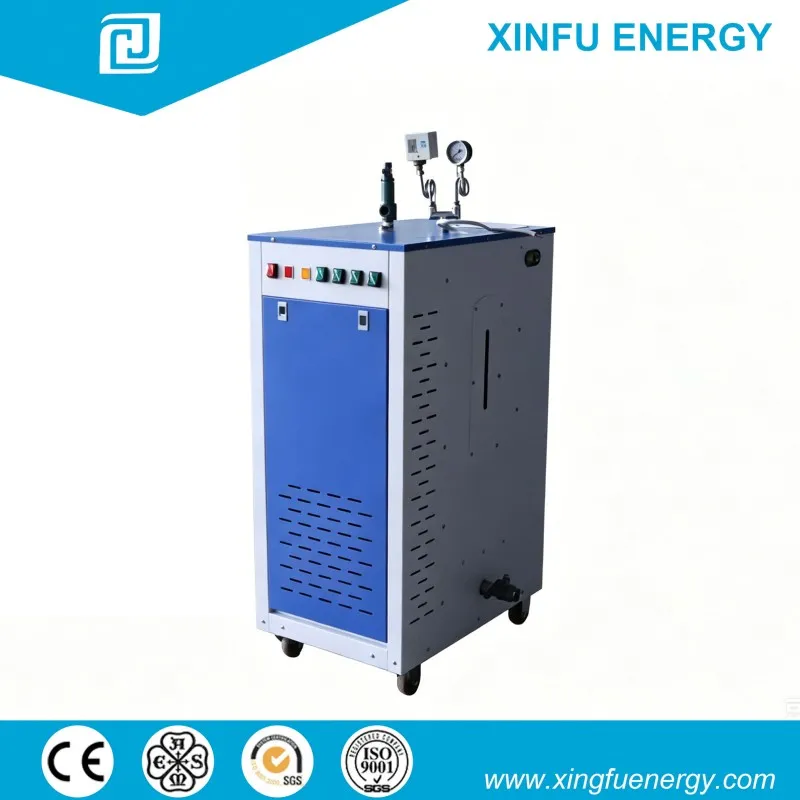
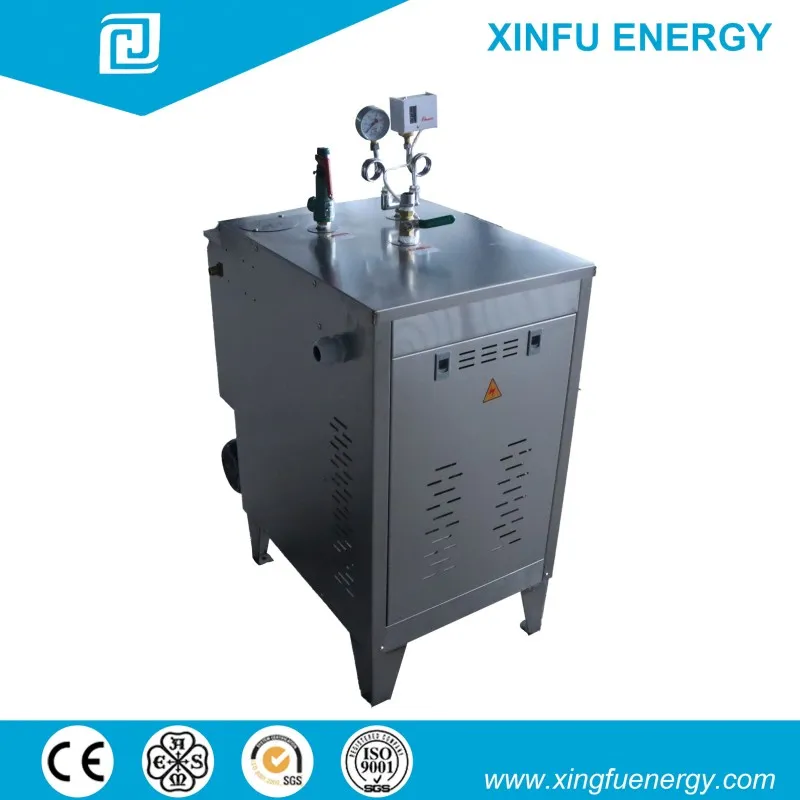
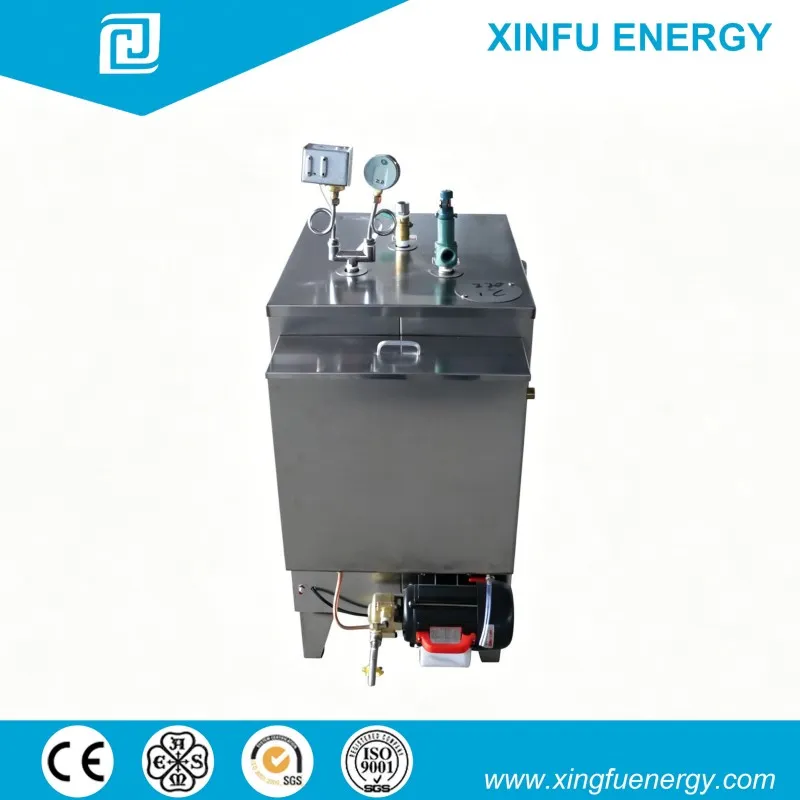
Xingfu Energy specializes in the production of electric steam generators and industrial steam boilers, including their compact S-Series automation solutions. These fully automated, intelligent systems are designed for fast steam generation and high-power continuous production lines, particularly serving the textile and industrial heating sectors. Constructed from high-grade stainless steel, their equipment meets stringent environmental safety requirements, achieving zero emissions during operation—a key consideration for modern industrial compliance.
The company’s commitment to quality is backed by substantial infrastructure and talent. Operating out of a 70,500-square-meter production base, Xingfu employs 228 staff members, including 78 technical experts and 65 certified welders. This strong technical foundation allows them to hold Class B boiler and Class 1/2 pressure container manufacturing licenses, along with ISO 9001 and CE certifications. Since beginning exports in 2012, Xingfu Energy has supplied reliable solutions to over 30 countries, including markets in Europe and Asia, building a reputation for transparency, technical support, and long-term partnership.
Installation & Maintenance Best Practices
Proper installation and rigorous maintenance are critical for safety and longevity. Steam systems operate under high pressure and temperature, posing significant risks if neglected.
Installation Guidelines
Foundation: Ensure a rigid, level concrete foundation to prevent misalignment. Vibration isolation pads may be necessary.
Piping: Use high-quality steam-rated pipes with proper expansion loops to accommodate thermal growth. Insulate all steam lines to minimize heat loss.
Safety Valves: Install certified pressure relief valves on the boiler and steam lines. Regularly test these valves to ensure they function correctly.
Instrumentation: Install accurate gauges for pressure, temperature, and flow. Integrate these with the control system for automated monitoring.
Maintenance Schedule
Daily: Check water levels, pressure readings, and oil levels. Inspect for leaks in steam traps and fittings.
Monthly: Inspect turbine bearings for vibration and temperature anomalies. Clean air filters and heat exchanger surfaces.
Annually: Perform a thorough inspection of the turbine blades for erosion or corrosion. Calibrate all sensors and control instruments. Conduct a hydrostatic test of the boiler if required by local law.
Every 3-5 Years: Major overhaul. Replace worn seals, bearings, and gaskets. Inspect generator windings for insulation degradation.
Common Mistakes to Avoid
Avoid these frequent pitfalls to ensure project success:
Ignoring Water Treatment: Poor water quality causes scaling and corrosion, leading to catastrophic boiler failure or turbine blade damage. Invest in robust water treatment.
Oversizing the Unit: Buying a generator much larger than needed results in inefficient part-load operation and higher fuel costs. Size based on actual average load.
Neglecting Condenser Vacuum: A leaky condenser reduces the pressure drop across the turbine, severely cutting efficiency. Maintain tight seals and efficient cooling.
Underestimating Installation Costs: Failing to budget for piping, insulation, civil works, and electrical integration can blow the project budget. Get detailed quotes early.
Lack of Operator Training: Steam systems require skilled operators. Untrained staff may mishandle start-ups or ignore warning signs, leading to accidents.
FAQ: People Also Ask About Steam Powered Generators
How efficient is a steam powered electric generator?
Standalone steam turbine systems typically achieve 20-30% electrical efficiency. However, when used in Combined Heat and Power (CHP) applications, overall system efficiency can reach 80-90% by utilizing waste heat for heating or industrial processes.
Can I use a steam generator for home power?
While technically possible, small-scale steam generators are rarely practical for residential use due to high complexity, maintenance requirements, and safety regulations. Solar PV or small wind turbines are generally more suitable for home power. Steam systems are best suited for industrial or community-scale applications.
What is the lifespan of a steam turbine generator?
With proper maintenance, industrial steam turbine generators can operate for 20 to 30 years or more. Reciprocating steam engines may have shorter lifespans due to more moving parts, typically 15-20 years. Regular overhauls extend operational life significantly.
Is steam power considered renewable?
Steam power itself is a method of conversion, not a fuel source. It is considered renewable if the heat source is renewable, such as biomass, geothermal, or solar thermal. If fueled by coal or natural gas, it is not renewable. However, waste heat recovery is considered a sustainable practice regardless of the original fuel.
How much does it cost to operate a steam generator?
Operational costs depend primarily on fuel price and maintenance. Fuel costs vary widely by source (e.g., waste heat is free, biomass is low-cost, natural gas is moderate). Maintenance costs are generally lower than internal combustion engines but require specialized labor. Water treatment chemicals also contribute to ongoing expenses.
What is the difference between a steam turbine and a steam engine?
A steam turbine uses rotating blades to convert steam energy into motion, suitable for high speeds and large powers. A steam engine (reciprocating) uses pistons and cylinders, suitable for lower speeds, smaller scales, and better torque at startup. Turbines are more common in modern electricity generation due to higher efficiency and smoother operation.
Future Trends in Steam Power Technology (2026 and Beyond)
The steam power sector is evolving with digitalization and material science advancements.
Digital Twins: Advanced software models simulate turbine performance in real-time, predicting maintenance needs and optimizing efficiency dynamically.
Advanced Materials: New superalloys allow turbines to operate at higher temperatures and pressures, boosting thermal efficiency beyond traditional limits.
Hybrid Systems: Integration with battery storage allows steam plants to respond faster to grid frequency changes, enhancing their value in renewable-heavy grids.
Modular Designs: Prefabricated, containerized steam units are emerging for faster deployment and reduced installation costs, particularly for waste heat recovery projects.
Conclusion & Next Steps
A steam powered electric generator remains a cornerstone of industrial energy strategy in 2026. Its ability to convert diverse thermal sources into reliable electricity, especially through CHP configurations, offers unmatched economic and environmental benefits for suitable applications. While initial costs are high, the long-term ROI, fuel flexibility, and durability make it a superior choice for heavy industry, waste-to-energy projects, and off-grid operations.
Who Should Consider This Solution?
Manufacturing plants with significant waste heat streams.
Agricultural processors with access to biomass fuel.
Choosing the right system requires careful analysis of your steam source, load profile, and site constraints. Partnering with experienced engineers ensures optimal sizing and integration.
Ready to explore how a steam powered electric generator can reduce your energy costs and enhance sustainability? Contact our technical team for a customized feasibility study and detailed quotation.