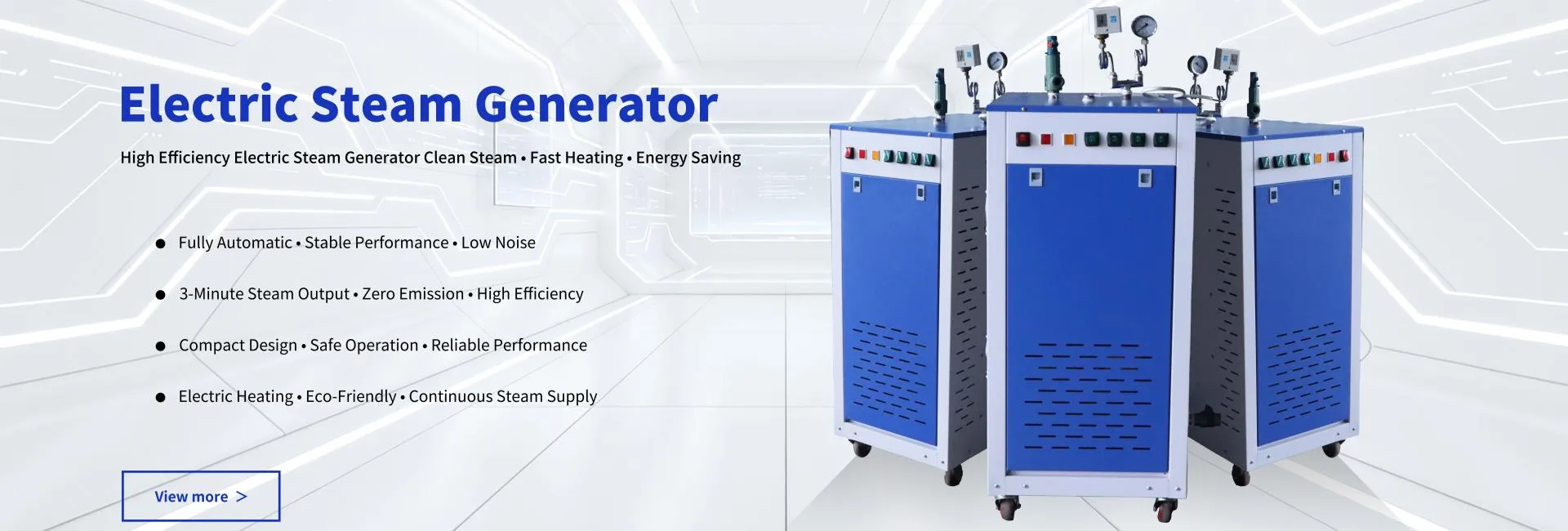
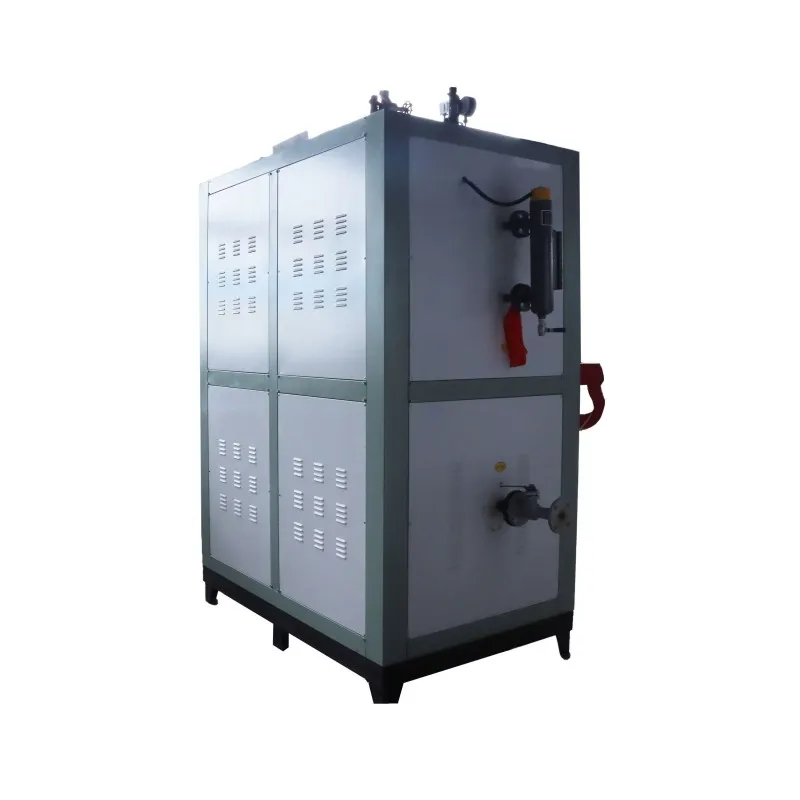
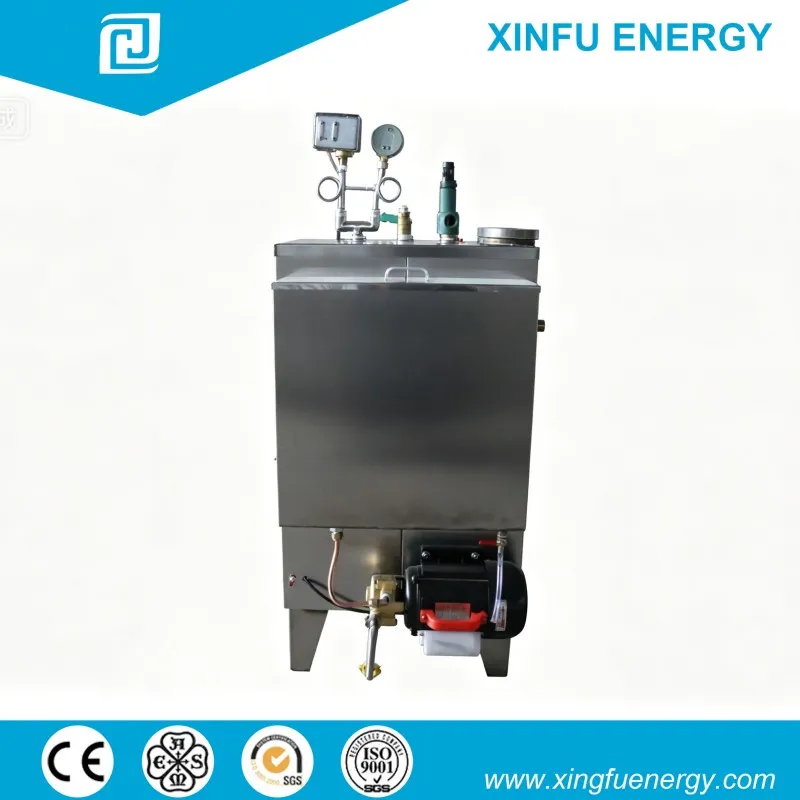
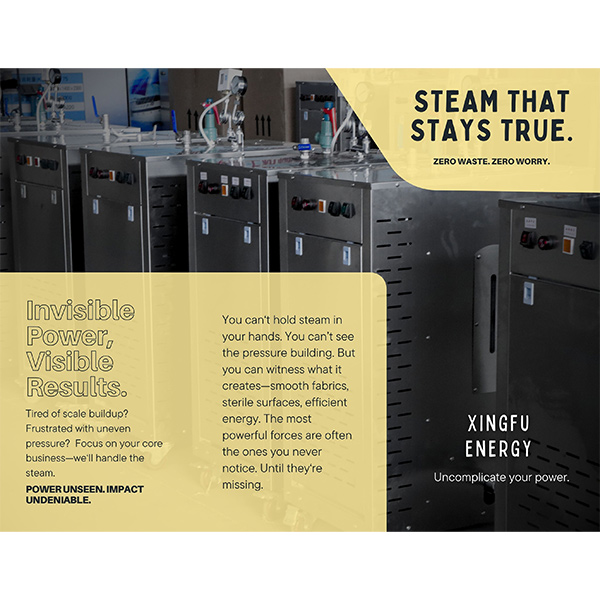
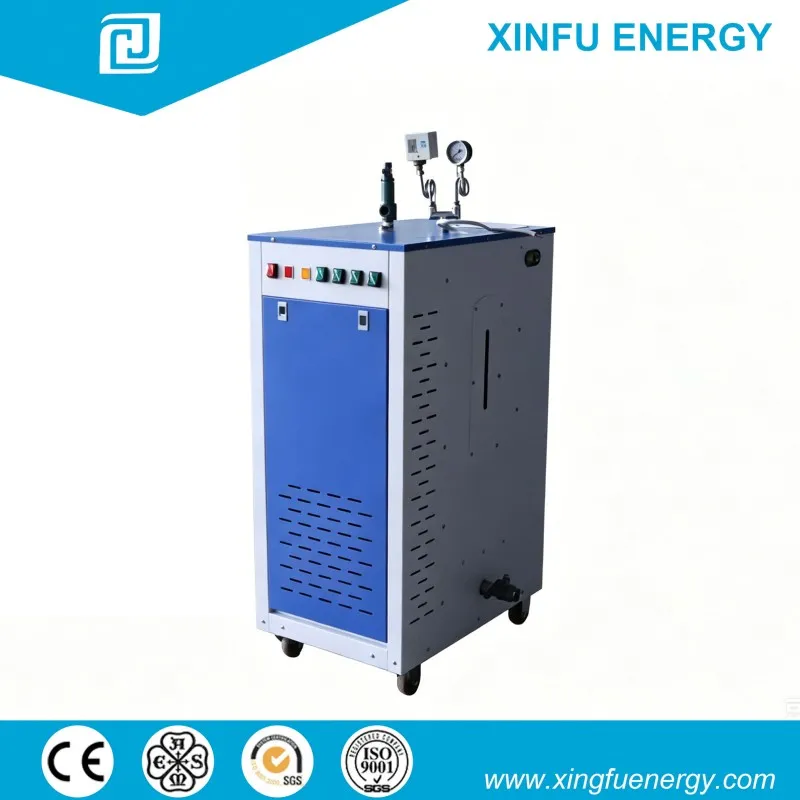
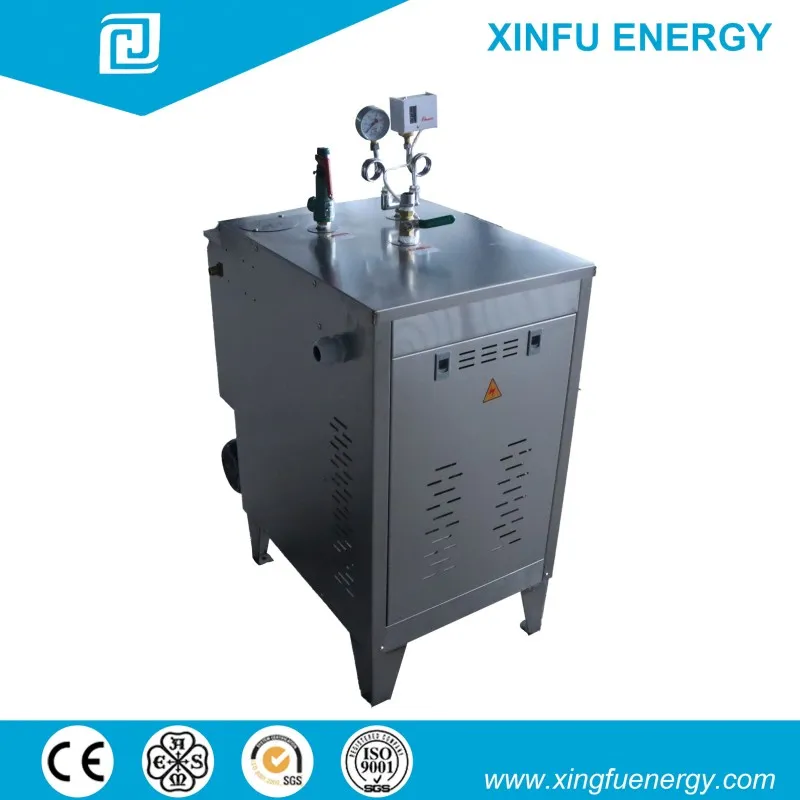
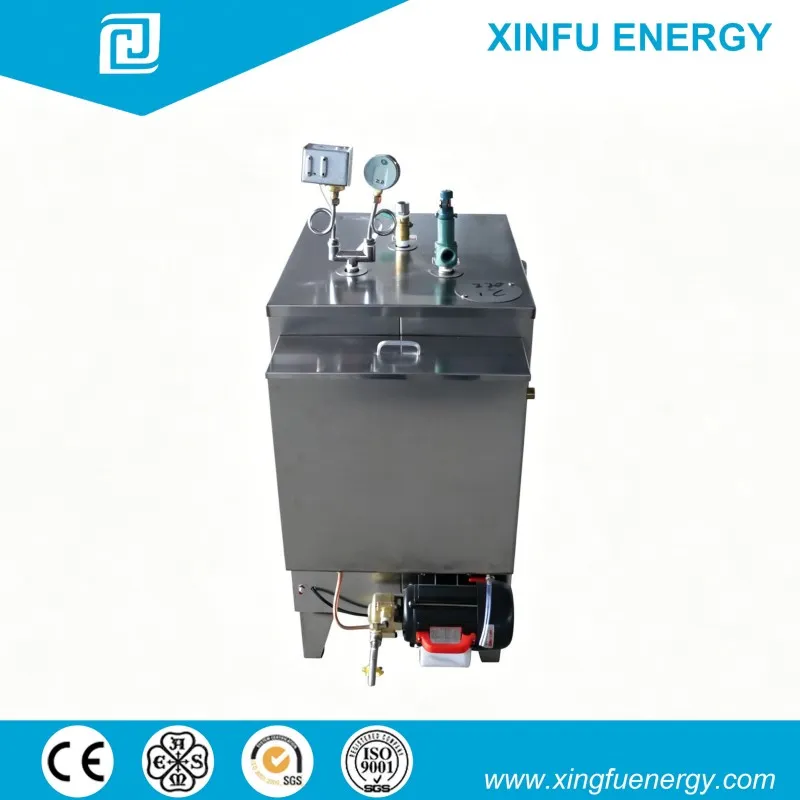
An industrial electric steam generator is a high-efficiency, compact boiler system that converts electrical energy into thermal energy to produce saturated or superheated steam. Unlike traditional fossil-fuel boilers, these units offer zero on-site emissions, precise pressure control, and rapid startup times, making them ideal for 2026 manufacturing environments focused on sustainability and operational precision. For businesses seeking an electric steam generator industrial solution, factory-direct procurement in 2026 provides significant cost advantages by eliminating intermediary markups while ensuring direct access to custom engineering support and warranty services.
What Is an Industrial Electric Steam Generator?
An industrial electric steam generator is a pressure vessel designed to produce steam using electrical heating elements rather than combustion. The core mechanism involves passing an electric current through resistant heating elements submerged in water. This process generates heat, which transfers to the water, causing it to boil and produce steam. The steam is then separated from the water droplets and discharged at the required pressure and temperature for industrial applications.
In 2026, the demand for electric steam generator industrial units has surged due to stricter environmental regulations and the global shift towards electrification in manufacturing. These systems are distinct from traditional boilers because they do not require fuel storage, exhaust stacks, or complex combustion air systems. This simplification reduces the footprint of the equipment and lowers installation costs significantly.
Core Components and Working Principle
Understanding the internal architecture of an electric steam generator is crucial for maintenance and operational efficiency. The system comprises several key components:
Heating Elements: Typically made of stainless steel or Incoloy, these resistance heaters are the primary source of heat. High-quality units use low-watt-density elements to prevent scale buildup and extend lifespan.
Pressure Vessel: A robust steel tank designed to withstand high pressures. It must comply with ASME or PED standards depending on the region.
Control Panel: The brain of the system, featuring PLCs (Programmable Logic Controllers) that monitor water levels, pressure, and temperature. Modern 2026 models include IoT connectivity for remote monitoring.
Water Feed System: Includes pumps and valves that regulate the inflow of treated water to maintain optimal water levels within the vessel.
Safety Valves: Critical components that release excess pressure to prevent catastrophic failure if the control system fails.
The working principle is straightforward yet highly effective. When the system is activated, the control panel signals the heating elements to energize. As the water temperature rises, steam forms. Pressure sensors continuously monitor the vessel’s internal pressure. Once the set pressure is reached, the controller modulates the power to the heating elements, either cycling them on/off or adjusting the power output via SCR (Silicon Controlled Rectifier) technology to maintain a steady state. This precise control is a major advantage over gas or oil boilers, which often suffer from pressure fluctuations due to combustion lag.
Why Choose Electric Over Gas or Oil in 2026?
The decision to switch to an electric steam generator industrial system is often driven by a combination of regulatory, economic, and operational factors. In 2026, carbon taxation and emission limits have made fossil-fuel boilers increasingly expensive to operate and maintain. Electric generators offer a clean alternative that aligns with corporate sustainability goals.
Operational Efficiency and Energy Conversion
Electric steam generators boast nearly 100% energy conversion efficiency. Almost all the electrical energy consumed is converted into heat within the water. In contrast, gas and oil boilers typically achieve efficiencies between 80% and 95%, with significant energy lost through flue gases and radiation. While electricity prices per kWh may be higher than natural gas per BTU in some regions, the total cost of ownership (TCO) for electric systems can be lower when factoring in maintenance, insurance, and compliance costs.
Furthermore, electric systems do not require annual combustion tuning or flue gas analysis. This reduces the frequency of mandatory inspections and the associated labor costs. For facilities operating in areas with high renewable energy penetration, using electric steam generators allows companies to leverage green energy credits, further enhancing their environmental profile.
Safety and Installation Benefits
Safety is a paramount concern in industrial settings. Electric steam generators eliminate the risks associated with fuel storage, such as leaks, spills, and explosions. There is no need for fuel tanks, piping, or ventilation systems for combustion air. This simplifies the installation process and reduces the risk of fire hazards.
Installation of an electric unit is also faster and less invasive. Without the need for a chimney or exhaust stack, the unit can be placed closer to the point of use, reducing heat loss in steam distribution pipes. This proximity improves overall system efficiency and ensures that steam arrives at the application point with minimal pressure drop.
Feature
Electric Steam Generator
Gas/Oil Boiler
Energy Efficiency
~98-99%
80-95%
Emissions
Zero on-site emissions
CO2, NOx, SOx
Installation Complexity
Low (No chimney/fuel lines)
High (Ventilation/Fuel storage)
Maintenance Frequency
Low (Annual checkup)
High (Combustion tuning/Cleaning)
Startup Time
Fast (Minutes)
Slow (Hours for warm-up)
Noise Level
Quiet (Only pump noise)
Loud (Burner/Fan noise)
Key Applications of Industrial Electric Steam Generators
The versatility of electric steam generator industrial units makes them suitable for a wide range of industries. Their ability to provide clean, dry, and precisely controlled steam is particularly valuable in processes where product quality and hygiene are critical.
Food and Beverage Processing
In the food industry, steam is used for cooking, sterilization, and cleaning. Electric steam generators produce pure steam without the risk of contamination from fuel byproducts. This is essential for maintaining food safety standards such as HACCP and ISO 22000. Applications include:
Sterilization: Autoclaves and retorts use high-pressure steam to kill bacteria and extend shelf life.
Cooking: Direct steam injection for mixing and heating ingredients ensures uniform temperature distribution.
Cleaning: Steam cleaning systems remove grease and residues from processing equipment without harsh chemicals.
Pharmaceutical and Healthcare
The pharmaceutical industry requires ultra-pure steam for sterilization and humidification. Electric generators can be equipped with high-grade stainless steel components and double-walled heat exchangers to produce pyrogen-free steam. This meets the stringent requirements of GMP (Good Manufacturing Practice) regulations. Hospitals also use electric steam generators for sterilizing surgical instruments and linens, where reliability and cleanliness are non-negotiable.
Textile and Garment Manufacturing
Steam is integral to textile processing, including dyeing, finishing, and ironing. Electric steam generators provide consistent pressure and temperature, which is crucial for achieving uniform color and texture in fabrics. In garment manufacturing, electric steam irons and presses rely on dry steam to prevent water spots and ensure a professional finish. The quick response time of electric units allows for efficient handling of variable production loads.
Chemical and Petrochemical Industries
In chemical processing, steam is used for heating reactors, distillation columns, and heat exchangers. Electric steam generators offer precise temperature control, which is vital for sensitive chemical reactions. Additionally, in hazardous areas where open flames are prohibited, electric systems provide a safe heating solution. They are also used for trace heating of pipes and tanks to prevent freezing or maintain viscosity.
Concrete Curing and Construction
Steam curing accelerates the hardening process of concrete, allowing for faster production cycles in precast concrete plants. Electric steam generators provide a controlled environment with consistent humidity and temperature, resulting in higher strength and durability of concrete products. Their portability and ease of installation make them ideal for temporary construction sites.
The Manufacturer’s Edge: Why Source from Qingdao Xingfu Energy Equipment?
When evaluating suppliers for critical industrial infrastructure, the manufacturer’s pedigree matters. Qingdao Xingfu Energy Equipment Ltd., established in 2010 and headquartered in Qingdao, China, exemplifies the vertical integration and technical depth required for high-performance steam solutions. With over 14 years of continuous industry experience, Xingfu has evolved from a domestic supplier into a globally recognized exporter serving more than 30 countries, including markets in Europe, Asia, and beyond.
Unlike generalist distributors, Xingfu operates a massive 70,500-square-meter production base, featuring 21,000 square meters of dedicated workshops. This infrastructure supports the end-to-end manufacturing of their flagship S-Series automation solutions—fully automated electric steam generators and intelligent steam boilers designed for fast steam capabilities and continuous production lines. The company’s commitment to quality is backed by a robust technical team: out of 228 employees, 78 are technical experts, including 28 specialized engineers. This high ratio of engineering talent ensures that every unit, from compact textile heating systems to high-power industrial boilers, is optimized for energy efficiency and seamless integration.
Xingfu’s products are constructed using premium stainless steel and adhere to strict international standards, holding ISO 9001 and CE certifications. Their Class B boiler manufacturing license and Class 1/2 container licenses further validate their capability to produce safe, compliant pressure vessels. By choosing a manufacturer like Xingfu, buyers gain access not just to hardware, but to a complete lifecycle service model—from design-phase consulting and equipment selection to installation assistance and long-term operational support. This direct engagement eliminates the uncertainties of third-party sourcing, ensuring that the “factory-direct” advantage translates into tangible reliability and performance.
2026 Pricing Guide: Factory Direct vs. Distributors
Pricing for an electric steam generator industrial unit varies based on capacity, features, and customization. In 2026, buying factory direct offers substantial savings compared to purchasing through distributors or third-party vendors. Factory-direct pricing eliminates middleman margins, typically reducing costs by 15-30%.
Factors Influencing Price
Capacity (kW or kg/h): Larger units require more materials and larger heating elements, increasing the base price. Common industrial sizes range from 50 kW to 500 kW.
Pressure Rating: Higher pressure vessels require thicker walls and more rigorous testing, adding to the manufacturing cost.
Control System: Basic on/off controls are cheaper, while advanced PLC systems with touchscreen interfaces and IoT connectivity command a premium.
Materials: Standard carbon steel is cost-effective, but stainless steel (304 or 316L) is required for food and pharmaceutical applications, increasing the price.
Certifications: Units certified for specific markets (ASME, CE, PED) may have higher initial costs due to compliance testing and documentation.
Estimated Price Ranges (2026 Market Data)
Note: These are indicative ranges for factory-direct purchases. Custom configurations may vary.
Capacity (kW)
Steam Output (kg/h)
Price Range (USD)
Best For
50 – 100 kW
70 – 140 kg/h
$3,500 – $6,500
Small workshops, labs, pilot plants
150 – 250 kW
210 – 350 kg/h
$7,000 – $12,000
Medium food processing, laundries
300 – 500 kW
420 – 700 kg/h
$13,000 – $22,000
Large manufacturing, chemical plants
500+ kW (Custom)
700+ kg/h
$25,000+
Heavy industry, district heating
When requesting a quote, ensure you specify your voltage requirements (e.g., 380V, 480V, 600V) and phase (3-phase is standard for industrial units). Additional costs may include shipping, import duties, and local installation services. Factory-direct suppliers often provide detailed CAD drawings and installation manuals to facilitate local contractor work.
How to Select the Right Industrial Electric Steam Generator
Choosing the correct electric steam generator industrial model requires a thorough assessment of your specific needs. An undersized unit will struggle to meet demand, leading to production delays, while an oversized unit will cycle frequently, reducing efficiency and component life.
Step 1: Calculate Steam Demand
Determine your maximum and average steam consumption in kg/h or lbs/h. Consider peak loads during startup or high-production periods. It is advisable to add a 10-20% safety margin to your calculated demand to accommodate future expansion or unexpected spikes.
Step 2: Determine Pressure and Temperature Requirements
Identify the pressure required at the point of use. Remember that pressure drops occur in pipes and fittings. Select a generator that can deliver steam at a slightly higher pressure than needed to compensate for these losses. Most industrial applications require between 7 bar and 10 bar (100-150 psi).
Step 3: Assess Water Quality
Water quality significantly impacts the performance and longevity of electric steam generators. Hard water leads to scale buildup on heating elements, reducing efficiency and causing premature failure. Conduct a water analysis to determine hardness, TDS (Total Dissolved Solids), and pH levels. Based on the results, choose a unit with appropriate blowdown capabilities and invest in a water treatment system (softener or RO unit).
Step 4: Evaluate Electrical Infrastructure
Ensure your facility has sufficient electrical capacity to support the generator. Check the available voltage and amperage. Large units may require dedicated transformers or upgrade to the main service panel. Consult with a qualified electrician to assess the feasibility and cost of electrical upgrades.
Step 5: Consider Control and Automation Needs
For modern factories, integration with existing SCADA or BMS systems is essential. Look for generators with communication protocols like Modbus, Profibus, or Ethernet/IP. Remote monitoring capabilities allow for predictive maintenance and real-time performance tracking, reducing downtime.
Installation and Maintenance Best Practices
Proper installation and regular maintenance are critical for maximizing the lifespan and efficiency of your electric steam generator industrial system. Neglecting these aspects can lead to costly repairs and unsafe operating conditions.
Installation Guidelines
Location: Install the unit in a dry, well-ventilated area with easy access for maintenance. Ensure the floor can support the weight of the unit when filled with water.
Piping: Use high-quality steam pipes and fittings. Install a steam trap, pressure gauge, and safety valve on the outlet line. Insulate all steam pipes to minimize heat loss.
Electrical: Connect the unit to a dedicated circuit with appropriate overload protection. Ensure proper grounding to prevent electrical shocks.
Water Supply: Connect to a reliable water source with a treatment system. Install a check valve to prevent backflow.
Maintenance Schedule
Daily Checks:
Inspect water level and pressure gauges.
Check for leaks in pipes and fittings.
Verify proper operation of safety valves.
Weekly Checks:
Perform bottom blowdown to remove sediments and sludge.
Test the low-water cutoff device.
Inspect heating element connections for tightness.
Monthly Checks:
Check water quality and adjust treatment chemicals as needed.
Inspect control panel for error codes or warnings.
Clean air filters on the control cabinet (if applicable).
Annual Maintenance:
Drain and flush the vessel to remove scale buildup.
Inspect heating elements for corrosion or damage. Replace if necessary.
Calibrate pressure sensors and safety valves.
Tighten all electrical connections.
Conduct a thorough inspection of the pressure vessel for signs of wear or corrosion.
Common Mistakes to Avoid
Even with advanced technology, user errors can compromise the performance of an electric steam generator industrial unit. Avoid these common pitfalls:
Ignoring Water Treatment: This is the number one cause of failure. Scale acts as an insulator, causing heating elements to overheat and burn out. Always use treated water.
Oversizing the Unit: An oversized generator will short-cycle (turn on and off frequently), causing thermal stress on components and reducing efficiency. Size according to actual demand.
Neglecting Blowdown: Regular blowdown is essential to keep TDS levels within acceptable limits. High TDS leads to priming and carryover, where water droplets are carried with the steam, damaging downstream equipment.
Poor Insulation: Uninsulated steam pipes lose significant heat, wasting energy and reducing the quality of steam at the point of use. Insulate all exposed surfaces.
Lack of Training: Operators must be trained to understand the system’s controls and safety features. Improper operation can lead to accidents and equipment damage.
FAQ: Frequently Asked Questions About Electric Steam Generators
How much does it cost to operate an electric steam generator?
Operating costs depend on local electricity rates and usage patterns. Generally, electric generators are more expensive to run per unit of energy compared to natural gas in regions with cheap gas. However, when factoring in maintenance, insurance, and no-emission compliance, the total cost of ownership can be competitive. Use the formula: Cost = Power (kW) × Hours of Operation × Electricity Rate ($/kWh).
Can I use tap water in my electric steam generator?
It is not recommended. Tap water often contains minerals that cause scaling and corrosion. Using untreated tap water will void the warranty and shorten the lifespan of the heating elements. Always use softened or demineralized water with TDS levels below 50 ppm.
What is the lifespan of an industrial electric steam generator?
With proper maintenance and water treatment, an industrial electric steam generator can last 15-20 years. Heating elements may need replacement every 3-5 years depending on water quality and usage intensity.
Is an electric steam generator safe?
Yes, they are considered safer than fossil-fuel boilers because there is no combustion, no fuel storage, and no exhaust gases. However, they operate under high pressure and temperature, so standard pressure vessel safety precautions must be followed. Regular inspection of safety valves and controls is essential.
Can I integrate the generator with my existing PLC system?
Most modern industrial electric steam generators come with communication ports (Modbus RTU/TCP, Profibus, etc.) that allow seamless integration with existing PLC or SCADA systems. This enables centralized monitoring and control.
What happens if the water level gets too low?
All reputable electric steam generators are equipped with low-water cutoff devices. If the water level drops below a safe threshold, the system automatically shuts off power to the heating elements to prevent dry firing and damage. An alarm is usually triggered to alert the operator.
Future Trends in Electric Steam Generation
As we move further into 2026 and beyond, several trends are shaping the future of electric steam generator industrial technology:
Smart IoT Integration: Generators are becoming smarter, with AI-driven predictive maintenance algorithms that analyze operational data to predict failures before they occur.
Hybrid Systems: Some facilities are adopting hybrid systems that combine electric generators with solar or wind power, using battery storage to manage peak loads and reduce electricity costs.
Modular Design: Modular units allow for scalable steam production. Companies can start with a smaller unit and add modules as demand grows, reducing initial capital expenditure.
Enhanced Materials: Advances in material science are leading to more durable heating elements and pressure vessels that resist corrosion and scaling better than traditional materials.
Conclusion: Making the Switch to Electric Steam
Investing in an industrial electric steam generator is a strategic decision that offers long-term benefits in efficiency, safety, and sustainability. For 2026, the market favors factory-direct procurement to maximize value and ensure technical support. By understanding your specific steam requirements, prioritizing water quality, and adhering to maintenance best practices, you can ensure reliable and cost-effective steam production for your industrial processes.
Whether you are in food processing, pharmaceuticals, textiles, or chemical manufacturing, electric steam technology provides the precision and cleanliness required for modern high-quality production. The elimination of on-site emissions not only helps meet regulatory compliance but also enhances your brand’s commitment to environmental responsibility.
To find the right solution for your facility, consider your peak steam demand, available electrical infrastructure, and water quality. Engaging with a reputable manufacturer who offers factory-direct pricing and comprehensive after-sales support is crucial for a successful implementation.
Ready to optimize your steam system? Evaluate your current energy usage and explore how an electric steam generator can reduce your operational complexities. For detailed specifications, custom quotes, and technical consultation, contact our engineering team today.