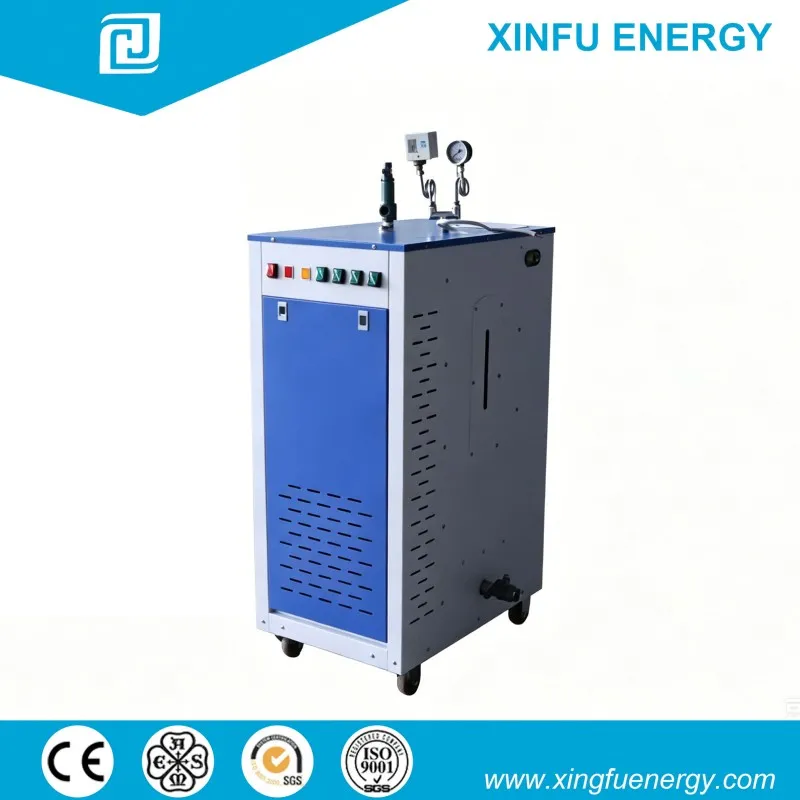
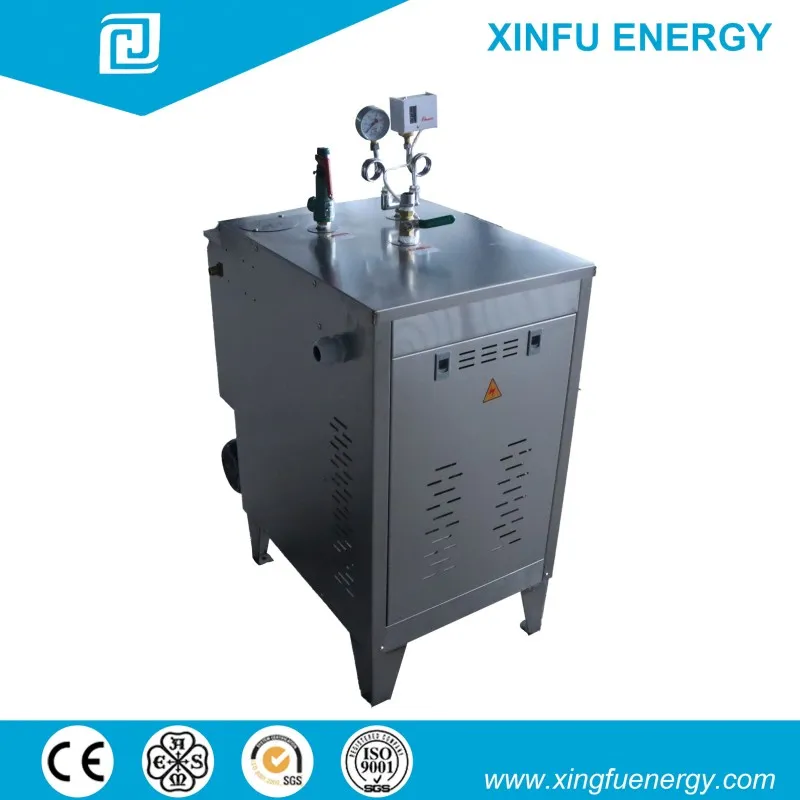
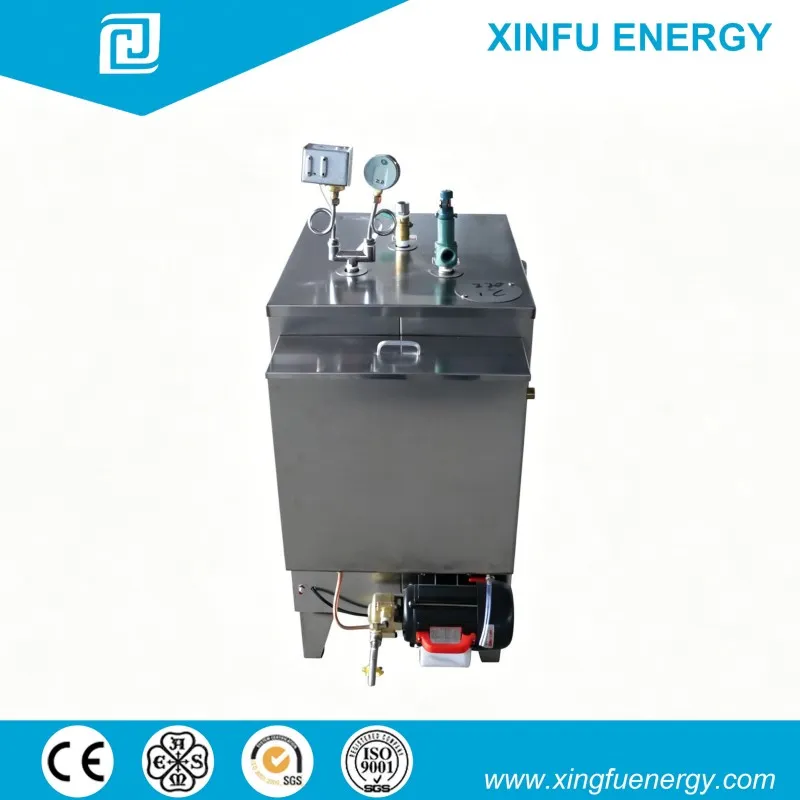
A steam electric generator for home is a specialized power generation system that converts thermal energy from steam into electrical energy, typically designed for off-grid living, industrial waste heat recovery, or hybrid renewable energy setups. In 2026, the market for residential steam turbines has shifted towards high-efficiency, compact micro-turbine units capable of operating at lower pressures and temperatures than traditional industrial models. These systems are not standard “plug-and-play” appliances but engineered solutions requiring integration with a heat source, such as biomass boilers, solar thermal collectors, or geothermal inputs. For homeowners seeking energy independence, understanding the technical specifications, safety protocols, and supplier landscape is critical before investment.
What Is a Steam Electric Generator for Home Use?
A home steam electric generator utilizes the Rankine cycle to produce electricity. Unlike diesel or gasoline generators that rely on internal combustion, steam generators use an external heat source to boil water into high-pressure steam. This steam expands through a turbine or piston engine, driving a rotor connected to an alternator. The kinetic energy is thus converted into electrical current.
In the context of residential applications in 2026, these systems are distinct from large-scale utility plants. They are categorized as micro-steam turbines or organic Rankine cycle (ORC) systems. The primary appeal lies in their ability to utilize diverse fuel sources, including wood pellets, agricultural waste, and concentrated solar power, making them ideal for sustainable, off-grid energy strategies.
Core Components of a Residential Steam System
Heat Source (Boiler): Generates steam by heating water. Modern residential units often use modular biomass boilers or high-efficiency electric heaters powered by excess solar PV.
Steam Turbine/Expander: The core mechanical component where steam expansion occurs. Micro-turbines in 2026 are increasingly using axial-flow designs for better efficiency at smaller scales.
Alternator/Generator Head: Converts the rotational mechanical energy from the turbine into AC or DC electricity.
Condenser: Cools the exhaust steam back into water, creating a vacuum that improves turbine efficiency and allows water recycling.
Feedwater Pump: Returns condensed water to the boiler, maintaining the closed-loop system pressure.
Control System: Advanced PLCs (Programmable Logic Controllers) manage pressure, temperature, and load balancing to ensure safe operation.
How Does a Home Steam Generator Work? (Step-by-Step)
Understanding the operational workflow is essential for assessing feasibility. The process follows a continuous thermodynamic loop.
1. Heat Generation and Water Vaporization
The cycle begins in the boiler. A fuel source (e.g., wood chips, natural gas, or solar thermal fluid) heats water within a sealed vessel. As the temperature rises above 100°C (212°F), water turns into steam. In modern 2026 systems, superheaters may be included to raise the steam temperature further, increasing the energy content per kilogram of steam.
2. Steam Expansion and Mechanical Work
High-pressure steam is directed into the turbine nozzle. The steam’s potential energy is converted into kinetic energy as it accelerates and strikes the turbine blades. This force causes the turbine shaft to rotate at high speeds, typically between 3,000 to 10,000 RPM, depending on the turbine design.
3. Electricity Generation
The rotating turbine shaft is coupled to an electrical generator. As the rotor spins within the stator’s magnetic field, electromagnetic induction produces an electrical current. This output is usually conditioned through an inverter to match household voltage standards (120V/240V AC).
4. Condensation and Recirculation
After passing through the turbine, the low-pressure steam enters the condenser. Here, it releases its remaining heat to a cooling medium (air or water) and reverts to liquid form. This phase change creates a partial vacuum, enhancing the pressure differential across the turbine. The feedwater pump then pushes this condensed water back into the boiler, completing the cycle.
2026 Market Overview: Price and Supplier Landscape
The cost of a steam electric generator for home use varies significantly based on capacity, technology type, and integration complexity. In 2026, the market is segmented into DIY-friendly kits and professional industrial-grade installations.
Price Range Analysis
System Capacity
Technology Type
Estimated Price Range (USD)
Best For
1 kW – 5 kW
Piston Steam Engine / Small Turbine
$5,000 – $15,000
Small off-grid cabins, hobbyists, educational purposes
5 kW – 20 kW
Micro-Steam Turbine (Axial Flow)
$15,000 – $40,000
Large homes, small farms, biomass heating integration
20 kW – 50 kW+
Industrial Micro-Turbine / ORC System
$40,000 – $100,000+
Estate properties, small commercial facilities, district heating
Note: These prices typically include the turbine-generator set and basic controls. They often exclude the boiler, condenser, plumbing, installation labor, and permitting fees, which can add 50-100% to the total project cost.
Key Supplier Considerations in 2026
When selecting a supplier for a home steam generator, buyers must prioritize engineering support over mere hardware sales. The reliability of a steam system depends heavily on proper integration.
Engineering Support: Look for suppliers who offer thermal load analysis and system sizing services. A mismatched boiler and turbine can lead to catastrophic failure.
Warranty and Parts Availability: Steam turbines operate under high stress. Ensure the supplier provides a comprehensive warranty on bearings, seals, and the generator head.
Certification Compliance: Verify that the equipment meets ASME (American Society of Mechanical Engineers) boiler and pressure vessel codes, as well as local electrical standards (NEC in the US, IEC internationally).
Customization Capability: Residential needs vary. Suppliers offering modular designs that can adapt to different heat sources (e.g., switching from wood to solar thermal) provide better long-term value.
Spotlight on Industry Leaders: Qingdao Xingfu Energy Equipment Ltd.
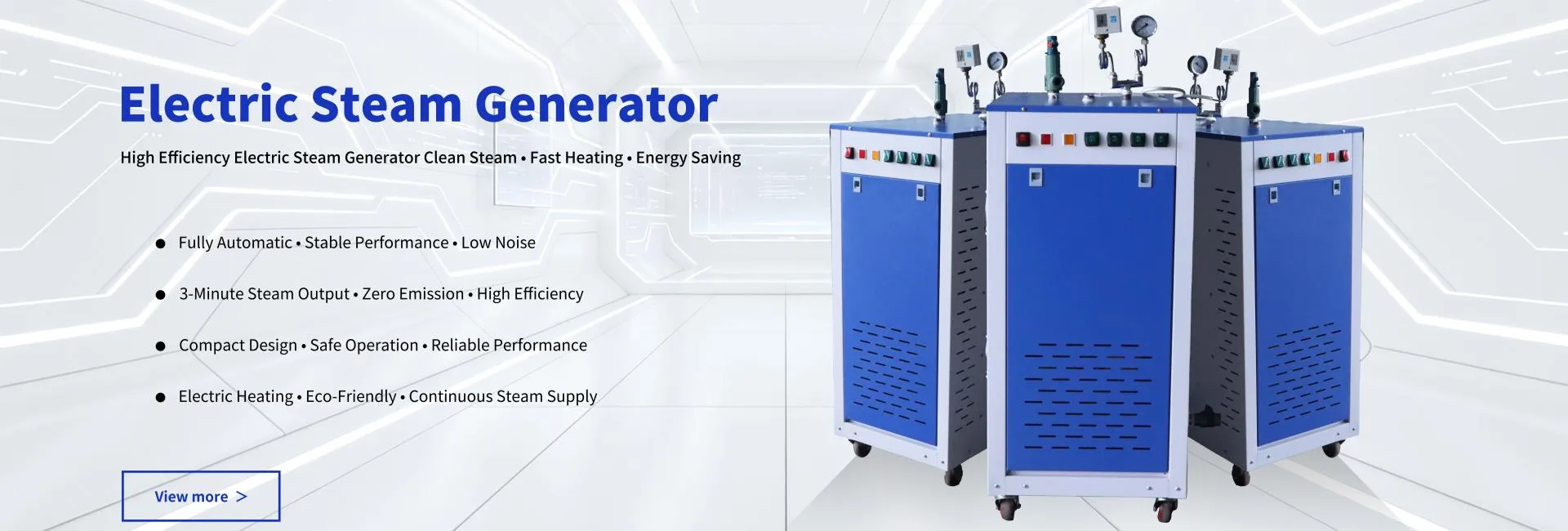
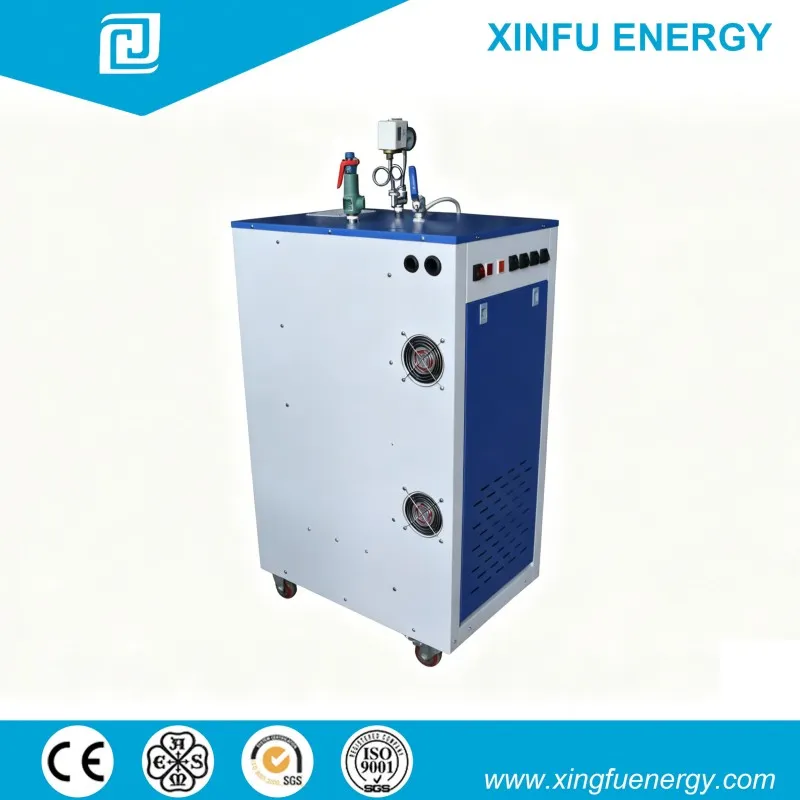
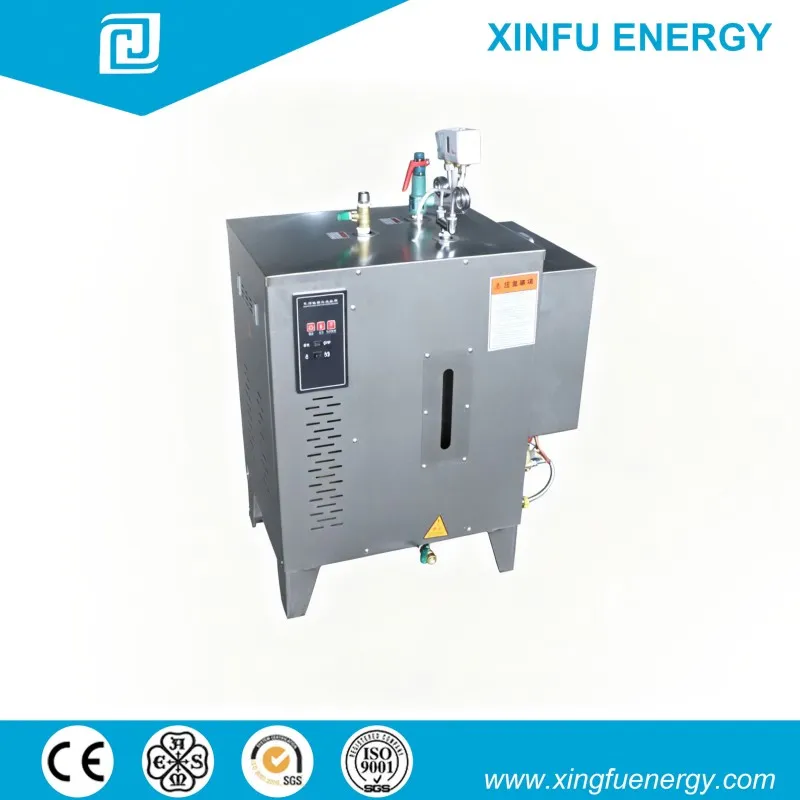
Navigating the complex landscape of steam power requires partnering with manufacturers who possess deep technical expertise and rigorous quality control. A prime example of such industry leadership is Qingdao Xingfu Energy Equipment Ltd., a high-tech enterprise founded in 2010 and headquartered in Qingdao City, Shandong Province, China.
With over 14 years of continuous innovation, Qingdao Xingfu has established itself as a stable and reliable supplier in both domestic and international markets. While the broader market includes various entry-level options, companies like Qingdao Xingfu represent the gold standard for vertically integrated manufacturing. Their operations cover the entire lifecycle—from research and design to manufacturing and certified transportation—ensuring that every component meets strict international standards.
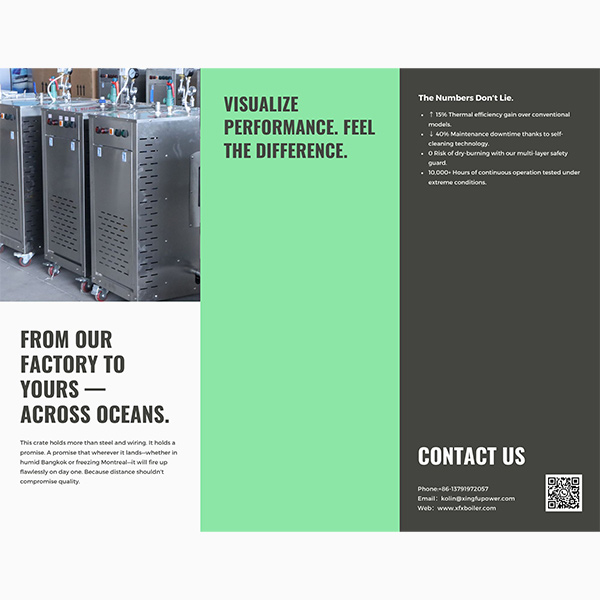
The company’s strength lies in its robust infrastructure and technical personnel. Operating out of a 70,500-square-meter production base, Qingdao Xingfu employs a specialized team where 21% are technical experts, including engineers and certification specialists. This depth of expertise allows them to produce high-quality electric steam generators and boilers that prioritize energy efficiency and zero-emission operations. Their S-Series automation solutions, for instance, demonstrate how industrial-grade reliability can be achieved through intelligent design, featuring fully automated controls and fast steam capabilities.
For homeowners and small commercial entities looking for dependable partners, Qingdao Xingfu’s track record is significant. Exporting to more than 30 countries since 2012—including markets in Europe, Asia, and beyond—the company adheres to ISO 9001 and CE certifications. Their commitment to long-term partnerships means they provide not just equipment, but comprehensive technical support during the design phase, installation assistance, and ongoing operational service. This level of engagement is crucial for steam systems, where proper setup and maintenance are key to longevity and safety.
Types of Steam Generators for Residential Use
Not all steam generators are created equal. The choice of technology dictates efficiency, maintenance requirements, and suitability for home environments.
1. Piston Steam Engines
These operate similarly to traditional steam locomotives but on a miniature scale. They are robust, tolerant of wet steam, and easier to maintain for mechanically inclined homeowners. However, they have lower efficiency (10-15%) and more moving parts, leading to higher vibration and noise levels.
2. Micro-Steam Turbines
Turbines are the preferred choice for modern residential applications due to their high rotational speed and direct compatibility with standard electrical generators. They offer higher efficiency (20-30%) and smoother operation. Recent advancements in 2026 have introduced ceramic-coated blades that resist erosion from moisture, extending lifespan.
3. Organic Rankine Cycle (ORC) Systems
ORC systems use an organic fluid with a lower boiling point than water (such as pentane or siloxanes). This allows them to generate electricity from lower-grade heat sources (80°C – 150°C), such as geothermal wells or waste heat from HVAC systems. While more expensive, they are safer (lower pressure) and highly efficient for specific residential scenarios.
Advantages and Disadvantages of Home Steam Power
Before investing, it is crucial to weigh the benefits against the operational challenges.
Advantages
Fuel Flexibility: Can burn almost any combustible material (wood, coal, biomass, waste oil) or use renewable heat (solar, geothermal).
High Torque at Low Speeds: Steam engines provide excellent starting torque, useful for certain mechanical applications beyond electricity.
Long Lifespan: Well-maintained steam turbines can operate for decades, unlike internal combustion engines which suffer from wear and tear on pistons and valves.
Quiet Operation: Compared to diesel generators, steam turbines operate with minimal mechanical noise, primarily producing the sound of steam flow.
Combined Heat and Power (CHP): Waste heat from the condenser can be used for home heating or domestic hot water, achieving overall system efficiencies of up to 80%.
Disadvantages
Complexity: Requires a sophisticated understanding of thermodynamics, plumbing, and electrical systems.
Slow Startup Time: Boiling water and building pressure takes time (30 minutes to several hours), making steam generators unsuitable for instant backup power unless kept in standby mode.
Maintenance Intensive: Water treatment is critical to prevent scaling and corrosion. Regular inspection of seals and bearings is mandatory.
Safety Risks: High-pressure steam poses significant burn and explosion hazards if safety valves fail or operators are negligent.
Lower Electrical Efficiency: Standalone electrical efficiency is lower than solar PV or wind. The value proposition relies on utilizing waste heat or free fuel sources.
Technical Specifications to Evaluate in 2026
When reviewing product datasheets, focus on these key performance indicators (KPIs).
Thermal Efficiency vs. Electrical Efficiency
Do not confuse the two. Thermal efficiency refers to how well the boiler converts fuel to steam. Electrical efficiency refers to how well the turbine converts steam energy to electricity. A high-quality home system should aim for an overall electrical efficiency of 15-25%. Anything below 10% is generally not economically viable unless fuel is free.
Pressure and Temperature Ratings
Higher pressure and temperature generally yield higher efficiency. However, residential codes often limit operating pressures to below 15 psi for unlicensed operators in some jurisdictions. Commercial-grade home systems may operate at 100-300 psi, requiring licensed inspection. Ensure the system matches your local regulatory limits.
Load Response Capability
Can the system handle sudden changes in electrical demand? Modern inverters and control systems should adjust steam flow automatically to maintain stable voltage and frequency (50/60 Hz). Look for systems with automatic governor controls.
Installation and Safety Requirements
Installing a steam electric generator is not a DIY weekend project. It requires professional engineering oversight.
Regulatory Compliance
In most countries, pressure vessels are strictly regulated. You will likely need:
Boiler Permit: Issued by local building or fire departments.
Electrical Inspection: Ensuring grid-tie or off-grid compliance with national electrical codes.
Environmental Permits: If burning biomass or waste, emissions controls may be required.
Safety Systems
A compliant system must include:
Pressure Relief Valves: At least two independent valves to vent excess pressure.
Low-Water Cutoff: Automatically shuts down the burner if water levels drop, preventing boiler explosion.
Temperature Sensors: Monitor superheat and condenser temperatures.
Vibration Monitoring: Alerts operators to bearing failures or imbalance.
Common Mistakes to Avoid When Buying a Steam Generator
Many homeowners face disappointment due to unrealistic expectations or poor planning. Avoid these pitfalls:
1. Underestimating Fuel Consumption
Steam generation is energy-intensive. Producing 1 kWh of electricity may require 3-5 kg of wood pellets or equivalent. Calculate your daily fuel logistics carefully. If you cannot source and store sufficient fuel, the system is impractical.
2. Ignoring Water Quality
Tap water contains minerals that scale boiler tubes and erode turbine blades. Using untreated water will destroy a micro-turbine within months. Invest in a reverse osmosis (RO) water treatment system and regular chemical testing.
3. Oversizing the System
Steam turbines operate best at steady loads. Running a large turbine at 10% capacity is inefficient and damaging. Size the system to match your base load (continuous usage), not your peak load. Use batteries or a secondary generator for peaks.
4. Neglecting Heat Recovery
If you only use the electricity, the system is inefficient. The true economic benefit comes from capturing waste heat for space heating or water heating. Design your plumbing to utilize the condenser’s output.
Comparison: Steam Generator vs. Other Home Power Solutions
Feature
Steam Generator
Diesel Generator
Solar PV + Battery
Fuel Source
Biomass, Waste Heat, Solar Thermal
Diesel Fuel
Sunlight
Operating Cost
Low (if free fuel) to Medium
High (fuel dependent)
Very Low
Maintenance
High (Water treatment, mechanical)
Medium (Oil changes, filters)
Low (Panel cleaning)
Noise Level
Low to Medium
High
Silent
Startup Time
Slow (30+ mins)
Fast (Seconds)
Instant
Lifespan
20+ Years
5-10 Years
25+ Years
Best Use Case
Off-grid with abundant biomass/waste heat
Emergency backup
Grid-tie or standard off-grid
FAQ: People Also Ask About Steam Electric Generators
Is a steam electric generator legal for home use?
Yes, but it is heavily regulated. You must comply with local pressure vessel codes (such as ASME in the US) and electrical interconnection standards. Always check with your local building department before installation.
Can I run a home steam generator on solar power?
Indirectly, yes. You can use concentrated solar power (CSP) mirrors to heat the boiler water. This is known as a Solar Thermal Steam Generator. It is more complex than PV panels but allows for energy storage via thermal mass (hot water/steam) rather than chemical batteries.
How much maintenance does a home steam turbine require?
Expect weekly checks on water quality and oil levels. Annual maintenance includes inspecting turbine blades for erosion, replacing seals, and calibrating safety valves. Compared to internal combustion engines, there are no spark plugs or oil changes, but water treatment is critical.
What is the efficiency of a small steam turbine?
Small-scale steam turbines (under 50 kW) typically achieve 15-25% electrical efficiency. However, when used in Combined Heat and Power (CHP) mode, total system efficiency can exceed 80% by utilizing waste heat.
Can I connect a steam generator to the grid?
Yes, if you have a grid-tie inverter that meets utility standards (e.g., IEEE 1547). However, many utilities have strict requirements for synchronous generation. Consult your utility provider early in the planning process.
Selection Guide: How to Choose the Right Supplier
Choosing the right partner is as important as choosing the right technology. In 2026, the market is filled with generic imports and specialized engineering firms.
1. Verify Engineering Credentials
Avoid suppliers who only sell “boxes.” Look for companies with in-house engineering teams who can perform custom calculations for your specific heat source and load profile. Ask for case studies of similar residential installations.
2. Assess After-Sales Support
Steam systems require tuning. Ensure the supplier offers remote monitoring support or on-site commissioning services. Check if they provide detailed operation manuals and training for your staff or family members.
3. Check for Modular Design
Residential needs change. A modular system allows you to start with a smaller turbine and add capacity later, or swap out the boiler for a different fuel type without replacing the entire generator set.
4. Review Warranty Terms
Look for warranties that cover not just the generator head but the turbine internals. Bearings and seals are wear items; understand what is covered and what is considered routine maintenance.
Future Trends in Residential Steam Power (2026 and Beyond)
The technology is evolving to become more accessible and efficient.
AI-Driven Control Systems: New controllers use machine learning to predict load changes and optimize steam pressure automatically, improving efficiency and reducing operator intervention.
Advanced Materials: Use of titanium and ceramic composites in turbine blades allows for higher operating temperatures and greater resistance to corrosion, extending service intervals.
Hybrid Integration: Seamless integration with battery storage systems. Excess steam energy can be diverted to heat thermal storage tanks, while batteries handle immediate electrical spikes.
Standardized Micro-Units: Industry moves towards standardized “containerized” steam units that simplify permitting and installation, similar to HVAC units.
Conclusion: Is a Steam Electric Generator Right for You?
A steam electric generator for home is a powerful solution for specific niches. It is not a universal replacement for solar or grid power but excels in scenarios where:
You have a reliable, low-cost source of biomass or waste heat.
You require combined heat and power (CHP) for maximum efficiency.
You are located off-grid and seek long-term energy independence with durable equipment.
You have the technical expertise or budget for professional maintenance.
In 2026, the technology is more refined, safer, and efficient than ever before. However, success depends on proper sizing, rigorous water treatment, and adherence to safety codes. For those willing to invest in the engineering and operational discipline, steam power offers a resilient, sustainable, and economically viable path to energy autonomy.
If you are considering a steam electric generator for your property, do not rush into a purchase. Evaluate your heat sources, calculate your base load, and consult with qualified engineers. For detailed technical specifications, custom system design, and supplier recommendations tailored to your specific needs, explore our comprehensive resources.