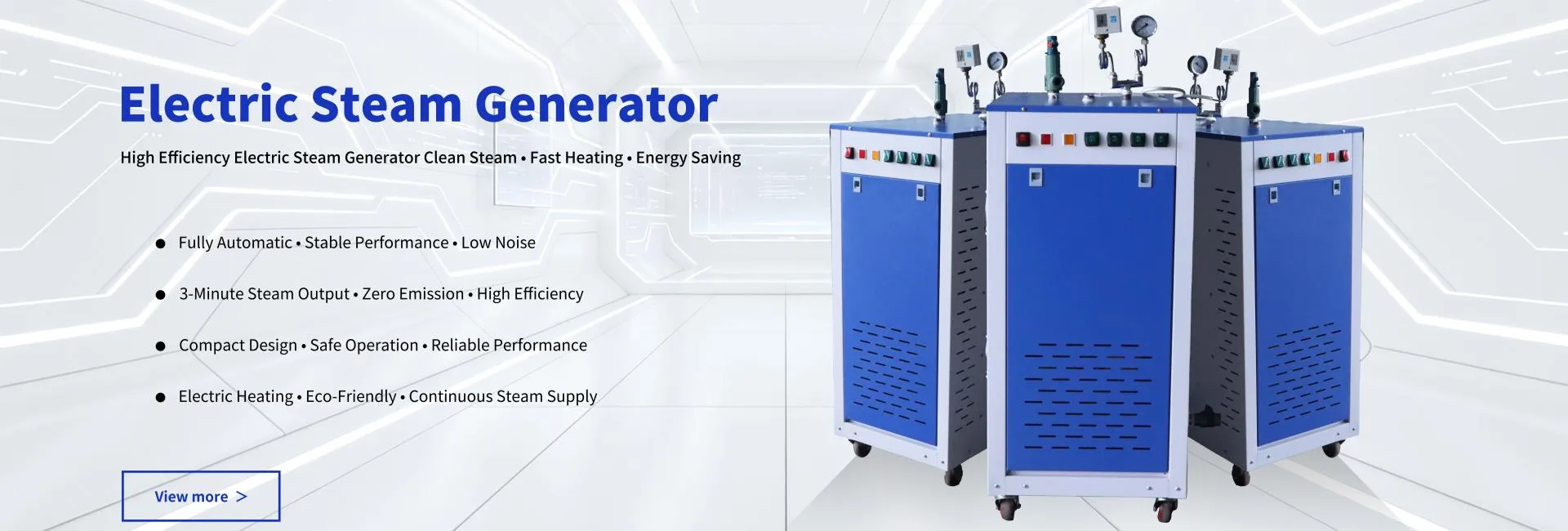
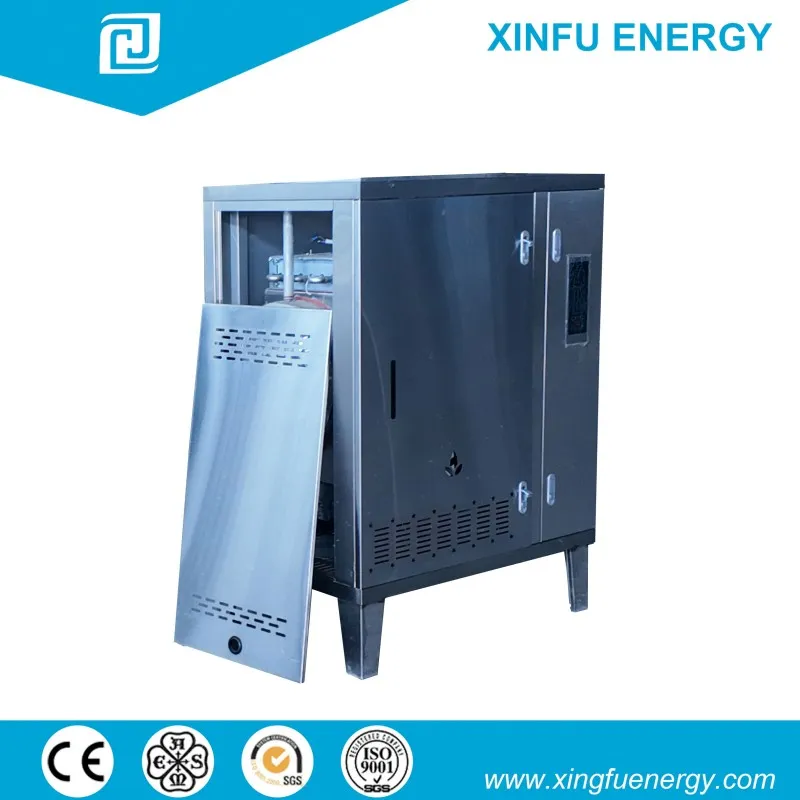
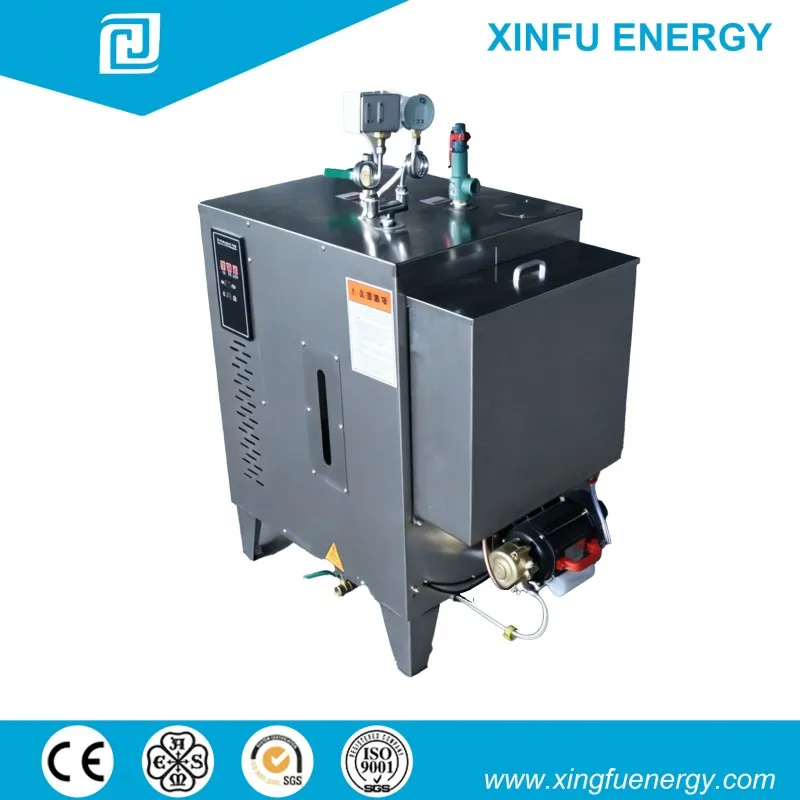
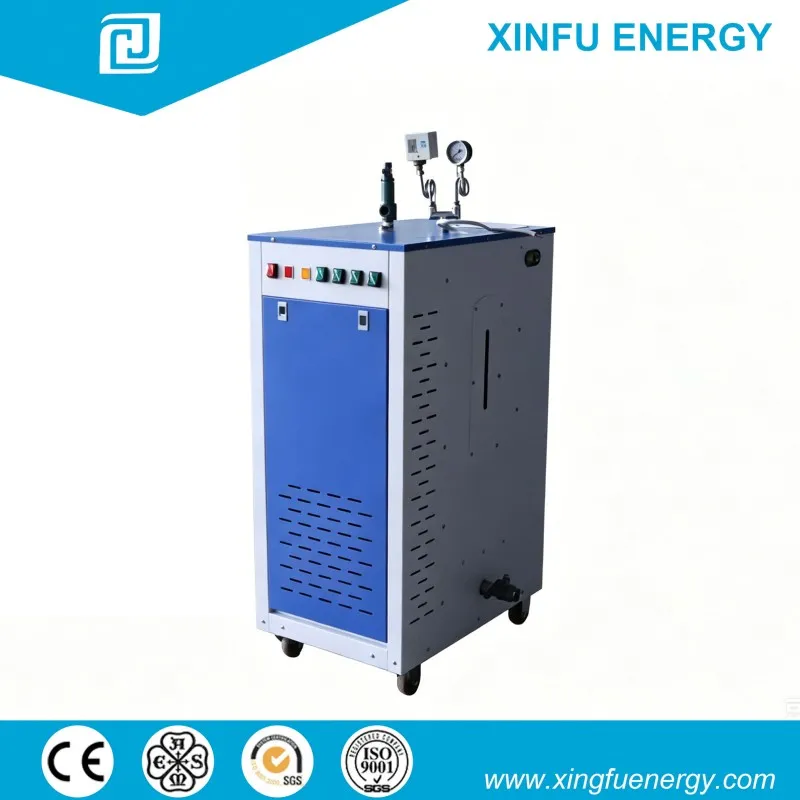
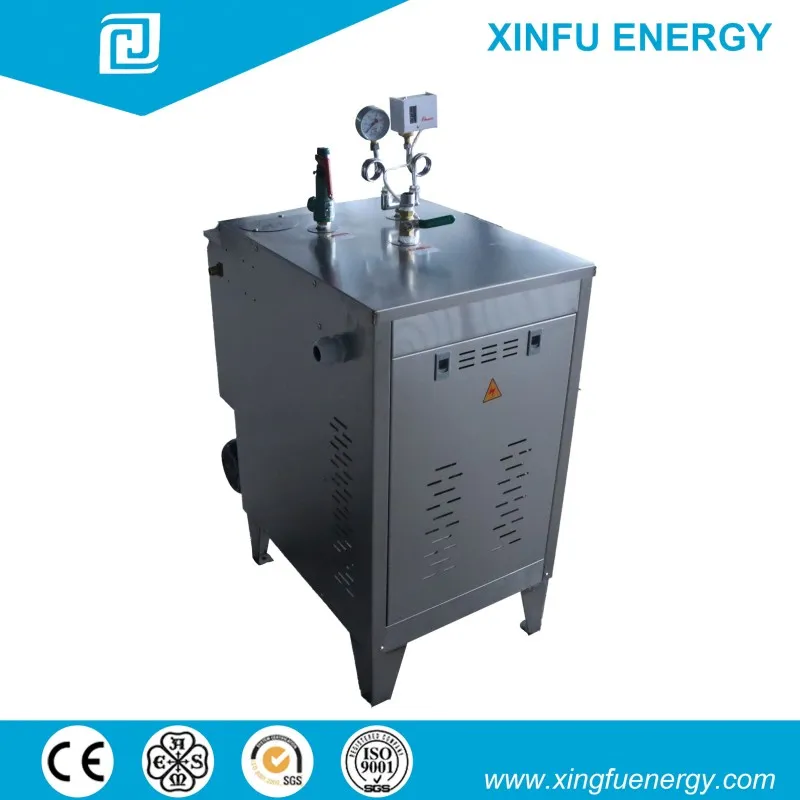
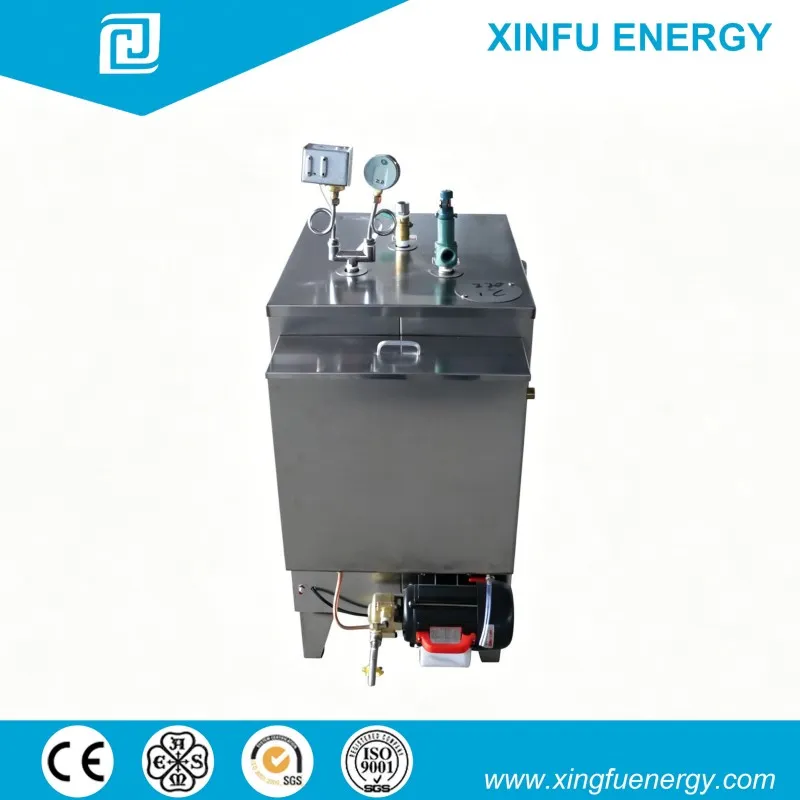
An Electric Steam Boiler Generator is an industrial heating system that converts electrical energy directly into thermal energy to produce high-pressure or low-pressure steam. Unlike fossil-fuel counterparts, these units utilize submerged electrode technology or resistance heating elements, achieving nearly 100% energy conversion efficiency with zero onsite emissions. In 2026, they are the preferred solution for industries requiring precise temperature control, compact footprints, and compliance with strict environmental regulations.
What Is an Electric Steam Boiler Generator?
An electric steam boiler generator is a pressure vessel designed to generate steam using electricity as the primary energy source. The core mechanism involves passing an electric current through water or heating elements submerged in water. This process raises the water temperature until it reaches its boiling point, transforming it into steam.
In industrial settings, these generators are critical for processes requiring clean, dry, and consistent steam. Because there is no combustion process, there are no flue gases, ash, or soot. This makes the output steam exceptionally pure, which is vital for sectors like pharmaceuticals, food processing, and healthcare sterilization.
The term “generator” often implies a self-contained unit that includes the pressure vessel, heating elements or electrodes, control panel, feedwater system, and safety valves. These systems are engineered for rapid startup times, often reaching full operating pressure within minutes, compared to the hours required by traditional coal or oil-fired boilers.
Core Components and Engineering Logic
Understanding the internal architecture is essential for proper selection and maintenance. The main components include:
Pressure Vessel: Constructed from high-grade carbon steel or stainless steel, designed to withstand specific pressure ratings (e.g., 10 bar, 15 bar, or higher).
Heating Mechanism: Either resistance heating elements (metal sheaths) or electrode plates (where water acts as the resistor).
Control System: A PLC-based interface that modulates power input based on steam demand, ensuring energy efficiency and stable pressure.
Feedwater Pump: Supplies treated water to maintain the water level and replace converted steam.
Safety Valves: Critical devices that release excess pressure to prevent catastrophic failure.
The engineering logic prioritizes safety and efficiency. For instance, modern units use variable frequency drives (VFDs) to adjust the power supply smoothly, reducing thermal shock on the vessel and extending the equipment’s lifespan.
How Does an Electric Steam Boiler Work?
The operational principle of an electric steam boiler differs significantly from fuel-fired systems. There are two primary technologies used in 2026: Resistance Heating and Electrode Boilers. Understanding the difference is crucial for selecting the right capacity and application.
1. Resistance Heating Technology
Resistance boilers operate similarly to a large-scale electric kettle. Metal heating elements, typically made of Incoloy or Stainless Steel, are immersed in the water. When an electric current passes through these elements, their electrical resistance generates heat. This heat is transferred directly to the surrounding water.
This method is ideal for smaller to medium capacities (up to 2-3 tons/hour). The advantages include simplicity and lower initial costs. However, scaling on the elements can reduce efficiency over time, requiring regular maintenance and water treatment.
2. Electrode Boiler Technology
Electrode boilers are designed for high-capacity industrial applications. In this system, the water itself acts as the electrical conductor. High-voltage electricity is passed directly through the water between submerged electrodes. The resistance of the water generates heat instantly.
Key characteristics of electrode boilers include:
High Voltage Operation: They can operate at medium voltage (e.g., 6.6 kV, 11 kV, or 33 kV), eliminating the need for expensive step-down transformers.
Scalability: Capacity is adjusted by changing the water level or the number of active electrodes.
No Scaling on Elements: Since there are no metal heating elements, scaling issues are minimized, though water conductivity must be strictly controlled.
For facilities requiring 10 tons/hour or more, electrode technology is often the superior choice due to its compact size relative to output and ability to handle high electrical loads efficiently.
Step-by-Step Operational Cycle
Regardless of the heating technology, the general operational cycle follows these steps:
Water Intake: Treated demineralized water is pumped into the boiler vessel to a pre-set level.
Power Activation: The control system activates the contactors, allowing electricity to flow to the heating elements or electrodes.
Heat Generation: Electrical energy is converted to thermal energy, raising the water temperature.
Steam Formation: As water boils, steam rises to the top of the vessel. The pressure increases as more steam is generated.
Steam Output: When the pressure reaches the set point, the main steam valve opens, delivering steam to the process application.
Modulation: Sensors monitor pressure and water levels. The PLC adjusts power input or feedwater rates to maintain stability.
2026 Industrial Price Guide & Cost Analysis
Pricing for electric steam boiler generators in 2026 varies based on capacity, voltage requirements, material quality, and automation levels. Unlike fuel-fired boilers, the upfront cost is often lower due to the absence of complex combustion chambers, fuel storage tanks, and exhaust gas cleaning systems. However, the operational cost depends heavily on local electricity rates.
Estimated Price Ranges by Capacity
The following table provides indicative market pricing for standard industrial models. Note that these prices exclude installation, electrical infrastructure upgrades, and water treatment systems.
Capacity (kg/h)
Power Rating (kW)
Estimated Unit Price (USD)
Primary Application
50 – 100 kg/h
36 – 72 kW
$8,000 – $15,000
Laboratories, Small Kitchens
200 – 500 kg/h
144 – 360 kW
$18,000 – $35,000
Food Processing, Laundries
1 Ton (1000 kg/h)
720 kW
$40,000 – $60,000
General Manufacturing, Sterilization
2 – 5 Tons/h
1.4 MW – 3.5 MW
$70,000 – $150,000
Chemical Processing, Large Hospitals
10+ Tons/h
7 MW+
$200,000+
Heavy Industry, District Heating
Factors Influencing Final Cost
Several variables can shift the final investment cost:
Voltage Configuration: High-voltage electrode boilers require specialized switchgear and safety interlocks, increasing the initial price but reducing long-term electrical losses.
Material Grade: Stainless steel vessels (e.g., 304 or 316L) cost more than carbon steel but are mandatory for pharmaceutical and food-grade applications to prevent corrosion and contamination.
Automation Level: Advanced PLC systems with remote monitoring, IoT connectivity, and predictive maintenance algorithms add to the cost but reduce operational downtime.
Certifications: Units certified to ASME, PED, or IBR standards may carry a premium due to rigorous testing and documentation requirements.
Operational Cost Comparison: Electric vs. Gas
While electric boilers have lower maintenance costs, the cost of electricity per BTU is generally higher than natural gas in many regions. However, when factoring in the total cost of ownership (TCO), electric boilers can be competitive due to:
Zero Fuel Storage Costs: No need for gas lines, oil tanks, or biomass storage.
Lower Maintenance: No annual combustion tuning, chimney cleaning, or burner repairs.
Efficiency: Electric boilers operate at 98-99% efficiency, whereas gas boilers typically range from 80-90% after accounting for stack losses.
Carbon Taxes: In jurisdictions with high carbon taxes or cap-and-trade systems, the zero-emission nature of electric boilers offers significant financial savings.
Key Technical Specifications for 2026 Models
When evaluating an electric steam boiler generator, technical specifications determine compatibility with your facility’s infrastructure and process requirements. In 2026, manufacturers focus on modularity, digital integration, and energy density.
Pressure and Temperature Ratings
Standard industrial models typically offer pressure ratings between 7 bar (100 psi) and 15 bar (217 psi). Higher pressures allow for higher steam temperatures, which is critical for certain chemical reactions or sterilization cycles. For example, saturated steam at 10 bar has a temperature of approximately 184°C, while at 15 bar, it reaches 200°C.
Electrical Requirements
Power supply compatibility is the most critical constraint. Small units operate on standard 3-phase 400V/480V supplies. Larger units require medium voltage connections (3.3 kV, 6.6 kV, 11 kV, or 33 kV). It is essential to verify the available transformer capacity at your site before purchasing. A 1-ton boiler requires roughly 720 kW of continuous power, which is a significant load for most industrial facilities.
Efficiency and Modulation
Modern electric boilers feature high modulation ranges, often from 10% to 100%. This means the boiler can adjust its power output precisely to match steam demand, avoiding the energy waste associated with cycling on and off. Look for units with thyristor or SCR (Silicon Controlled Rectifier) power control, which provides smooth, stepless regulation compared to traditional contactor-based step control.
Physical Footprint
One of the major advantages of electric steam generators is their compact size. Without the need for burners, fuel lines, or exhaust stacks, the footprint is often 50-70% smaller than equivalent gas-fired boilers. This allows for installation in confined spaces, indoors, or even on upper floors of buildings, provided the structural load capacity is sufficient.
Advantages and Disadvantages Analysis
Making an informed decision requires a balanced view of the pros and cons. While electric steam boilers are technologically advanced, they are not suitable for every scenario.
Advantages
Environmental Compliance: Zero onsite emissions (NOx, SOx, CO2) make them ideal for green buildings and strict environmental zones.
Safety: No risk of fuel leaks, explosions, or carbon monoxide poisoning. No open flame.
Quiet Operation: Without combustion fans and burners, noise levels are significantly lower, improving workplace conditions.
Low Maintenance: Fewer moving parts mean less wear and tear. No annual combustion inspections are required.
Fast Startup: Steam can be generated in minutes, allowing for on-demand usage and reduced standby losses.
Precise Control: Digital controls allow for exact pressure and temperature regulation, enhancing product quality in sensitive processes.
Disadvantages
High Electricity Costs: In regions with expensive electricity, operational costs can exceed those of natural gas or biomass.
Grid Dependency: Reliance on the electrical grid means that power outages stop steam production immediately. Backup generators are usually not powerful enough to support large electric boilers.
Infrastructure Upgrades: Installing high-capacity units may require costly upgrades to the facility’s electrical service and transformers.
Water Quality Sensitivity: Electric boilers, especially electrode types, require high-purity demineralized water to prevent conductivity issues and scaling.
Industrial Applications and Use Cases
Electric steam boiler generators are versatile and serve a wide range of industries. Their adoption is driven by the need for cleanliness, precision, and regulatory compliance.
1. Food and Beverage Industry
In food processing, steam is used for cooking, blanching, pasteurization, and sterilization. Electric boilers provide clean steam without the risk of fuel contamination. This is crucial for maintaining hygiene standards such as HACCP and ISO 22000. Examples include steam injection for direct heating of sauces, sterilizing packaging materials, and cleaning-in-place (CIP) systems.
2. Pharmaceutical and Healthcare
Hospitals and pharmaceutical plants require pure steam for sterilizing surgical instruments, laboratory equipment, and manufacturing vessels. Electric boilers are the gold standard here because they do not introduce combustion byproducts into the steam. They are often paired with pure steam generators to meet USP <1231> water for injection standards.
3. Chemical and Petrochemical Processing
Chemical reactions often require precise temperature control via steam jackets or coils. Electric boilers offer the responsiveness needed to maintain tight temperature tolerances, ensuring reaction consistency and safety. Additionally, in hazardous areas where flammable gases are present, electric boilers eliminate the ignition risk associated with open flames.
4. Textile and Laundry Services
Industrial laundries and textile finishing plants use large amounts of steam for pressing, drying, and dyeing. The compact size of electric boilers allows them to be installed close to the point of use, reducing heat loss in distribution pipes. The rapid startup capability enables energy savings by turning the boiler off during idle periods.
5. Green Building and District Heating
As cities move towards decarbonization, electric boilers are being integrated into district heating networks. When powered by renewable energy sources like wind or solar, they provide a completely carbon-neutral heating solution. They are also used in LEED-certified buildings to reduce the overall carbon footprint of the facility.
Selection Guide: How to Choose the Right Electric Steam Boiler
Selecting the correct electric steam boiler generator involves balancing technical requirements with economic constraints. Follow this structured approach to ensure optimal performance.
Step 1: Determine Steam Demand
Calculate your maximum and average steam consumption in kg/h or lbs/h. Consider peak loads versus base loads. It is often more efficient to install multiple smaller units rather than one large unit. This allows for better modulation and provides redundancy if one unit requires maintenance.
Step 2: Assess Electrical Infrastructure
Verify the available voltage and amperage at your site. Check with your utility provider regarding the cost of industrial electricity rates and any demand charges. If you need a large unit, confirm whether your local substation can handle the additional load without expensive upgrades.
Step 3: Define Water Quality Requirements
Test your feedwater source. Electric boilers require low conductivity water to prevent scaling and electrical shorting. You will likely need a reverse osmosis (RO) or demineralization system. Factor the cost and maintenance of this water treatment plant into your budget.
Step 4: Evaluate Regulatory Constraints
Check local environmental regulations. If you are in a low-emission zone or face high carbon taxes, an electric boiler may offer significant operational savings despite higher energy costs. Ensure the boiler meets local pressure vessel codes (e.g., ASME Section I or IV, PED in Europe).
Step 5: Consider Future Scalability
Choose a manufacturer that offers modular systems. If your production expands, you should be able to add another module easily. Look for controllers that can synchronize multiple boilers automatically, managing load balancing and rotation to extend equipment life.
Industry Spotlight: Qingdao Xingfu Energy Equipment Ltd.
When discussing reliable suppliers in this evolving market, Qingdao Xingfu Energy Equipment Ltd. stands out as a prominent high-tech manufacturer. Founded in 2010 and headquartered in Qingdao, China, the company has established itself as a key player in the global energy equipment sector over the last 14 years.
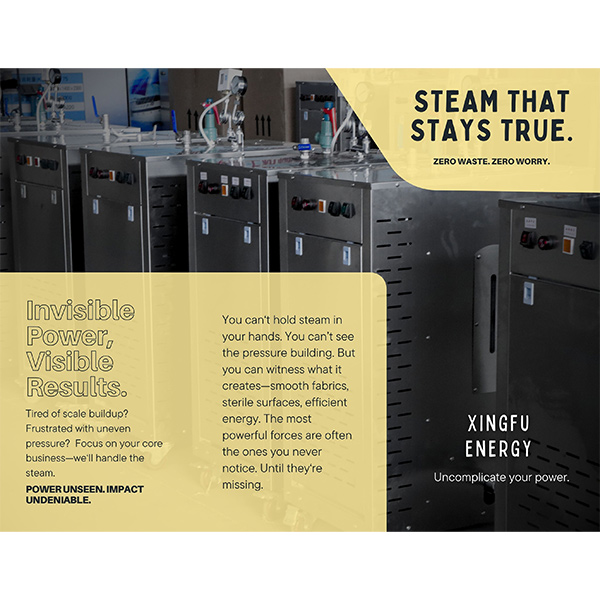
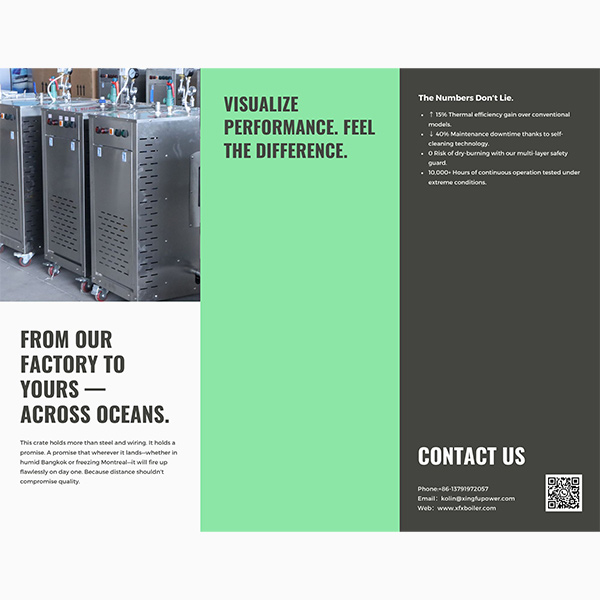
Xingfu Energy specializes in the research, design, and manufacturing of industrial boilers, with a particular focus on electric steam generators. Their product lineup includes the compact S-Series automation solutions, featuring fully automated generators and intelligent steam boilers designed for fast steam capabilities. These units are constructed from high-grade stainless steel, ensuring durability and meeting strict environmental safety requirements with zero emissions during operation.
The company’s competitive edge lies in its vertically integrated manufacturing model. Operating from a 70,500-square-meter production base, Xingfu employs a robust team of 228 staff, including 78 technical experts and 65 certified welders. This deep engineering experience allows them to provide complete lifecycle support—from initial design and equipment selection to installation assistance and long-term operational service.
With ISO 9001 and CE certifications, along with Class B boiler and Class 1/2 container manufacturing licenses, Xingfu ensures that all products meet international quality and safety standards. Since beginning exports in 2012, the company has supplied equipment to over 30 countries, including markets in Europe and Asia, building a reputation for transparency, quality responsibility, and sustainable technological development.
Maintenance and Operational Best Practices
While electric boilers are low-maintenance, they are not no-maintenance. Proper care ensures longevity and efficiency.
Water Treatment is Critical
The most common cause of failure in electric boilers is poor water quality. Scaling on heating elements or electrodes reduces heat transfer and can cause overheating. Regularly test water conductivity, hardness, and pH. Implement an automatic blowdown system to remove concentrated impurities from the boiler water.
Regular Inspection of Electrical Connections
High currents can loosen electrical connections over time due to thermal expansion and contraction. Schedule annual thermographic inspections to identify hot spots in the control panel and terminal boxes. Tighten connections as per manufacturer torque specifications.
Safety Valve Testing
Safety valves must be tested regularly to ensure they open at the set pressure. Follow local regulations, which typically require annual certification by a licensed inspector. Never bypass or disable safety interlocks.
Control System Updates
Keep the PLC firmware up to date. Manufacturers often release updates that improve efficiency algorithms or add diagnostic features. Regularly back up control parameters to prevent data loss in case of a system failure.
Frequently Asked Questions (FAQ)
How much does it cost to run an electric steam boiler?
The running cost depends on your local electricity rate and boiler efficiency. To estimate, multiply the boiler’s power rating (kW) by the number of operating hours and your electricity cost per kWh. For example, a 100 kW boiler running for 8 hours at $0.15/kWh costs $120 per day. While higher than gas in some regions, this cost is offset by lower maintenance and no carbon taxes.
Can I use an electric boiler as a backup to my gas boiler?
Yes, hybrid systems are common. An electric boiler can serve as a peak-shaving unit, handling small loads or providing backup during gas supply interruptions. However, ensure your electrical infrastructure can handle the load simultaneously if both are ever needed.
What is the lifespan of an electric steam generator?
With proper maintenance and water treatment, an electric steam boiler can last 15 to 20 years. Heating elements may need replacement every 3-5 years depending on water quality, while electrode plates can last longer if conductivity is well-managed.
Is special training required for operators?
Operators need basic training on boiler controls and safety procedures. However, since there is no combustion, the training is less complex than for fuel-fired boilers. Focus should be on water quality monitoring and electrical safety protocols.
Do electric boilers require a chimney?
No. Since there is no combustion, there are no flue gases. Therefore, no chimney, vent, or exhaust system is required. This simplifies installation and reduces building modification costs.
Conclusion: Is an Electric Steam Boiler Right for Your Business?
In 2026, the Electric Steam Boiler Generator represents a strategic investment for industries prioritizing sustainability, precision, and operational simplicity. While the operational cost structure differs from traditional fossil-fuel systems, the benefits of zero emissions, minimal maintenance, and compact design offer compelling value propositions for specific applications.
This technology is ideally suited for:
Facilities in strict environmental zones where emissions are restricted or taxed.
Industries requiring high-purity steam such as pharmaceuticals, food, and healthcare.
Operations with fluctuating steam demands that benefit from rapid startup and precise modulation.
Sites with limited space or no access to natural gas infrastructure.
Before making a purchase, conduct a thorough Total Cost of Ownership (TCO) analysis that includes electrical infrastructure upgrades, water treatment, and local energy rates. Engaging with a qualified engineer to assess your specific steam profile and electrical capacity is recommended.
To explore detailed specifications, request a customized quote, or discuss integration with your existing systems, contact our technical team today. Our experts are ready to help you design a sustainable and efficient steam solution tailored to your industrial needs.