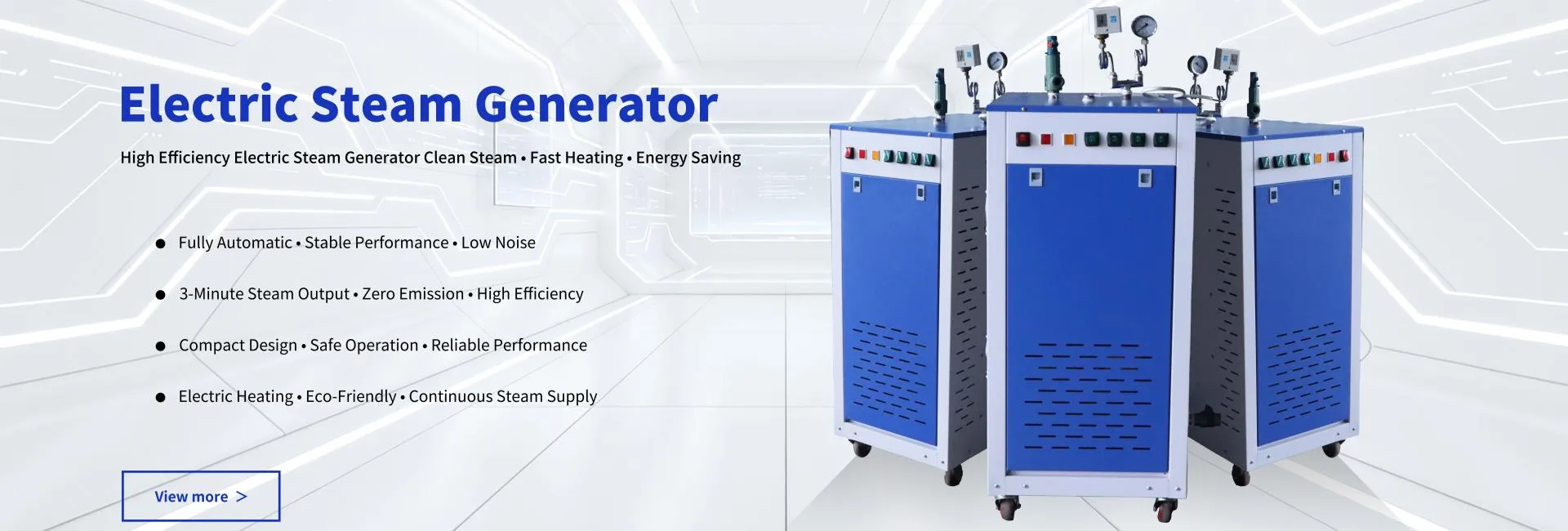
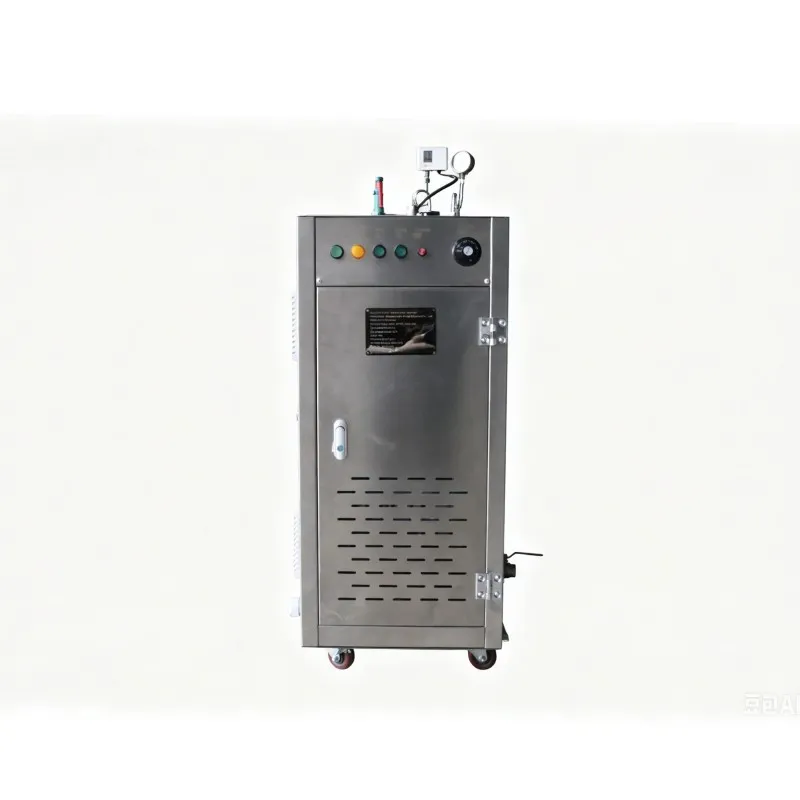
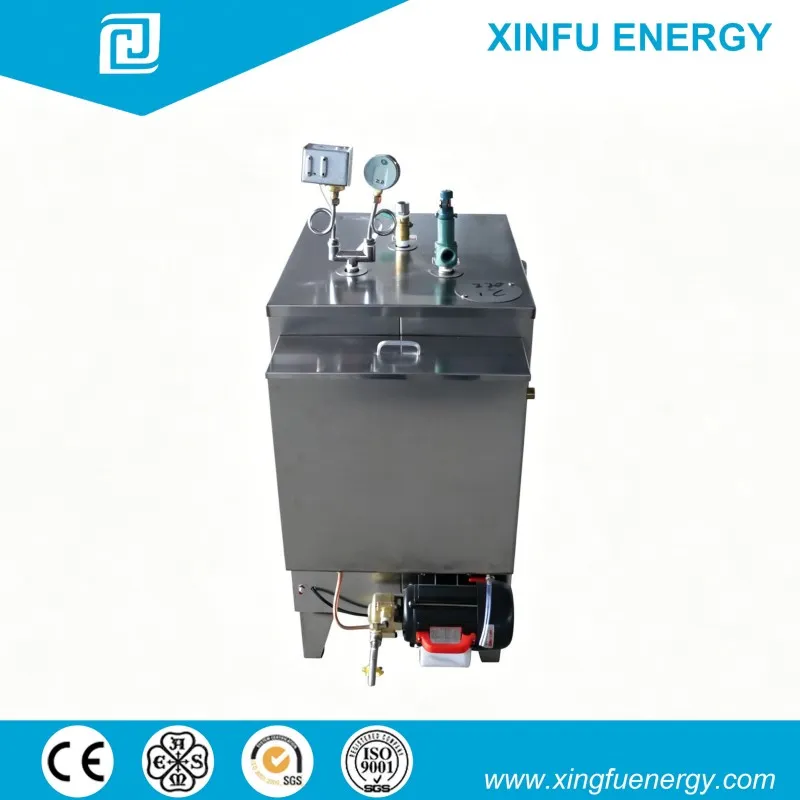
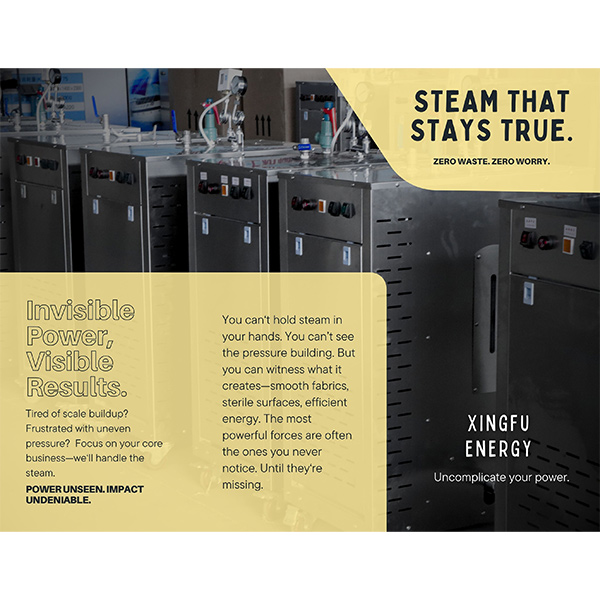
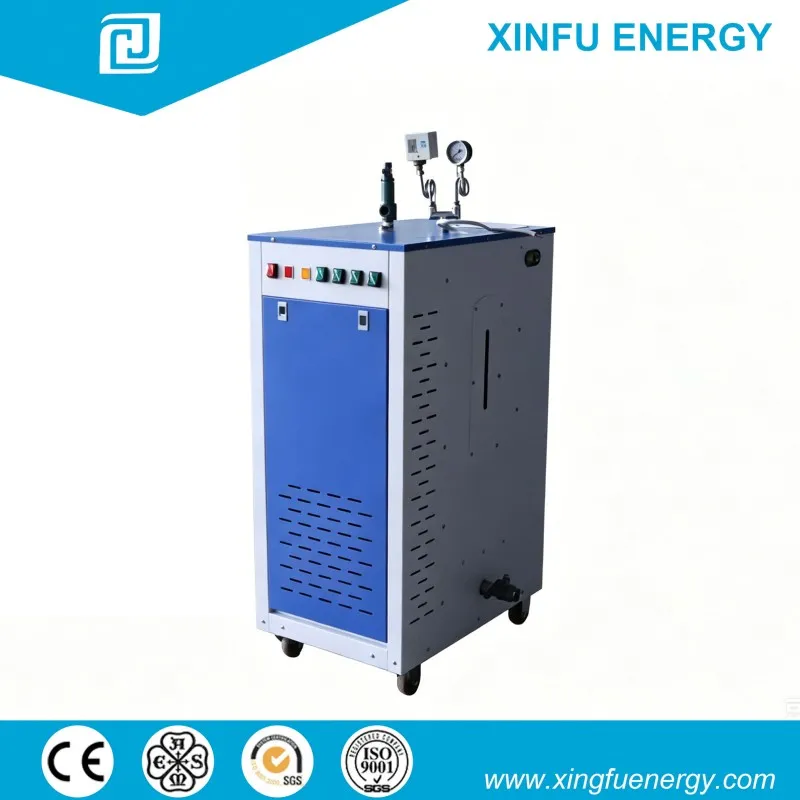
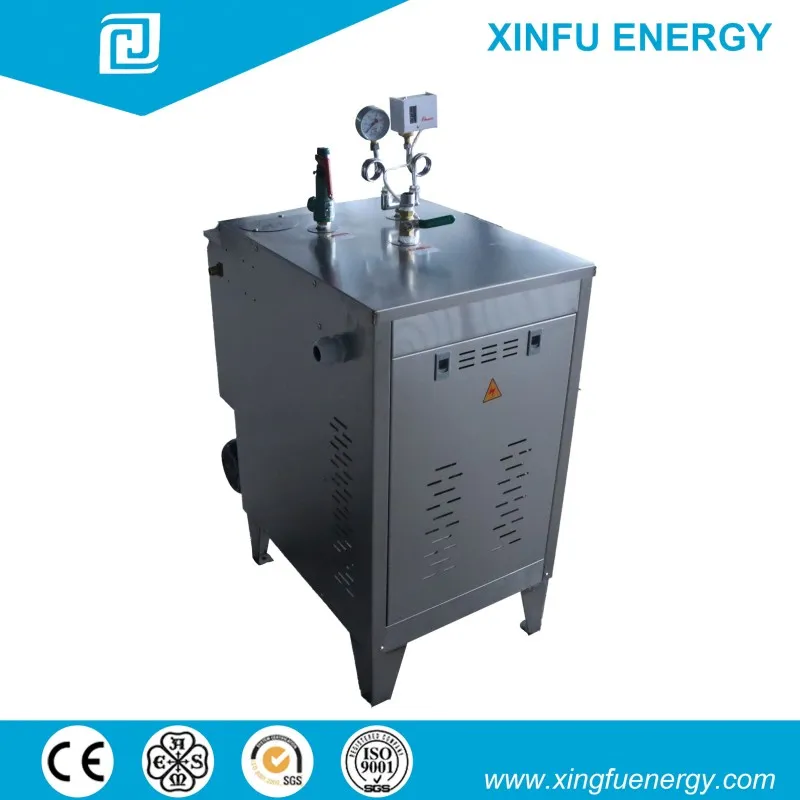
A small industrial steam generator is a compact, high-efficiency boiler system designed to produce saturated or superheated steam for localized industrial processes. Unlike traditional large-scale boilers, these units offer rapid startup times, modular scalability, and precise pressure control, making them ideal for food processing, pharmaceuticals, textile manufacturing, and chemical applications. In 2026, procurement decisions focus heavily on energy efficiency ratings, fuel flexibility (gas, electric, biomass), and compliance with stringent environmental regulations. This guide provides a comprehensive analysis of pricing structures, technical specifications, and manufacturer selection criteria to help engineering managers and procurement officers optimize their steam infrastructure investments.
What Is a Small Industrial Steam Generator?
A small industrial steam generator is a specialized thermal energy device that converts water into steam within a compact footprint, typically ranging from 50 kg/h to 2,000 kg/h in evaporation capacity. These systems are engineered for point-of-use applications, eliminating the need for extensive steam distribution networks that suffer from heat loss and pressure drops.
In modern industrial settings, the term “small” refers not just to physical size but to operational agility. These units utilize advanced heat exchange technologies, such as fire-tube, water-tube, or once-through designs, to achieve thermal efficiencies exceeding 95%. The core function remains consistent: transferring heat from a fuel source to water under controlled pressure conditions to generate process steam.
Key Characteristics Defining Modern Units
Compact Footprint: Designed to fit into constrained mechanical rooms or production lines, often requiring less than 2 square meters of floor space.
Rapid Startup: Capable of reaching operating pressure within 5 to 15 minutes, significantly reducing energy waste during idle periods compared to traditional shell boilers.
Modular Design: Multiple units can be cascaded to match fluctuating steam demand, ensuring optimal efficiency at partial loads.
Low Water Content: Enhanced safety profiles due to minimal water volume, reducing the risk of catastrophic failure and allowing for simpler regulatory compliance in many jurisdictions.
2026 Market Trends and Pricing Analysis for Small Steam Generators
The pricing landscape for small industrial steam generators in 2026 reflects a shift towards sustainability and digital integration. Buyers are no longer evaluating equipment solely on initial capital expenditure (CAPEX) but are increasingly focused on total cost of ownership (TCO), which includes fuel consumption, maintenance intervals, and downtime costs.
Global supply chain stabilization has normalized lead times, but raw material costs for high-grade stainless steel and copper alloys remain volatile. Consequently, manufacturers have adjusted pricing models to reflect material indices. Additionally, the integration of IoT-enabled monitoring systems has become a standard feature rather than an optional extra, influencing baseline prices.
Price Range by Capacity and Fuel Type
The following table outlines the estimated market price ranges for small industrial steam generators in 2026. Note that these figures represent equipment costs only and exclude installation, piping, and commissioning services, which can add 20-40% to the total project cost.
Capacity (kg/h)
Fuel Type
Estimated Price Range (USD)
Primary Applications
50 – 100
Electric
$3,500 – $6,000
Laboratories, small bakeries, humidification
100 – 300
Natural Gas / LPG
$5,500 – $9,500
Food processing, laundries, packaging
300 – 500
Natural Gas / Diesel
$9,000 – $14,000
Textile dyeing, chemical reactors, sterilization
500 – 1,000
Biomass / Gas
$12,000 – $22,000
Agricultural processing, district heating, large-scale cleaning
1,000 – 2,000
Multi-fuel
$20,000 – $35,000+
Heavy industrial processing, power generation support
Factors Influencing 2026 Pricing
Emission Compliance Technology: Units equipped with low-NOx burners and advanced flue gas recirculation systems command a premium due to stricter environmental regulations in Europe and North America.
Material Grade: Generators constructed with 316L stainless steel for corrosion resistance in harsh chemical environments are priced higher than those using carbon steel.
Control System Sophistication: PLC-based controllers with remote monitoring capabilities via SCADA or cloud platforms increase unit cost but offer significant operational savings.
Certification Requirements: ASME, PED, or IBR certified units involve rigorous testing and documentation, contributing to higher manufacturing costs.
Technical Working Principles and Core Components
Understanding the engineering logic behind small industrial steam generators is crucial for proper selection and operation. While designs vary, the fundamental thermodynamic principles remain consistent. The efficiency of steam generation depends on the effectiveness of heat transfer and the minimization of thermal losses.
Heat Exchange Mechanisms
Most small industrial units utilize one of three primary design architectures:
Fire-Tube Design: Hot combustion gases pass through tubes submerged in water. This traditional design is robust and forgiving of water quality variations but has slower response times.
Water-Tube Design: Water circulates inside tubes heated externally by combustion gases. This allows for higher pressures and faster startup times, making it suitable for dynamic process requirements.
Once-Through (Flash) Technology: Water is pumped through a heated coil at high velocity, converting instantly to steam without a storage drum. This design offers the highest efficiency and smallest footprint but requires precise feedwater control.
Essential Components Breakdown
Burner Assembly: The heart of the system, responsible for mixing fuel and air for efficient combustion. Modern burners use variable frequency drives (VFDs) to adjust airflow dynamically, maintaining optimal oxygen levels.
Feedwater Pump: Ensures a consistent supply of treated water to the generator. High-pressure multi-stage centrifugal pumps are standard, often equipped with VFDs to match water input with steam output.
Control Panel: Integrates sensors for pressure, temperature, water level, and flow rate. It executes safety interlocks and modulates burner output to maintain setpoints.
Safety Valves and Interlocks: Critical for preventing over-pressure and dry-firing. These include pressure relief valves, low-water cutoffs, and flame failure devices.
How to Choose the Right Small Industrial Steam Generator
Selecting the appropriate steam generator requires a detailed analysis of process requirements, site constraints, and operational goals. A mismatched unit can lead to excessive energy costs, frequent maintenance issues, or inadequate process performance.
Step 1: Determine Steam Demand Profile
Calculate the maximum and average steam consumption in kilograms per hour (kg/h). Consider peak loads versus base loads. If demand fluctuates significantly, a modular setup with multiple smaller units may be more efficient than a single large unit operating at partial load.
Step 2: Define Pressure and Temperature Requirements
Identify the required steam pressure (bar/psi) and temperature (°C/°F) at the point of use. Account for pressure drops in piping and regulators. Most small industrial generators operate between 7 and 10 bar, but specific applications like sterilization may require higher pressures.
Step 3: Evaluate Fuel Availability and Cost
Assess the local availability and cost of natural gas, LPG, diesel, electricity, or biomass. Electric generators have lower upfront costs and zero emissions but may have higher operating costs in regions with expensive electricity. Gas-fired units generally offer the best balance of efficiency and operating cost.
Step 4: Assess Water Quality and Treatment Needs
Steam generators are sensitive to water hardness and dissolved solids. Analyze the feedwater quality to determine the necessary pre-treatment systems, such as softeners, reverse osmosis (RO), or deaerators. Poor water quality leads to scaling, reduced efficiency, and premature failure.
Step 5: Check Regulatory and Space Constraints
Verify local boiler codes and emission standards. Ensure the installation site has adequate ventilation, access for maintenance, and structural support for the unit’s weight. Compact designs are advantageous in space-limited facilities.
Application Scenarios Across Industries
Small industrial steam generators are versatile tools used across a wide spectrum of industries. Their ability to provide clean, dry steam on demand makes them indispensable for processes requiring precise thermal control.
Food and Beverage Processing
In the food industry, steam is used for cooking, blanching, sterilization, and cleaning. Small generators provide hygienic steam directly at the processing line, reducing the risk of contamination from long pipe runs. Applications include:
Steaming and Cooking: Direct injection or jacketed kettles for vegetables, meats, and sauces.
CIP (Clean-in-Place): High-temperature steam for sanitizing tanks and pipelines.
Pasteurization: Precise temperature control for dairy and juice products.
Pharmaceutical and Healthcare
Strict hygiene standards require pure steam for sterilization and humidification. Small electric steam generators are preferred in these environments due to their clean operation and lack of combustion byproducts.
Autoclaves: Supplying saturated steam for sterilizing medical instruments and laboratory equipment.
Humidification: Maintaining controlled humidity levels in cleanrooms and production areas.
Textile and Garment Manufacturing
Steam is essential for dyeing, drying, and ironing processes. Modular steam generators allow factories to scale production up or down based on order volume, optimizing energy usage.
Dyeing and Fixation: Providing consistent heat for chemical reactions in fabric dyeing.
Ironing and Pressing: Supplying dry steam for professional garment finishing.
Chemical and Petrochemical
Process heating and reactor jacketing require reliable steam sources. Small generators offer the flexibility to serve individual reactors or distillation columns independently.
Reaction Heating: Maintaining precise temperatures for chemical synthesis.
Distillation: Providing heat for separation processes.
Installation and Operational Best Practices
Proper installation and operation are critical for maximizing the lifespan and efficiency of a small industrial steam generator. Adhering to engineering best practices prevents common issues such as scaling, corrosion, and inefficient combustion.
Pre-Installation Checklist
Site Preparation: Ensure a level, reinforced concrete foundation capable of supporting the unit’s weight when filled with water.
Utility Connections: Verify that gas, electrical, and water supplies meet the manufacturer’s specifications for pressure, voltage, and flow rate.
Ventilation: Provide adequate airflow for combustion and heat dissipation, especially for indoor installations.
Water Treatment Protocol
Water quality is the single most important factor in steam generator longevity. Implement a rigorous water treatment program:
Softening: Remove calcium and magnesium ions to prevent scaling.
Deaeration: Remove dissolved oxygen to prevent corrosion.
Chemical Dosing: Use appropriate chemicals to control pH and alkalinity levels.
Blowdown Management: Perform regular bottom and surface blowdowns to remove concentrated impurities.
Startup and Shutdown Procedures
Follow the manufacturer’s recommended startup sequence to avoid thermal shock. Allow the unit to warm up gradually and check for leaks before bringing it online. During shutdown, follow proper cool-down procedures to prevent vacuum formation and stress on components.
Maintenance Guide for Long-Term Reliability
Regular maintenance ensures safe operation and sustained efficiency. A proactive maintenance schedule is far more cost-effective than reactive repairs.
Daily Maintenance Tasks
Check water level and pressure gauge readings.
Inspect for visible leaks in pipes, valves, and fittings.
Test low-water cutoff controls.
Monitor burner flame color and stability.
Weekly Maintenance Tasks
Perform bottom blowdown to remove sludge and sediments.
Check water treatment chemical levels and test feedwater quality.
Inspect safety valves for proper operation.
Clean external surfaces to ensure proper heat dissipation.
Annual Maintenance Tasks
Open and inspect the interior of the generator for scaling or corrosion.
Calibrate pressure switches and temperature sensors.
Service the burner assembly, including cleaning nozzles and checking ignition electrodes.
Conduct a hydrostatic test if required by local regulations.
Replace gaskets and seals as needed.
Common Mistakes to Avoid When Buying and Operating
Even experienced engineers can fall prey to common pitfalls when dealing with small industrial steam systems. Avoiding these errors can save significant time and money.
Oversizing or Undersizing
Oversizing leads to short cycling, where the burner turns on and off frequently, reducing efficiency and increasing wear. Undersizing results in inability to meet peak demand, causing production bottlenecks. Always base sizing on accurate load calculations, including future expansion plans.
Neglecting Water Quality
Assuming that tap water is sufficient is a critical error. Untreated water causes rapid scaling, which acts as an insulator, reducing heat transfer efficiency and leading to overheating and tube failure. Invest in proper water treatment infrastructure.
Ignoring Condensate Return
Discharging condensate instead of returning it to the feedwater tank wastes energy and water. Condensate is hot and already treated, making it an ideal feedwater source. Install a condensate return system to improve overall system efficiency by up to 20%.
Lack of Operator Training
Operating a steam generator requires specific knowledge. Untrained personnel may bypass safety controls or ignore warning signs. Ensure that all operators receive comprehensive training on system operation, safety protocols, and basic troubleshooting.
FAQ: Frequently Asked Questions About Small Industrial Steam Generators
What is the typical lifespan of a small industrial steam generator?
With proper maintenance and water treatment, a high-quality small industrial steam generator can last between 15 and 20 years. Electric units often have longer lifespans due to fewer moving parts, while gas-fired units may require more frequent burner maintenance.
How does the efficiency of a small steam generator compare to a large boiler?
Small industrial steam generators, particularly once-through and modular systems, often achieve higher operational efficiency than large traditional boilers. This is due to reduced standby losses, better part-load performance, and minimized distribution losses when installed close to the point of use.
Are small steam generators exempt from boiler inspections?
Regulations vary by country and region. In some jurisdictions, units below a certain capacity or pressure threshold may be exempt from mandatory annual inspections by certified inspectors. However, they must still comply with safety standards and manufacturer guidelines. Always consult local authorities.
Can I use a small steam generator for heating purposes?
Yes, small steam generators can be used for space heating via radiators or unit heaters. However, hot water systems are generally more efficient for space heating. Steam heating is typically reserved for industrial processes or large buildings with existing steam infrastructure.
What is the difference between saturated and superheated steam?
Saturated steam is steam at the boiling point for a given pressure, containing both water vapor and latent heat. It is ideal for heat transfer applications like cooking and sterilization. Superheated steam is heated beyond the boiling point, containing no moisture. It is used for driving turbines or specific chemical processes where dryness is critical.
How long does it take to install a small industrial steam generator?
Installation time varies based on complexity but typically ranges from 3 to 7 days for standard units. This includes positioning, connecting utilities, and initial commissioning. Complex setups with extensive piping or custom controls may take longer.
Manufacturer Selection Criteria: Ensuring Trust and Quality
Choosing the right manufacturer is as important as selecting the right equipment. A reputable manufacturer provides not just a product, but a partnership ensuring long-term operational success. In the global market, companies like Qingdao Xingfu Energy Equipment Ltd. exemplify the blend of deep manufacturing experience and technological innovation required for modern steam solutions.
Industry Leader Profile: Qingdao Xingfu Energy Equipment
Founded in 2010 and headquartered in Qingdao, Shandong Province, Qingdao Xingfu Energy Equipment Ltd. has established itself as a high-tech leader in the energy equipment sector. With over 14 years of continuous industry experience, the company combines traditional manufacturing capabilities with cutting-edge R&D. Their vertically integrated model covers the entire lifecycle—from research and design to manufacturing and certified transportation—ensuring strict quality control at every stage.
Xingfu’s core competency lies in producing electric steam generators and industrial steam boilers that prioritize energy efficiency and environmental compliance. Their product lineup, including the compact S-Series automation solutions, features fully automated electric steam generators and intelligent boilers capable of rapid steam generation. Notably, their equipment is constructed from high-grade stainless steel, meets rigorous environmental safety requirements, and achieves zero emissions during operation, aligning perfectly with the 2026 market trend towards sustainability.
The company’s commitment to quality is backed by substantial infrastructure and expertise. Operating out of a 70,500-square-meter production base, Xingfu employs a highly skilled workforce where technical experts and certified welders make up a significant portion of the staff. This human capital, combined with internal laboratories and ISO 9001 and CE certifications, ensures that every unit meets international standards such as ASME and PED. With a market presence in over 30 countries—including Poland, Spain, Indonesia, and Korea—Xingfu demonstrates a proven track record of reliability and customer satisfaction, offering comprehensive support from initial design consultation to long-term operational service.
Key Evaluation Metrics for Any Manufacturer
When evaluating suppliers like Xingfu or others, consider these universal metrics:
Certifications: Look for ISO 9001 certification for quality management and specific pressure vessel certifications like ASME Section I or IV, PED (Pressure Equipment Directive), or IBR (Indian Boiler Regulations).
Engineering Support: Assess the manufacturer’s ability to provide technical support, including load calculations, system design assistance, and troubleshooting.
After-Sales Service: Verify the availability of spare parts, service technicians, and warranty terms. A strong local service network minimizes downtime.
Track Record: Request case studies or references from similar industries. Proven experience in your specific application sector indicates a deeper understanding of your needs.
Customization Capability: Determine if the manufacturer can tailor solutions to your specific space, fuel, or control requirements.
Conclusion: Optimizing Your Steam Infrastructure in 2026
Investing in a small industrial steam generator is a strategic decision that impacts operational efficiency, product quality, and environmental compliance. In 2026, the market offers sophisticated, high-efficiency solutions that cater to diverse industrial needs. By focusing on total cost of ownership, prioritizing water quality, and selecting a reputable manufacturer, businesses can leverage steam technology to drive productivity and sustainability.
Whether you are upgrading an existing system or designing a new facility, careful consideration of capacity, fuel type, and control features will ensure optimal performance. The shift towards modular, smart, and eco-friendly steam generation represents a significant opportunity for industrial operators to reduce their carbon footprint while enhancing process reliability.
Next Steps for Procurement
To proceed with your steam infrastructure project, it is essential to define your specific technical requirements and engage with qualified suppliers who can provide tailored solutions. Evaluate your current steam demand, assess your site constraints, and prioritize vendors who demonstrate strong EEAT (Experience, Expertise, Authoritativeness, and Trustworthiness) in the industrial boiler sector.
For detailed technical specifications, custom engineering consultations, and competitive pricing options, explore our comprehensive range of industrial steam solutions.