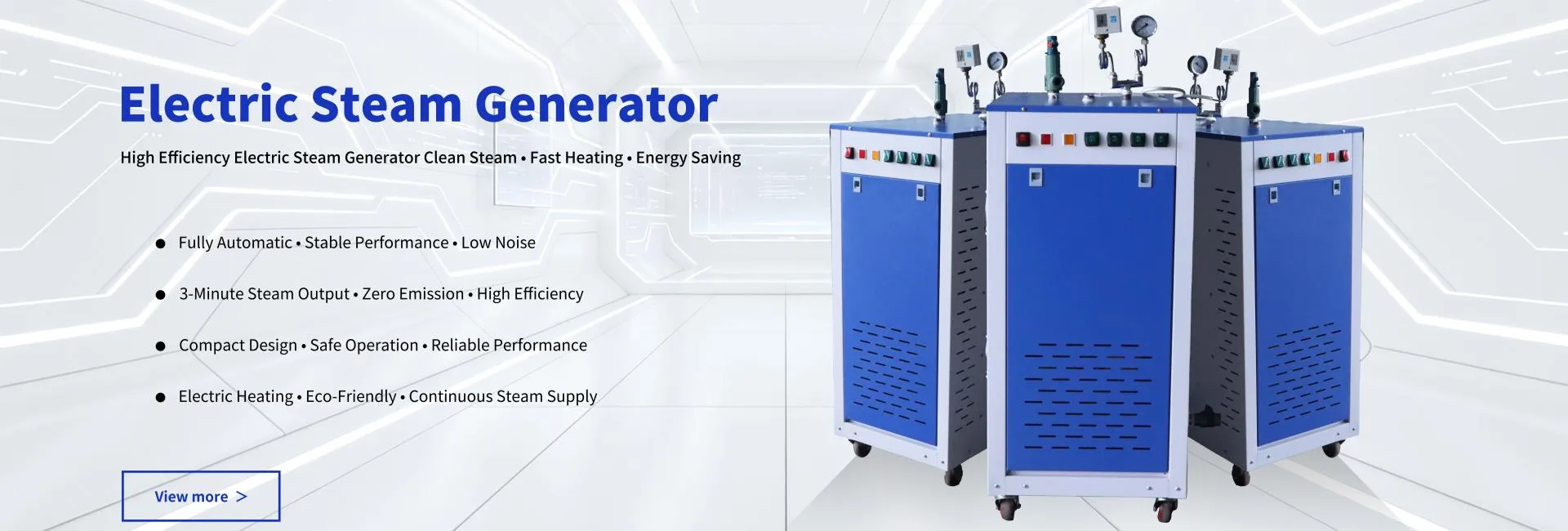
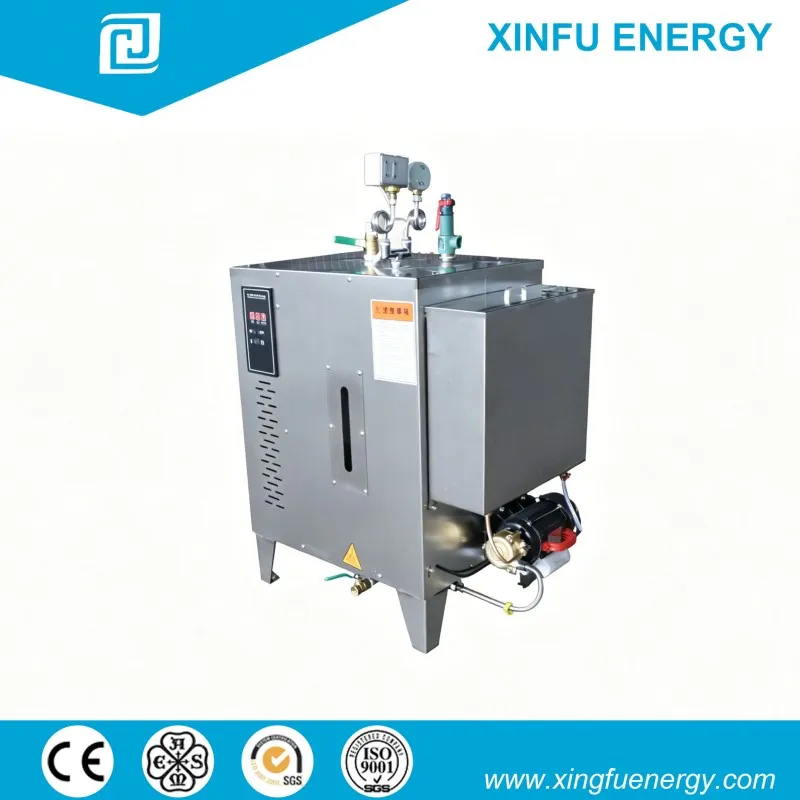
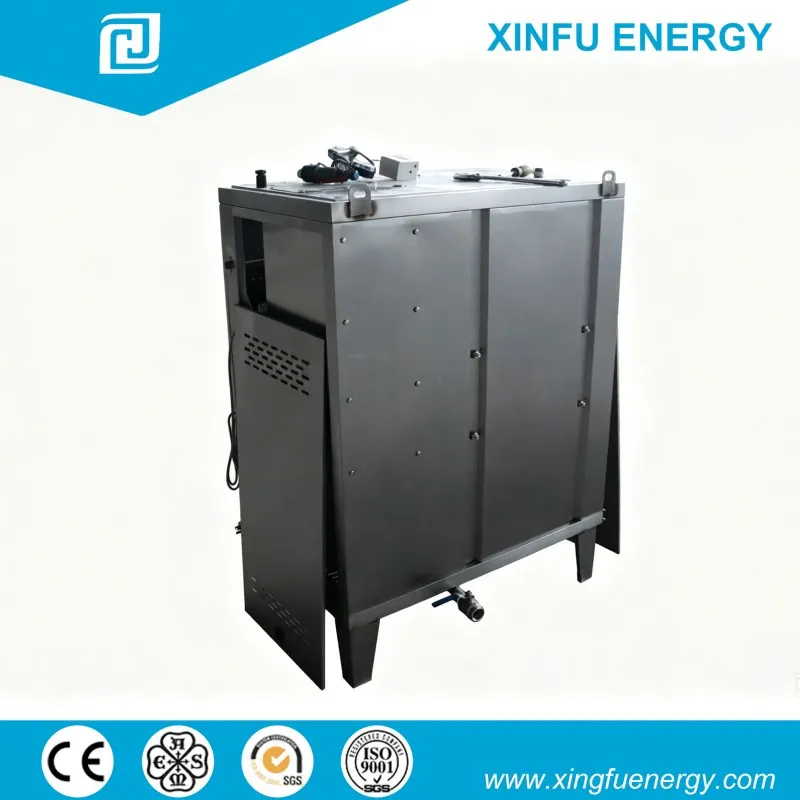
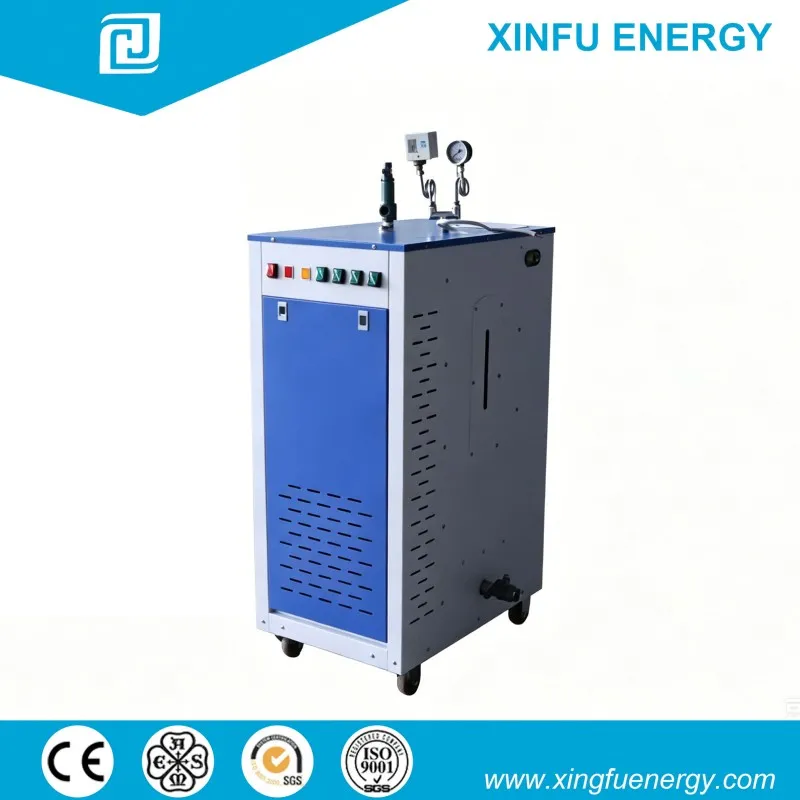
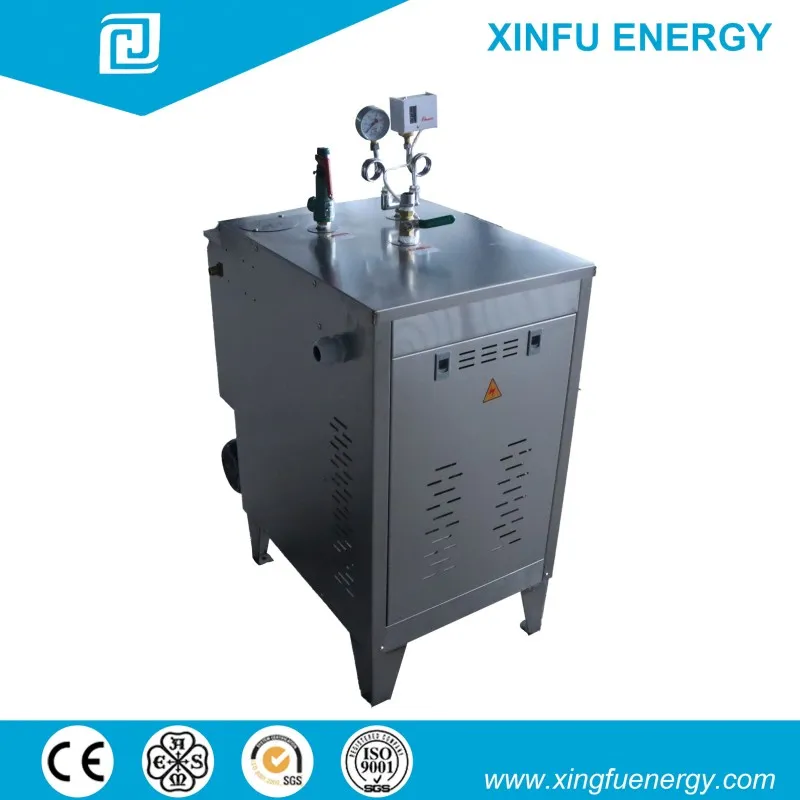
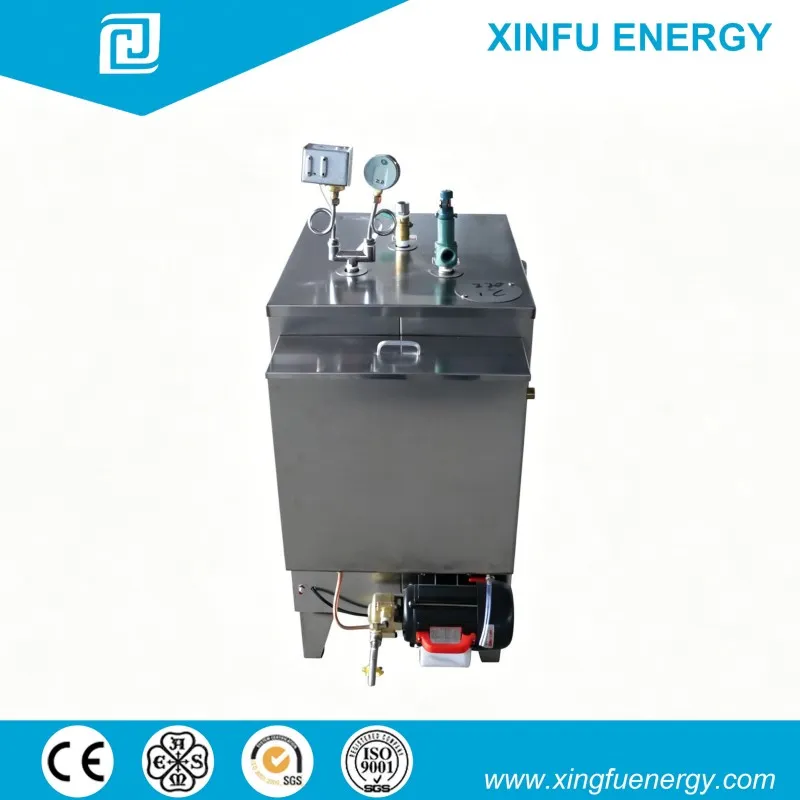
A steam generator for industrial use is a compact, high-efficiency thermal system designed to produce saturated or superheated steam on demand. Unlike traditional large-scale boilers, modern industrial steam generators utilize advanced heat exchange technologies to achieve rapid startup times, superior fuel efficiency, and precise temperature control. These systems are critical for processes requiring consistent thermal energy in sectors such as food processing, pharmaceuticals, chemical manufacturing, and textile production. By integrating modular design with intelligent control systems, these units offer a scalable solution for factories aiming to reduce operational costs while maintaining strict compliance with safety and environmental standards.
What Is an Industrial Steam Generator and How Does It Work?
An industrial steam generator is a specialized piece of equipment that converts water into steam using various energy sources, including natural gas, electricity, diesel, or biomass. The core function is to transfer thermal energy to water efficiently, creating steam that drives mechanical processes, provides heating, or facilitates sterilization.
Core Working Principles
The operation of a steam generator relies on fundamental thermodynamic principles, but its engineering execution differs significantly from conventional boilers. The process typically involves three main stages:
Water Feed and Preheating: High-purity water is introduced into the system through a feed pump. In high-efficiency models, this water often passes through a preheater that recovers waste heat from exhaust gases, improving overall thermal efficiency.
Heat Exchange and Vaporization: The water enters the heat exchange chamber. Depending on the type (fire-tube or water-tube), heat from the combustion chamber or electric elements transfers to the water. The rapid heat transfer causes the water to vaporize instantly or near-instantly.
Steam Separation and Delivery: The generated steam-water mixture moves to a separator. Here, moisture is removed to ensure dry, high-quality steam is delivered to the application point. Intelligent sensors monitor pressure and temperature, adjusting fuel or power input to maintain stability.
Key Differences From Traditional Boilers
While both systems produce steam, the steam generator for industrial use is engineered for agility and efficiency. Traditional boilers often require significant warm-up time and large water volumes, leading to energy waste during idle periods. In contrast, industrial steam generators feature low water content designs. This allows them to reach operating pressure in minutes rather than hours. The reduced water volume also minimizes the risk of catastrophic failure, often exempting them from stringent boiler certification requirements in certain jurisdictions, thereby lowering installation complexity and cost.
Types of Industrial Steam Generators: Choosing the Right Technology
Selecting the appropriate technology is crucial for optimizing performance and cost. The market primarily offers three types based on the energy source and heat exchange mechanism. Understanding these distinctions helps facility managers align equipment capabilities with specific operational needs.
1. Gas-Fired Steam Generators
Natural gas and LPG-fired units are among the most common in modern manufacturing due to the widespread availability of clean-burning fuels. These systems utilize condensing technology to capture latent heat from flue gases, achieving thermal efficiencies exceeding 95%. They are ideal for facilities with access to pipeline gas, offering a balance of low operating costs and high reliability. The combustion process is controlled by advanced burners that adjust the air-fuel ratio in real-time, minimizing NOx emissions and ensuring environmental compliance.
2. Electric Steam Generators
Electric steam generators use resistance heating elements or electrode boilers to generate steam. They are characterized by zero onsite emissions, making them perfect for indoor installations or industries with strict environmental regulations, such as pharmaceuticals and food processing. While electricity costs can be higher than gas in some regions, the high efficiency (near 100% conversion of electrical energy to heat) and minimal maintenance requirements often offset the difference. These units are also highly responsive, allowing for precise modulation of steam output.
3. Biomass and Oil-Fired Systems
For industries located in areas with limited gas infrastructure or those seeking sustainable alternatives, biomass steam generators offer a viable solution. These systems burn organic materials like wood pellets or agricultural waste. Although they require more complex feeding and ash removal mechanisms, they provide a carbon-neutral energy option. Oil-fired units, typically using diesel or heavy oil, serve as robust backups or primary sources in remote locations where gas pipelines are unavailable.
Feature
Gas-Fired
Electric
Biomass/Oil
Primary Fuel
Natural Gas, LPG
Electricity
Wood Pellets, Diesel, Heavy Oil
Thermal Efficiency
95-98% (Condensing)
~99%
80-90%
Emissions
Low NOx
Zero Onsite
Moderate (Requires Filtration)
Startup Time
Fast (5-10 mins)
Very Fast (2-5 mins)
Slow (15-30 mins)
Maintenance Level
Medium
Low
High
Best Application
General Manufacturing, Food Processing
Pharma, Clean Rooms, Small Scale
Remote Areas, Sustainable Projects
Why Choose a High-Efficiency Steam Generator for Your Factory?
In 2026, industrial energy costs remain a significant portion of operational expenditures. Upgrading to a high-efficiency steam generator for industrial use is not just a technical decision but a strategic financial move. The benefits extend beyond simple fuel savings, impacting maintenance schedules, production uptime, and regulatory compliance.
Enhanced Energy Efficiency and Cost Reduction
Modern steam generators incorporate condensing economizers and variable frequency drives (VFDs). Condensing technology recovers heat from exhaust gases that would otherwise be vented into the atmosphere. This recovered heat preheats the incoming feedwater, reducing the energy required to generate steam. VFDs adjust the speed of fans and pumps based on real-time steam demand, preventing energy waste during partial load operations. Collectively, these features can reduce fuel consumption by 15-20% compared to older, non-condensing boiler systems.
Rapid Response and Operational Flexibility
Industrial processes often fluctuate. A packaging line might stop for an hour, or a sterilization cycle might require a sudden surge of steam. Traditional boilers struggle with these fluctuations, leading to pressure drops or excessive venting. Industrial steam generators, with their low water content and modulating burners, respond almost instantly to load changes. This ensures consistent process quality and eliminates the energy penalty associated with maintaining a large volume of water at pressure during idle times.
Compact Footprint and Easy Installation
Space is a premium in many manufacturing facilities. Industrial steam generators are designed with a modular, compact footprint. They often require less floor space than equivalent capacity traditional boilers. Furthermore, because they do not always fall under the same rigorous pressure vessel codes as large boilers (depending on local regulations and water volume), installation can be faster and less costly. Many units are skid-mounted, allowing for easy integration into existing utility rooms without extensive civil works.
Safety and Reliability
Safety is paramount in industrial environments. Modern steam generators are equipped with multiple layers of protection, including low-water cutoffs, over-pressure relief valves, flame failure devices, and automatic blowdown systems. The low water volume inherently reduces the potential energy stored in the system, minimizing the risk associated with pressure vessel failures. Automated monitoring systems continuously check for anomalies, shutting down the unit safely if any parameter deviates from the set range.
Industry Spotlight: Engineering Excellence with Qingdao Xingfu Energy Equipment
When selecting a partner for critical thermal infrastructure, manufacturing pedigree and technical expertise matter. Qingdao Xingfu Energy Equipment Ltd., established in 2010 and headquartered in Shandong Province, China, exemplifies the evolution of modern steam technology. As a high-tech, vertically integrated manufacturer, Xingfu combines over 14 years of industry experience with continuous innovation to serve clients in more than 30 countries, including markets in Europe, Asia, and beyond.
Xingfu’s core competency lies in the research, design, and manufacturing of electric steam generators and industrial boilers. Their product lineup, particularly the compact S-Series automation solutions, addresses the growing demand for zero-emission, high-efficiency steam sources. These fully automated electric generators and intelligent steam boilers are constructed from high-grade stainless steel, ensuring durability and hygiene—critical factors for food and pharmaceutical applications. By focusing on rapid steam generation and seamless integration with existing engineering systems, Xingfu helps facilities achieve strict environmental compliance without sacrificing productivity.
The company’s commitment to quality is backed by substantial infrastructure. Operating out of a 70,500-square-meter production base, Xingfu employs a robust team of 228 staff, including 78 technical experts and 65 certified welders. This depth of skilled labor, combined with internal laboratories and rigorous quality control systems, ensures that every unit meets international standards, holding ISO 9001 and CE certifications, as well as Class B boiler manufacturing licenses. For global buyers, Xingfu offers more than just equipment; they provide a complete lifecycle service—from initial design consultation and equipment selection to installation support and long-term operational assistance.
Key Applications of Industrial Steam Generators Across Industries
The versatility of steam makes it an indispensable utility across various sectors. A steam generator for industrial use is tailored to meet the specific hygiene, pressure, and temperature requirements of different industries.
Food and Beverage Processing
In the food industry, steam is used for cooking, blanching, pasteurization, and cleaning. Hygiene is critical, so electric or clean-gas steam generators are preferred. They provide sterile, oil-free steam essential for direct contact applications like vegetable steaming or bottle sterilization. The precise temperature control ensures product consistency, preventing overcooking or under-processing. For example, in dairy processing, stable steam pressure is vital for the pasteurization curves that ensure safety without compromising taste.
Pharmaceutical and Healthcare
Pharmaceutical manufacturing requires pure steam for sterilization of equipment, vessels, and cleanroom garments. Electric steam generators are the standard here due to their ability to produce high-purity steam without combustion byproducts. These units must meet strict standards such as ASME BPE (Bioprocessing Equipment) guidelines. The reliability of the steam supply is critical; any interruption can compromise a batch of expensive medication, leading to significant financial loss.
Textile and Garment Manufacturing
Steam is used extensively in textile mills for dyeing, drying, and ironing. Consistent steam pressure ensures uniform dye penetration and fabric finish. Industrial steam generators provide the rapid response needed for pressing stations, where steam demand can spike suddenly. The efficiency gains are particularly notable in this sector, where margins are tight and energy costs directly impact competitiveness. Modular systems allow factories to scale steam production up or down based on seasonal demand.
Chemical and Petrochemical Industries
Chemical processes often require steam for heating reactors, distillation columns, and driving turbines. In these applications, the steam generator must handle high pressures and temperatures reliably. Safety features and robust construction materials, such as stainless steel or specialized alloys, are essential to withstand corrosive environments. The ability to maintain precise temperature profiles is crucial for reaction control and product yield.
Concrete Curing and Construction Materials
Steam curing accelerates the hardening process of concrete products, such as pipes, blocks, and precast elements. Industrial steam generators provide the consistent, low-pressure steam needed to maintain optimal humidity and temperature in curing chambers. This speeds up production cycles, allowing manufacturers to turn around products faster. The modular nature of steam generators allows for targeted steam delivery to specific curing zones, improving energy efficiency.
How to Select the Right Steam Generator for Your Facility
Choosing the correct steam generator for industrial use involves analyzing several technical and operational factors. A mismatched system can lead to inefficiencies, increased maintenance, and production bottlenecks. Here is a structured approach to selection.
1. Determine Steam Demand and Load Profile
The first step is to calculate the maximum and average steam consumption. This is measured in kilograms per hour (kg/h) or pounds per hour (lbs/h). It is crucial to understand the load profile: is the demand constant, or does it fluctuate? For fluctuating loads, a modular system with multiple smaller units may be more efficient than a single large unit. This allows some units to run at full load (high efficiency) while others are offline, rather than running one large unit at low load (low efficiency).
2. Define Pressure and Temperature Requirements
Different applications require different steam conditions. Most industrial processes operate between 7 bar and 10 bar (100-150 psi). However, some high-temperature processes may require higher pressures. Ensure the selected generator can deliver the required pressure consistently. Also, consider whether saturated or superheated steam is needed. Saturated steam is common for heating and sterilization, while superheated steam is used for driving turbines or specific drying processes.
3. Evaluate Fuel Availability and Cost
Assess the local availability and cost of fuel sources. Natural gas is often the most economical choice where pipelines exist. Electricity is preferable for small capacities or where emissions are a concern. Biomass may be cost-effective in rural areas with abundant agricultural waste. Consider future fuel price trends and environmental regulations when making this decision.
4. Assess Water Quality and Treatment Needs
Water quality significantly impacts the lifespan and efficiency of a steam generator. Hard water leads to scaling, which insulates heat transfer surfaces and reduces efficiency. High mineral content can cause corrosion. Implementing a proper water treatment system, such as reverse osmosis (RO) or softeners, is essential. Some advanced steam generators have built-in blowdown systems to manage total dissolved solids (TDS), but pre-treatment is always recommended.
5. Check Regulatory and Certification Requirements
Ensure the equipment complies with local safety and environmental regulations. Look for certifications such as ASME (American Society of Mechanical Engineers), CE (Conformité Européenne), or ISO standards. In some regions, steam generators with low water content may be exempt from mandatory boiler inspections, reducing administrative burden. Verify these exemptions with local authorities.
Installation and Maintenance Best Practices
Proper installation and regular maintenance are key to maximizing the lifespan and efficiency of your steam generator for industrial use. Neglecting these aspects can lead to premature failure and increased operating costs.
Installation Guidelines
Location: Install the unit in a well-ventilated area with adequate space for maintenance access. Ensure the floor can support the weight of the unit, especially when filled with water.
Piping: Use properly sized steam and condensate return lines. Install steam traps to remove condensate efficiently, preventing water hammer and ensuring dry steam delivery.
Electrical: Ensure the power supply matches the unit’s requirements. For electric generators, verify the phase and voltage. Install appropriate circuit breakers and grounding.
Water Supply: Connect to a reliable water source with adequate pressure. Install a water treatment system upstream of the generator.
Routine Maintenance Schedule
Regular maintenance prevents unexpected downtime. A typical maintenance schedule includes:
Daily: Check water level, pressure, and temperature gauges. Inspect for leaks. Perform a bottom blowdown to remove sludge and sediments.
Weekly: Test safety valves and low-water cutoffs. Check the condition of the water treatment system. Inspect burner flame pattern (for gas/oil units).
Monthly: Clean the water column and gauge glass. Inspect electrical connections for tightness. Check the condition of gaskets and seals.
Annually: Conduct a thorough internal inspection for scaling and corrosion. Calibrate all instruments and safety devices. Service the burner and combustion controls. Replace worn-out components such as electrodes or heating elements.
Common Issues and Troubleshooting
Understanding common issues can help operators resolve problems quickly:
Low Steam Pressure: Could be due to high demand, faulty pressure sensor, or scaling in the heat exchanger. Check the load and inspect the heat transfer surfaces.
High Water Consumption: May indicate leaks in the steam distribution system or excessive blowdown. Inspect pipes and adjust blowdown settings.
Unusual Noise: Often caused by water hammer or air in the system. Ensure steam traps are functioning correctly and air vents are open.
Burner Lockout: Can result from fuel supply issues, dirty filters, or flame detection errors. Check fuel pressure and clean sensors.
FAQ: Frequently Asked Questions About Industrial Steam Generators
What is the typical lifespan of an industrial steam generator?
With proper maintenance and water treatment, an industrial steam generator can last between 15 to 20 years. Electric units often have longer lifespans due to fewer moving parts, while gas-fired units may require more frequent burner maintenance.
How much space do I need for installation?
Industrial steam generators are compact. A typical unit producing 1000 kg/h of steam may require only 2-3 square meters of floor space. However, additional space is needed for auxiliary equipment like water treatment systems, feedwater tanks, and control panels.
Can I use a steam generator for heating my factory?
Yes, steam generators can be used for space heating via heat exchangers or radiators. However, for large-scale space heating, hot water boilers are often more efficient. Steam is better suited for process heating where high temperatures are required.
Is operator training required?
Yes, operators should be trained in basic boiler operations, safety procedures, and routine maintenance. While modern units are automated, understanding the system helps in identifying early signs of trouble and ensuring safe operation.
How do I improve the efficiency of my existing steam system?
Implement condensate return systems to reuse hot water. Insulate all steam pipes and valves to reduce heat loss. Regularly check for steam leaks. Optimize blowdown rates using automatic controllers. Consider upgrading to a condensing steam generator if your current unit is old.
What is the difference between saturated and superheated steam?
Saturated steam is at the boiling point for a given pressure and contains both water vapor and liquid droplets. It is ideal for heating and sterilization. Superheated steam is heated beyond the boiling point, containing no liquid water. It is used for driving turbines and specific drying applications where moisture is detrimental.
Conclusion: Maximizing Value with the Right Steam Solution
Investing in a high-efficiency steam generator for industrial use is a decisive step toward optimizing industrial operations. As demonstrated, these systems offer superior energy efficiency, rapid response capabilities, and enhanced safety compared to traditional boilers. Whether for food processing, pharmaceutical sterilization, or textile manufacturing, the right steam generator ensures consistent product quality and reduced operational costs.
By carefully assessing your steam demand, fuel options, and regulatory requirements, you can select a system that aligns perfectly with your facility’s needs. Remember that proper installation and diligent maintenance are equally important in realizing the long-term benefits of your investment.
For manufacturers seeking reliable, high-performance steam solutions, partnering with an experienced supplier ensures access to cutting-edge technology and expert support. Companies like Qingdao Xingfu Energy Equipment Ltd. illustrate how vertical integration and technical expertise can deliver customized steam systems that drive efficiency and productivity across global markets.
Ready to upgrade your industrial steam infrastructure? Contact our engineering team today for a comprehensive consultation and a tailored quote.