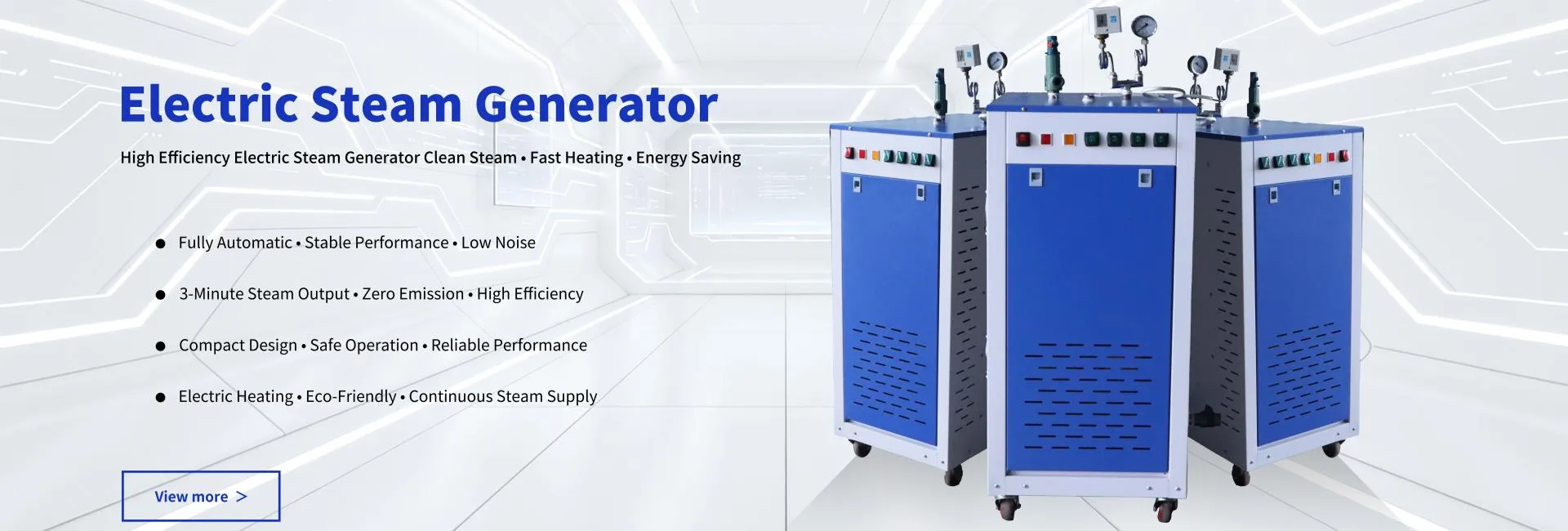
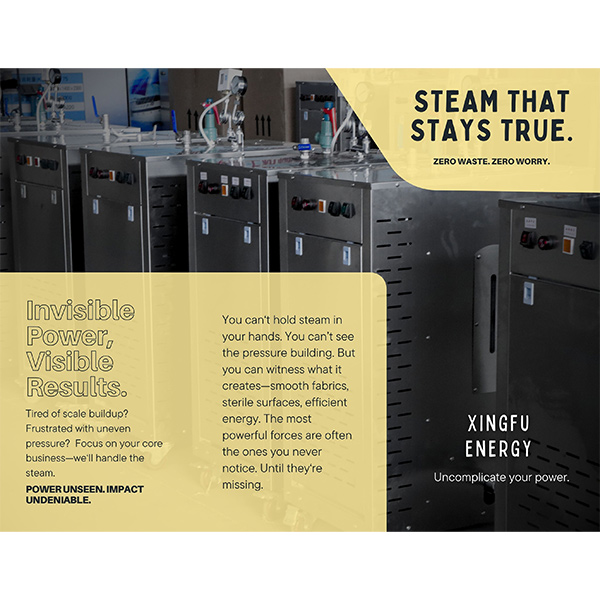
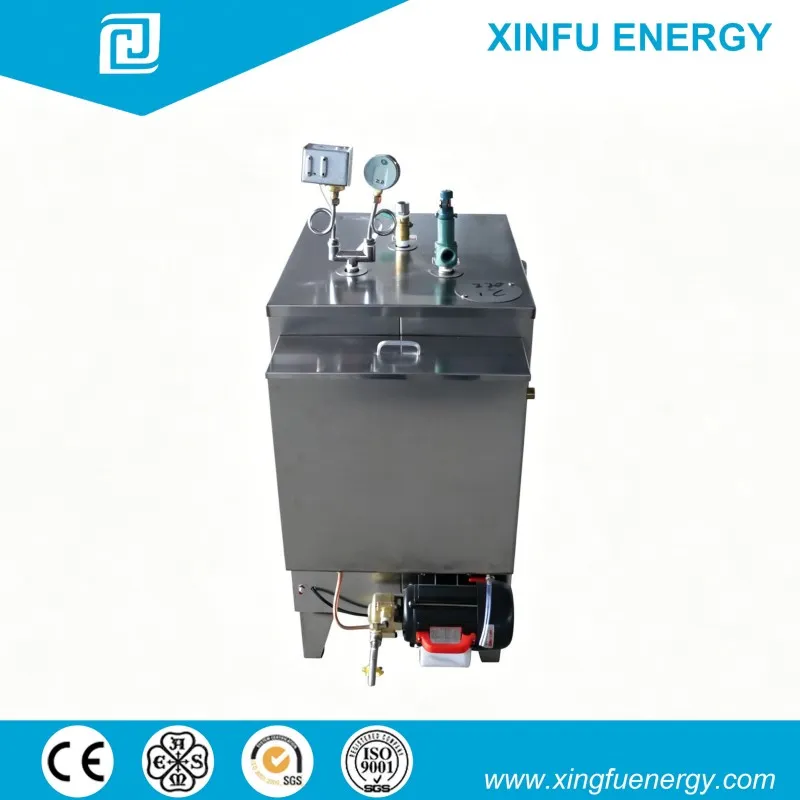
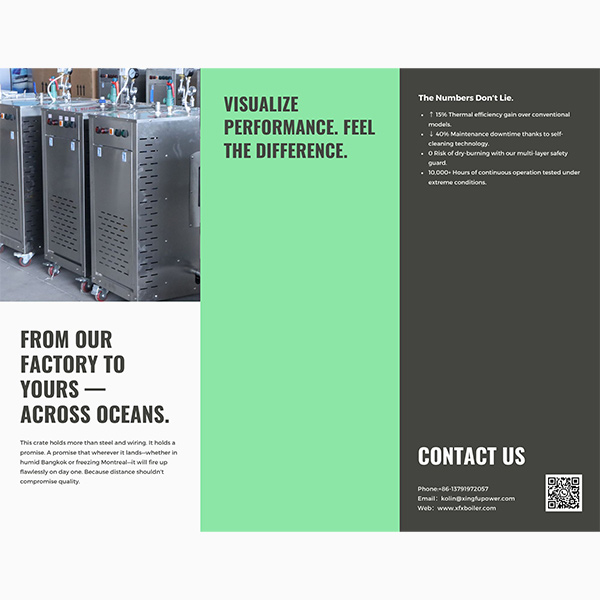
Industrial steam demand is rising—not just in scale, but in precision. Plants no longer accept delayed startup, inconsistent pressure, or emissions compromises. They need steam on demand, clean, repeatable, and fully controllable. That’s why more engineers and plant managers are turning to the electric steam generator—not as a stopgap, but as the core of modern thermal infrastructure.
Why Electric Steam Generators Are Replacing Traditional Boilers
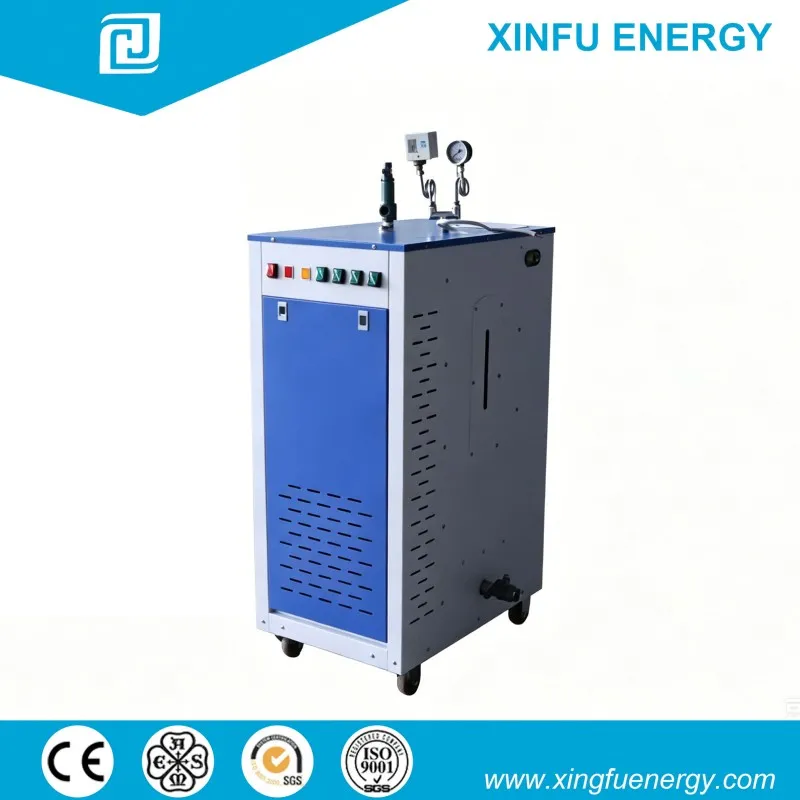
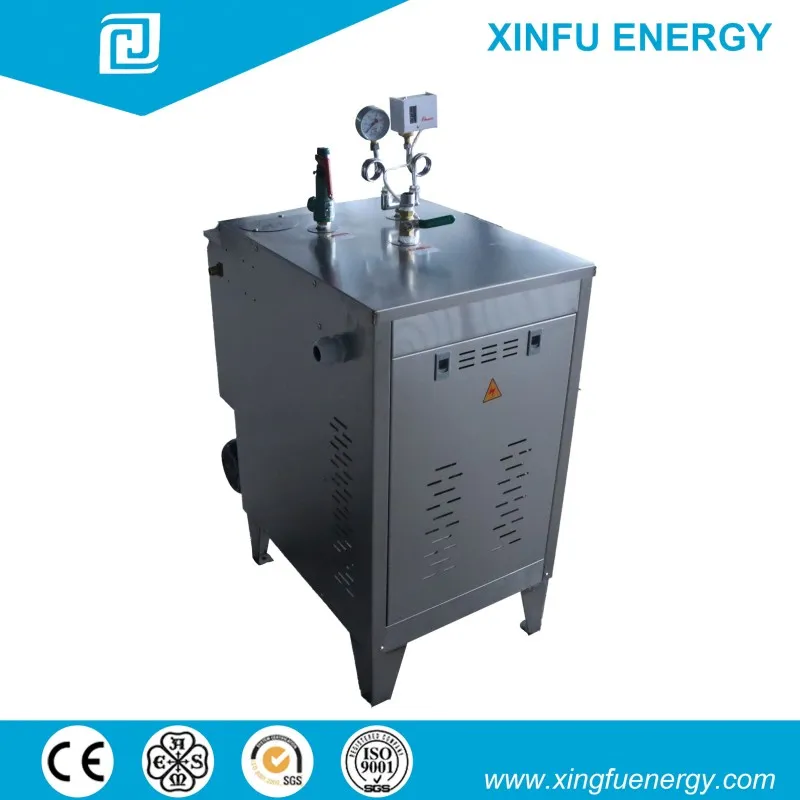
Steam isn’t obsolete—it’s evolving. Older gas- or coal-fired boilers struggle with ramp-up time, turndown limitations, and regulatory scrutiny. An electric steam generator delivers full-rated steam in under 5 minutes. No flue gas, no combustion air systems, no annual stack testing. Just stainless-steel chambers, precision heating elements, and PLC-driven logic that responds to load changes within seconds.
We’ve installed over 180 units across textile mills in Vietnam, food processing lines in Poland, and pharmaceutical autoclave support systems in Spain. In every case, the trigger wasn’t cost alone—it was reliability. One customer in Malaysia replaced two aging 1.5-ton/hr gas boilers with a single 2-ton/hr electric steam generator. Downtime dropped from 14 hours/year to less than 2. Steam pressure variation shrank from ±12 kPa to ±2.5 kPa. That consistency matters when sterilizing medical-grade tubing or dyeing high-value fabric lots.
Key operational advantages aren’t theoretical—they’re measurable:
- Startup-to-steam: 90–180 seconds (vs. 30–90 minutes for fired boilers)
- Thermal efficiency: ≥98% (no stack losses, no radiation loss)
- Footprint: As small as 0.8 m² for 300 kg/hr output
- No fuel storage, no venting, no burner maintenance
What Makes a Reliable Electric Steam Generator? Three Non-Negotiables
Not all electric steam generators perform equally. We’ve seen units fail at 14 months—not from design flaws, but from overlooked system integration points. The three factors that separate field-proven units from lab prototypes are material integrity, control architecture, and certification depth.
Stainless steel construction isn’t optional—it’s foundational. Low-carbon 304 or 316 SS resists scaling, handles thermal cycling, and eliminates corrosion-induced leaks. Units built with carbon steel jackets or copper heating elements degrade fast in continuous operation. Our S-Series uses seamless 316L tubes, TIG-welded by ASME-certified welders—65 of them on staff, each retested annually.
Control isn’t about buttons—it’s about response fidelity. A true industrial-grade unit doesn’t just read pressure; it anticipates load shifts using feedforward algorithms tied to pump speed, inlet temperature, and historical demand patterns. It logs every anomaly—not just alarms—and exports raw data via Modbus TCP or OPC UA. No proprietary black boxes.
Certification isn’t paperwork—it’s proof of traceability. Class B boiler license (China), CE marking (EU), ISO 9001 audit trail—these mean every weld, every pressure test, every calibration is documented, dated, and signed off. We test each unit to 1.5× working pressure before shipping. Not once. Twice.
Real-World Integration: What You’ll Actually Need to Install One
“Plug-and-play” is misleading. Even an electric steam generator requires engineering alignment—not just electrical supply, but system-level thinking.
First: power quality. A 600 kW unit draws ~900 A at 400 V. Voltage drop beyond 2% causes element overheating. We specify minimum conductor size, require dedicated breakers with Type B or C curves, and insist on harmonic filtering if variable-frequency drives share the same bus.
Second: water prep. Hardness above 10 ppm will scale elements in under 6 months. Reverse osmosis is standard. Deionization is mandatory for pharma or semiconductor applications. We include inline conductivity monitoring—not as an add-on, but as part of the base control loop.
Third: condensate return. Unlike fired boilers, electric units don’t tolerate flash steam loss. We design closed-loop returns with vacuum-assisted recovery where space limits gravity flow. One textile plant in Indonesia cut makeup water use by 73% after retrofitting return piping—not because the generator changed, but because the system did.
Long-Term Value Isn’t Just About Efficiency—It’s About Partnership
Steam doesn’t stop at commissioning. Scale forms. Sensors drift. Operators rotate. A generator that runs flawlessly for 18 months means little if the next service call takes 3 weeks.
That’s why our support model starts before purchase: thermal load profiling, piping stress analysis, and control interface mapping—not sales pitches, but engineering handshakes. During installation, our technicians verify grounding continuity, validate water chemistry logs, and calibrate safety interlocks onsite. Post-commissioning, we offer remote diagnostics with live parameter overlays—not dashboards, but actionable alerts tied to failure modes.
More than 30 countries rely on our electric steam generator systems—not because they’re cheap, but because they deliver predictable uptime, zero-emission operation, and full lifecycle transparency. When steam is mission-critical, reliability isn’t a feature. It’s the only specification that matters.