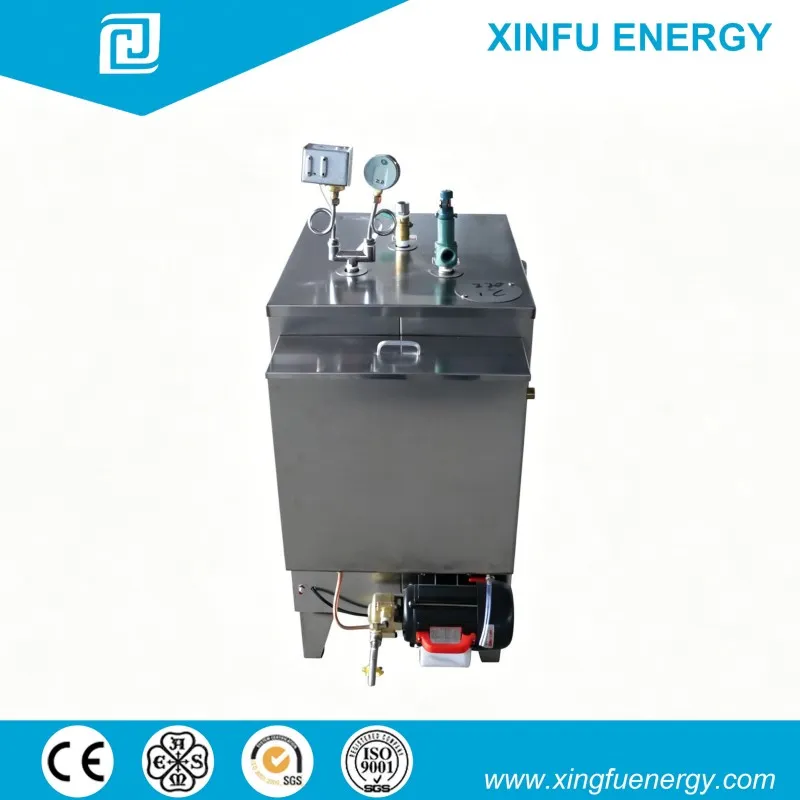
Small electric steam generator systems solve a persistent pain point: waiting for steam. In labs, food processing lines, or textile dyeing facilities, delays cost time, money, and consistency. A traditional boiler may take 20–45 minutes to reach operating pressure. That delay multiplies across shifts, batches, and maintenance cycles. Users need steam *now*—not after a warm-up ritual.
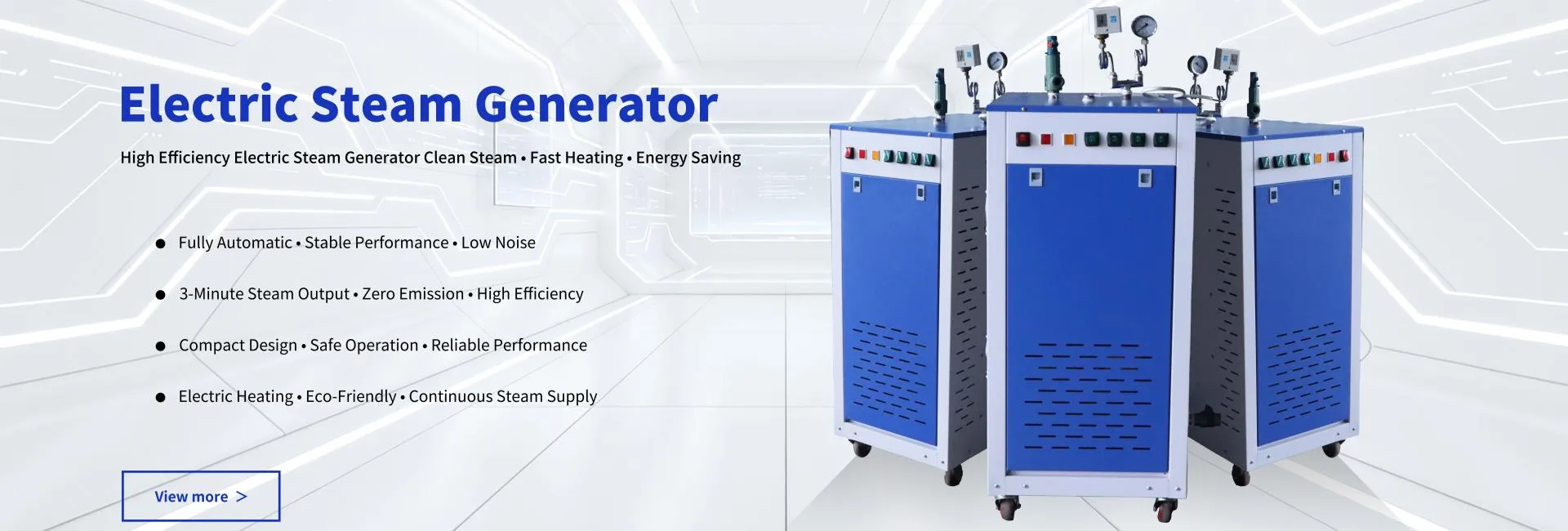
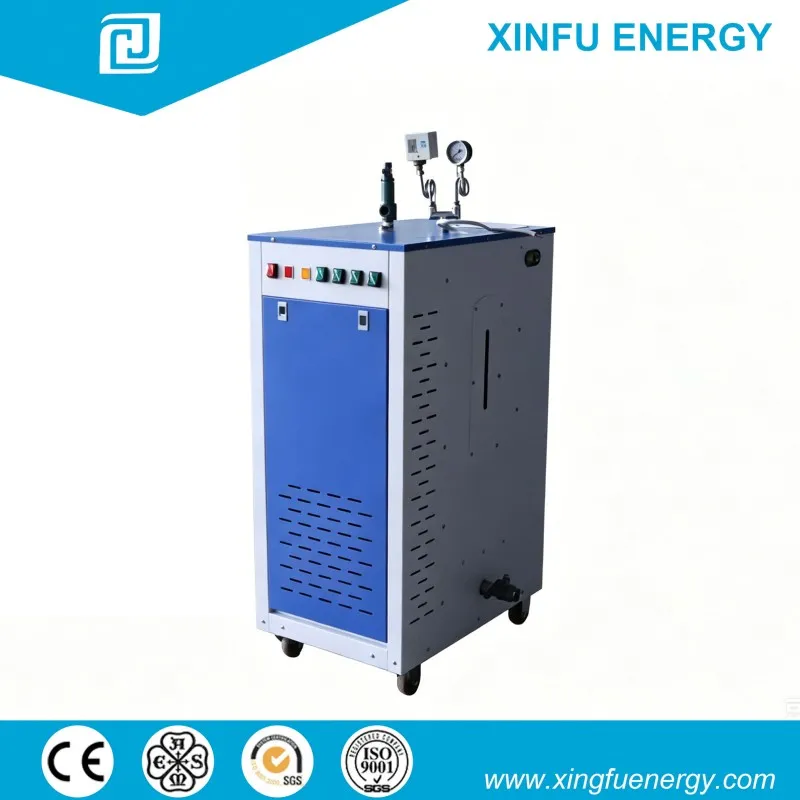
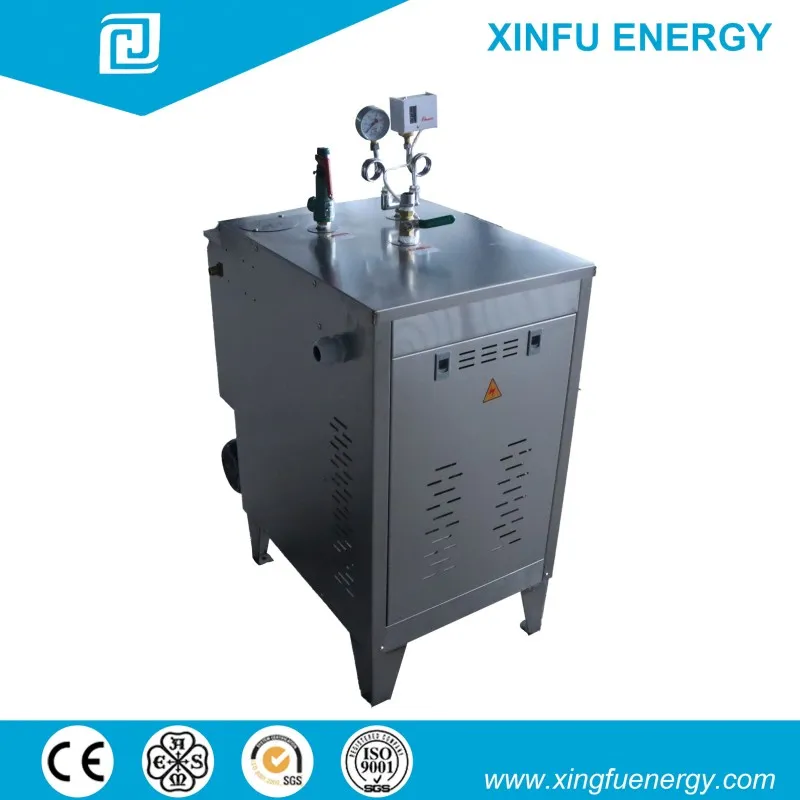
That’s why compact, fully automated electric steam generators are replacing legacy systems in over 30 countries. They deliver full-rated steam pressure in under 90 seconds. No pilot flame. No fuel storage. No flue gas emissions. Just stainless steel construction, precise temperature control, and plug-and-play integration into existing process piping. The core advantage isn’t just speed—it’s repeatability. Every startup behaves the same way. Every load change responds within ±1.5% of setpoint. Real-world deployments confirm this: one garment factory in Vietnam cut steam-related downtime by 68% after switching from an oil-fired boiler to a 45 kW S-Series unit.
But not all small electric steam generators perform equally. Three technical realities separate reliable units from field-service headaches:
- Material integrity matters more than rated power. Low-cost units often use carbon steel shells with thin stainless cladding. Thermal cycling cracks that layer. Xingfu’s S-Series uses seamless 304 stainless steel throughout the pressure vessel, heating elements, and steam dome—validated by 100% ultrasonic testing on every weld seam.
- True automation means zero manual intervention—not just a touchscreen. Many “smart” units require operators to confirm water level, reset high-limit trips, or manually purge air before startup. Xingfu’s controllers run a full pre-start sequence: auto-fill verification, conductivity-based water quality check, vacuum-assisted air purge, and soft-start ramping—all without human input.
- Zero emissions only holds if the design eliminates hidden failure points. Condensate return contamination, mineral buildup in immersion heaters, and thermal stress fractures in manway flanges all create leaks—and emissions—over time. Their integrated scale-inhibiting feedwater system and dual-stage pressure relief with independent ASME-certified rupture discs prevent cascading failures.
Some might argue that electric steam generation is too expensive for continuous operation. But the math shifts when you factor in total cost of ownership. A 120 kW unit running 16 hours/day consumes roughly 192 kWh daily. At $0.12/kWh, that’s $23/day in electricity. Compare that to diesel at $0.95/L with 35% thermal efficiency: same output costs $74/day—and adds exhaust ductwork, NOx monitoring, and quarterly emissions testing. Meanwhile, Xingfu’s units achieve 98.2% electrical-to-steam efficiency in third-party lab tests—no stack losses, no radiation losses, no blowdown waste.
Installation isn’t plug-and-play—but it’s far simpler than alternatives. You need three things: a dedicated 3-phase circuit (with proper grounding per IEC 60364), a clean deionized or softened water supply (conductivity < 5 µS/cm), and a 2-inch steam outlet pipe routed to your process. No chimney. No fuel tank. No secondary containment. One customer in Spain installed a 75 kW unit inside a repurposed shipping container—no structural reinforcement required. Their biggest constraint? Securing the electrical permit, not the mechanical one.
Reliability starts before the first watt flows. Xingfu’s production base runs 21,000 m² of climate-controlled workshops where each unit undergoes 72 hours of continuous load testing—24 hours at 50%, 24 at 75%, 24 at 100% capacity—while logging 42 real-time parameters. Every welder holds national certification. Every pressure vessel carries ASME U-stamp or PED 2014/68/EU marking. And every shipment includes a digital twin file: exact dimensions, torque specs for every bolt, and PLC logic diagrams matching the physical controller.
A small electric steam generator isn’t just smaller equipment. It’s a shift in operational philosophy—from managing combustion to commanding steam. When your production line demands precision, silence, and zero environmental liability, size becomes irrelevant. What matters is response time, material honesty, and engineering accountability. That’s why engineers in Poland, Malaysia, and Korea specify these units not as backups—but as primary steam sources.
If your current steam solution forces compromises—on space, safety, or schedule—it’s time to re-evaluate what “small” really means. Not footprint. Not power rating. But the smallest possible gap between intention and steam.