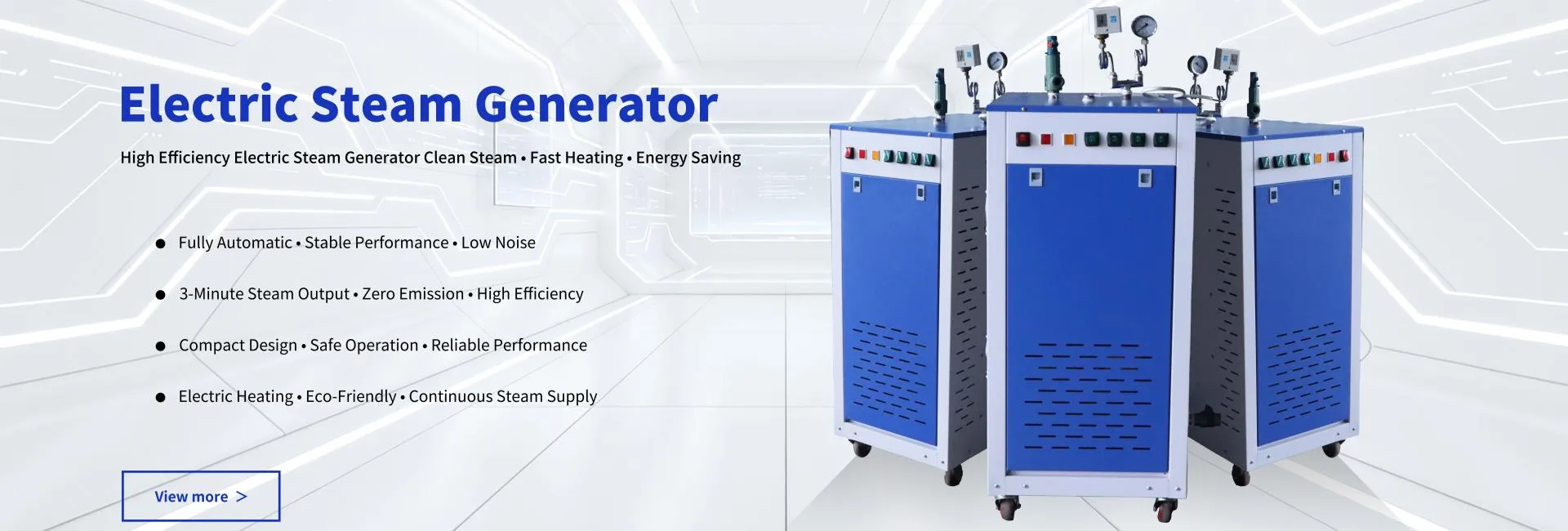
Off-grid power isn’t just for remote cabins anymore. It’s for textile mills in Vietnam needing steam and electricity from one compact unit. It’s for recycling plants in Poland running pyrolysis reactors without grid dependency. It’s for food processors in Indonesia scaling production where utility infrastructure lags behind demand. And increasingly—it’s powered by a small steam electric generator: a single-device solution that converts thermal energy into usable electricity *and* process steam, quietly, cleanly, and continuously.
Most off-grid systems rely on diesel gensets or solar-battery hybrids—both with hard trade-offs. Diesel burns fuel, emits NOx and particulates, and demands constant maintenance. Solar struggles with low irradiance, nighttime gaps, and high storage costs—especially when steam heat is required. A small steam electric generator bridges that gap. It doesn’t replace renewables—it complements them. Feed it waste heat from biomass combustion, biogas flaring, or even surplus solar-thermal input, and it delivers synchronized electrical output *plus* pressurized steam at 0.3–1.6 MPa, ready for drying, sterilization, or jacket heating.
We’ve seen this work in real deployments: a Mongolian wool-washing facility cut diesel consumption by 68% after integrating a 45 kW electric steam generator with its existing biomass burner. In Malaysia, a palm oil mill retrofitted a 75 kW unit to recover exhaust heat from its boiler stack—powering control systems and generating 300 kg/h of 0.8 MPa steam for sterilizers. The key? Not raw power, but system-level integration. These units aren’t standalone engines—they’re engineered nodes. They demand precise feedwater quality, stable inlet temperature gradients, and intelligent load-matching logic. That’s why reliability hinges less on peak wattage and more on build integrity, material selection, and thermal cycle resilience.
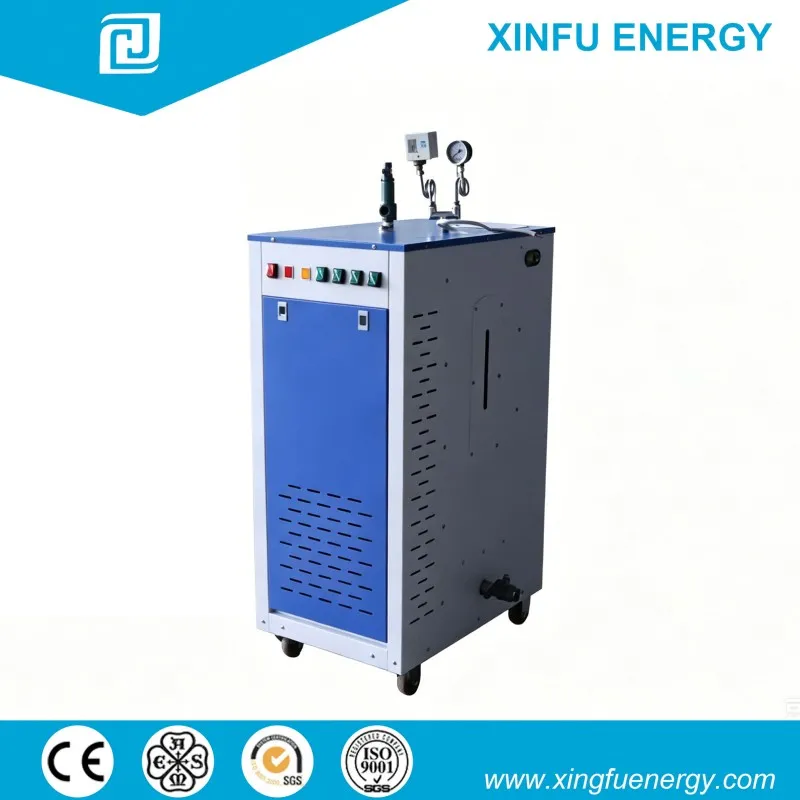
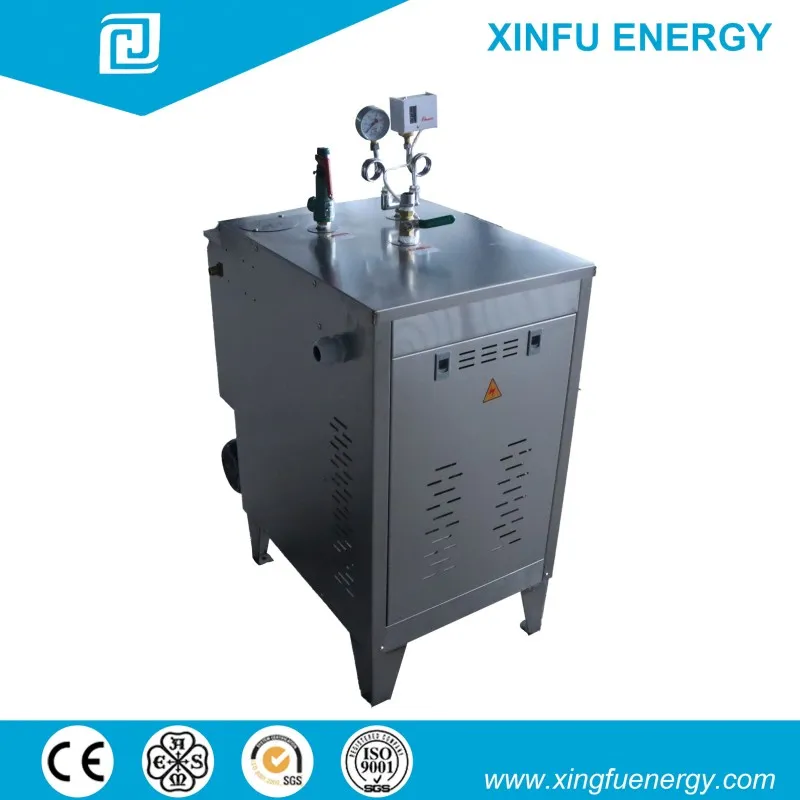
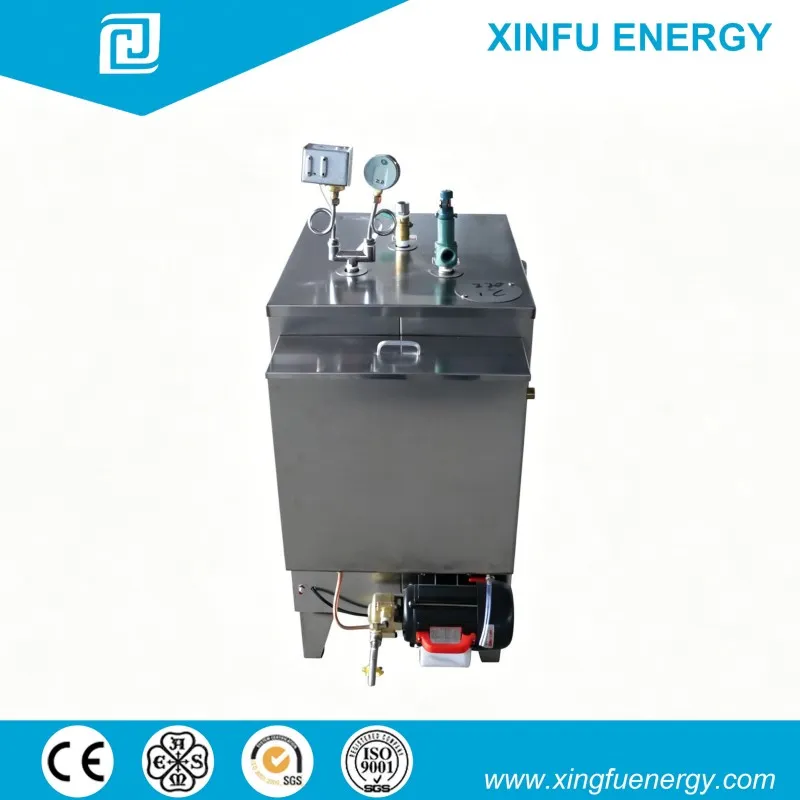
Stainless steel construction isn’t optional—it’s non-negotiable. Carbon steel corrodes under repeated thermal cycling, especially with fluctuating water chemistry. We specify AISI 304 or 316L for all pressure vessels, heat exchangers, and steam manifolds. Every weld undergoes 100% ultrasonic testing; every vessel passes hydrostatic tests at 1.5× working pressure. Certification isn’t paperwork—it’s proof of survivability. Units certified to ISO 9001, CE, and China’s Class B boiler license meet the same safety margins as large industrial boilers—but in footprints under 2.5 m². That means no special foundations, no crane rentals, and installation timelines measured in days—not months.
- Power range: 15–150 kW electrical output, scalable via parallel operation
- Steam output: 100–1,200 kg/h at 0.3–1.6 MPa, fully adjustable via PLC
- Fuel flexibility: Electric-resistive (grid or off-grid solar/battery), biomass-fired, or hybrid thermal input
- Startup time: Full-load steam in under 4 minutes; electrical output synchronized within 10 seconds
- Emissions: Zero operational emissions—no smoke, no CO, no NOx
Some assume small steam electric generators suit only niche applications. But the data tells another story. Over 30 countries now run these units in textile dyeing, pharmaceutical autoclaving, aquaculture heating, and plastic recycling lines. Why? Because they solve three persistent pain points at once: energy independence, thermal-electric simultaneity, and regulatory compliance. No permits for fuel storage. No stack emissions reporting. No grid interconnection studies. Just install, commission, and operate—with full technical support from design review through commissioning and beyond.
A small steam electric generator isn’t a backup plan. It’s a primary energy architecture—one built for resilience, not compromise. When your production line can’t afford downtime, when your site lacks grid stability, when your ESG targets demand zero-emission operations, this isn’t an alternative. It’s the baseline. The future belongs to integrated, modular, stainless-steel energy—quietly turning heat into power, one kilowatt and one kilogram of steam at a time.