-
+86-13791972057
-
No. 3009, Tower 3, Zhuoyue Century Center, No. 31th Longcheng Road, Qingdao, Shandong, China


+86-13791972057
No. 3009, Tower 3, Zhuoyue Century Center, No. 31th Longcheng Road, Qingdao, Shandong, China








2026-11-04
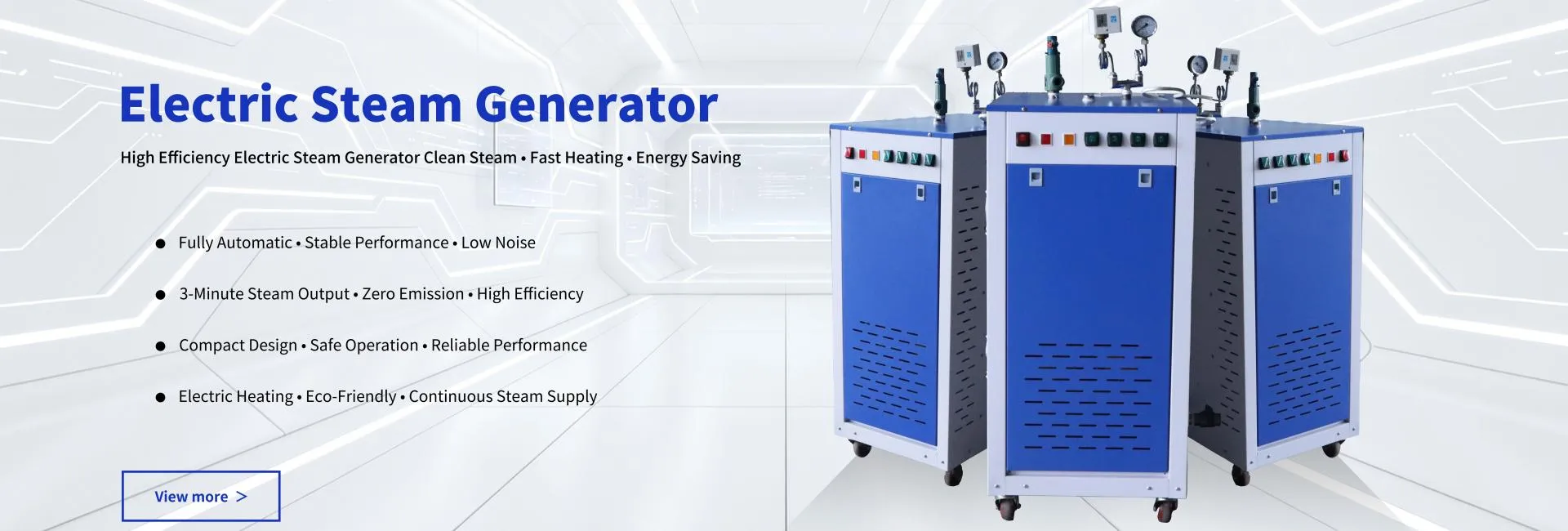
An electric steam boiler is an industrial heating system that converts electrical energy into thermal energy to generate high-pressure or low-pressure steam. Unlike fossil-fuel counterparts, these units produce zero onsite emissions, require minimal maintenance, and offer precise temperature control. For 2026, they represent the optimal solution for industries prioritizing sustainability, regulatory compliance, and operational efficiency in sectors such as food processing, pharmaceuticals, and chemical manufacturing.

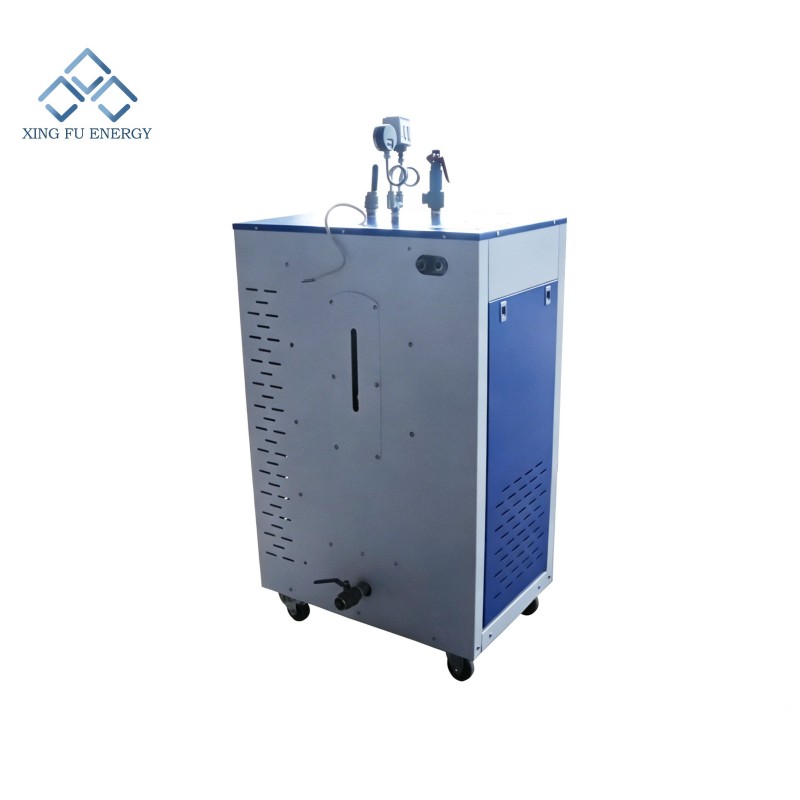
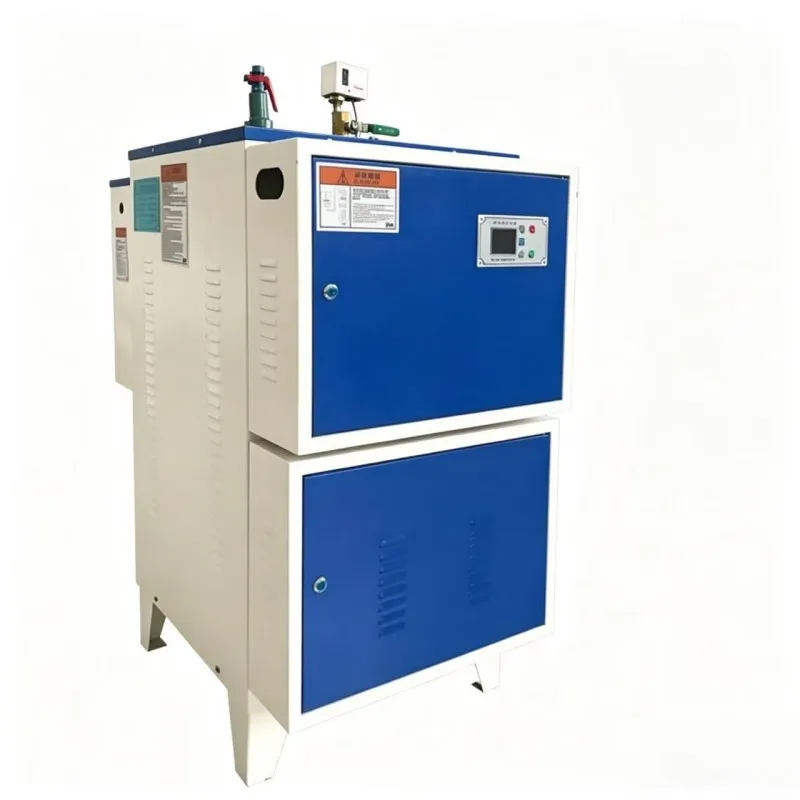
An electric steam boiler is a pressure vessel equipped with electric heating elements submerged in water. When electricity flows through these resistance elements, heat is generated directly within the water, causing it to boil and produce steam. This process is governed by fundamental thermodynamic principles, ensuring high thermal efficiency—often exceeding 98%.
The core mechanism differs significantly from traditional gas or oil boilers. There is no combustion chamber, no fuel storage tank, and no exhaust flue required for venting combustion gases. Instead, the system relies on a robust electrical supply and a sophisticated control panel to manage power distribution to the heating elements.
Understanding the internal architecture is crucial for procurement and maintenance. The primary components include:
The operation follows a linear, highly controlled sequence:
In 2026, the industrial landscape is heavily influenced by carbon taxation, strict environmental regulations, and the global push for electrification. Electric steam boilers have moved from niche applications to mainstream industrial solutions. Here is why manufacturers are making the switch.
Traditional boilers burn fossil fuels, releasing CO2, NOx, and SOx into the atmosphere. Many regions in Europe, North America, and Asia have implemented stringent caps on these emissions. An electric boiler produces zero onsite emissions. This makes it ideal for facilities located in urban areas, clean rooms, or regions with strict air quality standards. It also simplifies the permitting process, as there are no environmental impact assessments related to combustion required.
While electricity prices can fluctuate, the efficiency of electric boilers is unmatched. Gas boilers typically operate at 80-85% efficiency due to heat loss in flue gases. Electric boilers operate at 98-99% efficiency. Furthermore, electricity prices are generally more stable than oil or gas markets, which are subject to geopolitical volatility. For businesses looking to forecast long-term operational expenditures (OPEX), electric systems offer greater predictability.
Gas boilers require annual inspections of burners, flues, and fuel lines. They accumulate soot and require regular cleaning of heat exchange surfaces. Electric boilers have no moving parts in the heating section and no combustion byproducts. Maintenance is primarily focused on water quality management and periodic inspection of electrical connections. This reduces downtime and maintenance labor costs significantly.
Without the need for fuel storage tanks, ventilation shafts, or complex exhaust systems, electric boilers have a much smaller footprint. They can be installed in basements, rooftops, or tight mechanical rooms where gas lines cannot reach. This flexibility is invaluable for retrofitting existing facilities or expanding production lines in space-constrained plants.
| Feature | Electric Steam Boiler | Gas/Oil Steam Boiler |
|---|---|---|
| Efficiency | 98-99% | 80-85% |
| Emissions | Zero onsite | CO2, NOx, SOx |
| Maintenance | Low (Water & Electrical) | High (Burner, Flue, Fuel) |
| Installation Cost | Lower (No fuel infrastructure) | Higher (Venting, Fuel lines) |
| Footprint | Compact | Large (due to auxiliary systems) |
| Lifespan | 15-20+ years | 10-15 years |
When evaluating an electric steam boiler manufacturer, understanding the technical specifications is critical. In 2026, advancements in materials and control logic have enhanced performance metrics. Below are the key parameters buyers must consider.
Capacity is measured in kilowatts (kW) or horsepower (HP). Common industrial ranges include:
Note: 1 HP is approximately equivalent to 7.5 kW. Always verify the specific conversion factor used by the manufacturer, as some use nominal ratings.
Pressure determines the temperature of the steam. Higher pressure equals higher temperature. Standard options include:
Electric boilers require significant power. Standard configurations include:
It is essential to match the boiler’s voltage requirement with your facility’s electrical infrastructure. Upgrading electrical service can be costly, so this should be assessed early in the planning phase.
Modern 2026 models feature advanced control systems:
Electric steam boilers are versatile and serve a wide range of industries. Their cleanliness and precision make them particularly suitable for sensitive environments.
In the food industry, hygiene is paramount. Electric boilers produce clean steam without the risk of fuel contamination. They are used for:
The ability to precisely control steam pressure ensures consistent product quality, which is critical for brand reputation.
Hospitals and pharmaceutical manufacturers require pure, sterile steam for autoclaves and sterilizers. Electric boilers are the preferred choice because they eliminate the risk of combustion byproducts contaminating medical instruments or drugs. They are also quieter, which is beneficial in hospital environments.
Chemical processes often require precise temperature control for reactions. Electric boilers provide rapid response times, allowing for tight regulation of process temperatures. They are also safer in environments where flammable gases are present, as there is no open flame or hot surface ignition source from a burner.
Industrial laundries and textile mills use steam for pressing, drying, and dyeing. Electric boilers offer quick startup times, allowing facilities to respond rapidly to fluctuating demand. The lack of soot also prevents staining of fabrics, reducing waste and rework.
Modern greenhouses use steam for humidity control and heating. Electric boilers allow for precise environmental management, optimizing plant growth. Additionally, the CO2-free operation aligns with sustainable farming certifications.
Selecting the right partner is as important as selecting the right equipment. In 2026, the market is filled with suppliers, but not all offer the same level of quality and support. Here is a checklist for evaluating manufacturers.
Ensure the manufacturer holds relevant certifications. Key standards include:
A reputable manufacturer will readily provide documentation for these certifications. Do not compromise on safety standards.
Every facility has unique requirements. Look for a manufacturer that offers customization in terms of:
Equipment downtime costs money. Evaluate the manufacturer’s support structure:
Research the manufacturer’s track record. How long have they been in business? Do they have case studies or references from similar industries? A manufacturer with 15+ years of experience is more likely to have refined their designs and troubleshooting processes.
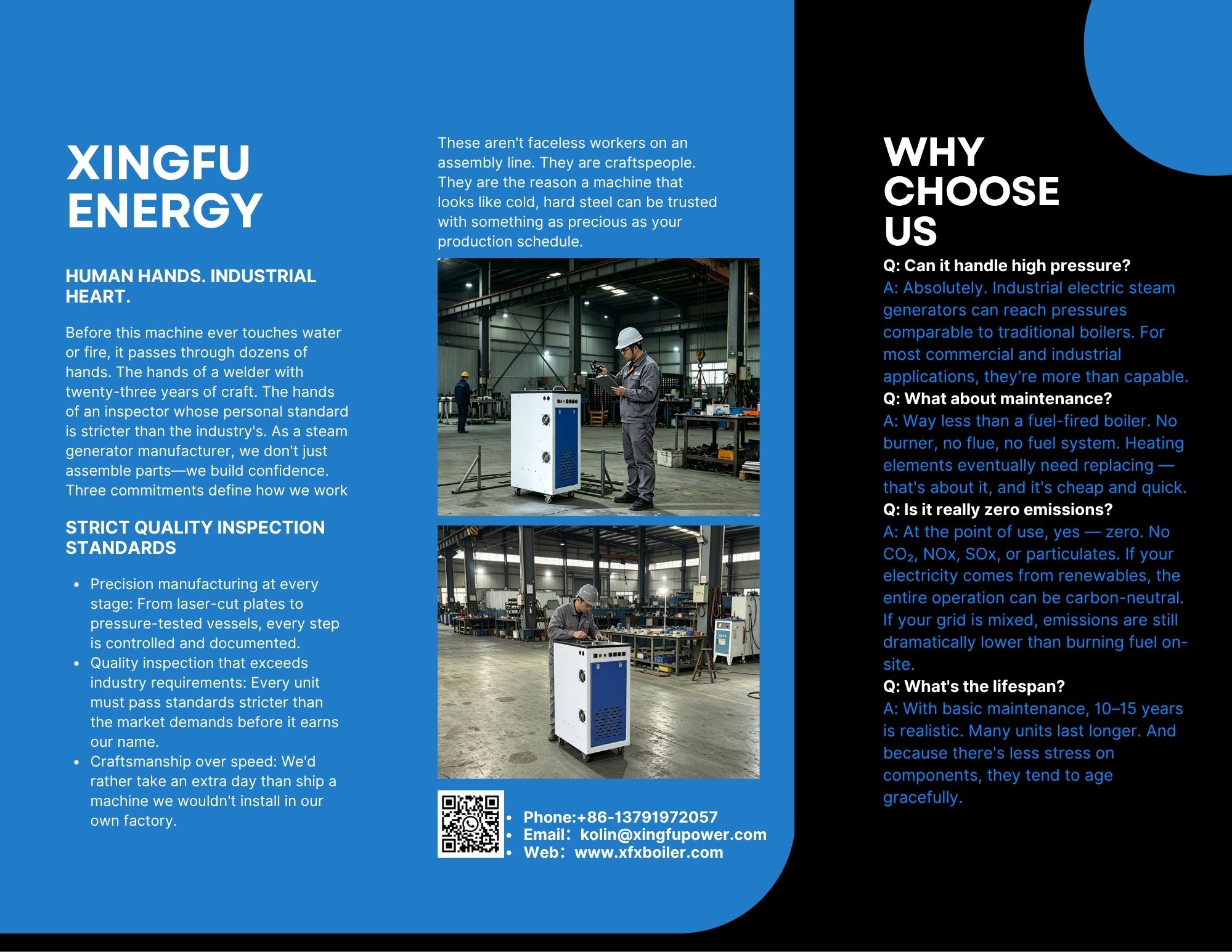
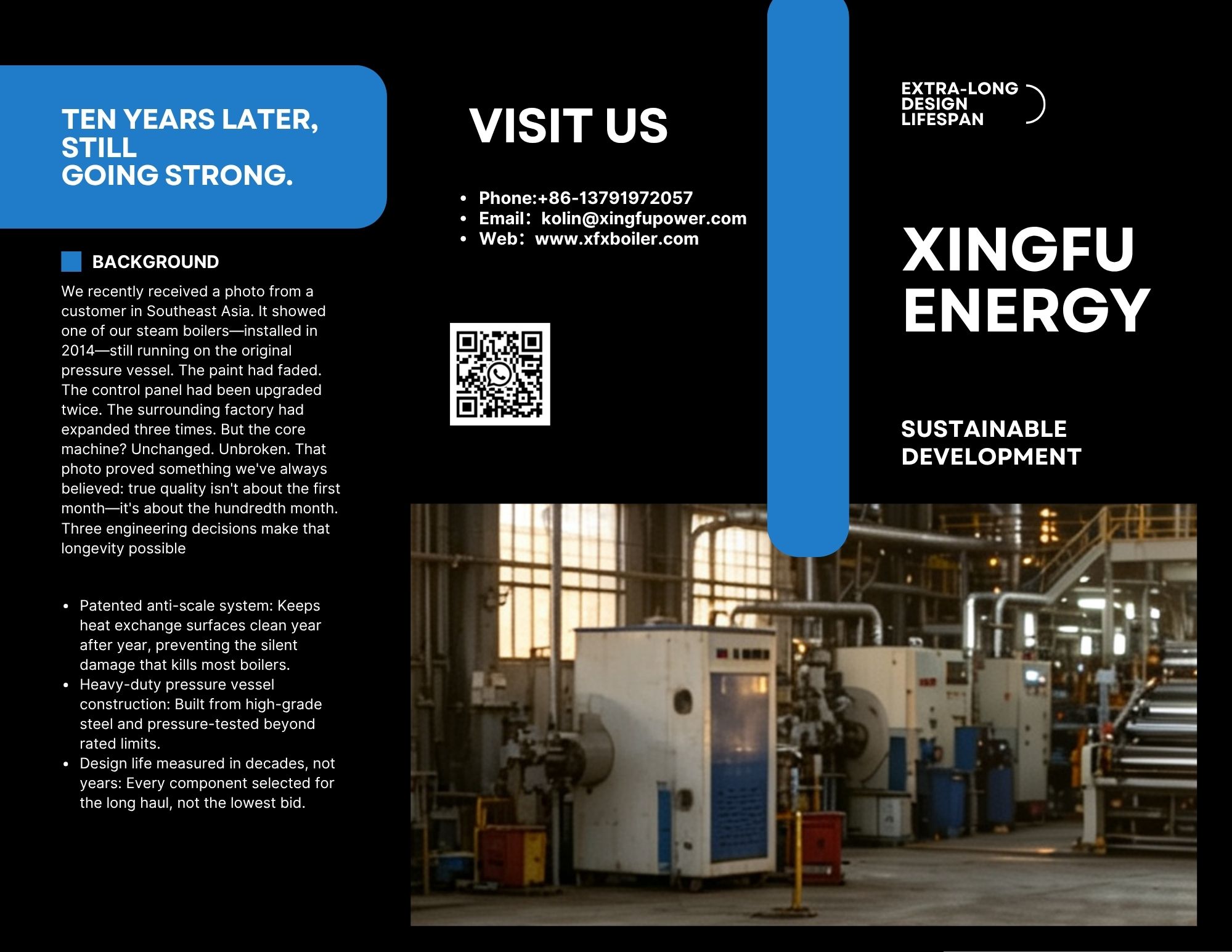
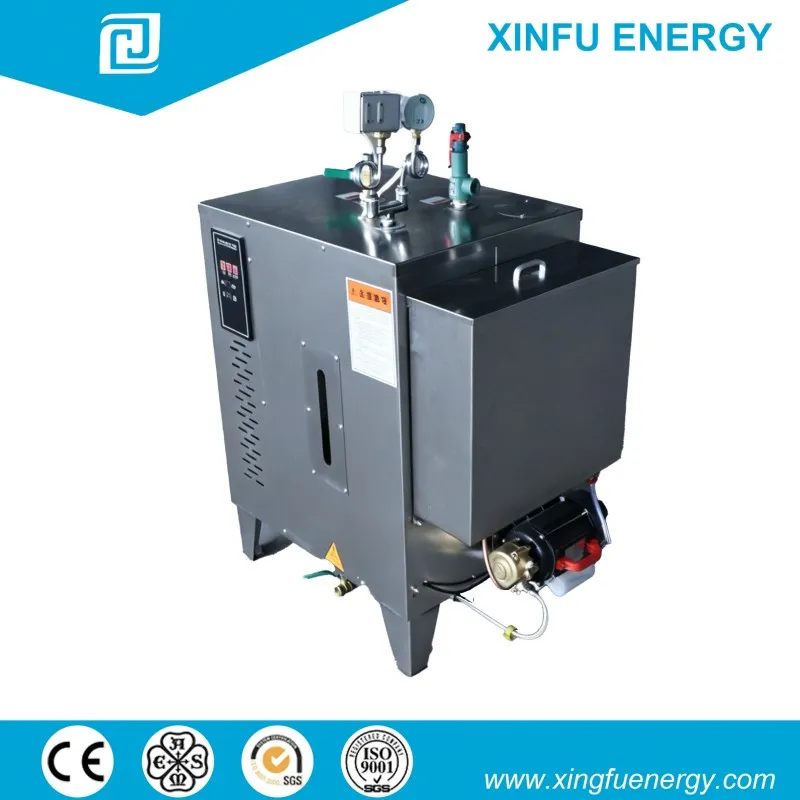
For companies seeking a partner that embodies these qualities, Qingdao Xingfu Energy Equipment Ltd. stands out as a prime example of modern manufacturing excellence. Founded in 2010 and headquartered in Qingdao, China, Xingfu has evolved into a high-tech leader in the global energy equipment sector. With over 14 years of continuous industry experience, the company combines deep manufacturing expertise with relentless innovation.
Xingfu operates as a vertically integrated manufacturer, controlling the entire lifecycle from R&D and design to production and certified transportation. Their 70,500-square-meter production base includes dedicated workshops and advanced testing laboratories, staffed by a team where 21% are technical experts and nearly half of the skilled workers are certified welders. This rigorous attention to human capital ensures that every unit meets stringent international standards, including ISO 9001 and CE certifications.
Their core competency lies in producing industrial electric steam generators and boilers, specifically the compact S-Series automation solutions. These units are engineered for reliability and efficiency, featuring:
With a market presence in over 30 countries—including Poland, Spain, Indonesia, and Korea—Xingfu has established a reputation for transparency and long-term partnership. They don’t just sell equipment; they provide comprehensive technical support from the design phase through installation and ongoing operation, ensuring that clients achieve their sustainability and efficiency goals.
Proper installation is critical for performance and safety. While electric boilers are simpler to install than gas units, several key steps must be followed.
Ensure the floor can support the weight of the boiler, especially when filled with water. Provide adequate clearance around the unit for maintenance access. Verify that the electrical supply matches the boiler’s requirements in terms of voltage, phase, and amperage.
This is the most common cause of boiler failure. Poor water quality leads to scaling on heating elements, reducing efficiency and causing overheating. It can also cause corrosion in the vessel. Implement a water treatment program that includes:
Regularly test water quality and blow down the boiler to remove concentrated solids.
Hire a licensed electrician to perform the connection. Ensure proper grounding and install appropriate circuit breakers and disconnect switches. Use correctly sized cables to prevent voltage drop and overheating.
Before full operation, perform a commissioning check:
While electric boilers are low-maintenance, they are not no-maintenance. A proactive maintenance schedule extends lifespan and maintains efficiency.
Avoid these pitfalls to ensure a successful investment:
The cost varies based on capacity, pressure, and features. Small units (12-50 kW) may range from $2,000 to $5,000. Medium industrial units (100-500 kW) typically cost between $10,000 and $30,000. Large custom systems can exceed $50,000. While upfront costs may be higher than some gas units, the lower installation and maintenance costs often result in a better ROI over 5-7 years.
Operating costs depend on local electricity rates. However, due to 98-99% efficiency, electric boilers use less energy input to produce the same amount of steam compared to gas boilers. In regions with high gas prices or carbon taxes, electric operation can be competitive or even cheaper. Additionally, time-of-use tariffs can be leveraged to run the boiler during off-peak hours for savings.
Direct conversion is usually not feasible due to different design principles. However, you can replace a gas boiler with an electric one. This requires removing the gas infrastructure and upgrading the electrical supply. It is a replacement, not a retrofit of the existing vessel.
With proper maintenance and water treatment, an electric steam boiler can last 15 to 20 years or more. The heating elements may need replacement every 3-5 years depending on usage and water quality, but the pressure vessel itself is highly durable.
No. Since there is no combustion, there are no exhaust gases. This eliminates the need for a chimney, flue, or ventilation hood, saving significant installation space and cost.
Yes, they are considered very safe. There is no risk of gas leaks, carbon monoxide poisoning, or flameouts. Multiple safety interlocks, including pressure relief valves, low-water cut-offs, and over-temperature sensors, ensure safe operation.
Looking beyond 2026, several trends are shaping the future of electric steam generation:
Choosing an electric steam boiler is a strategic decision that aligns with modern industrial goals: efficiency, sustainability, and reliability. As regulations tighten and energy markets evolve, electric boilers offer a future-proof solution for steam generation. They eliminate the complexities of fuel handling, reduce maintenance burdens, and provide the precise control needed for high-quality production.
For businesses in food processing, pharmaceuticals, chemicals, and manufacturing, the transition to electric steam is not just an environmental choice—it is an economic one. By reducing downtime, lowering maintenance costs, and ensuring compliance, these systems deliver tangible value.
When selecting a manufacturer, prioritize experience, certification, and support. Look for a partner who understands your specific application and can provide a tailored solution. Do not settle for generic equipment; invest in a system designed for your unique operational needs.
Ready to upgrade your steam generation system? Evaluate your current steam demand, assess your electrical infrastructure, and consult with a qualified manufacturer to design a system that meets your 2026 production goals.
→ Get a Custom Quote & Technical Specification Sheet
Contact our engineering team today to discuss your project requirements and receive a tailored proposal.
View Related Products & Technical Solutions