-
+86-13791972057
-
No. 3009, Tower 3, Zhuoyue Century Center, No. 31th Longcheng Road, Qingdao, Shandong, China


+86-13791972057
No. 3009, Tower 3, Zhuoyue Century Center, No. 31th Longcheng Road, Qingdao, Shandong, China








2026-10-30
An Energy Saving Steam Generator is an advanced industrial boiler system designed to maximize thermal efficiency while minimizing fuel consumption and operational costs. Unlike traditional boilers, these units utilize rapid heat exchange technology, precise combustion control, and waste heat recovery systems to achieve efficiency rates often exceeding 95%. For industrial buyers in 2026, selecting the right manufacturer involves evaluating not just the upfront price, but the total cost of ownership (TCO), including maintenance, fuel flexibility, and compliance with increasingly strict environmental regulations. This guide provides a comprehensive analysis of pricing structures, technical specifications, and selection criteria for high-efficiency steam generation solutions.
An energy saving steam generator is a compact, high-efficiency device that produces steam for industrial processes by optimizing the transfer of heat from a fuel source to water. The core distinction between these modern generators and conventional fire-tube or water-tube boilers lies in their design philosophy: minimal heat loss and rapid response.
Traditional boilers often suffer from significant standby losses, where heat escapes through the chimney even when the system is idle. In contrast, energy-saving models employ modular designs, advanced insulation materials, and intelligent control systems that adjust output in real-time based on demand. This dynamic operation ensures that fuel is only consumed when steam is actually required, drastically reducing waste.
The efficiency of these systems is driven by several engineering innovations:
The shift towards energy saving steam generators is not merely a trend but a strategic necessity driven by economic and regulatory pressures. In 2026, industrial facilities face higher energy costs and stricter carbon emission limits. Upgrading to high-efficiency steam generation offers tangible benefits across multiple operational dimensions.
Fuel constitutes the largest portion of a steam system’s lifecycle cost. By improving thermal efficiency from the typical 80-85% of older boilers to over 95%, facilities can reduce fuel consumption by 10-15%. For a medium-sized manufacturing plant, this translates to substantial annual savings, often paying back the initial investment within two to three years.
Global environmental standards are tightening. Governments are imposing stricter limits on NOx, SOx, and particulate matter emissions. Energy saving steam generators are designed with low-NOx burners and clean combustion technologies that help facilities meet these regulatory requirements without needing expensive external scrubbing systems.
Modern manufacturing requires agility. Traditional boilers have long startup times, often taking hours to reach operating pressure. Energy saving steam generators can produce saturated steam in minutes, allowing for quick startups and shutdowns. This responsiveness is crucial for industries with intermittent steam demands, such as food processing or textile manufacturing.
These units are significantly more compact than traditional boilers due to their simplified structure and lack of large water volumes. This footprint reduction frees up valuable floor space for production lines. Furthermore, the modular nature allows facilities to add capacity incrementally as production grows, avoiding the capital expense of oversized equipment.
Understanding the technical components that contribute to energy savings is essential for making an informed purchasing decision. Manufacturers integrate several key technologies to optimize performance.
Condensing steam generators capture the latent heat from water vapor in the flue gases. By cooling the exhaust gases below the dew point, the system recovers heat that would otherwise be lost to the atmosphere. This technology is particularly effective in natural gas-fired systems, where the hydrogen content in the fuel produces significant water vapor during combustion.
Heat loss through the boiler shell is a common inefficiency in older systems. Modern energy saving steam generators use high-performance insulation materials, such as ceramic fiber or nano-aerogel composites, which have extremely low thermal conductivity. This ensures that heat remains within the combustion chamber and heat exchanger, maintaining high surface temperatures for efficient transfer.
The integration of Internet of Things (IoT) sensors and AI-driven control algorithms allows for predictive maintenance and real-time optimization. These systems monitor parameters such as water quality, pressure, temperature, and flame stability. If deviations occur, the system automatically adjusts settings or alerts operators, preventing efficiency drops and potential failures.
Pricing for energy saving steam generators varies widely based on capacity, fuel type, brand reputation, and included features. In 2026, the market has stabilized around specific price bands for different industrial segments. It is crucial to note that the “sticker price” is only part of the equation; installation, auxiliary equipment, and long-term maintenance must be considered.
The following table provides estimated price ranges for standard industrial models. These figures represent the equipment cost only and may vary by region and manufacturer.
| Steam Capacity (kg/h) | Power Rating (kW) | Estimated Price Range (USD) | Typical Applications |
|---|---|---|---|
| 100 – 300 kg/h | 70 – 210 kW | $8,000 – $15,000 | Small laundries, laboratories, pilot plants |
| 500 – 1,000 kg/h | 350 – 700 kW | $18,000 – $35,000 | Food processing, small textile mills, hospitals |
| 1,500 – 2,000 kg/h | 1,050 – 1,400 kW | $40,000 – $65,000 | Medium manufacturing, chemical processing |
| 3,000 – 5,000 kg/h | 2,100 – 3,500 kW | $75,000 – $120,000 | Large industrial plants, power generation support |
| Custom/Modular Systems | > 5,000 kW | Quote on Request | Heavy industry, district heating |
Selecting a reliable manufacturer is critical for ensuring long-term performance and support. In 2026, the market is fragmented, with numerous suppliers claiming high efficiency. Buyers should evaluate manufacturers based on specific criteria to avoid poor-quality equipment.
A reputable manufacturer invests heavily in research and development. Look for companies that hold patents for combustion technology, heat exchange designs, and control systems. Ask about their engineering team’s experience and their ability to customize solutions for specific industrial needs.
Verify that the manufacturer adheres to international quality standards. Key certifications to look for include ISO 9001 for quality management and ASME or PED (Pressure Equipment Directive) for pressure vessel safety. A robust quality control process ensures that each unit meets specified performance criteria.
Steam generators require regular maintenance to maintain efficiency. Choose a manufacturer with a strong after-sales support network, including accessible spare parts, technical documentation, and trained service engineers. Rapid response times for repairs are essential to minimize downtime.
Request case studies from similar industries. Speaking with existing customers can provide insights into the reliability of the equipment and the quality of support. Look for manufacturers with a proven track record in your specific sector, whether it is food processing, pharmaceuticals, or heavy manufacturing.
To illustrate what a top-tier manufacturer looks like in practice, consider Qingdao Xingfu Energy Equipment Ltd. Founded in 2010 and headquartered in Qingdao, China, Xingfu has evolved into a vertically integrated high-tech enterprise with a stable presence in over 30 countries, including markets in Europe, Asia, and beyond.
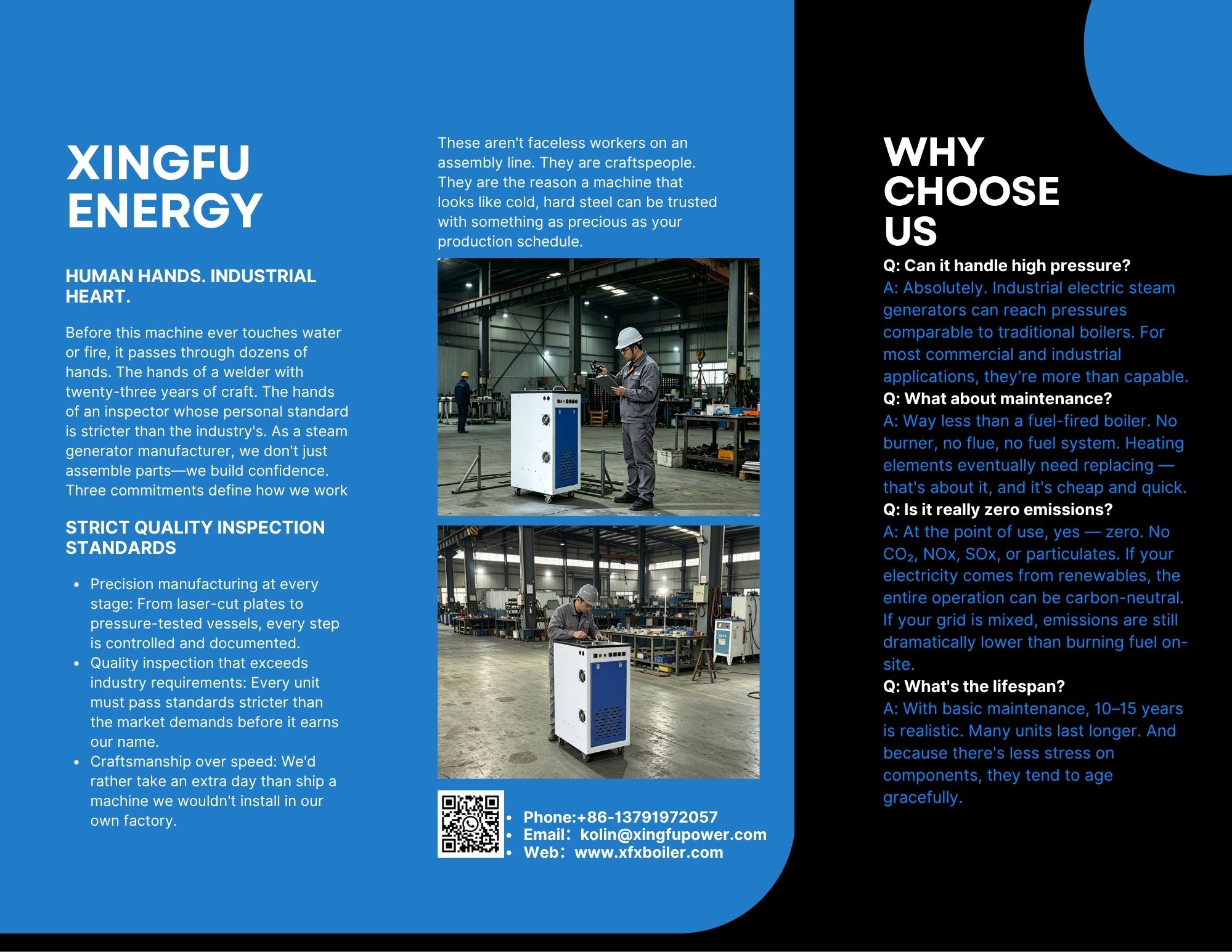
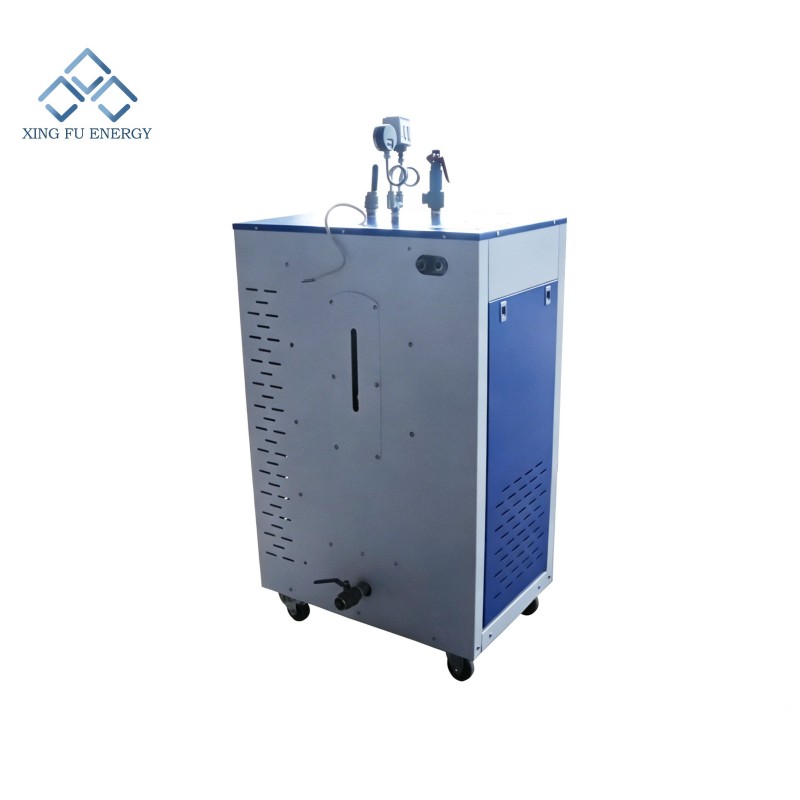
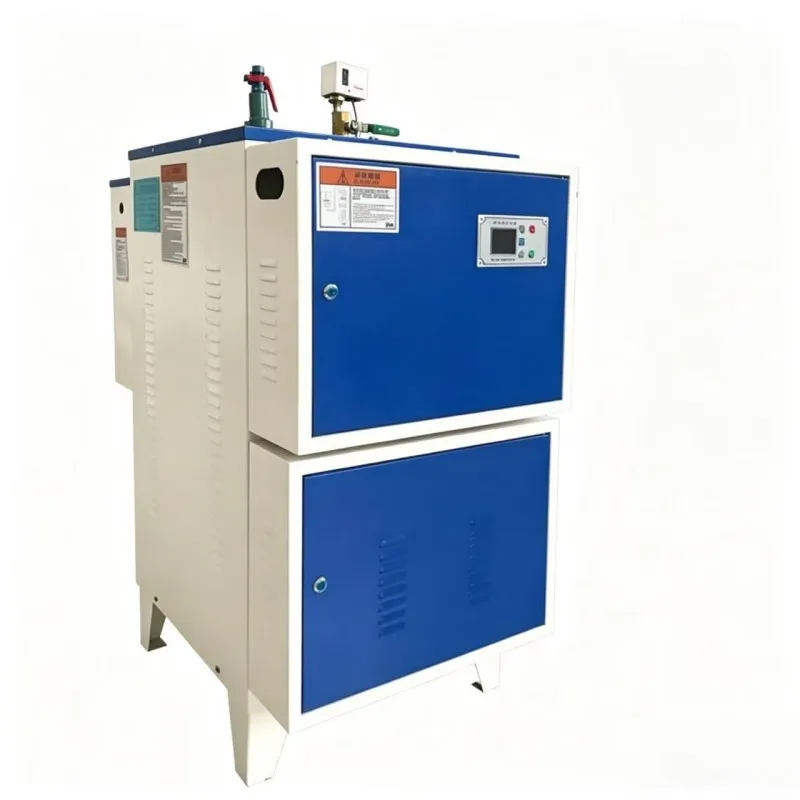
Xingfu exemplifies the blend of deep manufacturing experience and continuous innovation required in today’s market. With a production base spanning 70,500 square meters and a workforce where over 21% are technical experts, the company maintains rigorous control over every stage of production—from R&D to certified transportation. Their product line focuses heavily on electric steam generators and intelligent steam boilers, such as their compact S-Series automation solutions. These units are crafted from stainless steel, meet strict environmental safety requirements, and achieve zero emissions during operation, aligning perfectly with the 2026 regulatory landscape.
What sets Xingfu apart is its commitment to the entire lifecycle of the equipment. Holding Class B boiler and Class 1/2 container manufacturing licenses, along with ISO 9001 and CE certifications, they ensure that their high-power electric steam boilers and purpose-built textile heating solutions are not only efficient but also safe and durable. Their approach emphasizes long-term partnerships, offering technical support during design, equipment selection consulting, and ongoing operational assistance, reflecting a philosophy grounded in quality responsibility and sustainable development.
To understand the value proposition of energy saving steam generators, it is helpful to compare them directly with traditional industrial boilers. This comparison highlights the operational and economic advantages of modern technology.
| Feature | Energy Saving Steam Generator | Traditional Fire-Tube Boiler |
|---|---|---|
| Thermal Efficiency | 95% – 98% | 80% – 85% |
| Startup Time | 3 – 5 minutes | 30 – 60 minutes |
| Footprint | Compact, modular | Large, requires dedicated boiler room |
| Water Volume | Low (fast response) | High (slow response, safety risk) |
| Maintenance | Simple, fewer moving parts | Complex, requires regular cleaning of large tubes |
| Lifespan | 15 – 20 years | 10 – 15 years (with proper care) |
| Emissions | Low NOx, compliant with strict regs | Higher emissions, may need retrofits |
The data clearly indicates that while traditional boilers may have a lower initial purchase price in some cases, the operational advantages of energy saving steam generators result in lower total cost of ownership over time.
Energy saving steam generators are versatile and can be applied across various industries. Understanding specific application requirements helps in selecting the right configuration.
In food processing, steam is used for cooking, sterilization, and cleaning. Hygiene and precise temperature control are paramount. Energy saving steam generators provide rapid steam production, allowing for quick batch processing. Their compact size is ideal for facilities with limited space, and their high efficiency reduces the cost of energy-intensive processes like pasteurization.
Textile production relies heavily on steam for dyeing, drying, and ironing. The demand for steam can fluctuate significantly depending on production schedules. Modular steam generators allow facilities to scale output dynamically, avoiding the energy waste associated with running a large boiler at low load during off-peak hours.
Hospitals and pharmaceutical plants require sterile, high-quality steam for sterilization and humidification. Reliability is critical in these environments. Energy saving steam generators with redundant modular designs ensure continuous operation even if one unit undergoes maintenance. The precise control systems also help maintain consistent steam quality, which is essential for regulatory compliance.
Chemical processes often require steam at specific pressures and temperatures for reactions and distillation. The high efficiency and precise control of modern steam generators help optimize these processes, reducing energy costs and improving product yield. Additionally, the ability to handle various fuel types, including waste gases, can further enhance sustainability.
Proper installation and optimization are crucial for achieving the promised energy savings. Follow these steps to ensure your energy saving steam generator operates at peak performance.
Before installation, conduct a thorough site assessment. Determine the optimal location for the unit, considering access for maintenance, ventilation requirements, and proximity to steam usage points. Ensure that the foundation can support the weight of the equipment and that all necessary utilities (gas, water, electricity) are available.
Hire qualified technicians to install the steam generator. Ensure that all connections, including fuel lines, water supply, and steam outlets, are properly sealed and insulated. Install safety valves, pressure gauges, and other required safety devices according to local regulations and manufacturer guidelines.
During commissioning, test the system under various load conditions. Verify that the combustion controls are calibrated correctly and that the safety interlocks function as intended. Check for leaks and ensure that the water treatment system is operating effectively to prevent scale and corrosion.
Train your operators on the proper use and maintenance of the steam generator. They should understand how to monitor key parameters, perform routine checks, and respond to alarms. Proper training is essential for preventing operational errors that can lead to inefficiencies or equipment damage.
Implement a regular maintenance schedule. This includes cleaning heat exchange surfaces, checking burner settings, and testing safety devices. Use the IoT monitoring system, if available, to track performance trends and identify potential issues before they become serious problems.
Even experienced buyers can make mistakes when purchasing industrial steam generators. Avoid these common pitfalls to ensure a successful investment.

Most users report fuel savings of 10% to 20% compared to traditional boilers. The exact amount depends on the efficiency of the old system, the operating profile, and the specific technology used in the new generator.
With proper maintenance and water treatment, these systems typically last 15 to 20 years. High-quality materials and robust construction contribute to this longevity.
Yes, many modern steam generators are designed to be fuel-flexible. Some models can operate on biomass, biogas, or hybrid systems, supporting sustainability goals.
Routine checks should be performed daily or weekly, depending on usage. Major maintenance, such as cleaning heat exchangers and inspecting burners, is typically recommended annually or after a certain number of operating hours.
The transition is generally straightforward, especially with modular systems that can be installed alongside existing infrastructure. However, professional engineering support is recommended to ensure seamless integration with existing piping and control systems.
Look for ASME (American Society of Mechanical Engineers) certification for pressure vessels, CE marking for European compliance, and ISO 9001 for quality management. Local certifications may also be required depending on your region.
Maintaining the efficiency of your energy saving steam generator requires a proactive approach. Regular maintenance not only extends the life of the equipment but also ensures that it continues to operate at peak efficiency.
Water quality is the single most important factor in boiler longevity. Implement a rigorous water treatment program to control hardness, alkalinity, and dissolved solids. Regularly test feedwater and boiler water to ensure they meet manufacturer specifications. Blowdown procedures should be optimized to remove sludge and concentrate impurities without wasting excessive heat and water.
Perform regular combustion analysis to ensure that the air-to-fuel ratio is optimal. Changes in fuel quality or ambient conditions can affect combustion efficiency. Adjust the burner settings as needed to maintain low excess oxygen levels and minimize NOx emissions.
Over time, soot and scale can accumulate on heat exchange surfaces, reducing heat transfer efficiency. Schedule regular cleaning of the heat exchanger tubes or coils. For gas-fired units, soot buildup is less common but still possible. For oil-fired or biomass units, frequent cleaning is essential.
Safety valves, pressure switches, and low-water cutoffs must be tested regularly to ensure they function correctly. These devices protect the equipment and personnel from hazardous conditions. Keep detailed records of all tests and inspections.
As we look beyond 2026, several trends are shaping the future of industrial steam generation. Staying informed about these developments can help facilities plan for long-term sustainability and efficiency.
Hybrid systems that combine steam generators with solar thermal or waste heat recovery from other processes are becoming more common. These systems reduce reliance on fossil fuels and lower carbon footprints.
Advanced AI algorithms are being used to predict equipment failures before they occur. By analyzing data from sensors, these systems can identify subtle changes in performance that indicate impending issues, allowing for timely maintenance and avoiding unplanned downtime.
With the increasing availability of renewable electricity, electric steam generators are gaining traction. While currently more expensive to operate in many regions due to electricity costs, they offer zero onsite emissions and high efficiency. As grid decarbonization progresses, electric steam may become a viable option for more industries.
Investing in an Energy Saving Steam Generator is a strategic decision that delivers immediate and long-term benefits. By reducing fuel consumption, lowering emissions, and enhancing operational flexibility, these systems provide a competitive advantage in today’s industrial landscape. The key to maximizing these benefits lies in selecting the right manufacturer, choosing the appropriate capacity and configuration, and committing to rigorous maintenance and optimization.
For facility managers and procurement officers, the focus should shift from initial purchase price to total cost of ownership. The modest premium for high-efficiency, technologically advanced equipment is quickly offset by operational savings and reduced environmental impact. As regulations tighten and energy costs rise, the adoption of energy saving steam generators will continue to accelerate.
If you are considering upgrading your steam generation infrastructure, now is the ideal time to evaluate your options. Assess your current steam demand, review your energy bills, and consult with reputable manufacturers to find a solution that fits your specific needs.
Ready to optimize your industrial steam system?
Contact our technical team today for a customized consultation. We can help you calculate your potential savings, select the right model, and plan a seamless installation. Explore our full range of Energy Saving Steam Generator solutions to start your journey towards greater efficiency and sustainability.