-
+86-13791972057
-
No. 3009, Tower 3, Zhuoyue Century Center, No. 31th Longcheng Road, Qingdao, Shandong, China


+86-13791972057
No. 3009, Tower 3, Zhuoyue Century Center, No. 31th Longcheng Road, Qingdao, Shandong, China








2026-10-27
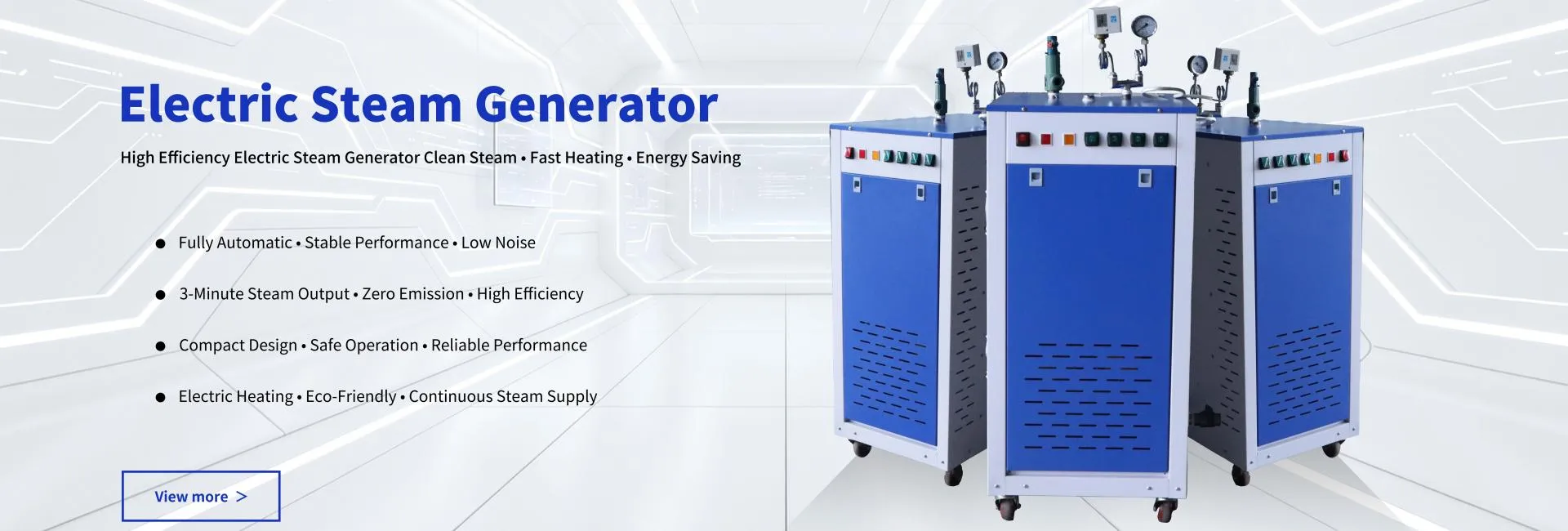
An industrial electric steam generator is a high-efficiency, compact boiler system that converts electrical energy into thermal energy to produce saturated or superheated steam for manufacturing processes. Unlike traditional fossil-fuel boilers, these units utilize advanced heating elements—such as stainless steel or Incoloy alloys—to heat water directly, achieving thermal efficiencies exceeding 98%. In 2026, industries ranging from food processing to pharmaceuticals are increasingly adopting electric steam generators due to strict carbon emission regulations, the need for precise temperature control, and lower maintenance requirements. This guide details technical specifications, selection criteria, operational advantages, and factory-direct pricing structures for B2B buyers seeking reliable steam solutions.
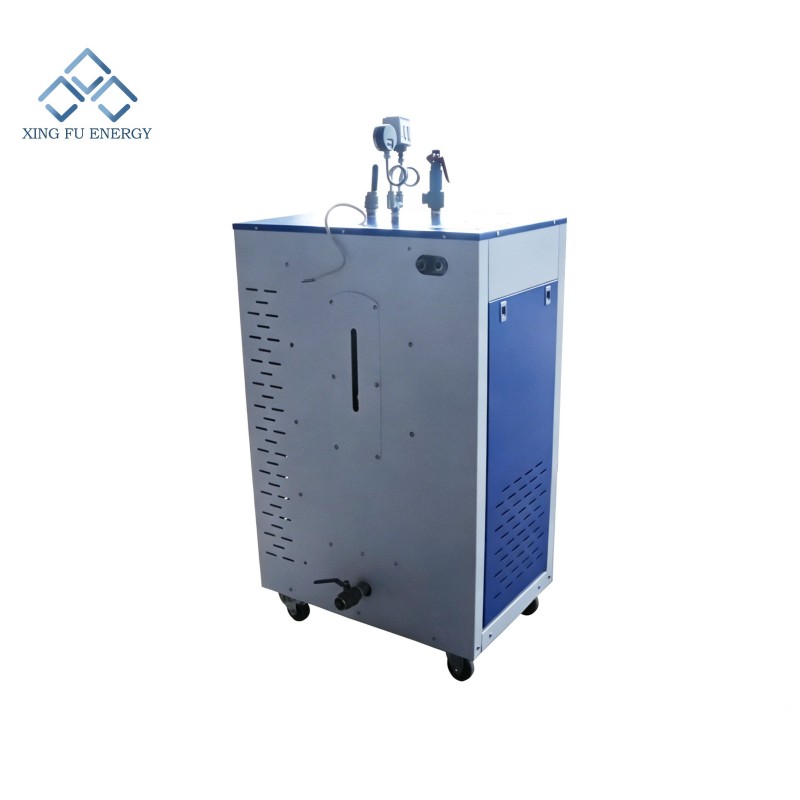
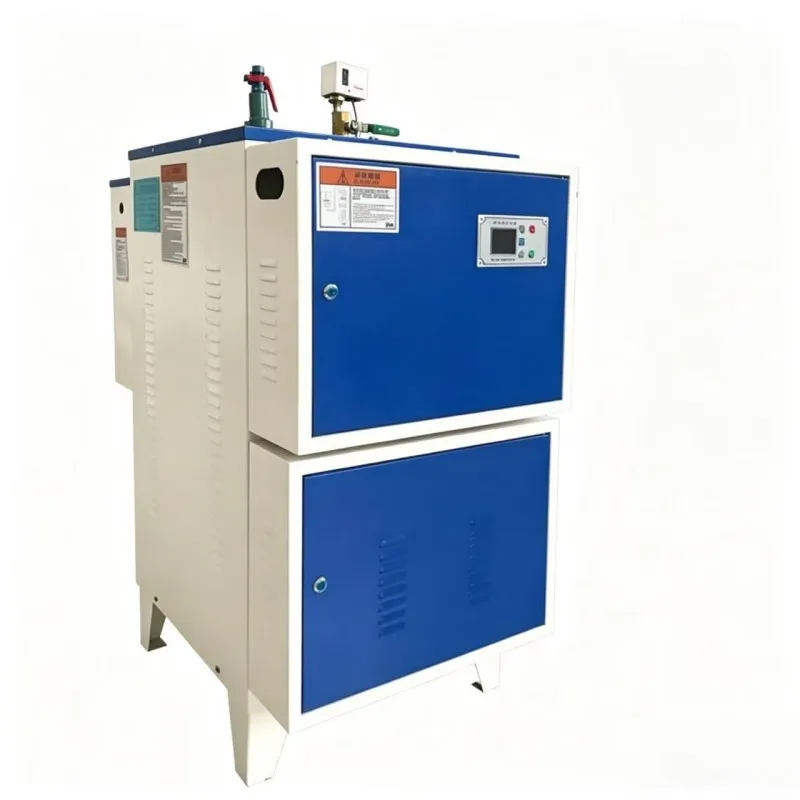
An industrial electric steam generator is a pressure vessel designed to generate steam on demand using electricity as the primary energy source. The core mechanism involves submerging high-resistance heating elements into a water chamber. When an electric current passes through these elements, resistive heating occurs, transferring thermal energy to the water until it reaches its boiling point and transitions into steam.
These systems are distinct from traditional fire-tube or water-tube boilers because they do not require combustion chambers, fuel storage tanks, or complex exhaust flue systems. This fundamental difference allows for a significantly smaller footprint, making them ideal for facilities with limited space or those located in urban industrial zones where gas connections are restricted.
Understanding the internal architecture is crucial for maintenance and operational efficiency. A standard industrial electric steam generator comprises several key subsystems:
The working principle is straightforward yet highly effective. Water enters the vessel, and the PLC activates the heating elements based on the set pressure threshold. As steam is generated, pressure rises. Once the target pressure is reached, the controller modulates or cuts off power to the elements. When steam is consumed by the application, pressure drops, triggering the elements to re-engage. This cycle ensures a constant supply of steam without significant energy waste.
The shift toward electrification in industrial heating is driven by both regulatory pressures and operational economics. In 2026, the total cost of ownership (TCO) for electric steam generators often outweighs initial capital expenditure benefits when compared to gas or oil-fired counterparts.
Global manufacturing standards are tightening. Many regions have implemented strict limits on NOx, SOx, and particulate matter emissions. Electric steam generators produce zero local emissions. For companies aiming to achieve ISO 14001 certification or meet corporate sustainability goals, switching to electric steam is a direct and measurable step toward decarbonization.
Traditional boilers lose significant energy through flue gases and radiation. Electric generators, however, convert nearly all input electricity into heat. With thermal efficiencies consistently above 98%, less energy is wasted. Furthermore, the ability to modulate power output allows these units to match steam demand precisely, avoiding the cycling losses common in oversized fossil-fuel boilers.
Without the need for fuel storage tanks, ventilation shafts, or complex chimney systems, electric steam generators can be installed in tight spaces. They are often skid-mounted, allowing for easy integration into existing production lines. This modularity supports scalable expansion; facilities can add multiple smaller units rather than relying on a single large boiler, enhancing redundancy and reliability.
The absence of combustion means no soot buildup, no burner tuning, and no annual flue gas analysis requirements. Maintenance primarily focuses on water quality management and periodic inspection of heating elements. This simplicity reduces downtime and lowers the need for specialized boiler technicians.
Industrial electric steam generators are versatile and serve a wide array of sectors. Their ability to provide clean, dry, and precisely controlled steam makes them indispensable in sensitive environments.
In the food industry, hygiene is paramount. Electric steam generators produce sterile steam, free from combustion byproducts. They are used for:
Pharmaceutical manufacturing requires strict adherence to Good Manufacturing Practices (GMP). Electric steam is ideal for:
Steam is central to textile processing. Electric generators offer rapid response times, which is crucial for:
In chemical processing, precise temperature control is vital for reaction kinetics. Electric steam generators are used for:
Rapid curing of concrete products requires consistent heat and humidity. Electric steam generators provide a controlled environment for precast concrete plants, accelerating production cycles and improving product strength.
Selecting the right industrial electric steam generator requires a clear understanding of technical parameters. Below is a detailed breakdown of standard specifications found in 2026 models.
| Parameter | Description | Typical Range |
|---|---|---|
| Evaporation Capacity | The amount of steam produced per hour. | 50 kg/h to 2000 kg/h |
| Working Pressure | The maximum operating pressure of the vessel. | 0.7 MPa to 1.6 MPa (7-16 bar) |
| Steam Temperature | The temperature of the saturated steam at working pressure. | 170°C to 200°C |
| Thermal Efficiency | The ratio of useful heat output to electrical energy input. | > 98% |
| Power Supply | Voltage and phase requirements. | 380V/400V/480V, 3-Phase, 50/60Hz |
| Steam Dryness | The percentage of steam that is vapor vs. liquid water. | > 98% |
| Control Accuracy | Precision of pressure and temperature regulation. | ±0.01 MPa / ±1°C |
Electric steam generators are high-power devices. A typical 100 kg/h unit may require approximately 72 kW of power. Larger units can exceed 500 kW. It is essential to verify that your facility’s electrical infrastructure can support the load. This includes checking transformer capacity, cable sizing, and breaker ratings. In many cases, installing a dedicated transformer for the steam generation system is recommended to avoid voltage fluctuations affecting other machinery.
Quality manufacturing adheres to international standards. Look for generators built with ASME-certified pressure vessels or equivalent local standards (such as PED in Europe or GB in China). Heating elements should comply with IEC standards for electrical safety. Certifications such as CE, UL, or ISO 9001 indicate that the manufacturer follows rigorous quality control processes.
Choosing the correct model involves balancing capacity, pressure, and operational constraints. Follow this step-by-step selection guide to ensure optimal performance.
Calculate the maximum hourly steam consumption of your application. Consider peak loads rather than average usage. If your process has fluctuating demand, consider a modular setup with multiple smaller units that can be staged on and off. This approach improves part-load efficiency and provides backup capability.
Different applications require different steam pressures. For example, garment ironing typically requires 0.4-0.7 MPa, while chemical reactors may need 1.0-1.6 MPa. Higher pressure results in higher temperature steam, which transfers heat more effectively but requires thicker-walled vessels and higher-rated components.
Water quality is the single most important factor in the longevity of an electric steam generator. Hard water leads to scale formation on heating elements, reducing efficiency and causing premature failure. Ideally, use softened or deionized water with conductivity below 50 µS/cm. If raw water hardness is high, invest in a robust water treatment system upstream.
Verify the available voltage and amperage at your installation site. Most industrial units require three-phase power. Ensure that your switchgear can handle the inrush current during startup, although modern soft-start controllers mitigate this issue. Calculate the total connected load to determine if upgrades to your main distribution panel are necessary.
In 2026, smart manufacturing is standard. Look for generators with PLC controls that support remote monitoring via Modbus, RS485, or Ethernet protocols. Integration with SCADA systems allows for predictive maintenance, energy usage tracking, and automated fault diagnostics.
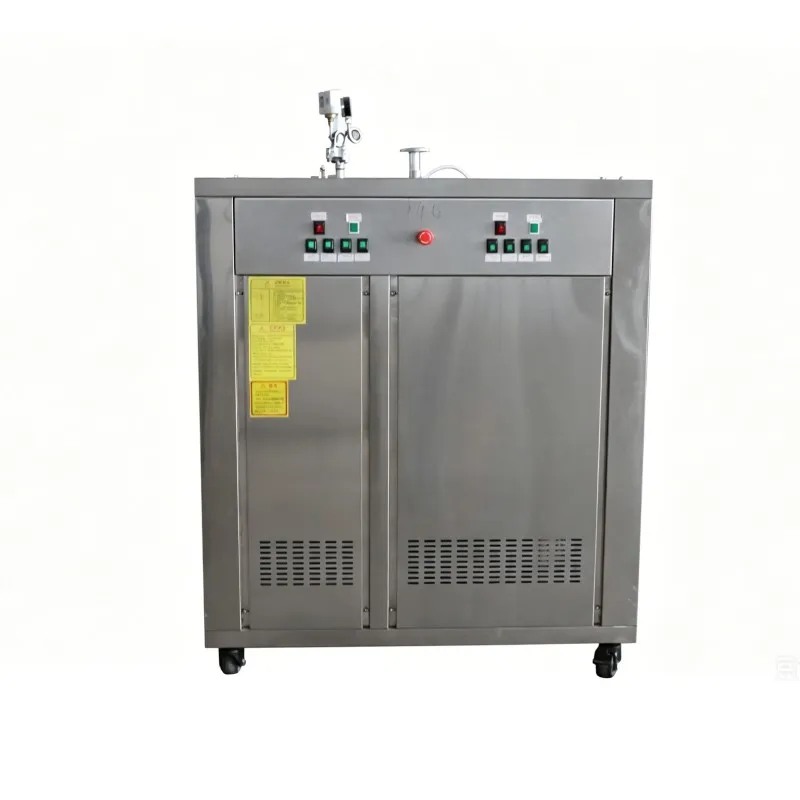
To make an informed investment decision, it is helpful to compare electric steam generators with other common fuel sources. The following table highlights key differences.
| Feature | Electric Steam Generator | Gas-Fired Boiler | Biomass Boiler |
|---|---|---|---|
| Initial Cost | Moderate | High (requires gas line & venting) | High (requires fuel handling system) |
| Operating Cost | Dependent on electricity rates | Dependent on gas prices | Low (if biomass is locally sourced) |
| Efficiency | > 98% | 85-92% | 75-85% |
| Emissions | Zero local emissions | NOx, CO2 emissions | Particulate matter, ash |
| Maintenance | Low (no combustion parts) | Medium (burner tuning, flue cleaning) | High (ash removal, grate cleaning) |
| Footprint | Compact | Large (needs clearance) | Very Large (fuel storage) |
| Safety | High (no fuel storage) | Medium (gas leak risk) | Low (fire hazard) |
While electricity prices vary by region, the reduced maintenance costs, lack of regulatory compliance burdens for emissions, and higher efficiency often make electric generators the most cost-effective solution for small to medium-sized industrial applications in the long run.
Proper installation and operation are critical to maximizing the lifespan and efficiency of your industrial electric steam generator.
Regular maintenance ensures reliable operation and prevents unexpected downtime. Here is a structured maintenance schedule.
Issue: Low Steam Pressure
Possible Causes: Insufficient power supply, scaled heating elements, or excessive steam demand.
Solution: Check voltage, descale elements, or reduce load.
Issue: Water Carryover (Wet Steam)
Possible Causes: High water level, high TDS (Total Dissolved Solids), or faulty separator.
Solution: Adjust water level, perform blowdown, or inspect separator.
Issue: Unit Not Starting
Possible Causes: Tripped breaker, low water level alarm, or faulty pressure switch.
Solution: Reset breaker, refill water, or replace sensor.
Understanding the pricing structure helps in budgeting and negotiation. Factory-direct prices for industrial electric steam generators vary based on capacity, material quality, and customization.
| Capacity | Power (kW) | Estimated Price Range (USD) |
|---|---|---|
| 50 kg/h | 36 kW | $2,500 – $4,000 |
| 100 kg/h | 72 kW | $4,500 – $6,500 |
| 500 kg/h | 360 kW | $12,000 – $18,000 |
| 1000 kg/h | 720 kW | $22,000 – $32,000 |
Note: Prices are indicative and subject to change based on raw material costs, exchange rates, and specific customization requirements. Always request a formal quotation from the manufacturer.
When evaluating price, consider the TCO. While electric units may have higher energy costs per kWh compared to natural gas per BTU in some regions, the savings in maintenance, insurance, and regulatory compliance often offset this. Additionally, the longer lifespan of electric elements compared to burners contributes to lower long-term replacement costs.
Consumption is directly related to steam output. To produce 1 kg of steam, approximately 0.75 to 0.8 kWh of electricity is required, depending on inlet water temperature and system efficiency. For a 100 kg/h unit, expect a consumption of roughly 75-80 kWh per hour at full load.
It is not recommended. Tap water often contains minerals that cause scaling. Scaling insulates heating elements, reducing efficiency and leading to burnout. Use softened or demineralized water with conductivity below 50 µS/cm for optimal performance.
With proper water treatment and regular maintenance, heating elements can last 2 to 5 years. Poor water quality is the primary cause of premature element failure.
Regulations vary by country and locality. Generally, electric boilers face fewer regulatory hurdles than gas or oil boilers because they do not emit pollutants. However, pressure vessel regulations still apply. Consult local authorities regarding registration and inspection requirements.
Electric generators have rapid startup times. Most units can reach operating pressure within 10 to 15 minutes from a cold start, significantly faster than traditional fire-tube boilers which may take hours.
Yes, most modern industrial electric steam generators come with communication ports (RS485, Modbus RTU/TCP) that allow seamless integration with facility-wide SCADA or PLC systems for centralized monitoring and control.
Selecting the right technology is only half the battle; choosing a reliable manufacturing partner is equally critical. Qingdao Xingfu Energy Equipment Ltd., established in 2010 and headquartered in Qingdao, Shandong Province, stands out as a premier high-tech supplier in the global energy equipment market. With over 14 years of continuous industry experience, Xingfu has evolved into a vertically integrated manufacturer, overseeing the entire lifecycle from research and design to manufacturing and certified transportation.
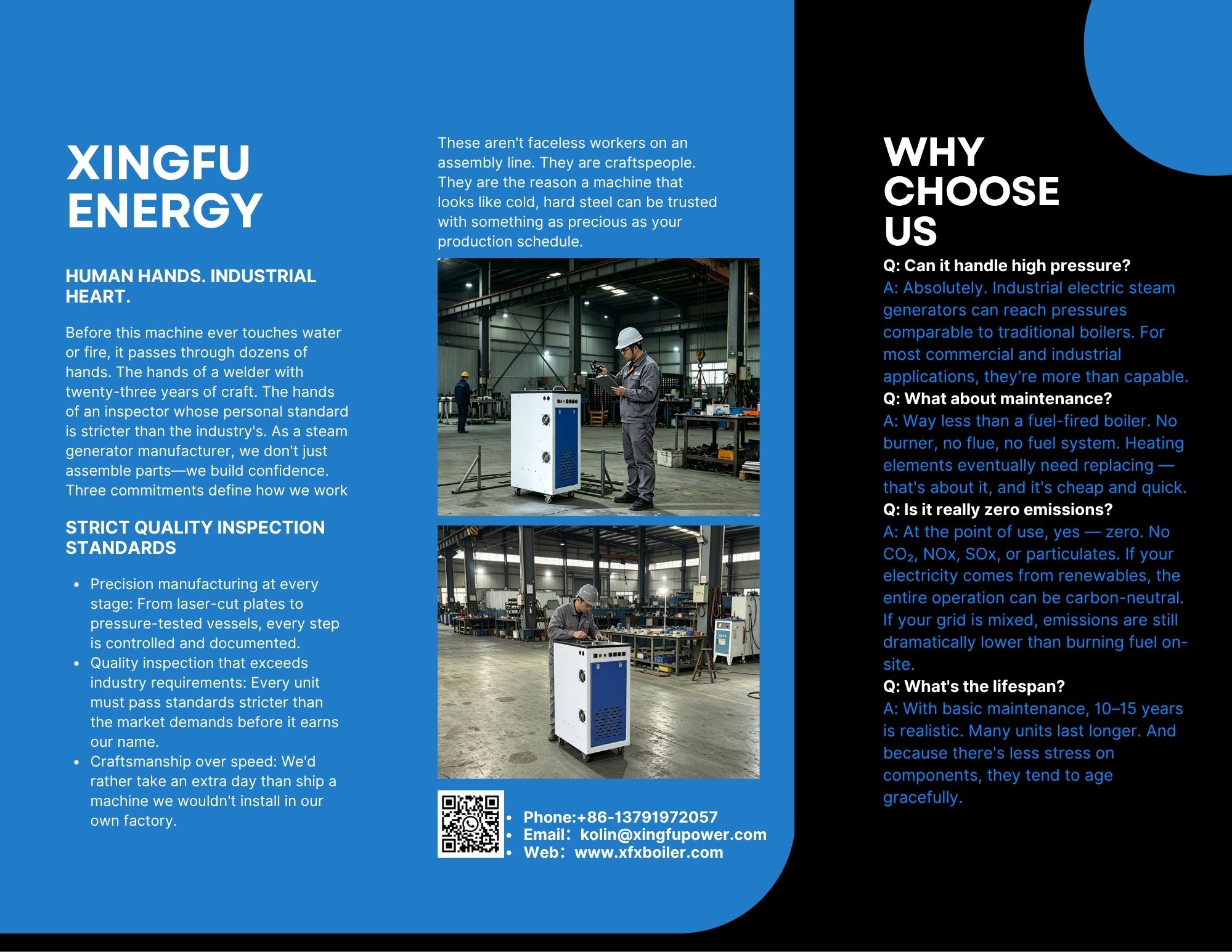
Xingfu operates a massive 70,500-square-meter production base, featuring 21,000 square meters of dedicated workshops. The company’s strength lies in its human capital: out of 228 employees, 78 are technical experts, including 28 specialized engineers. This robust technical team, combined with 65 certified welders, ensures that every unit meets stringent international standards. The company holds manufacturing licenses for Class B boilers and Class 1 and 2 pressure containers, alongside ISO 9001 and CE certifications, guaranteeing quality and safety compliance for European and global markets.
While Xingfu offers a broad range of energy equipment, its core competency lies in industrial electric steam generators and boilers. Their product lineup includes the compact S-Series automation solutions, which feature fully automated controls, intelligent fast-steam capabilities, and high-power configurations for continuous production lines. These units are constructed from high-grade stainless steel, ensuring durability and zero emissions during operation. Designed for seamless integration, Xingfu’s generators are particularly suited for textile, food, and pharmaceutical applications where precision and hygiene are non-negotiable.
Since beginning exports in 2012, Qingdao Xingfu has supplied equipment to over 30 countries, including Mongolia, Indonesia, Korea, Malaysia, Poland, and Spain. The company’s philosophy centers on long-term partnerships, offering comprehensive support that extends beyond the sale. From technical consultation during the design phase to installation assistance and ongoing operational support, Xingfu ensures that clients maximize the efficiency and longevity of their steam systems. This commitment to transparency, quality responsibility, and sustainable development has earned Xingfu a reputation as a technologically mature and reliable partner in the international industrial energy sector.
The transition to an industrial electric steam generator represents a strategic move toward efficient, compliant, and reliable industrial heating. In 2026, the benefits of zero emissions, high thermal efficiency, and minimal maintenance make these systems a superior choice for forward-thinking manufacturers. Whether you are in food processing, pharmaceuticals, or textiles, selecting the right capacity and ensuring proper water treatment will maximize your return on investment.
By choosing a reputable manufacturer like Qingdao Xingfu Energy Equipment Ltd., you secure not just a piece of equipment, but a long-term partnership focused on operational excellence. Evaluate your specific steam demands, assess your electrical infrastructure, and prioritize water quality to ensure seamless integration into your production line.
For detailed technical specifications, custom configuration options, and competitive factory pricing, explore our comprehensive range of steam solutions. Our engineering team is ready to assist you in selecting the perfect model for your industrial needs.