-
+86-13791972057
-
No. 3009, Tower 3, Zhuoyue Century Center, No. 31th Longcheng Road, Qingdao, Shandong, China


+86-13791972057
No. 3009, Tower 3, Zhuoyue Century Center, No. 31th Longcheng Road, Qingdao, Shandong, China








2026-10-23
Fast steam production refers to the capability of industrial boiler systems to generate saturated or superheated steam from a cold start to full operating pressure in minimal time, typically ranging from 5 to 15 minutes. This rapid response is achieved through optimized heat transfer surface areas, low water volume designs, and advanced combustion control systems. For modern manufacturing facilities, achieving fast steam production reduces energy waste during startup, enhances operational flexibility, and ensures immediate availability of process heat for critical applications such as sterilization, food processing, and chemical reactions.
In the context of industrial thermodynamics, fast steam production is not merely about heating water quickly; it is an engineering balance between thermal efficiency, structural integrity, and safety. Traditional fire-tube boilers often require 30 to 60 minutes to reach working pressure due to their large water volumes and massive steel structures that must be heated before steam can be generated efficiently. In contrast, modern high-efficiency boilers designed for rapid steam generation utilize water-tube or hybrid designs with significantly lower water content.
The core principle behind rapid steam generation lies in the heat flux density. By increasing the surface area available for heat exchange relative to the volume of water, manufacturers can transfer energy from the combustion gases to the water more aggressively. This allows the system to respond dynamically to load changes. When a facility demands steam, the boiler does not need to overcome the thermal inertia of tons of cold water and steel. Instead, it reacts almost instantaneously to fuel input adjustments.
For B2B industries, this capability translates directly into operational cost savings. Every minute a boiler spends ramping up is a minute where fuel is consumed without producing usable work. Furthermore, the ability to shut down and restart quickly allows facilities to match steam production precisely with demand, avoiding the inefficiencies of maintaining pressure during idle periods. This “on-demand” steam model is becoming the standard for energy-conscious manufacturing plants in 2026.
To achieve fast steam production, several technical elements must work in harmony. These are not optional features but fundamental design choices that differentiate high-performance manufacturers from standard suppliers.
The shift towards fast steam production is driven by three primary factors: energy efficiency, operational flexibility, and regulatory compliance. As energy costs rise and environmental regulations tighten in 2026, industries can no longer afford the inefficiencies of legacy steam systems.
Traditional boilers often operate at partial loads or remain in standby mode to ensure steam is available when needed. This standby mode consumes fuel continuously, known as “idle loss.” With fast-start capabilities, facilities can implement a “shut-down-on-idle” strategy. When production stops, the boiler shuts down completely, eliminating idle losses. When production resumes, the boiler reaches full pressure in minutes. This cycle can reduce overall fuel consumption by 15% to 20% annually, depending on the variability of the process demand.
Moreover, rapid steam generation minimizes blowdown losses. Because these systems have better control over water chemistry and level, they require less frequent and less voluminous blowdowns compared to large-volume drums. Blowdown represents a direct loss of treated water and thermal energy. Reducing this waste contributes significantly to the bottom line.
In sectors like food and beverage or pharmaceuticals, production schedules can change rapidly. A batch process might require a sudden surge of steam for sterilization, followed by a period of low demand. A boiler with fast steam production capabilities can handle these spikes without significant pressure drops. This reliability ensures product quality remains consistent. If steam pressure fluctuates, sterilization temperatures may drop, compromising safety standards. Rapid response systems maintain stable pressure, ensuring process integrity.
Additionally, this flexibility supports maintenance schedules. Instead of requiring long cooldown periods for maintenance, fast-response boilers can be taken offline and brought back online quickly. This reduces downtime and increases the overall equipment effectiveness (OEE) of the plant.
Regulatory bodies worldwide are imposing stricter limits on NOx (Nitrogen Oxides) and CO2 emissions. Fast-start boilers, equipped with modern low-NOx burners and precise combustion control, produce fewer emissions during startup. Traditional boilers often emit higher levels of pollutants during the warm-up phase due to incomplete combustion. By shortening this phase, fast steam production technologies help facilities meet stringent environmental standards, such as those outlined in the EU Industrial Emissions Directive or local EPA guidelines.
Not all boilers are created equal. The ability to produce steam quickly while maintaining high efficiency requires specific technological architectures. Understanding these technologies helps buyers make informed decisions.
The fundamental design of the boiler dictates its speed. Fire-tube boilers, where hot gases pass through tubes surrounded by water, are robust but slow. The large water jacket acts as a thermal battery, which is good for steady loads but bad for rapid changes. Water-tube boilers, where water passes through tubes surrounded by hot gases, offer a much faster response. The water volume is lower, and the heat transfer is more direct.
In 2026, many manufacturers are adopting hybrid designs or enhanced water-tube configurations. These designs combine the durability of fire-tube systems with the responsiveness of water-tube systems. For example, some units use a small water drum for separation but rely on a bank of finned tubes for rapid heat absorption. This configuration optimizes both steam quality and generation speed.
Condensing boilers capture latent heat from the flue gases, which would otherwise be lost up the stack. By cooling the exhaust gases below their dew point, water vapor condenses, releasing additional energy. This process can boost efficiency to over 95%. While traditionally associated with heating applications, condensing technology is now integrated into industrial steam generators. The key challenge is managing the condensate’s acidity and ensuring the heat exchanger materials are corrosion-resistant. High-grade stainless steel or specialized alloys are used to withstand these conditions, enabling both high efficiency and rapid heat transfer.
A fixed-fire burner is inefficient for variable loads. Modulating burners adjust their output from 10% to 100% based on demand. This modulation is crucial for fast steam production because it allows the boiler to ramp up smoothly without overshooting pressure targets. Advanced servo-linked actuators adjust both air and fuel dampers simultaneously, maintaining an optimal air-fuel ratio throughout the range. This precision prevents the “hunting” effect seen in older systems, where pressure oscillates widely, wasting energy and stressing components.
Different industries have unique steam requirements. The value of fast steam production varies by application, but it is universally beneficial for processes with intermittent or variable demand.
In food processing, steam is used for cooking, blanching, sterilization, and cleaning. These processes often occur in batches. For instance, a retort sterilizer may need full-pressure steam for 30 minutes, then none for two hours. A traditional boiler would either stay on standby (wasting fuel) or take too long to restart. A fast-response boiler can shut down between batches and restart just in time for the next cycle. This ensures hygiene standards are met without excessive energy costs. Additionally, rapid steam generation helps in maintaining consistent temperatures during cooking, which is vital for product texture and flavor.
Autoclaves and sterilizers in hospitals and pharmaceutical plants require pure, dry steam at precise pressures. Any delay in steam availability can halt production lines or compromise sterile fields. Fast steam production ensures that sterilization cycles begin exactly on schedule. Moreover, the ability to quickly adjust steam output helps maintain the strict temperature profiles required for effective sterilization. In healthcare, reliability is paramount; a boiler that can quickly recover from a load spike ensures that critical medical instruments are always ready for use.
Chemical reactions often require precise temperature control, which is achieved through steam heating. Exothermic or endothermic reactions may have varying heat demands. A boiler with fast steam production capabilities can respond to these changes, preventing runaway reactions or incomplete processing. In petrochemical refining, steam is used for stripping and distillation. Rapid response helps optimize these separation processes, improving yield and purity. The safety aspect is also critical; quick shutdown capabilities can prevent overheating in emergency situations.
Industrial laundries and textile finishing plants use steam for pressing, drying, and dyeing. These operations often involve multiple machines starting and stopping independently. The aggregate steam demand can fluctuate wildly. A fast-response boiler system can handle these peaks and troughs efficiently. For textile dyeing, consistent steam pressure ensures uniform color application. Variations in pressure can lead to uneven dyeing, resulting in wasted material. Rapid steam generation stabilizes the process, reducing waste and improving quality.

Selecting a manufacturer for fast steam production equipment requires careful evaluation. Not all suppliers offer the same level of engineering expertise or support. Here are the critical factors to consider.
| Criterion | Importance | What to Look For |
|---|---|---|
| Startup Time | Critical | Verify the time from cold start to full pressure. Look for guarantees of under 15 minutes for industrial units. |
| Thermal Efficiency | High | Request certified efficiency data. Look for units with >95% efficiency, preferably with condensing technology. |
| Modulation Range | High | A wide modulation range (e.g., 10:1 or 20:1) indicates better part-load efficiency and smoother operation. |
| Material Quality | Medium | Check for stainless steel or high-grade alloy construction, especially for condensing sections, to ensure longevity. |
| Control System | High | Look for intuitive, PLC-based controls with remote monitoring capabilities and predictive maintenance features. |
| After-Sales Support | Critical | Ensure the manufacturer offers local technical support, spare parts availability, and comprehensive training. |
Buyers often make mistakes that compromise the benefits of fast steam production. One common error is oversizing the boiler. Believing that bigger is better, companies install units far larger than needed. This leads to short-cycling, where the boiler turns on and off frequently, reducing efficiency and lifespan. A properly sized, fast-response boiler is superior to an oversized traditional one.
Another mistake is ignoring the feedwater quality. High-efficiency, low-water-volume boilers are more sensitive to water chemistry. Poor water quality can lead to scaling and corrosion, drastically reducing heat transfer efficiency and causing failures. Investing in a robust water treatment system is essential.
Finally, neglecting the installation environment can be costly. Fast-start boilers require proper venting and condensate drainage. Incorrect installation can lead to backpressure issues or condensate logging, which impedes performance. Always work with manufacturers who provide detailed installation guidelines and supervision.
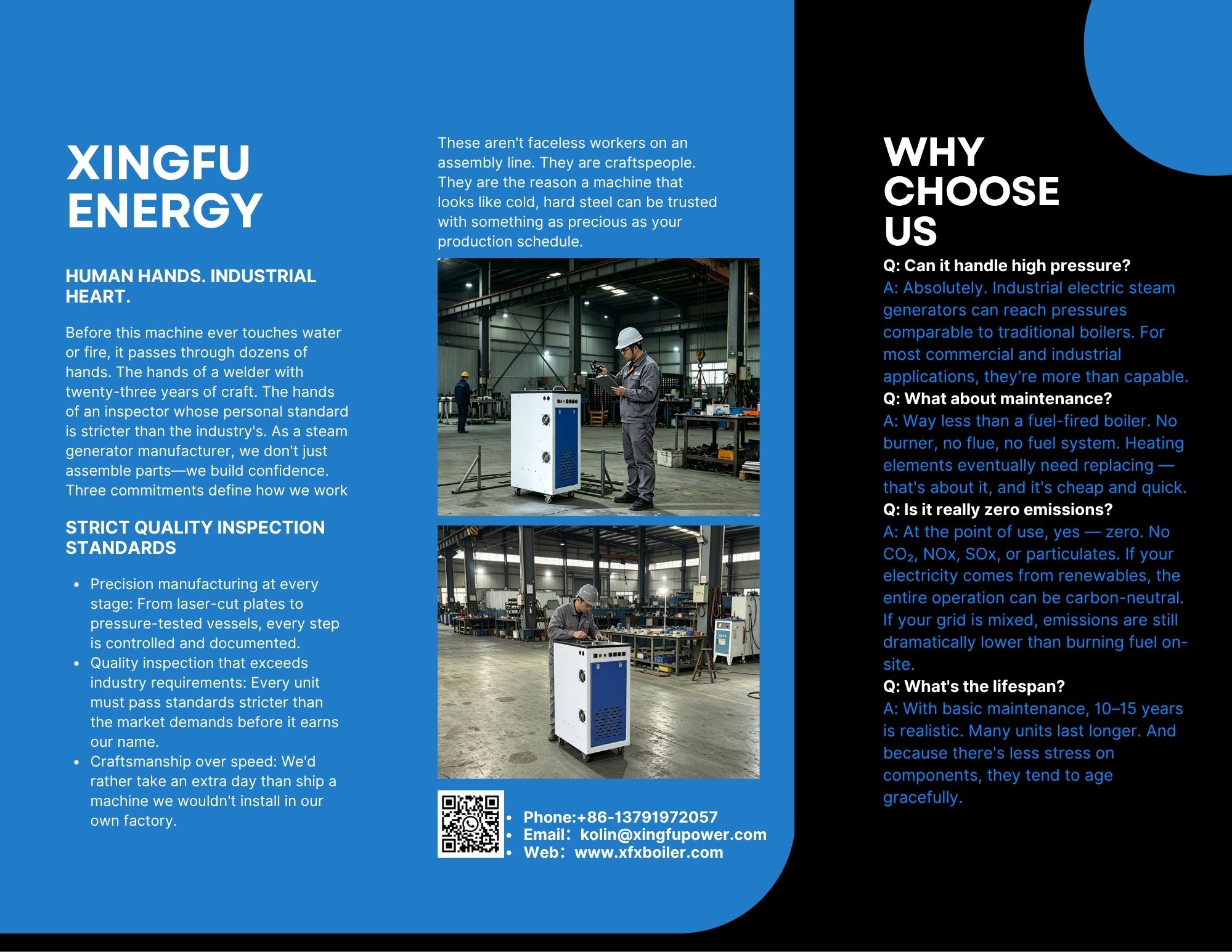
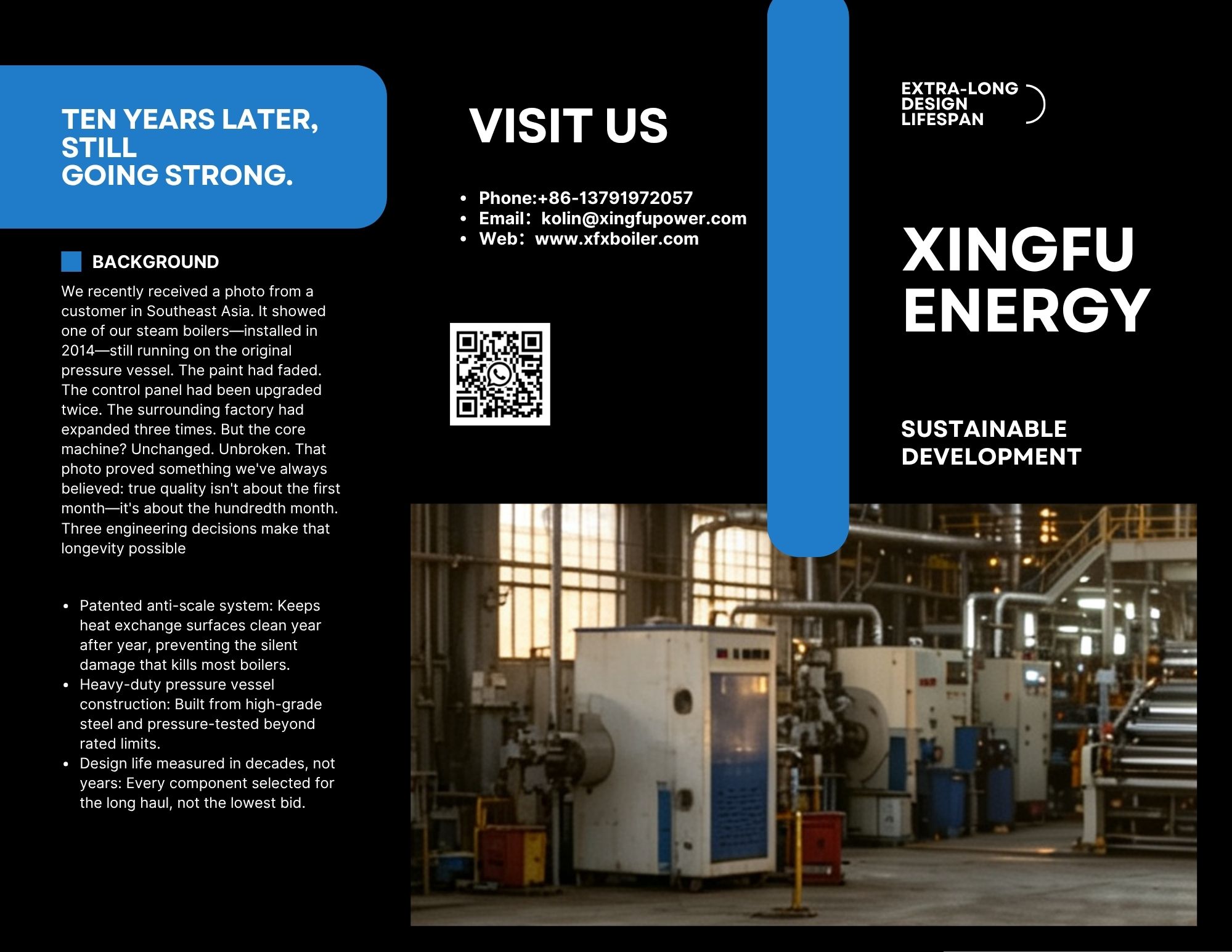
Implementing fast steam production technology requires a partner with deep manufacturing experience and rigorous quality control. Qingdao Xingfu Energy Equipment Ltd., a high-tech enterprise founded in 2010 and headquartered in Qingdao, China, exemplifies the type of vertically integrated manufacturer capable of delivering these advanced solutions. With over 14 years of continuous industry experience, Xingfu has established a stable position among domestic and international energy equipment suppliers, exporting to more than 30 countries including markets in Europe and Asia.
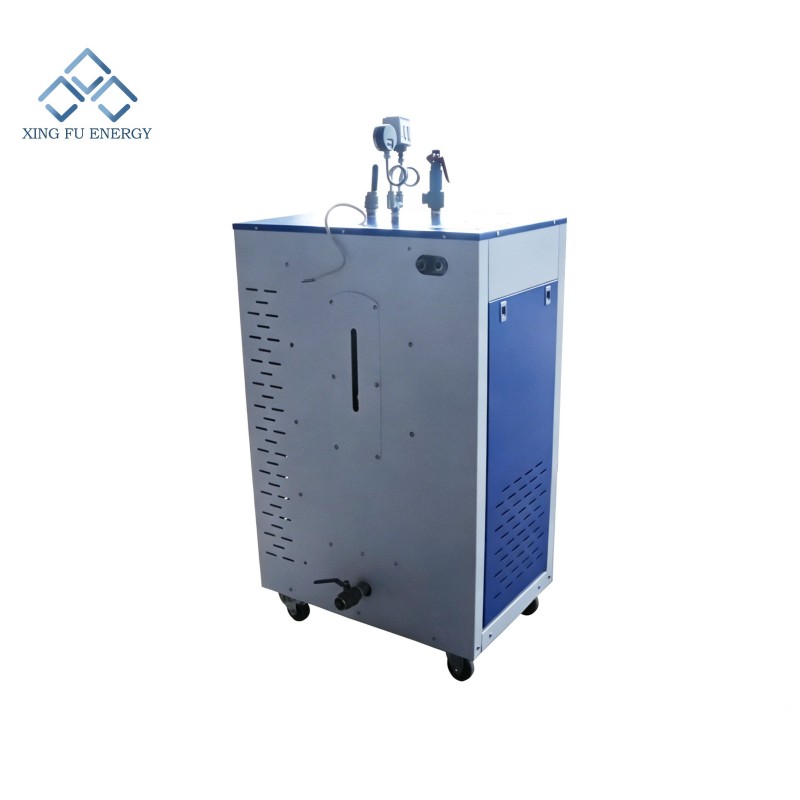
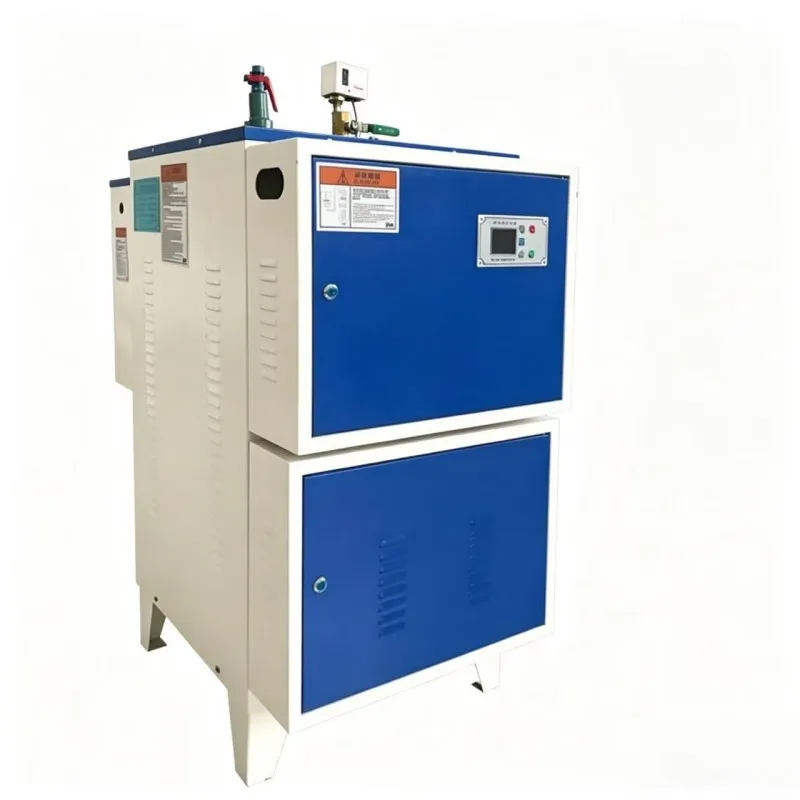
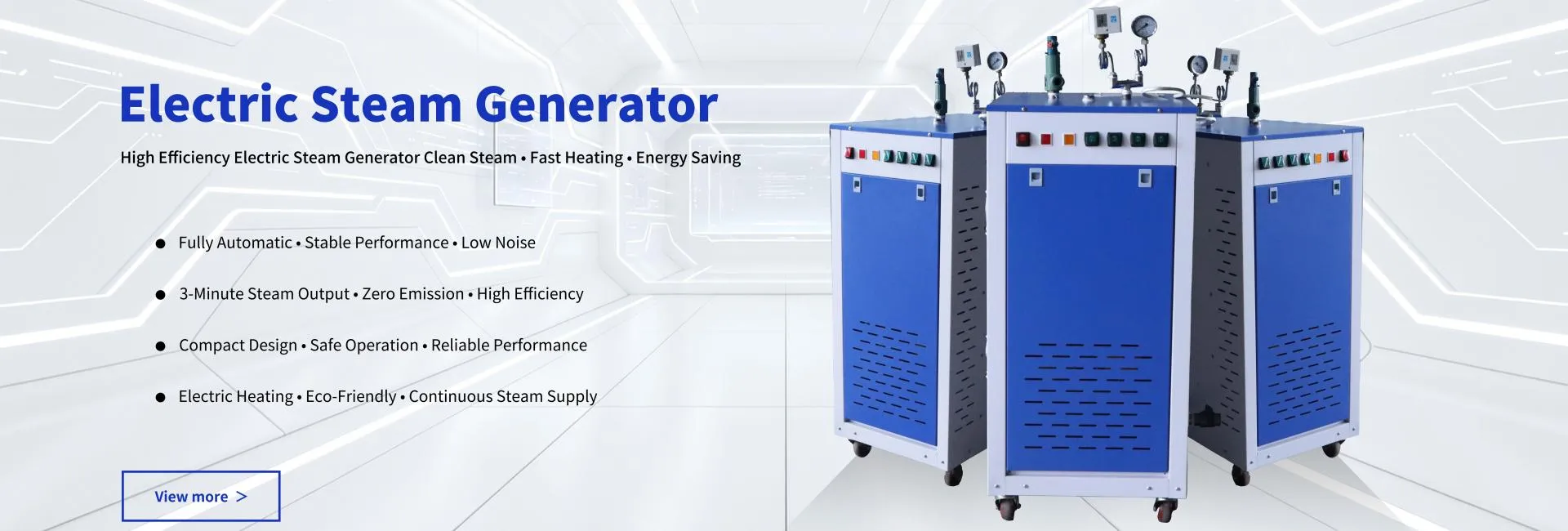
Xingfu’s approach aligns perfectly with the demands of modern fast steam generation. The company specializes in research, design, and manufacturing of industrial boilers and pressure containers, with a specific focus on electric steam generators and intelligent steam boilers featuring fast steam capabilities. Their compact S-Series automation solutions are engineered to meet the exact criteria discussed earlier: low water volume for rapid response, high-grade stainless steel construction for durability, and zero-emission operations to meet strict environmental standards.
What sets Xingfu apart is its commitment to technical excellence and infrastructure. Operating out of a 70,500-square-meter production base, the company employs a robust team of 228 staff, including 78 technical experts and 65 certified welders. This high concentration of skilled personnel ensures that every unit—from biomass burners to high-power electric steam boilers for continuous production lines—meets international standards such as ISO 9001 and CE certifications. Furthermore, holding Class B boiler and Class 1/2 container manufacturing licenses, Xingfu provides a complete cycle from equipment development to certified transportation, ensuring that the theoretical benefits of fast steam production are realized in practical, reliable industrial applications.
Owning a high-efficiency boiler is only half the battle. Proper operation and maintenance are key to sustaining fast steam production and efficiency over the equipment’s lifecycle.
While these boilers are designed for quick starts, following the correct procedure is vital. Pre-purge cycles must be completed to ensure the combustion chamber is clear of any residual gases. During startup, monitor the water level closely. Rapid steam generation can cause water level fluctuations. Ensure the feedwater pump is functioning correctly and can keep up with the demand. During shutdown, allow the system to cool gradually if possible, although fast-cool designs mitigate this need. Regularly test the safety valves and low-water cutoffs to ensure they function correctly.
If steam production slows down, check for scaling on the heat exchange surfaces. Scale acts as an insulator, reducing heat transfer. Verify the combustion air intake is not blocked. If pressure fluctuates excessively, inspect the modulating burner linkage and control parameters. Poor water quality is often the root cause of many performance issues, so regular water testing is non-negotiable.
Modern high-efficiency boilers designed for fast steam production can typically go from a cold start to full operating pressure in 5 to 15 minutes. This is significantly faster than traditional fire-tube boilers, which may take 30 to 60 minutes. The exact time depends on the boiler size, design, and initial water temperature.
No. Fast steam production boilers are engineered with multiple safety layers, including redundant low-water cutoffs, high-limit pressure switches, and flame failure devices. The low water volume actually reduces the potential energy stored in the system, which can be a safety advantage in certain scenarios. Strict adherence to ASME or EN standards ensures safe operation.
Yes, they are ideally suited for variable loads. The combination of low water volume and modulating burners allows these boilers to respond quickly to changes in steam demand. This makes them perfect for applications with batch processes or fluctuating usage patterns.
Water quality is critical. Because these boilers have high heat flux rates, they are more susceptible to scaling and corrosion if water quality is poor. Proper water treatment, including softening and deaeration, is essential to maintain efficiency and prevent damage. Regular water testing and chemical dosing are required.
Yes, high-efficiency fast-start boilers are often used in retrofits. They can replace older, inefficient units without major changes to the steam distribution system. However, modifications to the feedwater system, venting, and condensate return may be necessary to accommodate the new technology. A professional assessment is recommended.
Condensing technology recovers latent heat from the flue gases by cooling them below the dew point. This causes water vapor to condense, releasing additional heat that is transferred to the boiler water. This process can increase efficiency by 10-15% compared to non-condensing boilers, resulting in significant fuel savings.
To clearly understand the advantages, let us compare traditional industrial boilers with modern fast-response units.
| Feature | Traditional Fire-Tube Boiler | Fast-Response High-Efficiency Boiler |
|---|---|---|
| Startup Time | 30-60 minutes | 5-15 minutes |
| Water Volume | High (Large thermal mass) | Low (Minimal thermal mass) |
| Part-Load Efficiency | Decreases significantly | Remains high due to modulation |
| Footprint | Large | Compact |
| Response to Load Change | Slow (Lagging) | Fast (Immediate) |
| Idle Losses | High | Low (Can shut down completely) |
| Maintenance Complexity | Moderate | Higher (Requires precise water treatment) |
This comparison highlights why industries are shifting towards fast steam production technologies. The operational benefits, particularly in terms of energy savings and flexibility, outweigh the slightly higher maintenance requirements.
Looking ahead to the late 2020s and beyond, several trends will shape the fast steam production landscape.
As industries adopt renewable energy sources, boilers will need to integrate with electric heating elements or solar thermal systems. Hybrid boilers that can switch between gas and electric power will become more common. This allows facilities to use excess renewable electricity to generate steam, further reducing carbon footprints. Fast-response capabilities are essential for these hybrid systems to balance intermittent renewable inputs.
Artificial Intelligence will play a larger role in boiler operation. AI algorithms will analyze operational data to predict maintenance needs before failures occur. They will also optimize combustion parameters in real-time, adjusting for changes in fuel quality, ambient temperature, and humidity. This will push efficiency levels even higher and extend equipment life.
With the global push towards decarbonization, hydrogen is emerging as a clean fuel alternative. Manufacturers are developing burners that can operate on natural gas, hydrogen blends, or pure hydrogen. Fast steam boilers will need to adapt to these new fuel sources, requiring materials and designs that can handle higher flame temperatures and different combustion characteristics.
In the competitive industrial landscape of 2026, efficiency and agility are paramount. Fast steam production is not just a technical specification; it is a strategic advantage. By reducing startup times, minimizing idle losses, and responding dynamically to demand, high-efficiency boilers deliver tangible ROI through lower fuel costs and improved operational reliability.
For facility managers and engineers, the transition to fast-response steam systems represents a move towards smarter, more sustainable manufacturing. It aligns with environmental goals while enhancing productivity. Whether in food processing, pharmaceuticals, or chemicals, the ability to generate steam on demand ensures that processes run smoothly, safely, and cost-effectively.
This technology is ideal for:
Choosing the right partner is crucial. Look for a manufacturer with proven expertise in high-efficiency, fast-start technologies. Evaluate their track record, support services, and commitment to innovation.
Ready to enhance your steam system’s efficiency? Explore our range of high-performance industrial boilers designed for fast steam production. Contact our engineering team today for a customized assessment and discover how you can optimize your energy usage and operational performance.