-
+86-13791972057
-
No. 3009, Tower 3, Zhuoyue Century Center, No. 31th Longcheng Road, Qingdao, Shandong, China


+86-13791972057
No. 3009, Tower 3, Zhuoyue Century Center, No. 31th Longcheng Road, Qingdao, Shandong, China








2026-11-05
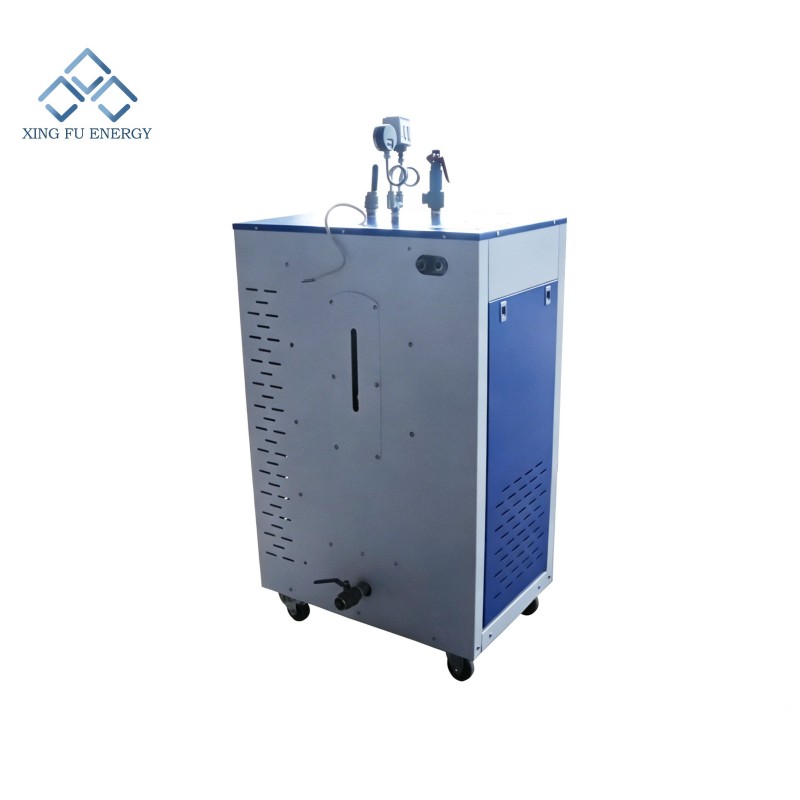
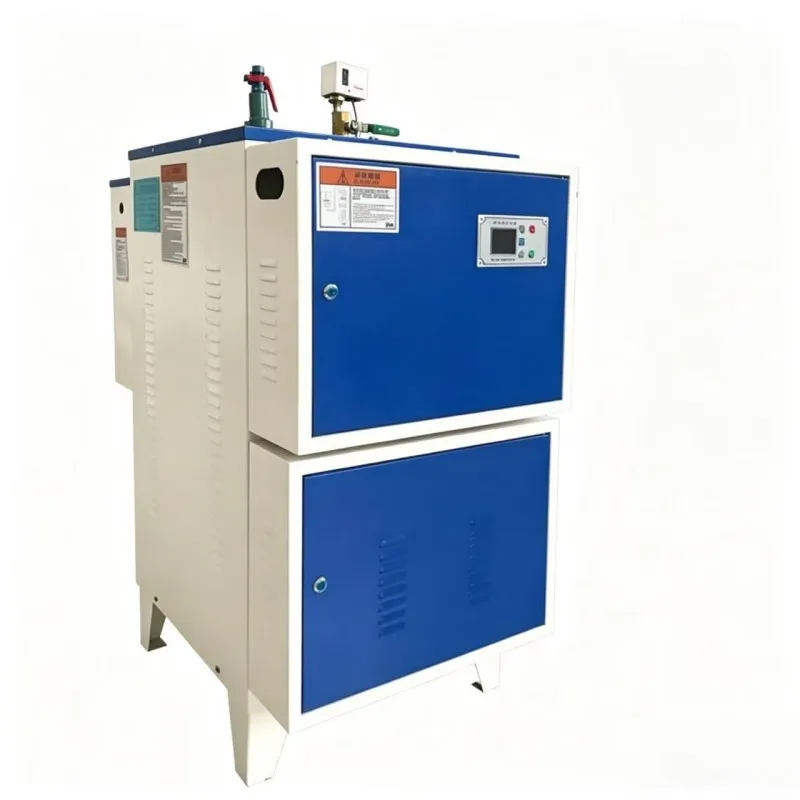
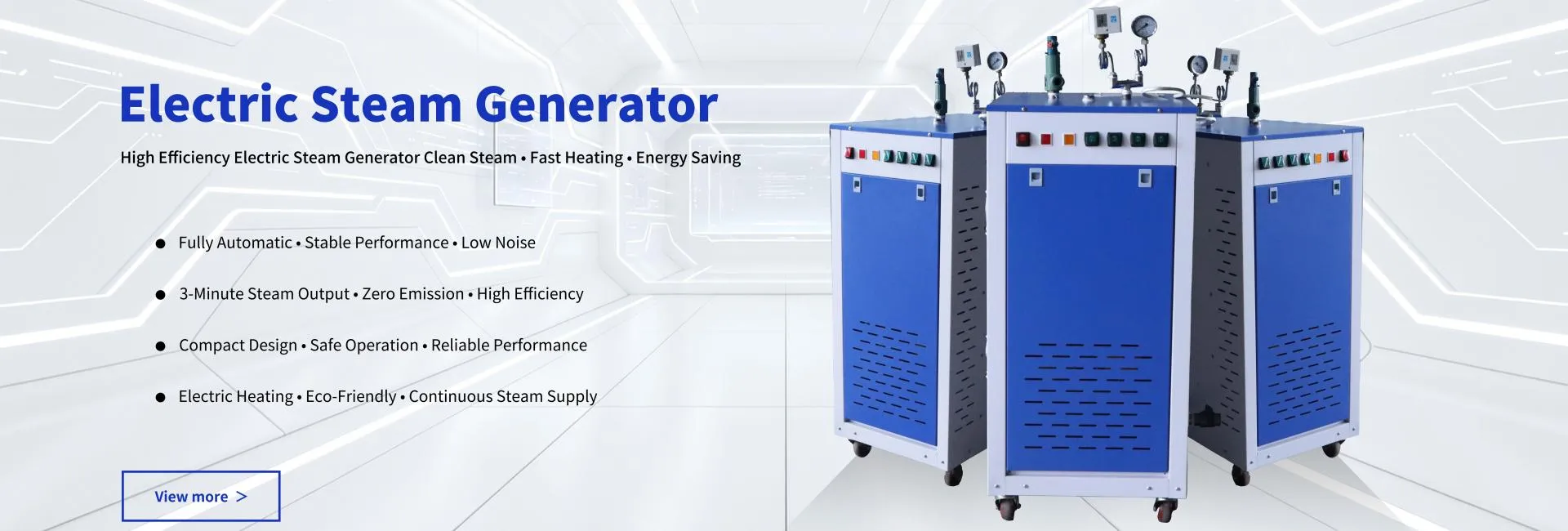
An industrial electric steam boiler is a high-efficiency thermal energy system that converts electrical energy into steam for manufacturing, processing, and heating applications. In 2026, these systems are defined by their zero-emission operation, compact footprint, and precise temperature control capabilities. Unlike fossil-fuel counterparts, electric steam boilers utilize submerged heating elements or electrode technology to generate saturated or superheated steam directly within the pressure vessel. This technology is increasingly critical for industries aiming to meet strict environmental regulations while maintaining consistent process heat.
For procurement managers and engineers, understanding the 2026 pricing landscape and manufacturer capabilities is essential. Costs vary significantly based on capacity (kW), pressure ratings (bar/psi), and automation levels. This guide provides a comprehensive technical analysis of industrial electric steam boilers, detailing operational mechanics, cost structures, selection criteria, and maintenance protocols to support informed decision-making.
An industrial electric steam boiler is a closed vessel designed to heat water using electrical resistance or electrode principles, producing steam for industrial processes. The core distinction lies in the heat source: electricity rather than combustion. This fundamental difference eliminates the need for fuel storage, exhaust flues, and complex emission control systems, resulting in a simpler, safer, and more compact installation.
In 2026, the definition of this equipment has evolved to include smart connectivity. Modern units are not just pressure vessels; they are integrated nodes in Industry 4.0 networks. They feature IoT-enabled controllers that monitor water quality, element efficiency, and steam demand in real-time. This digital integration allows for predictive maintenance and optimized energy consumption, which are key factors in total cost of ownership (TCO).
The operational logic of an electric steam boiler is straightforward yet engineered for precision. Water enters the vessel through a feedwater system. Electrical current passes through heating elements submerged in the water. The resistance of these elements generates heat, transferring thermal energy directly to the water molecules. As the water reaches its saturation point, it phase-changes into steam.
This direct conversion method achieves nearly 100% thermal efficiency at the point of use, as there are no stack losses or incomplete combustion issues. The steam produced is clean, dry, and free from combustion byproducts, making it ideal for sensitive applications in food, pharmaceutical, and chemical processing.
Pricing for industrial electric steam boilers in 2026 is influenced by raw material costs, copper and nickel prices (for elements), and the complexity of control systems. Unlike gas boilers, where the burner is a standardized component, electric boilers are often customized based on the available electrical infrastructure (voltage and phase).
Below is a representative price range for standard industrial models. Note that these figures represent equipment costs only and exclude installation, electrical infrastructure upgrades, and commissioning fees.
| Capacity (kW) | Steam Output (kg/h) | Pressure Rating (Bar) | Estimated Price Range (USD) | Primary Application |
|---|---|---|---|---|
| 50 – 100 kW | 70 – 140 kg/h | 10 bar | $8,000 – $15,000 | Small laboratories, laundry, pilot plants |
| 200 – 500 kW | 280 – 700 kg/h | 10-12 bar | $20,000 – $45,000 | Food processing, small manufacturing lines |
| 750 – 1,500 kW | 1,000 – 2,100 kg/h | 12-15 bar | $50,000 – $90,000 | Medium-scale chemical processing, sterilization |
| 2,000 – 4,000 kW | 2,800 – 5,600 kg/h | 15-20 bar | $100,000 – $180,000 | Large industrial plants, district heating |
| 5,000+ kW | 7,000+ kg/h | Custom | $200,000+ | Heavy industry, power generation support |
Several variables can shift the final investment cost beyond the base unit price. Understanding these helps in accurate budgeting.
Transitioning to electric steam generation offers strategic advantages beyond simple heating. For modern industrial facilities, these benefits align with broader corporate sustainability and operational efficiency goals.
Electric boilers produce zero local emissions. There is no CO2, NOx, SOx, or particulate matter released at the site of operation. This makes them the preferred choice for facilities in urban areas with strict air quality regulations or for companies with net-zero carbon targets. When paired with renewable energy sources such as solar or wind, the entire steam generation process becomes carbon-neutral.
Traditional fossil-fuel boilers typically operate at 80-85% efficiency due to heat loss through flue gases. Electric steam boilers achieve efficiencies close to 99%. Almost all the electrical energy consumed is converted into heat within the water. This high efficiency translates to lower energy waste, although the cost per unit of energy (electricity vs. gas) must be evaluated locally.
Without the need for fuel storage tanks, ventilation systems, or exhaust chimneys, electric boilers have a significantly smaller footprint. They can be installed in existing mechanical rooms, basements, or even outdoors with minimal structural modification. This flexibility is crucial for retrofitting older facilities where space is limited.
The absence of combustion means fewer moving parts. There are no burners to tune, no fuel filters to replace, and no flue systems to clean. Maintenance primarily focuses on water quality management and periodic inspection of heating elements. This simplicity reduces downtime and maintenance labor costs.
Electric heating elements can be modulated rapidly using solid-state relays. This allows the boiler to respond instantly to changes in steam demand, maintaining stable pressure and temperature. Such precision is vital for processes requiring tight thermal tolerances, such as autoclaving or chemical reactions.
Industrial electric steam boilers are versatile and serve a wide range of sectors. Their ability to provide clean, dry steam makes them suitable for applications where product purity is paramount.
In the food industry, steam is used for cooking, sterilization, pasteurization, and cleaning. Electric boilers ensure that no combustion byproducts contaminate the food products. They are commonly used in breweries for kettle heating, in dairy plants for pasteurization, and in bakeries for oven humidity control.
Pharmaceutical manufacturing requires pure steam for sterilization of equipment and formulation processes. Electric boilers, particularly those constructed with stainless steel and equipped with high-purity water feed systems, meet the stringent standards of Good Manufacturing Practice (GMP). Hospitals also use them for central sterilization services (CSSD) and laundry operations.
Chemical processes often require precise temperature control for reactions and distillation. Electric steam boilers provide the stability needed for these sensitive operations. Additionally, in hazardous environments where open flames or hot surfaces from combustion are risky, electric boilers offer a safer alternative.
Steam is essential for ironing, pressing, and dyeing in the textile industry. Large commercial laundries rely on steam for tumbling and pressing. Electric boilers offer consistent steam supply, ensuring high-quality finishes and efficient processing times.
In manufacturing, steam is used for curing composites, heating molds, and cleaning parts. Electric boilers provide the rapid heat-up times needed for batch processes and the consistent pressure required for automated production lines.
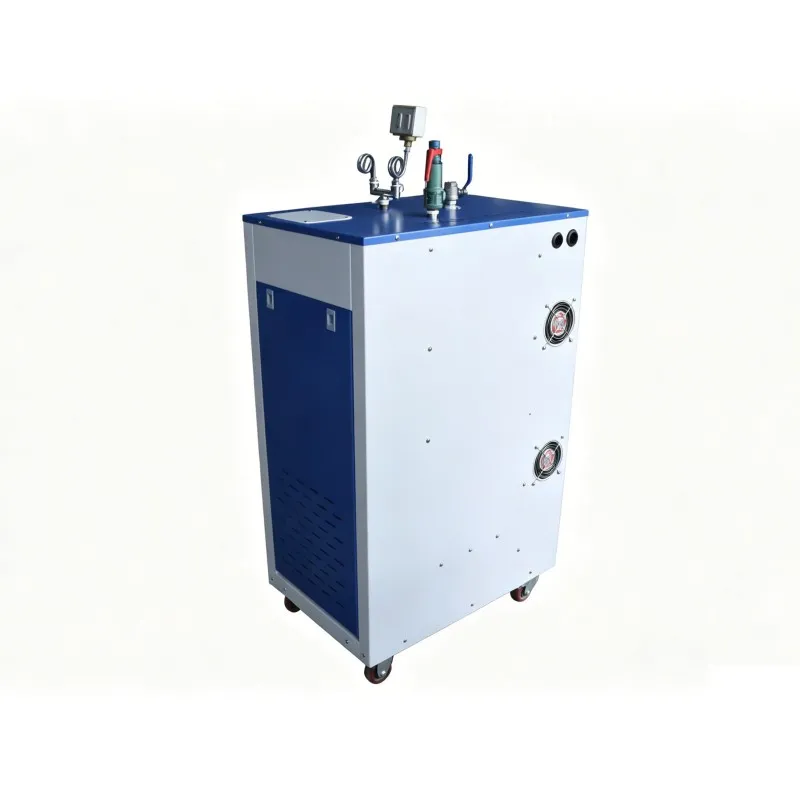
Selecting the appropriate boiler involves a technical assessment of your facility’s needs. A mismatched system can lead to inefficiencies, higher operating costs, or inadequate process performance.
Calculate the maximum and average steam load in kilograms per hour (kg/h) or pounds per hour (lb/h). Consider peak loads during startup or high-production periods. It is advisable to size the boiler with a 10-20% safety margin above the peak demand to accommodate future expansion or unexpected spikes.
Identify the required steam pressure (bar or psi) and temperature. Most industrial processes operate between 7 and 15 bar. Higher pressures allow for smaller pipe sizes and higher energy density but require more robust vessel construction. Ensure the boiler’s rating exceeds your maximum operational pressure.
Verify the available electrical supply. Key parameters include voltage (e.g., 400V, 480V, 6.6kV), phase (3-phase), and frequency (50Hz or 60Hz). High-capacity boilers may require a dedicated transformer. Consult with an electrical engineer to determine if your facility’s grid connection can handle the load without excessive penalty charges or voltage drops.
Water quality is critical for electric boilers. Hard water leads to scaling on heating elements, reducing efficiency and causing premature failure. Conduct a water analysis to determine hardness, conductivity, and silica content. Based on the results, select an appropriate water treatment system, such as reverse osmosis (RO) or softeners, to protect the boiler.
Ensure the manufacturer complies with local and international standards. Look for certifications such as ASME Section I or IV for pressure vessels, CE marking for European markets, and UL listing for electrical components. Compliance ensures safety, insurability, and legal operation.
While understanding the technical specifications is crucial, partnering with a vertically integrated manufacturer can significantly streamline the procurement and implementation process. Companies like Qingdao Xingfu Energy Equipment Ltd. exemplify the modern approach to industrial boiler manufacturing, combining over 14 years of engineering experience with advanced production capabilities.
Headquartered in Qingdao, China, Xingfu Energy operates a 70,500-square-meter production base with dedicated workshops for industrial boilers and pressure containers. As a high-tech enterprise founded in 2010, the company has established itself as a reliable supplier in over 30 countries, including markets in Europe, Asia, and beyond. Their expertise is particularly relevant for buyers seeking certified, high-efficiency solutions that meet international standards such as ISO 9001 and CE.
Xingfu’s product lineup addresses the diverse needs outlined in this guide, ranging from compact S-Series automation solutions for smaller facilities to high-power electric steam boilers for continuous industrial production lines. Notably, their commitment to quality is reflected in their workforce composition: 21% of their employees are technical experts, including engineers and certification specialists who oversee the entire lifecycle from design to transportation. For industries requiring stainless steel construction to meet hygiene standards—such as food and pharmaceuticals—Xingfu’s focus on material integrity and zero-emission operation aligns perfectly with the regulatory demands of 2026.
Choosing a manufacturer with such depth in R&D and quality control ensures that the boiler not only meets immediate capacity needs but also integrates seamlessly with existing infrastructure, offering long-term reliability and support.
Proper installation is vital for the safe and efficient operation of an industrial electric steam boiler. While simpler than gas boilers, electrical and plumbing connections must adhere to strict codes.
Commissioning should be performed by certified technicians. This includes pressure testing, checking control logic, verifying safety interlocks, and training operational staff.

Although electric boilers are low-maintenance, neglecting basic care can lead to costly repairs. A proactive maintenance schedule extends equipment life and maintains efficiency.
Avoiding common pitfalls can save time and money during the selection and operation phases.
Operational costs depend on local energy prices. Generally, electricity is more expensive per unit of energy than natural gas. However, electric boilers are nearly 100% efficient, while gas boilers are 80-85% efficient. In regions with high carbon taxes or where gas prices are volatile, electric boilers can be competitive. Additionally, lower maintenance costs and longer lifespan often offset higher energy costs over time.
Yes, industrial electric steam boilers can be designed for high-pressure applications, typically up to 20-30 bar. For extremely high pressures, electrode boilers are often preferred due to their ability to handle higher voltages and capacities efficiently. Custom engineering is required for pressures beyond standard ranges.
With proper maintenance and water treatment, an industrial electric steam boiler can last 15-20 years or more. The pressure vessel itself is durable, while heating elements may need replacement every 3-5 years depending on water quality and usage intensity.
No, electric steam boilers do not produce combustion gases, so they do not require a chimney, flue, or ventilation system for exhaust. This significantly simplifies installation and reduces building modification costs.
Absolutely. Electric boilers are ideal for coupling with renewable energy sources like solar PV or wind. They can act as flexible loads, absorbing excess renewable energy when available. Some advanced systems include thermal storage, allowing steam to be generated during off-peak renewable periods and used when needed.
Standard safety features include multiple pressure relief valves, low-water cut-offs, over-temperature sensors, high-pressure switches, and earth leakage protection. Modern units also include diagnostic systems that alert operators to potential issues before they become critical failures.
The industrial electric steam boiler represents a mature, reliable, and forward-looking solution for thermal energy needs. In 2026, the drive towards decarbonization, coupled with advancements in electrical grid stability and renewable integration, makes electric steam generation a strategic asset for modern industries. While the upfront investment and operational energy costs require careful analysis, the benefits of zero emissions, high efficiency, low maintenance, and precise control offer compelling long-term value.
For businesses in food processing, pharmaceuticals, chemicals, and manufacturing, transitioning to electric steam is not just an environmental choice but an operational upgrade. It simplifies facility management, enhances product quality through clean steam, and future-proofs operations against tightening environmental regulations.
Who Should Consider This Solution?
To determine the optimal configuration for your specific application, it is essential to conduct a detailed energy audit and consult with experienced manufacturers. Proper sizing, water treatment planning, and electrical infrastructure assessment are critical steps to ensure a successful implementation.
Ready to optimize your steam generation system? Explore our comprehensive range of industrial electric steam boilers and request a customized technical proposal tailored to your production needs and energy profile.