-
+86-13791972057
-
No. 3009, Tower 3, Zhuoyue Century Center, No. 31th Longcheng Road, Qingdao, Shandong, China


+86-13791972057
No. 3009, Tower 3, Zhuoyue Century Center, No. 31th Longcheng Road, Qingdao, Shandong, China








2026-11-10
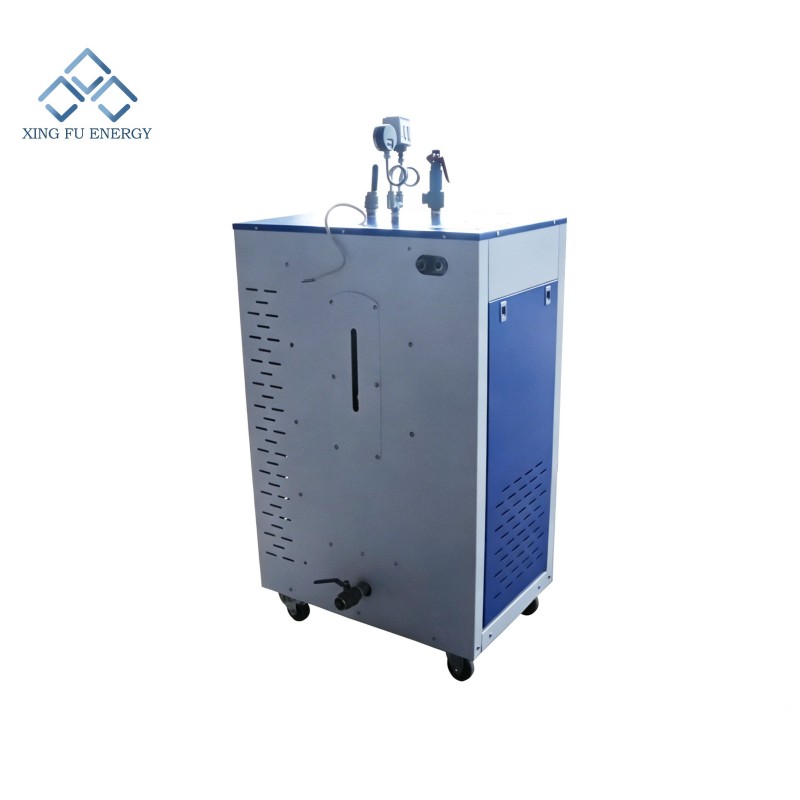
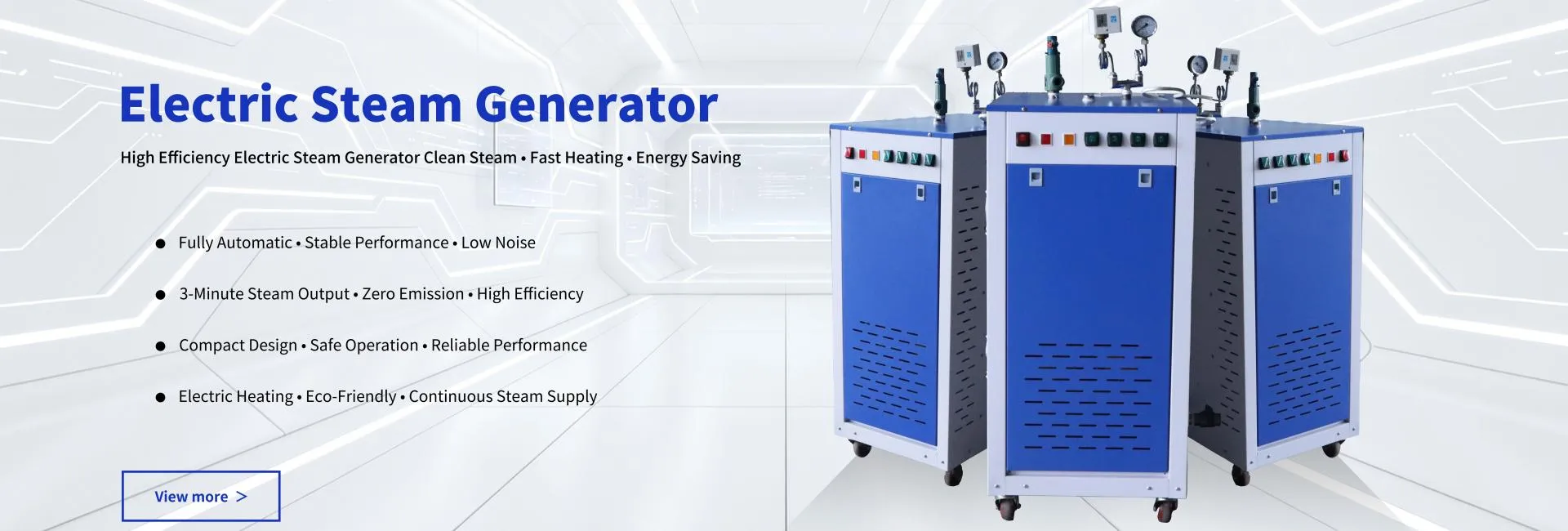
An electric steam boiler for residential use is a compact, high-efficiency heating system that generates steam using electrical resistance elements rather than fossil fuels. In 2026, these units are increasingly preferred for homes seeking zero onsite emissions, quiet operation, and precise humidity control. Typical residential models range from 3kW to 12kW, with prices varying between $1,500 and $4,500 depending on capacity, automation features, and installation complexity. This guide details current pricing, technical specifications, supplier selection criteria, and installation best practices to help homeowners and contractors make informed decisions.
Residential electric steam boilers are specialized appliances designed to convert water into steam for heating or humidification purposes within a home environment. Unlike traditional gas or oil-fired boilers, these systems utilize submerged electric heating elements to boil water. The resulting steam is then distributed through radiators, underfloor heating manifolds, or dedicated humidification systems.
The core distinction lies in the energy source and combustion process. Since there is no burning of fuel, there are no flue gases, carbon monoxide risks, or soot accumulation. This makes them particularly suitable for modern, airtight homes where indoor air quality is a priority. The technology relies on simple resistive heating, similar to an electric kettle but engineered for continuous, controlled industrial-grade performance scaled down for domestic use.
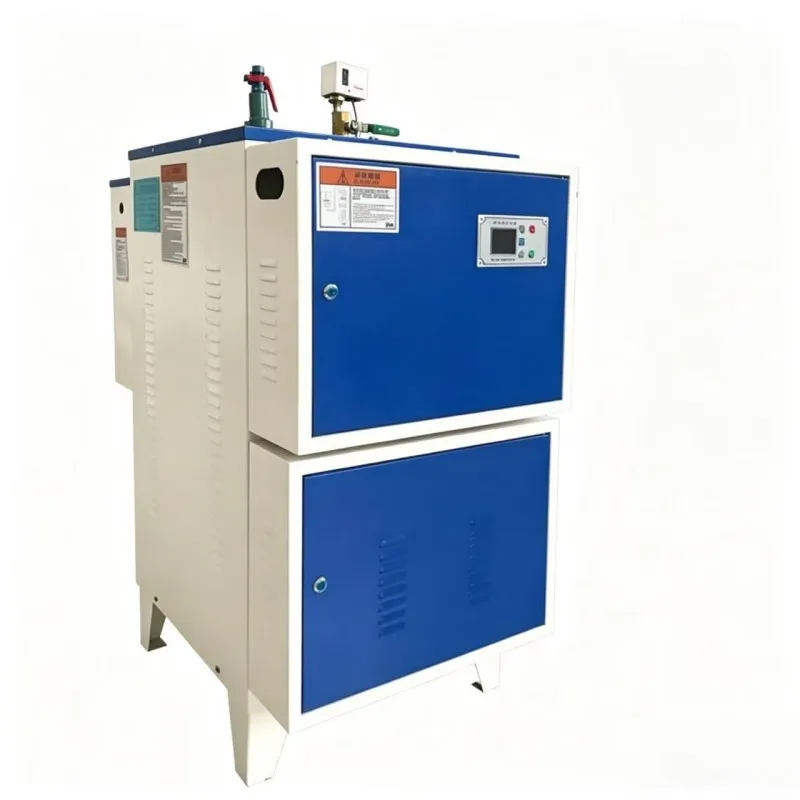
Pricing for electric steam boilers in 2026 reflects advancements in control technology, material costs, and energy efficiency standards. The total cost of ownership includes not just the unit price, but also installation, electrical upgrades, and ongoing maintenance. Below is a detailed breakdown of market prices based on capacity and feature sets.
| Boiler Capacity (kW) | Steam Output (kg/h) | Unit Price Range (USD) | Installation Complexity | Best For |
|---|---|---|---|---|
| 3 kW – 6 kW | 4 – 8 kg/h | $1,500 – $2,500 | Low (Standard 240V) | Small apartments, single-room humidification |
| 9 kW – 12 kW | 12 – 16 kg/h | $2,500 – $3,800 | Medium (Requires 3-phase or heavy single-phase) | Medium-sized homes, whole-house humidification |
| 15 kW – 24 kW | 20 – 32 kg/h | $3,800 – $5,500+ | High (Industrial-grade wiring) | Luxury residences, large radiator systems |
The sticker price is only part of the equation. Several variables significantly impact the final investment required for a residential electric steam boiler project.
Understanding the operational logic of an electric steam boiler helps in troubleshooting and optimizing performance. The process is straightforward but relies on precise engineering to ensure safety and efficiency.
Electric steam boilers boast nearly 100% energy conversion efficiency at the point of use. Almost all electrical energy consumed is converted into heat. However, the source efficiency depends on how the electricity is generated. For homes with solar panels or green energy tariffs, the carbon footprint is minimal. For grid-dependent homes, the environmental impact varies by region.
Unlike gas boilers, which lose heat through flue gases, electric units retain almost all thermal energy within the system. This makes them ideal for well-insulated homes where heat loss is minimized. The lack of combustion also means no excess air is required, further enhancing thermal retention.
For residential applications, the shift toward electric steam solutions is driven by several compelling advantages. These benefits align with modern housing trends focusing on sustainability, safety, and smart home integration.
Electric boilers produce no exhaust fumes, carbon monoxide, or nitrogen oxides. This eliminates the need for chimneys, flues, or ventilation shafts, freeing up architectural space and improving indoor air quality. For urban residences or tightly sealed passive houses, this is a critical advantage.
Without burners, fans, or fuel pumps, electric steam boilers operate almost silently. The only sound is the gentle hum of the contactors and the flow of steam. This makes them ideal for bedrooms, libraries, or noise-sensitive environments where gas boilers might be disruptive.
Electric units are significantly smaller than their fossil fuel counterparts. They do not require fuel storage tanks or complex venting systems. Many residential models are wall-mountable or fit easily into utility closets, maximizing usable floor space.
With fewer moving parts and no combustion chamber to clean, maintenance is simplified. There are no nozzles to clog, filters to replace frequently, or soot to remove. Primary maintenance involves checking water quality, inspecting elements for scale, and testing safety valves annually.
Electric elements can be switched on and off instantly, allowing for rapid response to temperature changes. Advanced controllers enable precise modulation, adjusting power output in small increments to match exact steam demand. This reduces energy waste and maintains consistent comfort levels.
While less common than hot water systems, steam has unique properties that make it superior for specific residential uses. Understanding these applications helps determine if an electric steam boiler is the right choice for your home.
In cold climates, winter heating dries out indoor air, leading to discomfort, static electricity, and respiratory issues. Steam humidifiers connected to an electric boiler introduce sterile, warm moisture into the HVAC system. Unlike evaporative pads, steam systems do not harbor bacteria or mold, providing cleaner humidity.
Many historic homes feature original cast-iron radiators designed for steam. Replacing an old coal or gas boiler with an electric steam unit preserves the aesthetic and functional integrity of these heritage systems. Steam heats radiators quickly and evenly, providing a comfortable, radiant warmth.
Home saunas, steam rooms, and therapeutic showers require a reliable source of clean steam. Electric steam generators are the standard for these applications due to their ability to produce high-quality steam on demand without combustion byproducts.
For households with allergy sufferers or pets, steam cleaning systems powered by a central boiler can provide deep sanitation for floors and upholstery. The high temperature of steam kills dust mites, bacteria, and allergens effectively.
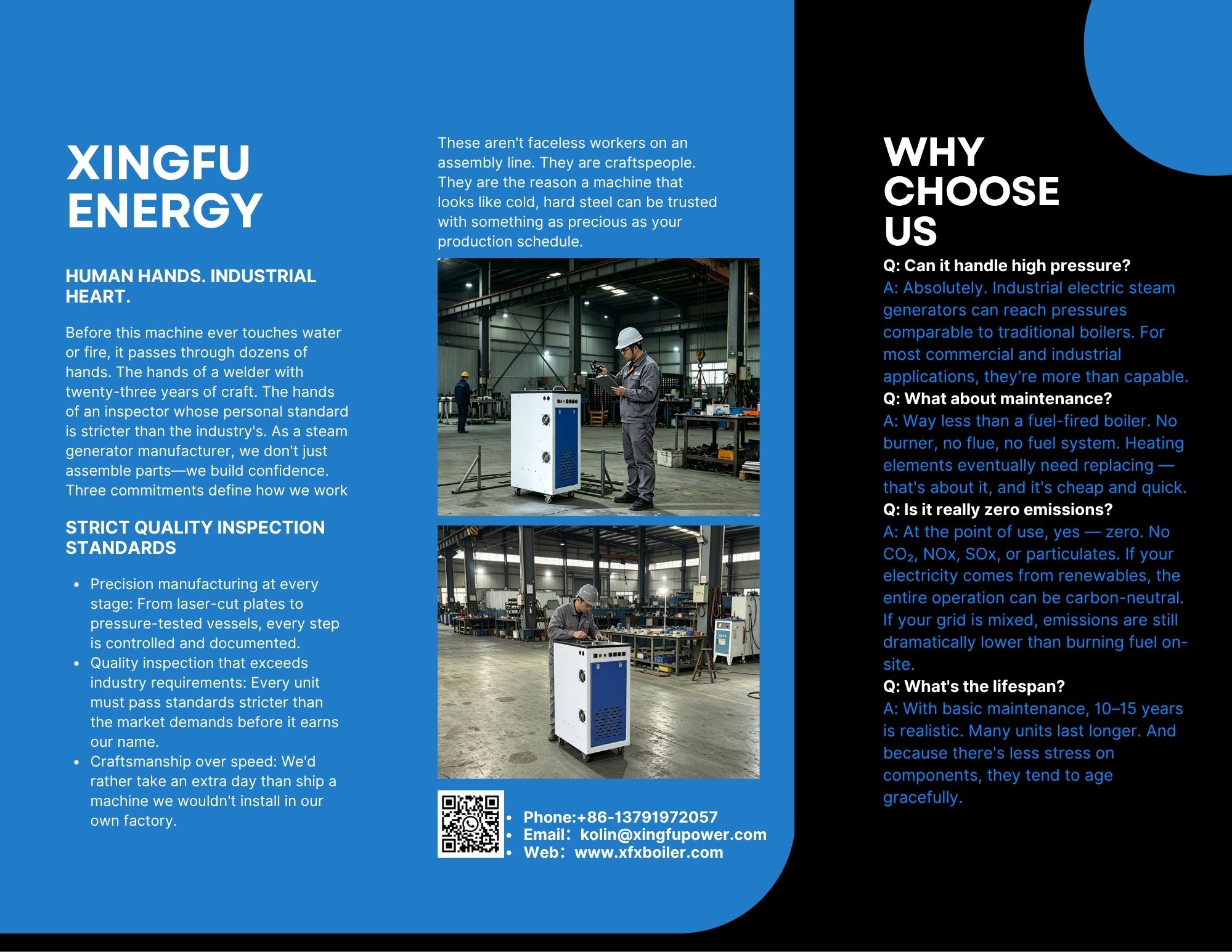
As the demand for high-efficiency, zero-emission heating solutions grows globally, the manufacturing backbone behind these technologies becomes increasingly important. While many brands assemble components, vertically integrated manufacturers like Qingdao Xingfu Energy Equipment Ltd. represent the gold standard in steam generation engineering.
Founded in 2010 and headquartered in Qingdao, China, Xingfu Energy has evolved into a high-tech enterprise with a robust presence in over 30 countries, including markets in Europe and Asia. Although their primary expertise lies in industrial-scale electric steam generators and pressure vessels, their commitment to precision engineering directly influences the quality standards expected in residential applications.
What sets manufacturers like Xingfu apart is their comprehensive approach to quality control. Operating out of a 70,500-square-meter production base, the company employs a significant technical workforce—over 21% of their staff are technical experts, including certified engineers and welders. This depth of expertise ensures that every boiler, whether for a textile factory or a luxury residence, meets rigorous international standards such as ISO 9001 and CE certifications.
For homeowners and contractors selecting a supplier in 2026, looking for partners with this level of manufacturing pedigree is crucial. Companies that invest in their own laboratories, hold Class B boiler manufacturing licenses, and prioritize R&D (with nearly 60% of technical personnel being engineers) are better equipped to deliver the reliability and safety required for modern home heating systems. The transition from industrial robustness to residential convenience is seamless when the underlying technology is built on such a solid foundation of experience and innovation.
Selecting a supplier for an electric steam boiler requires careful evaluation of technical expertise, product quality, and after-sales support. The market contains numerous manufacturers, but not all meet the rigorous standards required for residential safety and reliability.
Be cautious of suppliers who cannot provide clear documentation on material grades or electrical schematics. Avoid companies that dismiss the importance of water treatment or suggest bypassing safety features. Additionally, extremely low prices may indicate inferior insulation, poor-quality welding, or outdated control technology.
Proper installation is crucial for the safe and efficient operation of an electric steam boiler. While the unit itself is simple, the surrounding infrastructure must be correctly configured.
Most residential electric steam boilers require a dedicated circuit. Smaller units (up to 6kW) may run on single-phase 240V, but larger units often require three-phase power. It is essential to have a licensed electrician calculate the load and install appropriate breakers and wiring. Undersized wiring can lead to voltage drops, reduced efficiency, and fire hazards.
Water quality is the single most important factor in the longevity of an electric steam boiler. Minerals in hard water precipitate out as scale on the heating elements, reducing efficiency and causing overheating.
Steam pipes must be properly sloped to allow condensate to drain back to the boiler or to traps. Insulating steam lines is critical to prevent heat loss and condensation within the walls. Use high-temperature insulation materials rated for steam applications.
Regular maintenance ensures your electric steam boiler operates efficiently and safely for years. While these systems are low-maintenance, neglecting basic care can lead to costly repairs.
Operating costs depend on local electricity rates. While electricity per unit of energy is often more expensive than gas, the 100% efficiency of electric boilers means no energy is wasted. For small loads like humidification, the cost is negligible. For whole-house heating, costs can be higher unless offset by solar power or off-peak tariffs.
Yes, in many cases. If your radiators are designed for steam, you can replace the gas boiler with an electric one. However, you must ensure the electrical supply can handle the load and that the piping system is compatible with the new boiler’s pressure ratings.
With proper water treatment and regular maintenance, an electric steam boiler can last 15 to 20 years. Heating elements may need replacement every 5 to 7 years depending on water quality and usage frequency.
Permit requirements vary by location. Most jurisdictions require a plumbing and electrical permit for boiler installation. Always check with local building authorities before starting the project.
Modern electric steam boilers are equipped with low-water cutoffs that automatically shut off the heating elements if the water level drops too low. This prevents dry-firing and damage to the elements. However, relying on this safety feature frequently can shorten component life.
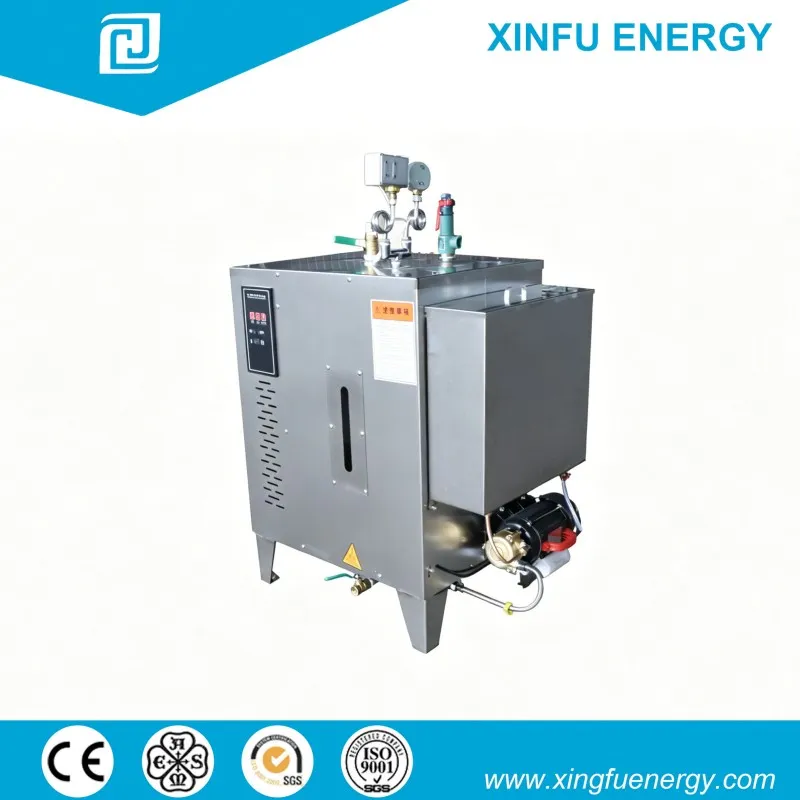
To help you decide if an electric steam boiler is the right choice, here is a comparison with other common residential heating technologies.
| Feature | Electric Steam | Gas Steam | Electric Hot Water |
|---|---|---|---|
| Emission | Zero onsite | CO2, NOx | Zero onsite |
| Efficiency | ~100% | 80-95% | ~100% |
| Installation Cost | Medium | High (Venting required) | Low |
| Maintenance | Low | Medium/High | Very Low |
| Heat Quality | High (Radiant) | High (Radiant) | Moderate (Convective) |
| Safety | High (No combustion) | Medium (CO risk) | High |
As we move further into 2026, several trends are shaping the future of residential electric steam boilers.
Newer models come with built-in Wi-Fi modules that allow users to monitor and control their boiler via smartphone apps. Features include remote start/stop, energy usage tracking, and predictive maintenance alerts. Integration with smart home ecosystems like Home Assistant or Apple HomeKit is becoming more common.
Advanced inverters and solid-state relays enable smooth power modulation. Instead of simple on/off cycling, the boiler adjusts its power output continuously to match the exact steam demand. This reduces thermal stress on components and improves energy efficiency.
Manufacturers are increasingly using recyclable materials and eco-friendly insulation foams. The focus is on reducing the overall carbon footprint of the product lifecycle, from manufacturing to disposal.
Choosing an electric steam boiler for residential use in 2026 is a decision that balances comfort, efficiency, and environmental responsibility. These systems offer a clean, quiet, and reliable solution for humidification and heating, particularly for homes with existing steam radiators or those prioritizing indoor air quality. While the upfront cost and electrical requirements may be higher than traditional systems, the long-term benefits of low maintenance, zero emissions, and precise control make them a compelling option.
When selecting a supplier, prioritize those with proven expertise, robust certifications, and strong technical support. Ensure your home’s electrical infrastructure and water quality are prepared for the installation. By following best practices for installation and maintenance, you can enjoy the luxurious comfort of steam heating for decades.
If you are ready to explore specific models or need a customized quote for your residential project, contact our team for detailed specifications and professional guidance. We provide comprehensive solutions tailored to your home’s unique needs.