-
+86-13791972057
-
No. 3009, Tower 3, Zhuoyue Century Center, No. 31th Longcheng Road, Qingdao, Shandong, China


+86-13791972057
No. 3009, Tower 3, Zhuoyue Century Center, No. 31th Longcheng Road, Qingdao, Shandong, China








2026-11-12
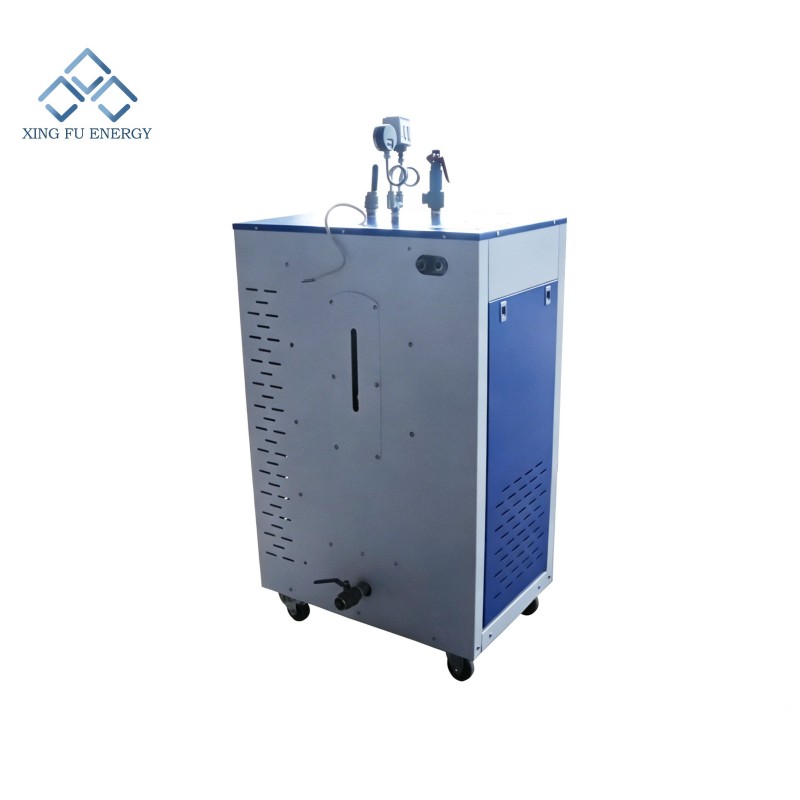
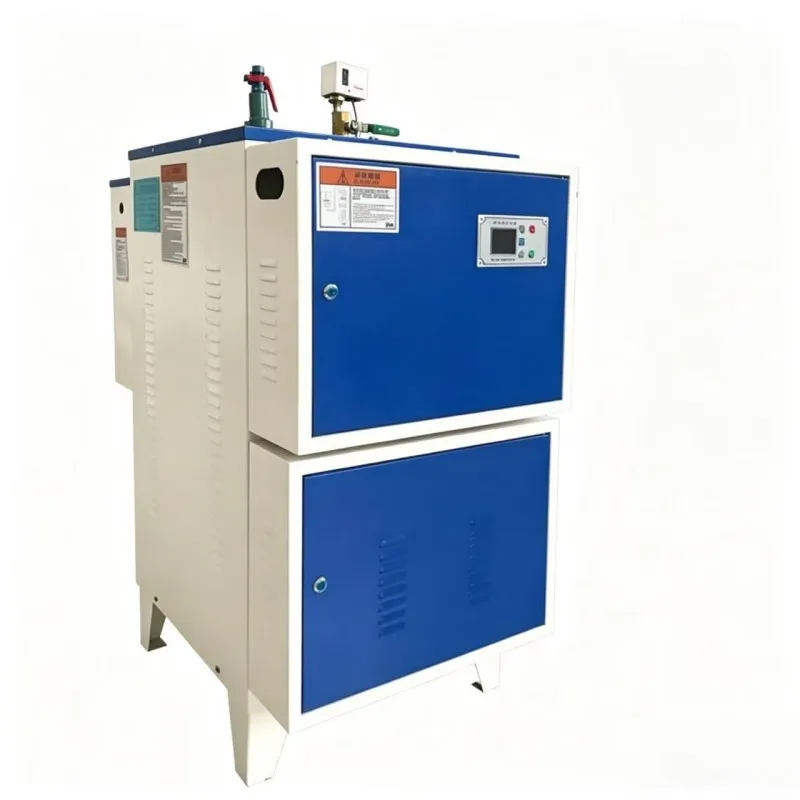
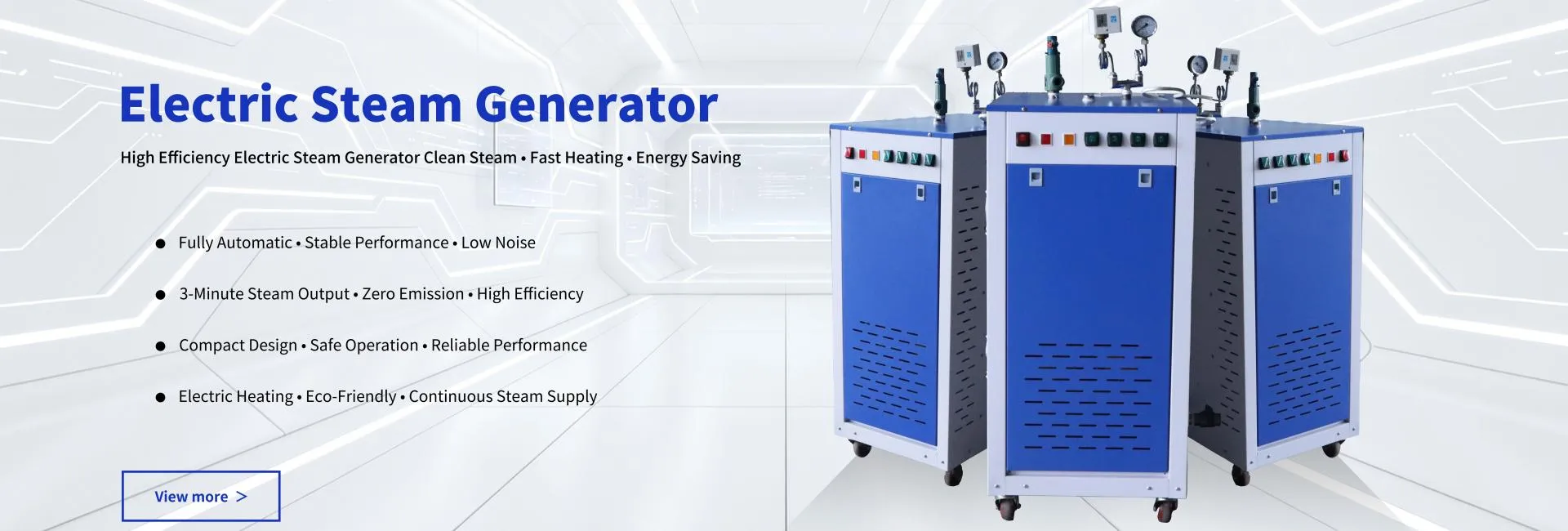
An electric steam boiler for industrial use is a closed vessel that converts electrical energy into thermal energy to generate high-pressure steam for manufacturing, processing, and heating applications. In 2026, these systems are defined by their zero-emission operation, compact footprint, and precise digital control capabilities. Unlike fossil-fuel counterparts, electric boilers utilize resistance heating elements or electrode technology to heat water directly, achieving thermal efficiencies exceeding 98%. This guide details current pricing structures, top manufacturing standards, technical specifications, and selection criteria for facility managers and engineers seeking reliable, compliant, and cost-effective steam generation solutions.
An industrial electric steam boiler is a pressure vessel designed to produce steam using electricity as the primary energy source. The core mechanism involves submerging heating elements directly into water or passing current through the water itself (in electrode boilers). As the water absorbs energy, it transitions into steam, which is then distributed to various industrial processes.
In 2026, the demand for electric steam generation has surged due to stringent environmental regulations and the global shift toward electrification in heavy industry. These units are particularly valued in sectors requiring clean steam, such as food processing, pharmaceuticals, and healthcare, where contamination from fuel combustion residues is unacceptable.
Understanding the internal architecture is crucial for maintenance and operational efficiency. The system comprises several key entities:
The working principle is straightforward: water enters the vessel, heating elements activate based on steam demand signals, and the resulting steam is collected in the upper part of the vessel before being discharged to the application point. This direct conversion process eliminates the heat losses associated with flue gases, making electric boilers inherently more efficient than gas or oil-fired units.
Pricing for industrial electric steam boilers in 2026 varies significantly based on capacity, voltage requirements, and customization levels. Unlike commodity products, these are engineered-to-order systems. Below is a detailed breakdown of cost factors and estimated price ranges.
Several factors influence the final procurement cost:
The following table provides indicative pricing for standard industrial electric steam boilers in 2026. Note that these prices exclude installation, electrical infrastructure upgrades, and feedwater treatment systems.
| Capacity (kW) | Steam Output (kg/hr) | Typical Voltage | Estimated Price Range (USD) | Primary Application |
|---|---|---|---|---|
| 50 – 100 kW | 70 – 140 kg/hr | 480V / 3-phase | $15,000 – $25,000 | Small laundries, labs, pilot plants |
| 150 – 300 kW | 210 – 420 kg/hr | 480V / 3-phase | $28,000 – $45,000 | Food processing, small hospitals |
| 500 – 750 kW | 700 – 1,050 kg/hr | 480V – 600V | $55,000 – $85,000 | Medium manufacturing, chemical dosing |
| 1,000 – 2,000 kW | 1,400 – 2,800 kg/hr | 4160V / Medium Voltage | $95,000 – $160,000 | Large industrial plants, district heating |
| 3,000+ kW | 4,200+ kg/hr | 6600V – 13.8kV | $200,000+ | Heavy industry, power generation support |
It is critical to note that while the capital expenditure (CAPEX) for electric boilers can be lower than gas boilers (due to the absence of fuel storage, venting, and complex burner systems), the operational expenditure (OPEX) depends entirely on local electricity rates. In regions with high renewable energy penetration or time-of-use tariffs, strategic operation can mitigate energy costs.
Selecting a manufacturer for an electric steam boiler for industrial use requires evaluating technical expertise, compliance history, and after-sales support. In 2026, the market is characterized by manufacturers who integrate digital twins and predictive analytics into their hardware offerings.
When evaluating potential suppliers, focus on these EEAT-aligned criteria:
To illustrate what a top-tier manufacturer looks like in practice, consider Qingdao Xingfu Energy Equipment Ltd., a high-tech enterprise founded in 2010 and headquartered in Qingdao, China. With over 14 years of continuous industry experience, Xingfu has established itself as a vertically integrated supplier, managing the complete cycle from R&D and design to manufacturing and certified transportation.
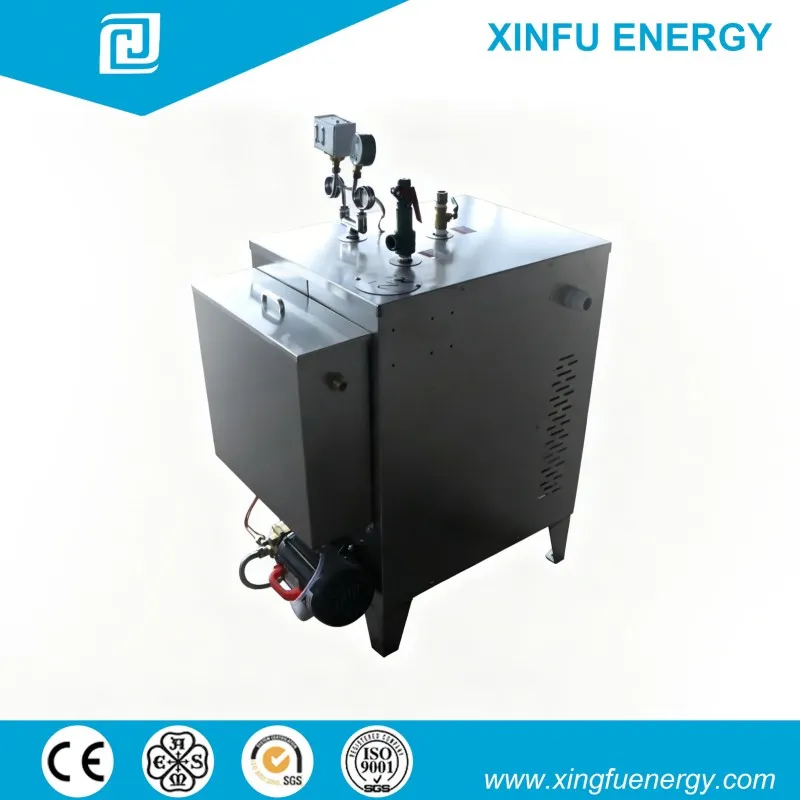
Xingfu’s core competency lies in producing electric steam generators and boilers that meet rigorous international standards. Their product line includes the compact S-Series automation solutions, featuring fully automated generators and intelligent boilers capable of fast steam generation for continuous production lines. Notably, all their equipment is constructed from high-grade stainless steel, ensuring durability and meeting strict environmental safety requirements with zero emissions during operation.
The company’s commitment to quality is backed by substantial infrastructure and human capital. Operating out of a 70,500-square-meter production base with 21,000 square meters of dedicated workshops, Xingfu employs a highly skilled workforce where 21% are technical experts, including 28 specialized engineers. This technical depth allows them to hold Class B boiler and Class 1/2 container manufacturing licenses, along with ISO 9001 and CE certifications. Since beginning exports in 2012, Xingfu has supplied equipment to over 30 countries, including markets in Europe and Asia, demonstrating a validated reputation for reliability and technological maturity in the global energy equipment sector.
Avoid suppliers who cannot provide detailed hydraulic calculations or thermal performance curves. A trustworthy partner will conduct a thorough site audit, analyzing your steam load profile, water quality, and electrical infrastructure before quoting. They should also provide a comprehensive lifecycle cost analysis, not just a sticker price.
Furthermore, check for references in similar industries. A manufacturer specializing in small commercial units may lack the engineering depth for large-scale industrial applications involving high-pressure steam. Conversely, a firm focused solely on massive power plant boilers might not be agile enough for smaller, specialized industrial needs.
Understanding the technical parameters is essential for proper sizing and integration. Incorrect specification can lead to inefficiencies, safety hazards, or premature equipment failure.
Installing an industrial electric steam boiler requires significant electrical infrastructure. Key considerations include:
Electric steam boilers are versatile and suitable for a wide range of industries. Their adoption is driven by specific operational needs rather than just general heating.
In this sector, steam comes into direct or indirect contact with food products. Electric boilers provide clean, odorless steam, ensuring product integrity. Applications include:
Strict regulatory standards (e.g., FDA, GMP) mandate high-purity steam for sterilization and humidification. Electric boilers are the preferred choice because they eliminate the risk of cross-contamination from fuel sources. Uses include:
These industries often require precise temperature control for reactions and distillation. Electric boilers offer modular scalability, allowing plants to add capacity as production ramps up. They are also ideal for locations where natural gas infrastructure is unavailable or expensive.
Industrial laundries and textile finishing plants use steam for pressing, drying, and dyeing. Electric boilers provide quick startup times, enabling facilities to match steam production with shift schedules, reducing energy waste during idle periods.
In 2026, a growing application is coupling electric boilers with renewable energy sources. Excess solar or wind power can be diverted to generate steam for industrial processes or thermal storage, effectively acting as a grid-balancing asset. This “Power-to-Heat” strategy enhances sustainability credentials and can qualify for green energy incentives.
To make an informed decision, it is essential to weigh the pros and cons of electric steam boilers against traditional alternatives.
Choosing the correct electric steam boiler for industrial use involves a systematic evaluation of your facility’s needs. Follow these steps to ensure optimal selection.
Calculate your maximum and average steam demand in kg/hr or lbs/hr. Consider peak loads during startup or high-production periods. It is advisable to size the boiler with a 10-20% safety margin to accommodate future expansion or unexpected spikes in demand.
Consult with a qualified electrical engineer to evaluate your facility’s power capacity. Determine the available voltage (480V, 4160V, etc.) and amperage. If upgrades are needed, factor these costs into your budget. High-voltage systems are generally more efficient for loads above 500 kW.
Conduct a comprehensive water analysis. Key parameters include hardness, silica, chlorides, and dissolved solids. Based on the results, design a feedwater treatment system (softeners, reverse osmosis, deaerators) to protect the boiler. Poor water quality is the leading cause of boiler failure.
Identify local codes and standards applicable to your location. Ensure the manufacturer can provide a unit that complies with ASME, PED, or other relevant regulations. Consider insurance requirements, as some insurers offer discounts for electric boilers due to their lower risk profile.
Compare the initial purchase price with projected operating costs over the boiler’s lifespan (typically 15-20 years). Include energy costs, maintenance, water treatment, and potential carbon taxes or incentives. In many cases, the lower maintenance and compliance costs of electric boilers offset higher energy prices.
Engage with reputable manufacturers. Request detailed proposals that include performance curves, electrical diagrams, water treatment recommendations, and delivery timelines. Ask for case studies or references from similar industrial applications.

While electric boilers are low-maintenance, they are not no-maintenance. Adhering to a strict maintenance schedule ensures reliability and extends equipment life.
Even experienced engineers can make errors when transitioning to electric steam generation. Avoid these common pitfalls:
Electric steam boilers are significantly more efficient, typically achieving 98-99% thermal efficiency compared to 80-85% for gas boilers. This is because electric boilers convert nearly all input energy into heat, whereas gas boilers lose energy through flue gases and incomplete combustion.
Yes, but they must be specifically designed and certified for hazardous locations (e.g., Class I, Division 1 or 2). This involves explosion-proof enclosures for electrical components and specialized wiring practices. Always consult with the manufacturer and local safety authorities.
With proper maintenance and water treatment, an industrial electric steam boiler can last 15 to 20 years or more. The pressure vessel is robust, and heating elements can be replaced individually as they wear out, extending the system’s overall life.
No. Since there is no combustion process, electric boilers do not produce exhaust gases. This eliminates the need for chimneys, flues, or ventilation systems for combustion air, simplifying installation and reducing building costs.
Electric boilers have a fast response time. Depending on the size and initial water temperature, they can reach operating pressure in 15 to 30 minutes. This is much faster than gas or oil boilers, which require pre-purging and warm-up cycles.
Yes. Electric boilers are ideal for integration with renewable energy sources. They can be programmed to operate when solar or wind energy is abundant, storing thermal energy in the form of steam or hot water. This “Power-to-Heat” application supports grid stability and reduces carbon footprint.
In 2026, the electric steam boiler for industrial use represents a strategic investment for forward-thinking manufacturers. The combination of zero emissions, high efficiency, and precise control aligns perfectly with modern industrial demands for sustainability and operational excellence. While the initial electrical infrastructure investment requires careful planning, the long-term benefits in reduced maintenance, regulatory compliance, and process reliability are substantial.
This technology is particularly suited for:
Choosing the right partner is critical. Prioritize manufacturers with proven engineering expertise, robust certification portfolios, and comprehensive after-sales support. By conducting a thorough Total Cost of Ownership analysis and ensuring rigorous water treatment, you can maximize the return on your investment.
Ready to optimize your steam generation system? Evaluate your specific load requirements and electrical capacity today. For detailed technical specifications, custom engineering consultations, and pricing tailored to your 2026 industrial needs, explore our comprehensive solutions.