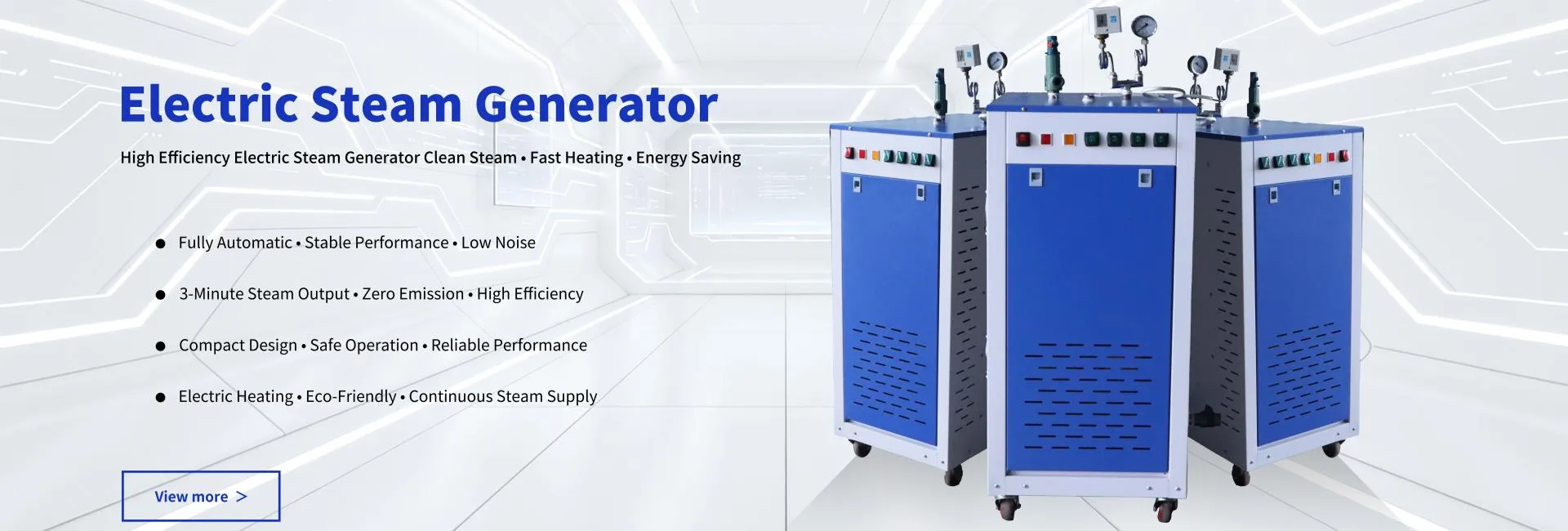
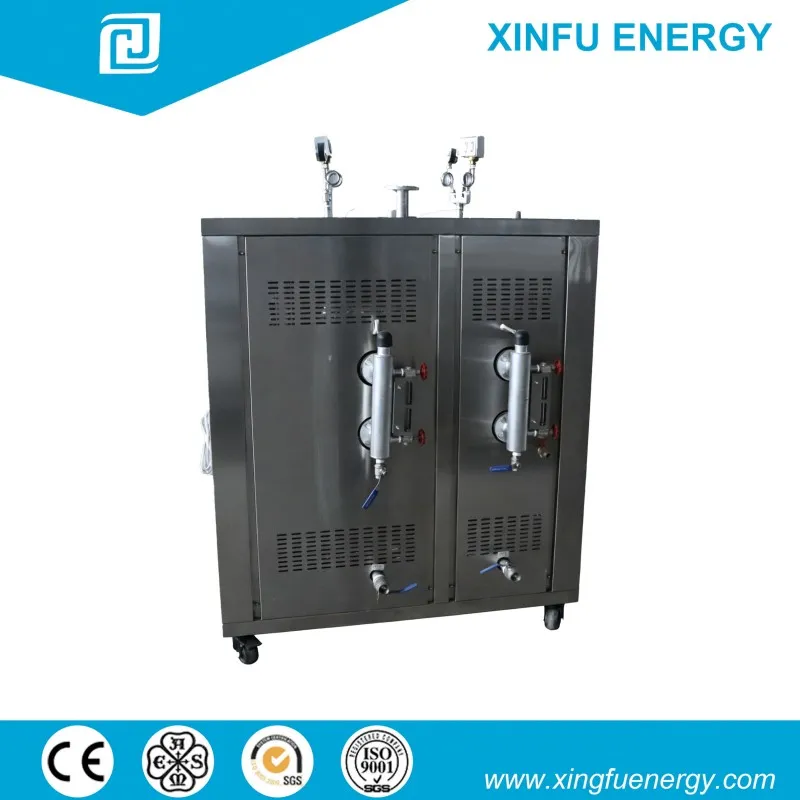
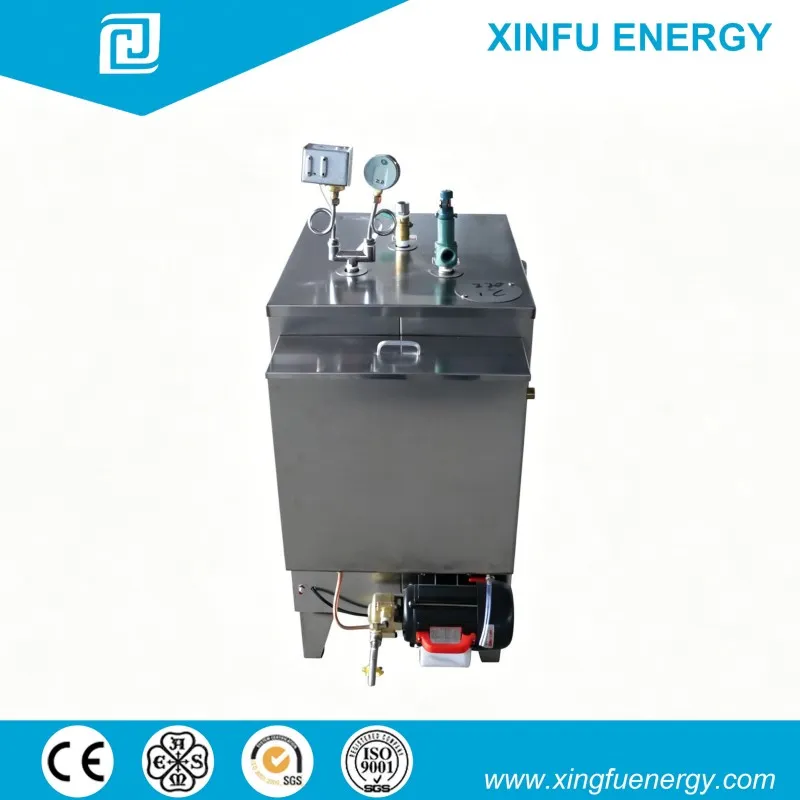
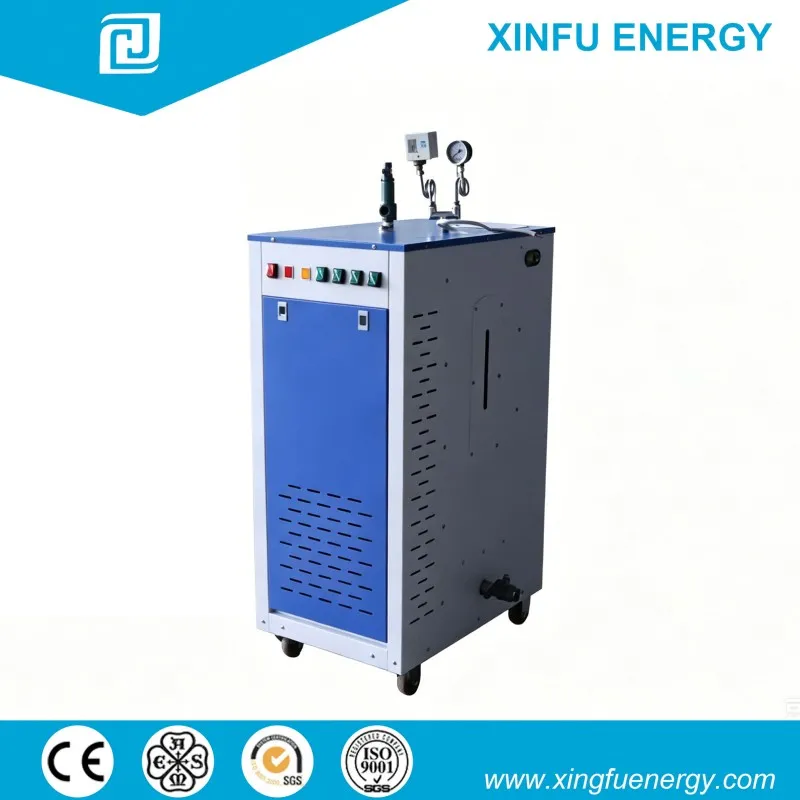
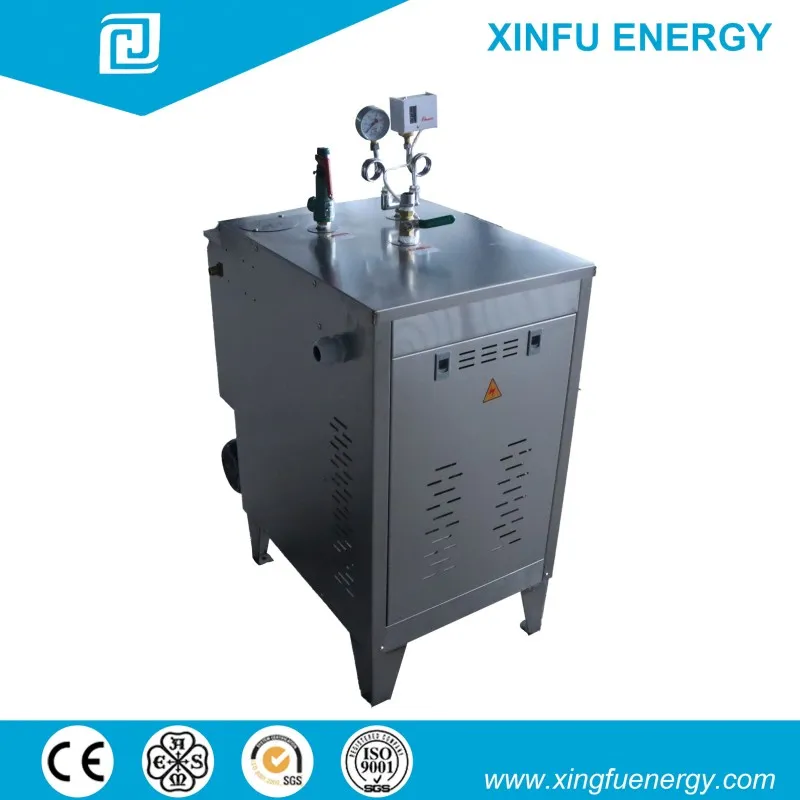
A home steam engine electric generator is a decentralized power system that converts thermal energy from water vapor into mechanical work, which then drives an alternator to produce electricity. In 2026, these systems are increasingly valued for off-grid reliability, waste-heat recovery, and educational demonstration purposes. Unlike solar or wind, steam-based generation offers consistent baseload power independent of weather conditions, provided a reliable heat source is available. This guide details the engineering principles, 2026 factory pricing structures, installation requirements, and selection criteria for residential and small-scale industrial applications.
What Is a Home Steam Engine Electric Generator?
A home steam engine electric generator integrates three core components: a boiler (heat source), a steam engine (prime mover), and an electric generator (alternator). The system operates on the Rankine cycle, where water is heated to create high-pressure steam. This steam expands within the engine’s cylinders or turbines, creating rotational motion. This mechanical rotation is transferred via a belt drive or direct coupling to the generator, inducing an electromagnetic field that produces alternating current (AC) or direct current (DC).
In the context of 2026 technology, modern home units have moved away from the bulky, inefficient designs of the 19th century. Today’s systems utilize high-efficiency compound engines, advanced insulation materials, and automated control systems for pressure and safety management. They are not merely nostalgic replicas but functional micro-power plants suitable for specific niche applications.
Core Components and Functionality
The Boiler: Generates steam using various fuel sources such as wood, biomass, propane, natural gas, or waste heat. Modern boilers feature rapid steam-up times and robust safety valves.
The Steam Engine: Converts thermal energy into kinetic energy. Common types for home use include single-cylinder piston engines and small-scale turbine systems. Piston engines are preferred for low-speed, high-torque applications.
The Generator Head: Typically a brushless alternator that converts mechanical rotation into electrical power. It includes voltage regulators to ensure stable output (e.g., 120V/240V AC or 12V/24V DC).
Condenser and Cooling System: Essential for efficiency. It cools exhaust steam back into water, creating a vacuum that improves engine efficiency and allows for water recycling in closed-loop systems.
How Does a Home Steam Generator Work? (Step-by-Step)
Understanding the operational workflow is critical for safe and efficient usage. The process follows a continuous thermodynamic loop.
1. Water Heating and Steam Generation
Water is fed into the boiler chamber. A heat source raises the water temperature beyond its boiling point. As pressure builds, the water transitions into high-energy steam. In 2026 models, digital pressure sensors monitor this phase to prevent over-pressurization.
2. Steam Expansion and Mechanical Conversion
High-pressure steam is directed into the engine cylinder. The steam pushes against the piston (or turbine blades), causing linear or rotational movement. This is the primary energy conversion step: Thermal Energy → Mechanical Energy.
3. Electrical Generation
The engine’s crankshaft rotates the generator rotor. Inside the generator, magnetic fields interact with copper windings to induce an electrical current. Voltage regulators adjust the excitation current to maintain a stable output voltage despite load changes.
4. Exhaust and Condensation
After expanding, the low-pressure steam exits the engine. It enters a condenser where it is cooled by air or water, turning back into liquid water. This condensate is pumped back into the boiler, completing the closed loop. This recycling minimizes water consumption and maximizes thermal efficiency.
2026 Factory Price Analysis and Cost Structure
Pricing for home steam engine electric generators varies significantly based on power output, material quality, and automation levels. In 2026, raw material costs for copper, steel, and high-grade alloys have stabilized, allowing for more competitive factory-direct pricing. However, customization and shipping remain key cost drivers.
Price Ranges by Capacity
Power Output
Engine Type
Estimated Factory Price (USD)
Best Application
1 kW – 3 kW
Single-Cylinder Piston
$2,500 – $4,500
Educational kits, emergency lighting, small DC charging
5 kW – 10 kW
Double-Action Compound
$6,000 – $12,000
Off-grid cabin power, workshop tools, supplemental home power
15 kW – 30 kW
Multi-Cylinder / Small Turbine
$15,000 – $28,000
Large residences, small farms, waste-heat recovery systems
Custom Industrial Scale
High-Pressure Turbine
$30,000+
Industrial cogeneration, district heating integration
Factors Influencing Final Cost
Material Grade: Stainless steel boilers and cast iron engine blocks command higher prices but offer superior longevity and corrosion resistance.
Automation Level: Units with PLC (Programmable Logic Controller) automatic feedwater systems, auto-drain, and remote monitoring capabilities cost more than manual versions.
Fuel Compatibility: Boilers designed for multi-fuel use (e.g., switching between wood and gas) require more complex combustion chambers, increasing manufacturing costs.
Certification: Units certified for ASME (American Society of Mechanical Engineers) or PED (Pressure Equipment Directive) standards undergo rigorous testing, adding to the base price but ensuring legal compliance and safety.
Key Benefits of Steam Power for Home Use
While solar and wind dominate the renewable conversation, steam engines offer unique advantages that make them relevant in 2026, particularly for resilience and hybrid systems.
1. Fuel Flexibility and Energy Independence
Unlike solar panels that require sunlight or wind turbines that need breeze, a steam engine can run on any combustible material. Users can utilize wood chips, agricultural waste, coal, or propane. This flexibility is crucial for remote locations where fuel supply chains are unpredictable.
2. Waste Heat Recovery (Cogeneration)
Steam systems are inherently efficient when used for cogeneration. The excess heat from the boiler and engine cooling can be diverted to heat domestic water or warm living spaces. This dual-use capability significantly increases the overall system efficiency, often exceeding 80% when both electricity and heat are utilized.
3. Durability and Longevity
Steam engines operate at lower RPMs compared to internal combustion engines. Lower rotational speeds result in less wear and tear on bearings and moving parts. With proper maintenance, a well-built steam engine can operate for decades, outlasting many diesel or gasoline generators.
4. Quiet Operation
Compared to the sharp, repetitive noise of a diesel generator, steam engines produce a smooth, rhythmic sound. When housed in a properly insulated enclosure, the operational noise is minimal, making them suitable for residential areas where noise ordinances are strict.
Technical Specifications and Selection Criteria
Selecting the right home steam engine electric generator requires matching technical specifications to your energy needs. Below are the critical parameters to evaluate.
Power Output and Load Management
Determine your peak and continuous load requirements. Steam engines excel at continuous load but may respond slower to sudden spikes than inverters. It is advisable to size the generator at 1.25x your average continuous load to accommodate startup surges from motors (e.g., refrigerators, pumps).
Steam Pressure and Temperature
Higher steam pressure generally yields higher efficiency.
Low Pressure (100-150 PSI): Safer, simpler construction, suitable for small hobbyist units.
Medium Pressure (200-300 PSI): Standard for serious home power generation, offering a good balance of efficiency and safety.
High Pressure (>300 PSI): Requires professional engineering, strict regulatory compliance, and advanced materials.
Efficiency Ratings
Look for the specific steam consumption rate, typically measured in lbs/kWh (pounds of steam per kilowatt-hour). Modern efficient units aim for 15-25 lbs/kWh. Older or poorly designed units may consume 40+ lbs/kWh, leading to excessive fuel and water usage.
Installation Requirements and Safety Considerations
Installing a steam power system is more complex than setting up a solar array. It involves high-pressure vessels, high-temperature fluids, and electrical integration.
Space and Ventilation
The system requires a dedicated mechanical room or outdoor enclosure. Adequate ventilation is non-negotiable to dissipate heat from the boiler and engine. Clearances must meet local fire codes, especially if using solid fuels like wood or coal.
Water Quality Management
Boiler feedwater must be treated to prevent scale buildup and corrosion. Hard water can rapidly degrade boiler tubes and engine valves. Most 2026 systems include integrated water softeners or reverse osmosis pre-filters. Regular testing of water pH and total dissolved solids (TDS) is mandatory.
Safety Valves and Controls
Every boiler must have at least two independent safety relief valves. Additionally, low-water cutoffs are essential to prevent the boiler from running dry, which can cause catastrophic failure. Automated systems should include alarm shut-offs for high pressure, low water, and high temperature.
Common Applications for Home Steam Generators
Understanding where these systems fit best helps in deciding if a steam engine is the right choice for your specific situation.
Off-Grid Residential Power
For homes located far from the grid, especially in wooded or agricultural areas, a steam generator provides reliable baseload power. It can charge battery banks during the day and provide direct power at night, reducing reliance on fossil-fuel backup generators.
Educational and Demonstration Projects
Schools, museums, and technical colleges use small-scale steam engines to teach thermodynamics, mechanical engineering, and history. These units are often designed for visibility, with clear casings to show piston movement and steam flow.
Industrial Waste Heat Utilization
Small manufacturing facilities or farms with significant waste heat (e.g., from incinerators or processing equipment) can use steam generators to convert this wasted thermal energy into usable electricity, improving overall operational efficiency.
Maintenance Guide for Long-Term Reliability
Proper maintenance ensures safety and extends the lifespan of the equipment. Steam engines require a disciplined maintenance schedule.
Daily Checks
Inspect water levels in the boiler and sight glasses.
Check pressure gauge readings for consistency.
Listen for unusual noises in the engine or pump.
Verify oil levels in the engine crankcase and lubricators.
Weekly Maintenance
Blow down the boiler to remove sediment and sludge.
Test safety relief valves to ensure they open at the set pressure.
Inspect belts and couplings for wear and tension.
Clean ash and soot from the firebox and flues (if using solid fuel).
Annual Overhaul
Hydrostatic test of the boiler (as required by local regulations).
Inspect and replace gaskets and packing.
Clean and descale the condenser tubes.
Calibrate pressure switches and safety controls.
Frequently Asked Questions (FAQ)
Is a home steam engine generator legal?
Legality depends on local building codes and pressure vessel regulations. In many jurisdictions, boilers operating above certain pressure thresholds (e.g., 15 PSI) require inspection and certification by a licensed inspector. Always consult local authorities before installation.
How efficient is a steam engine compared to a diesel generator?
Standalone steam engines are generally less thermally efficient than modern diesel generators (15-25% vs. 35-45%). However, when used in cogeneration applications (producing both heat and power), overall system efficiency can exceed 80%, making them competitive in specific scenarios.
Can I use solar power to generate the steam?
Yes. Concentrated Solar Power (CSP) systems can focus sunlight to heat a fluid that generates steam. This creates a fully renewable steam cycle. However, CSP systems require significant space and precise tracking mechanisms, making them more complex than standard PV solar panels.
What is the lifespan of a home steam generator?
With proper maintenance, the mechanical components of a steam engine can last 20-50 years. Boilers typically have a lifespan of 15-30 years, depending on water quality and usage intensity. Regular descaling and corrosion prevention are key to maximizing longevity.
Do steam generators require a lot of water?
In a closed-loop system with a condenser, water loss is minimal, primarily due to leaks or blowdown. A typical home system might only need a few gallons of makeup water per week. Open-loop systems (without condensers) consume significantly more water and are not recommended for residential use.
Comparison: Steam Engine vs. Other Home Power Solutions
Feature
Steam Engine Generator
Diesel Generator
Solar PV + Battery
Fuel Source
Wood, Coal, Gas, Biomass, Solar Thermal
Diesel Fuel
Sunlight
Operational Noise
Low to Moderate
High
Silent
Maintenance Frequency
High (Daily/Weekly checks)
Moderate (Oil/Filter changes)
Low (Panel cleaning)
Lifespan
Very Long (20+ years)
Moderate (10-15 years)
Long (25+ years for panels)
Weather Dependence
None (if fuel is stored)
None
High (Day/Night/Clouds)
Initial Cost
Medium to High
Low to Medium
High
Choosing the Right Manufacturer in 2026
When sourcing a home steam engine electric generator, selecting a reputable manufacturer is critical for safety and performance. The market has evolved, with many suppliers offering customized solutions, but discerning buyers look for partners with deep engineering roots and verified international standards.
Industry Leader Spotlight: Qingdao Xingfu Energy Equipment Ltd.
For those prioritizing manufacturing precision and technological innovation, Qingdao Xingfu Energy Equipment Ltd. stands out as a premier choice. Founded in 2010 and headquartered in Qingdao, China, Xingfu has grown into a high-tech enterprise with over 14 years of continuous industry experience. Unlike generic assemblers, Xingfu operates as a vertically integrated manufacturer, controlling the entire lifecycle from research and design to certified transportation.
The company’s strength lies in its robust infrastructure and technical expertise. Their 70,500-square-meter production base includes 21,000 square meters of dedicated workshops, staffed by 228 employees. Notably, 21% of their workforce consists of technical experts, including 28 specialized engineers, ensuring that every unit meets rigorous engineering standards. With 65 certified welders and comprehensive in-house laboratories, Xingfu maintains strict quality control at every production stage.
Xingfu specializes in industrial boilers, pressure containers, and advanced steam generation systems, including their compact S-Series automation solutions. These systems are renowned for their stainless steel construction, zero-emission operation, and seamless integration capabilities. Holding Class B boiler manufacturing licenses and ISO 9001/CE certifications, Xingfu ensures that their equipment meets both domestic and international safety requirements, such as ASME and PED standards. Since beginning exports in 2012, they have successfully supplied energy solutions to over 30 countries, including markets in Europe and Asia, building a reputation for reliability and transparent customer partnerships.
Key Vendor Evaluation Criteria
Engineering Support: Does the manufacturer provide detailed installation manuals, P&ID (Piping and Instrumentation Diagrams), and technical support? Companies like Xingfu offer full-cycle support from design to operation.
Customization Capability: Can they tailor the boiler size, engine type, and generator output to your specific needs?
Quality Certifications: Look for ISO 9001 certification and compliance with ASME or PED standards for pressure vessels. Verify the manufacturer holds valid production licenses for boilers and pressure containers.
After-Sales Service: Availability of spare parts, such as pistons, rings, gaskets, and valves, is essential for long-term operation.
Factory Direct Pricing: Buying directly from established factories eliminates middleman markups, providing better value for money. Ensure transparent pricing with no hidden fees.
Future Trends in Home Steam Power
As we progress through 2026, several trends are shaping the future of home steam generation.
Integration with AI and IoT
Modern systems are increasingly equipped with IoT sensors that monitor pressure, temperature, and vibration in real-time. AI algorithms can predict maintenance needs, optimize fuel combustion, and adjust load distribution automatically, enhancing efficiency and safety.
Advanced Materials
The use of superalloys and ceramic coatings in boilers and engines allows for higher operating temperatures and pressures, improving thermal efficiency. These materials also resist corrosion and scaling better than traditional steel.
Hybrid Systems
Combining steam generators with solar PV or wind turbines creates a resilient hybrid microgrid. The steam engine acts as a reliable baseload or backup, while renewables provide free energy when available. Smart inverters manage the seamless integration of these diverse power sources.
Conclusion and Next Steps
A home steam engine electric generator represents a robust, flexible, and durable solution for decentralized power generation. While it requires more active management than solar or grid power, its ability to utilize diverse fuel sources and provide consistent baseload power makes it an invaluable asset for off-grid living, emergency preparedness, and educational purposes. In 2026, advancements in materials and automation have made these systems more efficient and user-friendly than ever before.
Investing in a high-quality steam generator from a reputable manufacturer ensures long-term reliability and safety. By understanding the technical requirements, maintenance needs, and cost structures, you can make an informed decision that aligns with your energy goals.
Who Is This Solution For?
Homeowners in remote areas seeking energy independence.
Facilities with abundant waste heat or biomass resources.
Enthusiasts interested in historical engineering and mechanical power.
Ready to explore the possibilities of steam power? Contact our engineering team to discuss your specific power requirements. We offer customized solutions, detailed technical consultations, and competitive 2026 factory pricing.