-
+86-13791972057
-
No. 3009, Tower 3, Zhuoyue Century Center, No. 31th Longcheng Road, Qingdao, Shandong, China


+86-13791972057
No. 3009, Tower 3, Zhuoyue Century Center, No. 31th Longcheng Road, Qingdao, Shandong, China








2026-10-11
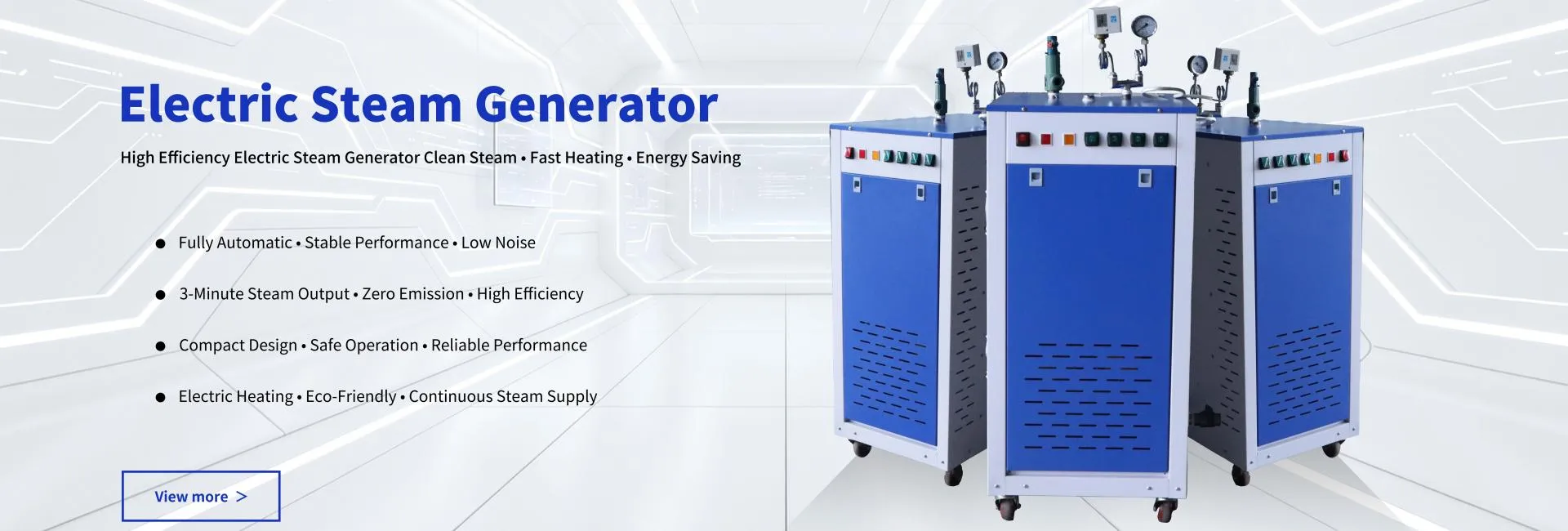
Industrial plants face a constant trade-off: steam reliability versus maintenance overhead. Downtime for boiler servicing costs thousands per hour. Cleaning scale, replacing electrodes, recalibrating controls—these aren’t interruptions. They’re built-in production risks. That’s why forward-thinking facilities now specify a Maintenance Free Steam Generator—not as marketing hype, but as an operational necessity.
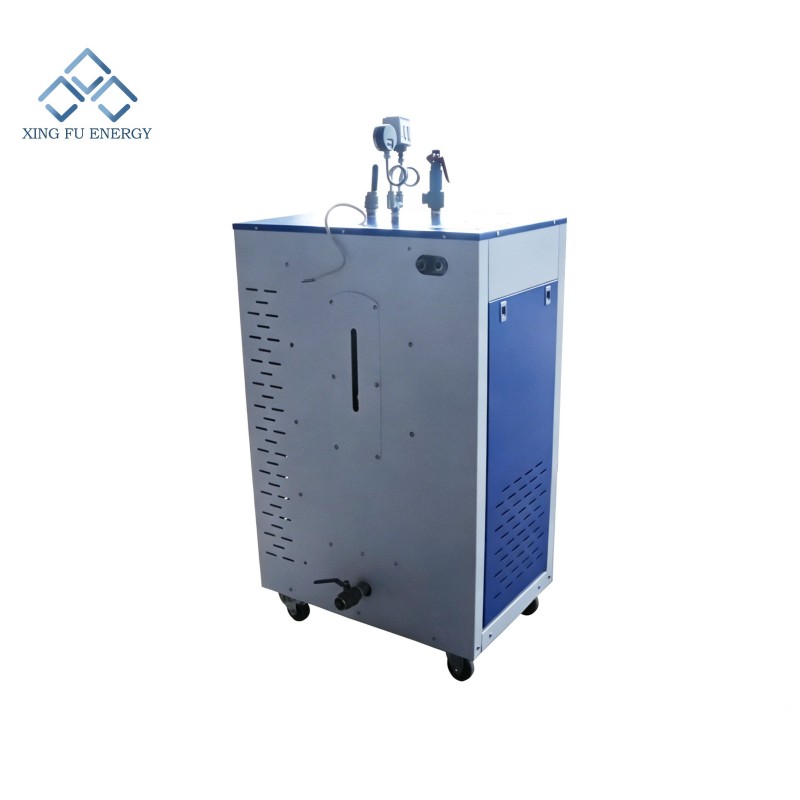
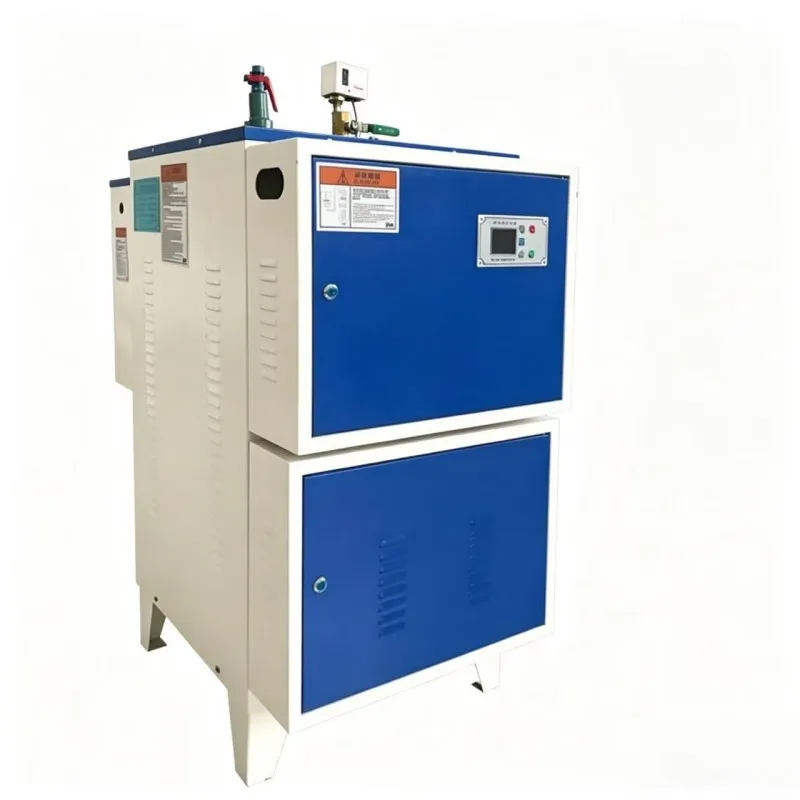
True maintenance-free operation doesn’t mean “no service ever.” It means zero routine descaling, no electrode replacement cycles, no annual refractory rebuilds, and no forced shutdowns for internal inspections. At Qingdao Xingfu Energy Equipment Co., Ltd., we’ve engineered that reality into the S-Series electric steam generators—not by cutting corners, but by eliminating failure points at the source. Stainless steel construction, solid-state power control, and fully sealed heating elements remove corrosion, mineral buildup, and thermal stress from the equation. In real-world textile dyeing lines across Vietnam and Spain, these units run 72 consecutive hours at full load—then another 72—with only visual exterior checks logged in the maintenance log.
Why do most “low-maintenance” steam systems still fail this test? Because they confuse automation with autonomy. A boiler with touchscreen controls still needs weekly water treatment logs. A unit with remote monitoring still requires quarterly electrode swaps. The difference lies in architecture—not interface. Our Maintenance Free Steam Generator uses immersion-type stainless steel heating rods rated for 100,000+ operating hours, paired with closed-loop feedwater conditioning that prevents hardness ingress before it enters the vessel. No blowdown valves. No chemical dosing pumps. No conductivity probes to calibrate. We validated this during a 14-month trial at a Polish food packaging plant: 9,862 runtime hours, zero unscheduled stops, and just two documented interventions—both external filter cleanings.
Some argue that high-power electric steam generation is inherently expensive. But that view ignores total cost of ownership. Consider a 300 kW unit running 5,000 hours/year. Fuel savings alone—versus oil-fired alternatives—pay back the premium in 11 months. Add labor reduction: one technician previously spent 12 hours/month on boiler servicing. Now, that time shifts to preventive checks on downstream equipment—increasing line uptime, not just steam availability. Our customers report 22–37% lower annual OPEX over five years, driven by eliminated chemical costs, reduced labor, and avoided emergency call-outs. In Malaysia’s rubber processing sector, where humidity and salt air accelerate corrosion, the switch cut unscheduled downtime by 89% within six months.
Integration isn’t plug-and-play—but it’s predictable. These units require only three connections: 3-phase power (400–480 V), deionized or softened feedwater (0.5–2 bar pressure), and a condensate return line. No flue gas ducting. No fuel storage. No ventilation shafts. We provide pre-commissioning engineering support—including load-matching analysis, electrical load profiling, and PLC interface mapping—to ensure the Maintenance Free Steam Generator works *with* your existing control architecture, not around it. Every unit ships with ISO 9001-certified documentation, CE-marked compliance files, and a digital twin model for SCADA integration.
Maintenance-free operation isn’t the future. It’s the baseline for reliable industrial steam today. Facilities that treat steam as infrastructure—not machinery—gain resilience, predictability, and measurable ROI. Qingdao Xingfu Energy Equipment builds that certainty into every weld, every circuit board, every stainless steel chamber. When your production line can’t afford a 45-minute delay for boiler warm-up—or a week-long outage for refractory repair—the choice isn’t between brands. It’s between risk and reliability.