-
+86-13791972057
-
No. 3009, Tower 3, Zhuoyue Century Center, No. 31th Longcheng Road, Qingdao, Shandong, China


+86-13791972057
No. 3009, Tower 3, Zhuoyue Century Center, No. 31th Longcheng Road, Qingdao, Shandong, China








2026-11-18
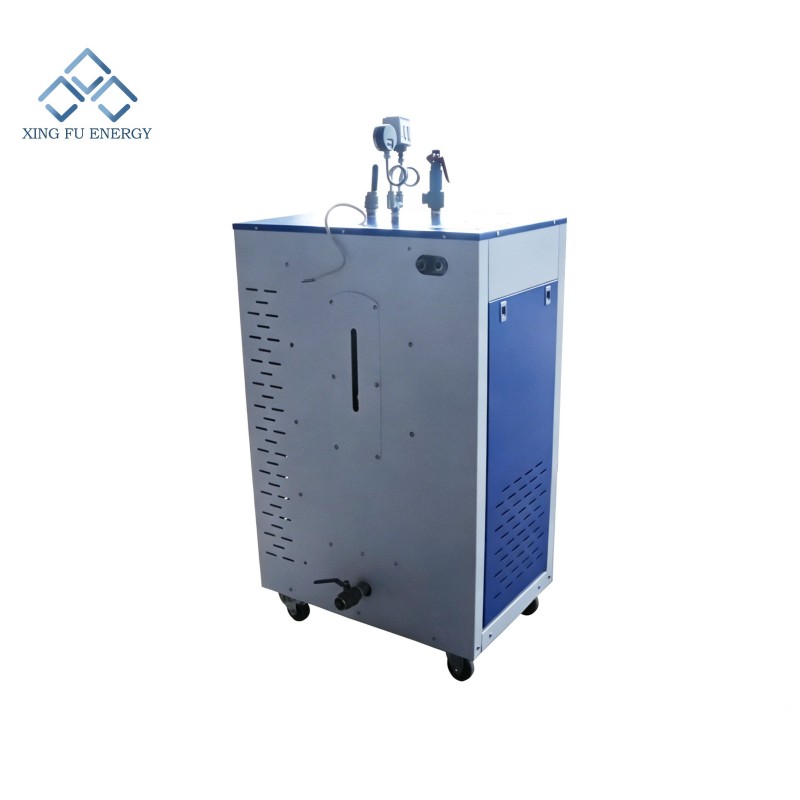
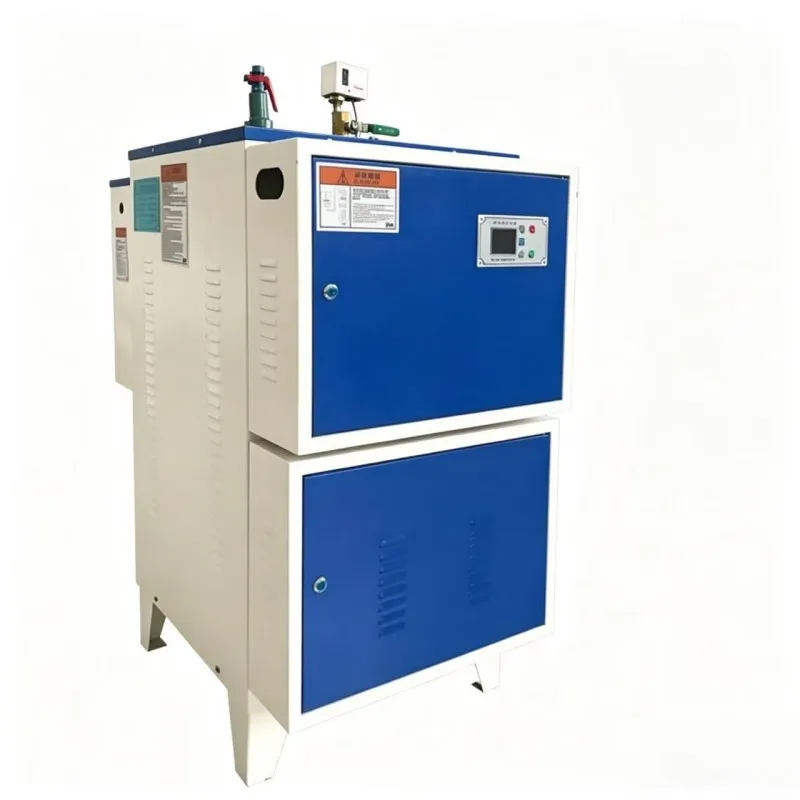
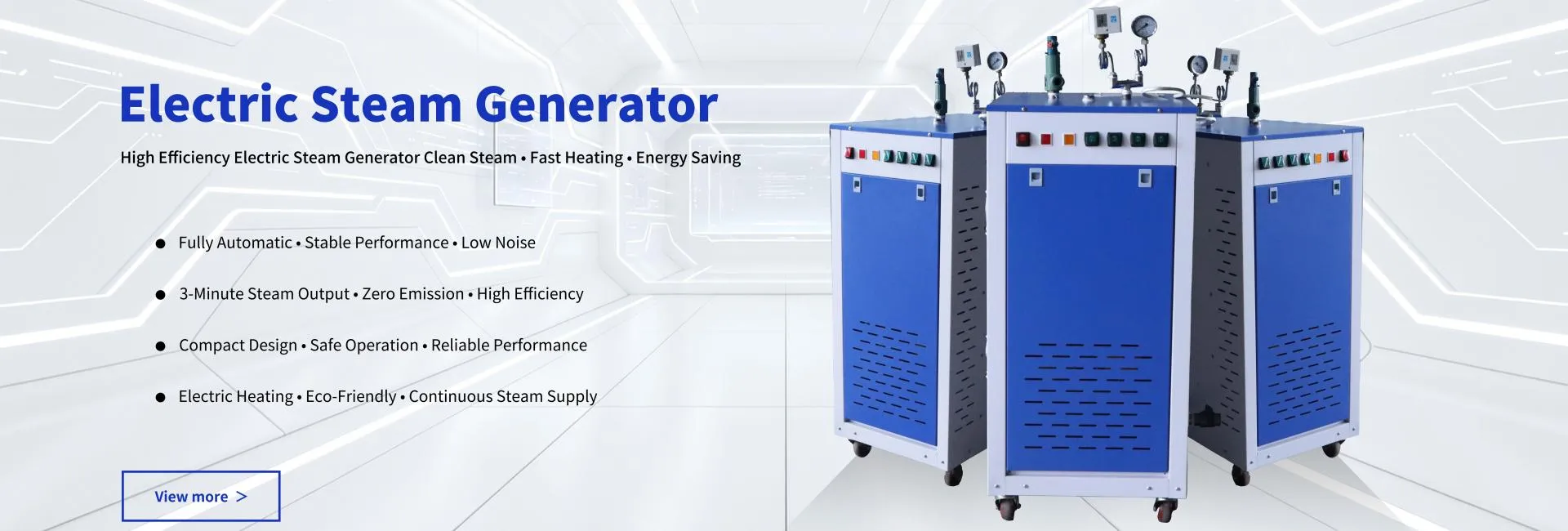
A residential electric steam boiler is a compact, high-efficiency heating system that uses electricity to generate steam for home radiators, humidification, or specialized process applications. In 2026, prices typically range from $2,500 to $8,000 USD, depending on capacity (kW), pressure ratings, and smart control integration. Unlike traditional fossil-fuel units, these boilers offer zero onsite emissions, silent operation, and precise temperature modulation, making them ideal for modern eco-conscious homes and retrofits where gas lines are unavailable.
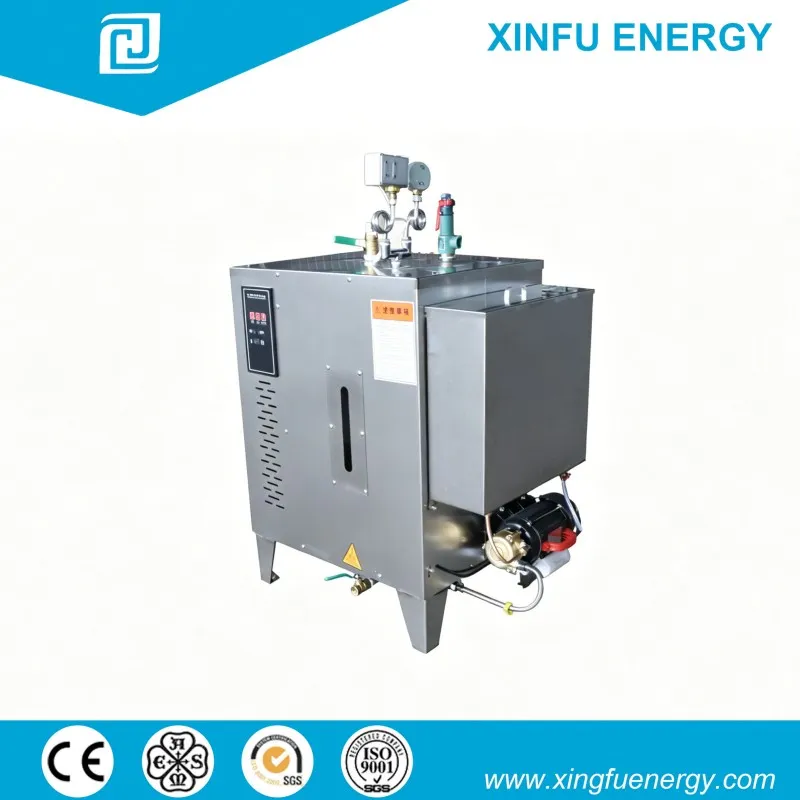
A residential electric steam boiler converts electrical energy into thermal energy to produce steam. This steam is then distributed through a network of pipes to radiators, baseboard heaters, or heat exchangers within a dwelling. The core mechanism involves heating elements submerged in water within a sealed pressure vessel. As the water reaches its boiling point, it transitions into steam, which rises and travels through the distribution system, releasing latent heat as it condenses back into water.
In the context of 2026 housing standards, these units are increasingly favored for their modular design and compatibility with renewable energy sources. When paired with residential solar PV systems, an electric steam boiler can operate with a significantly reduced carbon footprint. The technology eliminates the need for combustion chambers, flues, or fuel storage tanks, simplifying installation in dense urban environments or historic properties where structural modifications are restricted.
Understanding the internal architecture helps in evaluating quality and longevity. A standard unit comprises several critical entities:
The operational logic is straightforward yet precise. When the thermostat calls for heat, the control board activates the contactors, sending current to the heating elements. The water heats up rapidly due to the high efficiency of electric resistance heating (nearly 100% energy-to-heat conversion). Steam generates, pushes air out of the radiators via vents, and condenses, releasing heat into the room. The condensate returns by gravity or pump, completing the cycle.
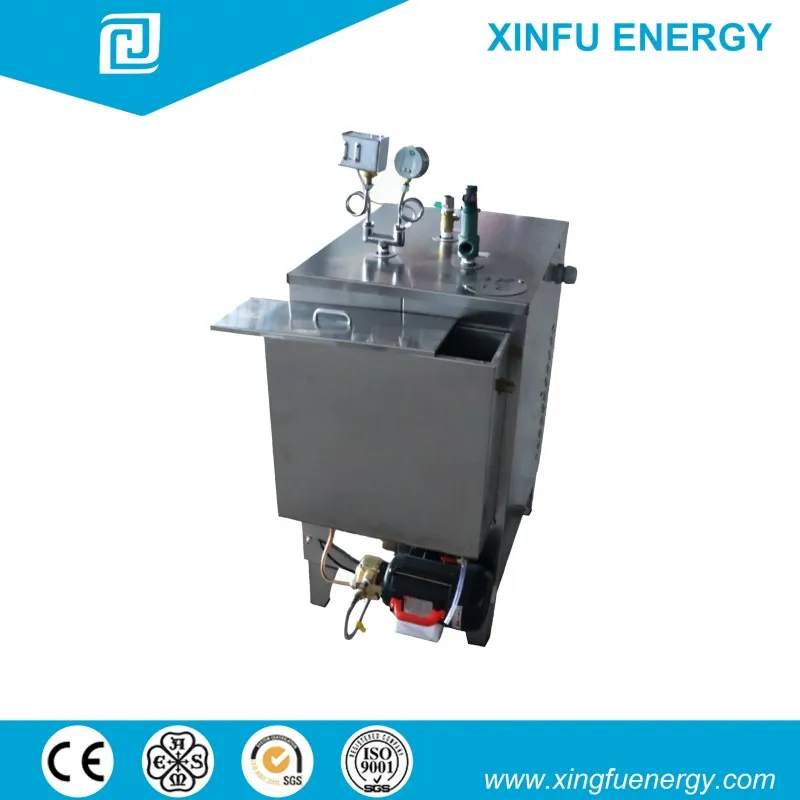
Pricing for residential electric steam boilers in 2026 reflects advancements in smart technology, material costs, and regulatory compliance. Unlike gas boilers, where pricing is heavily influenced by venting complexity, electric boiler costs are driven by electrical infrastructure requirements and unit capacity.
The primary cost driver is the kilowatt (kW) rating, which correlates directly with the square footage of the heated space. Below is a general pricing structure for equipment only, excluding installation labor and electrical upgrades.
| Capacity (kW) | Approx. Heating Area (Sq. Ft.) | Equipment Price Range (USD) | Best For |
|---|---|---|---|
| 5 – 10 kW | 500 – 1,000 | $2,500 – $3,500 | Apartments, small condos, auxiliary heating |
| 12 – 18 kW | 1,000 – 1,800 | $3,500 – $5,000 | Standard single-family homes, townhouses |
| 20 – 30 kW | 1,800 – 3,000 | $5,000 – $7,500 | Larger residences, multi-zone systems |
| 35+ kW | 3,000+ | $7,500 – $10,000+ | Estate homes, luxury properties, hybrid systems |
While the equipment cost is transparent, total project cost often includes significant electrical infrastructure upgrades. Most residential electric steam boilers require 240V or 480V three-phase power, depending on the kW rating. Homeowners should anticipate the following additional expenses:
It is crucial to note that while upfront electrical costs can be higher than gas line extensions, the absence of annual chimney inspections, fuel delivery fees, and combustion maintenance often results in lower total cost of ownership over a 10-year period.
Selecting the right manufacturer is pivotal for ensuring reliability, warranty support, and access to spare parts. In 2026, the market for residential electric steam boilers is characterized by specialized industrial brands adapting their technology for domestic use, rather than mass-market consumer appliance makers. This specialization ensures higher engineering standards but requires careful vetting of supplier capabilities.
When assessing potential suppliers or brands, focus on these EEAT-aligned criteria:
The current landscape features manufacturers who specialize in electric thermal solutions. These companies often serve both commercial and residential sectors. Key differentiators in 2026 include IoT connectivity for remote monitoring and adaptive learning algorithms that predict maintenance needs. Buyers should prioritize manufacturers who provide detailed installation manuals, wiring diagrams, and local distributor networks for rapid parts replacement.
Avoid generic “white-label” imports that lack clear certification documentation. In the steam boiler industry, brand reputation is built on decades of engineering consistency. Established manufacturers provide transparency regarding material sourcing and testing protocols, which enhances trustworthiness and long-term system reliability.
For instance, Qingdao Xingfu Energy Equipment Ltd. exemplifies the shift toward high-tech, vertically integrated manufacturing in this sector. Founded in 2010 and headquartered in Qingdao, China, Xingfu has grown into a recognized global supplier of energy equipment, exporting to over 30 countries including markets in Europe and Asia. While their core expertise lies in industrial electric steam generators and pressure containers, their engineering principles—such as the use of stainless steel construction, zero-emission operations, and ISO 9001/CE certified quality controls—are increasingly influencing the broader market for high-efficiency steam solutions. With a production base spanning 70,500 square meters and a technical team comprising 21% of its workforce, companies like Xingfu demonstrate the level of rigorous testing and manufacturing precision that homeowners should look for when evaluating the durability and safety of their heating investments.
Transitioning to an electric steam boiler offers distinct advantages over traditional oil or gas systems, particularly in the context of modern environmental regulations and smart home integration.
Electric boilers produce no combustion byproducts such as carbon monoxide, nitrogen oxides, or particulate matter. This makes them ideal for cities with strict air quality regulations or for homeowners aiming for LEED certification or net-zero energy status. There is no need for a flue or chimney, eliminating the risk of back-drafting and indoor air pollution.
Electric resistance heating is nearly 100% efficient at the point of use. Every kilowatt-hour of electricity consumed is converted into heat. While gas boilers lose energy through exhaust gases (typically achieving 80-95% efficiency), electric boilers retain virtually all generated heat within the system. When paired with time-of-use electricity rates, users can optimize costs by pre-heating during off-peak hours.
Without burners, fans, or combustion turbulence, electric steam boilers operate almost silently. This is a significant benefit for residential settings, particularly in bedrooms or living areas adjacent to mechanical rooms. Additionally, the absence of fuel storage tanks and venting systems allows for a much smaller footprint, freeing up valuable basement or utility room space.
Electric boilers have fewer moving parts compared to fossil fuel counterparts. There are no nozzles to clean, filters to replace, or combustion chambers to inspect. Primary maintenance involves annual checking of water levels, pressure relief valves, and occasional descaling of elements, depending on water hardness. This simplicity reduces annual service contracts and long-term upkeep costs.
Modern electric boilers integrate seamlessly with smart home ecosystems. Users can control temperature zones via smartphone apps, set schedules, and monitor energy consumption in real-time. Advanced models offer weather compensation, adjusting output based on external temperatures to maintain consistent comfort while minimizing energy waste.
Despite their benefits, electric steam boilers present specific challenges that homeowners must address to ensure satisfactory performance.
The most significant barrier is the electrical load. A 20 kW boiler draws approximately 83 amps at 240V. This requires heavy-gauge wiring and potentially a service panel upgrade. In older homes with 100A service, installing a large electric boiler may necessitate a complete electrical overhaul, which can be costly and invasive.
While efficient, electricity is often more expensive per BTU than natural gas in many regions. Homeowners should compare local utility rates. If natural gas is available and cheap, an electric boiler may have higher monthly operating costs. However, this gap narrows when considering the maintenance savings and potential solar offset.
Steam boilers are sensitive to water hardness. Mineral deposits (scale) on heating elements reduce efficiency and can lead to premature failure. Homes with hard water must install water softeners or use treated feed water. Neglecting water quality is the leading cause of early system failure in electric steam applications.
Selecting the correct unit involves balancing heating demand, electrical capacity, and physical constraints. Follow this structured approach to make an informed decision.
Determine the required BTU output. A general rule of thumb is 30-50 BTUs per square foot, depending on insulation levels and climate zone. Convert BTUs to kW using the formula: kW = BTU/hr ÷ 3,412. For example, a 100,000 BTU requirement equals approximately 29 kW. Always add a 10-15% safety margin for extreme weather conditions.
Consult a licensed electrician to evaluate your main service panel. Determine if you have available amperage for the new boiler. Check if your utility provider offers dual-metering or time-of-use rates, which can significantly impact operating costs. Verify if single-phase or three-phase power is available, as larger units may require three-phase input for balanced loading.
Although electric boilers do not require ventilation for combustion, they still need adequate clearance for service access and heat dissipation. Measure the installation area to ensure the unit fits with required clearances from combustible materials. Consider the weight of the unit when filled with water, as steam boilers are dense and heavy.
Prioritize units with modulating controls. Fixed-output boilers cycle on and off frequently, causing thermal stress and efficiency losses. Modulating units adjust power output to match demand, maintaining stable pressure and temperature. Look for features like outdoor reset controls, Wi-Fi connectivity, and diagnostic displays.
Ensure the unit carries UL (Underwriters Laboratories) or ETL certification for electrical safety and ASME stamp for the pressure vessel. Review the warranty terms carefully. Prefer manufacturers that offer comprehensive coverage and have a proven track record of honoring claims. Check for availability of local service technicians familiar with the brand.
Proper installation is critical for safety and performance. Many issues arise from incorrect wiring or poor hydronic integration.
Due to the high voltage and pressure involved, DIY installation is strongly discouraged. Hire a licensed plumber for the hydronic side and a licensed electrician for the power connection. Coordination between these trades is essential to ensure the control wiring interfaces correctly with the power circuitry.
Regular maintenance extends the life of your electric steam boiler and maintains efficiency. Follow this annual checklist:
Issue: Boiler trips breaker.
Cause: Short circuit in elements, grounded element, or overloaded circuit.
Solution: Disconnect elements and test resistance. Check for ground faults. Verify breaker size matches load.
Issue: Radiators not heating evenly.
Cause: Air locks, incorrect piping pitch, or faulty vents.
Solution: Bleed radiators, check main pipe slope, and replace stuck vents.
Issue: High energy bills.
Cause: Scale on elements, lack of insulation, or continuous cycling.
Solution: Descale elements, insulate steam pipes, and check control settings for proper differential.
A steam boiler heats water until it turns into steam, which travels through pipes to radiators. A hot water boiler circulates heated liquid water through baseboards or radiant floor tubing. Steam systems operate at higher temperatures and pressures, providing intense heat but requiring more precise maintenance. Electric steam boilers are specifically designed for legacy steam radiator systems, whereas electric hot water boilers are used for modern hydronic systems.
Yes, but it requires a substantial solar array and battery storage or grid-tied net metering. Since steam boilers have high instantaneous power demands, a purely off-grid solar setup would need significant oversizing to handle startup loads. Most users utilize grid-tied solar to offset overall electricity consumption, effectively running the boiler on solar energy during daylight hours.
With proper maintenance and water treatment, an electric steam boiler can last 15 to 20 years or more. The pressure vessel is highly durable, and heating elements are replaceable. The longevity largely depends on water quality; hard water without treatment can reduce element life to 2-3 years.
Yes, when installed and maintained correctly. Electric boilers eliminate the risk of carbon monoxide poisoning and gas leaks. They are equipped with multiple safety redundancies, including pressure relief valves, low-water cutoffs, and thermal fuses. Regular inspection of these safety devices ensures continued safe operation.
In most jurisdictions, yes. You will likely need both a plumbing permit for the pressure vessel and piping, and an electrical permit for the high-voltage connection. Local building codes vary, so consult with your local building department before starting installation. Unpermitted work can void insurance coverage and create liability issues.
Electric steam boilers are extremely quiet compared to gas or oil boilers. There is no burner noise, fan hum, or combustion turbulence. The primary sounds are the gentle clicking of relays and the occasional hiss of steam entering radiators. This makes them ideal for noise-sensitive environments.
In 2026, the residential electric steam boiler represents a sophisticated, eco-friendly solution for homes with steam radiator systems. Its ability to deliver high-efficiency heat with zero onsite emissions aligns perfectly with modern sustainability goals. While the initial electrical infrastructure investment can be significant, the long-term benefits of low maintenance, silent operation, and precise control offer compelling value.
This technology is best suited for:
To maximize performance, prioritize water quality management and professional installation. Selecting a reputable manufacturer with strong technical support ensures peace of mind and system longevity. As energy grids become greener, the carbon footprint of electric heating continues to decrease, making this a future-proof investment for residential comfort.
Ready to explore specific models or need a customized sizing calculation for your property? Contact our technical team for detailed specifications and personalized consultation.