-
+86-13791972057
-
No. 3009, Tower 3, Zhuoyue Century Center, No. 31th Longcheng Road, Qingdao, Shandong, China


+86-13791972057
No. 3009, Tower 3, Zhuoyue Century Center, No. 31th Longcheng Road, Qingdao, Shandong, China








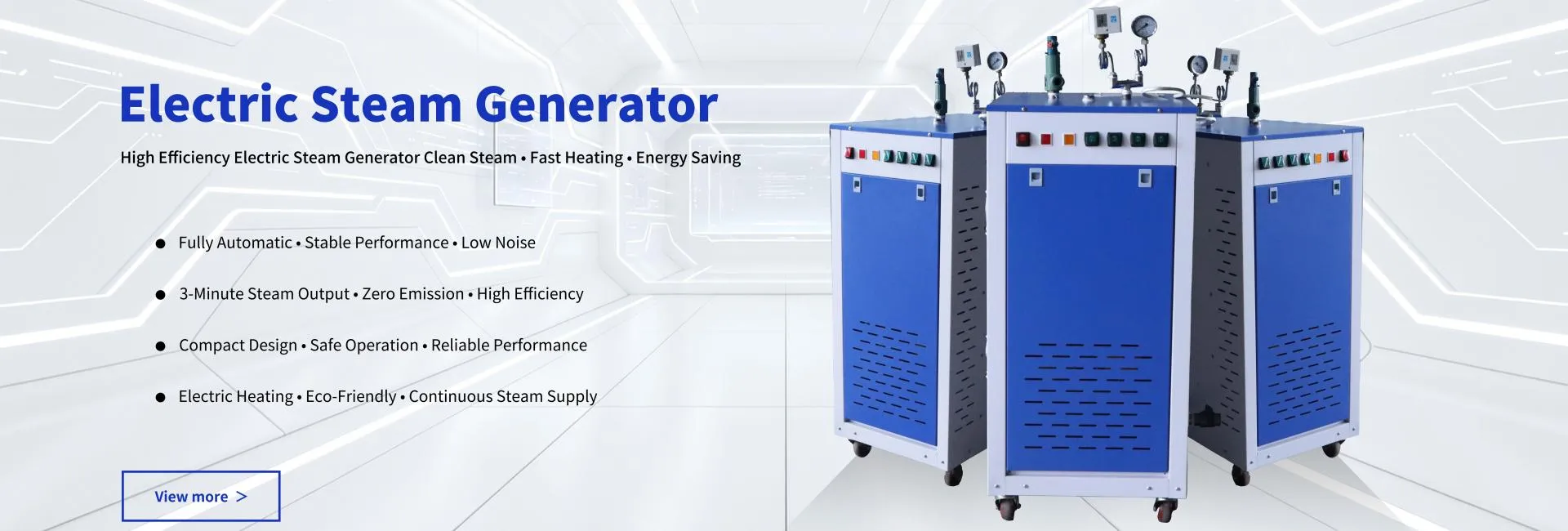
2026-10-04
Contents
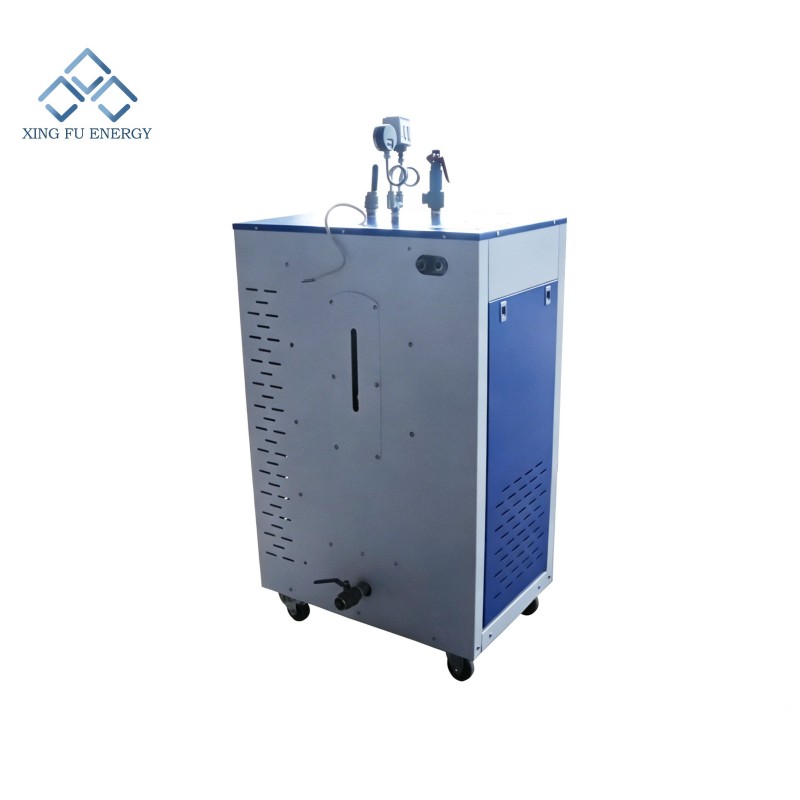
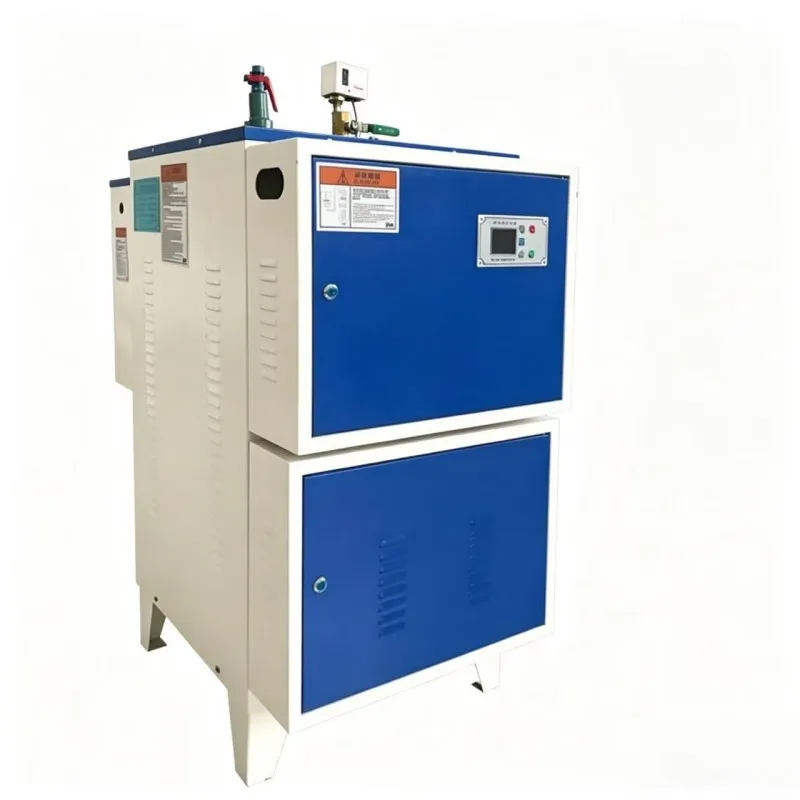
Industrial plants face a constant trade-off: deliver reliable steam for processes like sterilization, drying, or textile finishing—and do it without compromising energy budgets, emissions targets, or floor space. That’s why more engineers and plant managers are turning to electric steam heating system solutions—not as stopgaps, but as core infrastructure.
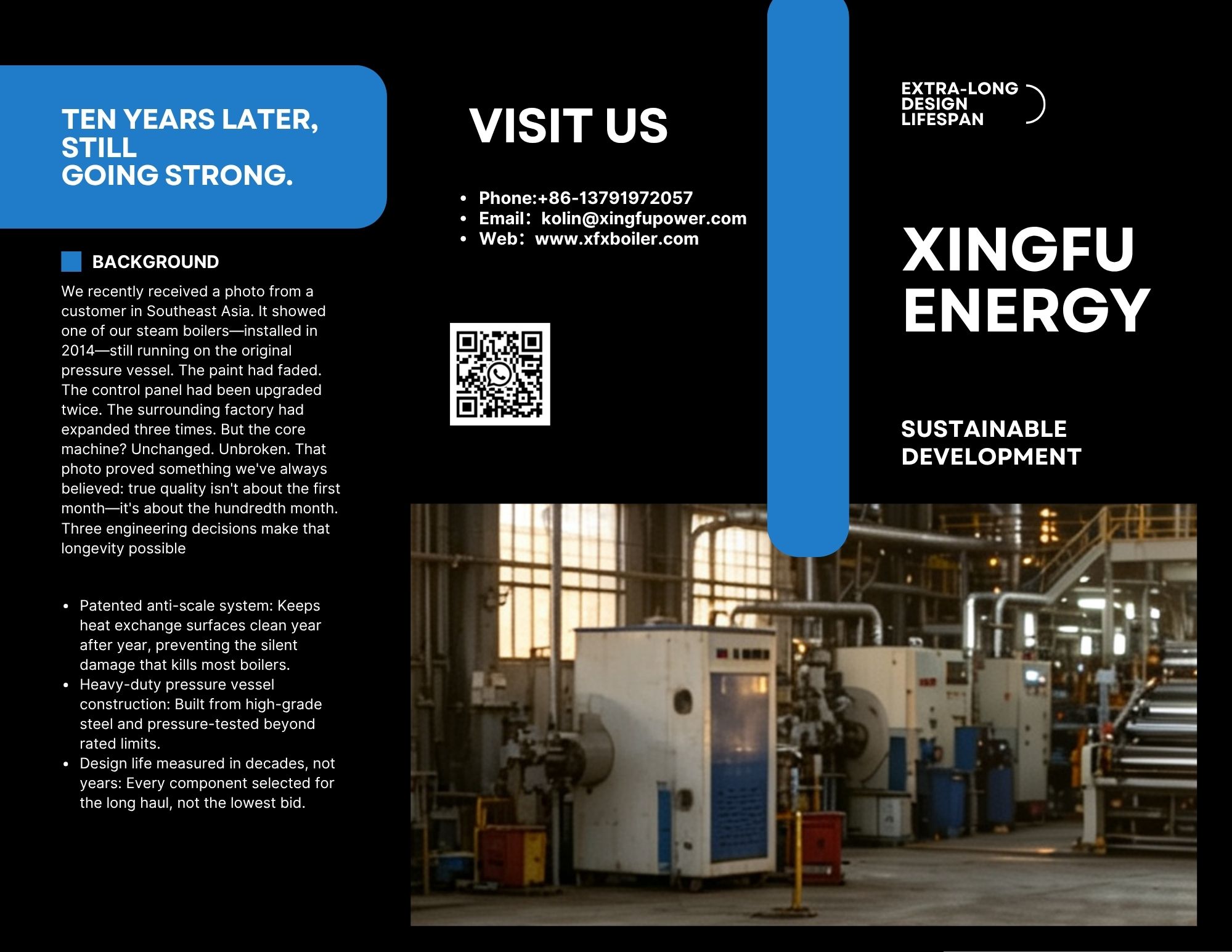
We’ve installed over 1,200 electric steam generators across food processing lines in Poland, textile mills in Indonesia, and pharmaceutical cleanrooms in Korea. In every case, the decision wasn’t driven by novelty. It was driven by failure points: inconsistent steam pressure from aging gas boilers, downtime during fuel delivery delays, or costly retrofitting for emission compliance. An electric steam heating system eliminates those variables at the source—no combustion, no flue gas, no fuel storage, no annual boiler inspections tied to fossil-fuel codes.
Some assume electric steam means low power or slow response. That’s outdated. Modern industrial-grade units deliver full-rated steam in under 90 seconds—from cold start to 6 bar saturated steam. How? Through optimized stainless-steel heating elements, intelligent PID-controlled power modulation, and zero-thermal-mass water chambers. No water drum to heat up. No refractory to pre-warm. Just direct energy conversion: 98.5% electrical-to-steam efficiency, measured at the outlet flange—not estimated on paper.
Real-world impact shows up in three places:
We’ve seen textile dye houses cut steam-related downtime by 73% after switching from coal-fired boilers to purpose-built electric steam boilers. Their key insight? It wasn’t about “going electric.” It was about eliminating the weakest link—the boiler room itself.
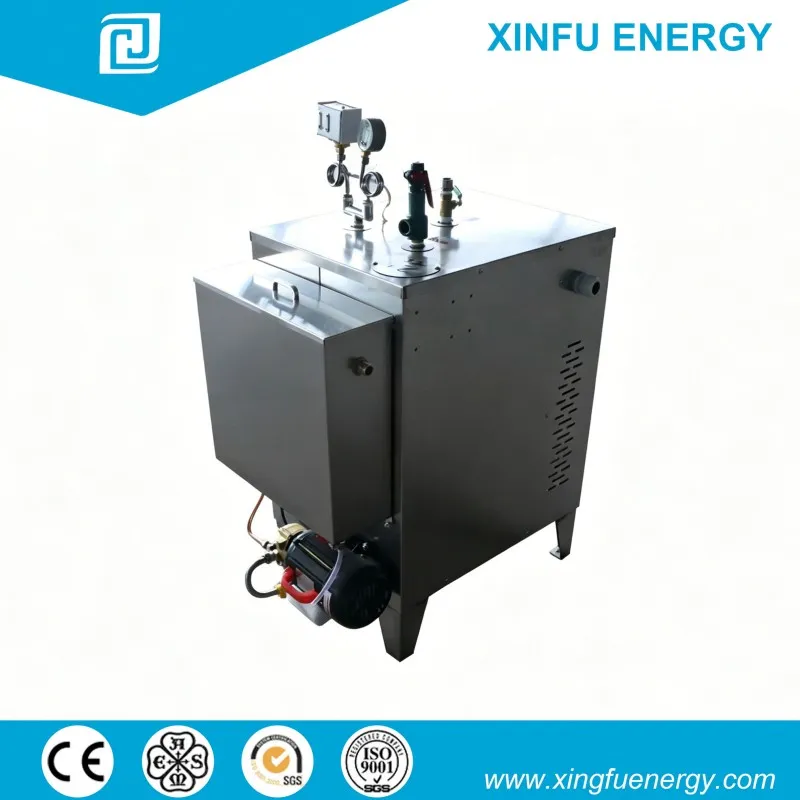
Some argue that retrofitting an existing steam network with electric generation is too complex. But our field data tells a different story. Over 68% of installations replace boilers inside existing piping layouts—no pipe re-routing needed. Why? Because true integration starts before the first weld.
Our engineering team reviews your P&ID, flow rates, peak demand profiles, and existing condensate return temperature—not just to size the unit, but to map pressure drop across valves, identify undersized traps, and flag control loop mismatches. One Malaysian rubber processor delayed installation for six months—until we spotted their pressure-reducing valve was sized for 12 bar inlet, not the 3.5 bar output their new electric boiler would deliver. Fixing that valve saved them $27,000 in wasted steam and avoided a month of production loss.
That level of detail isn’t optional. It’s why stainless-steel construction matters—not for corrosion resistance alone, but because thermal expansion coefficients must match your existing flanges and gaskets. And why zero-emission operation isn’t just environmental compliance—it’s avoiding the $15,000–$40,000 annual cost of NOx monitoring, stack testing, and permit renewals required for combustion systems.

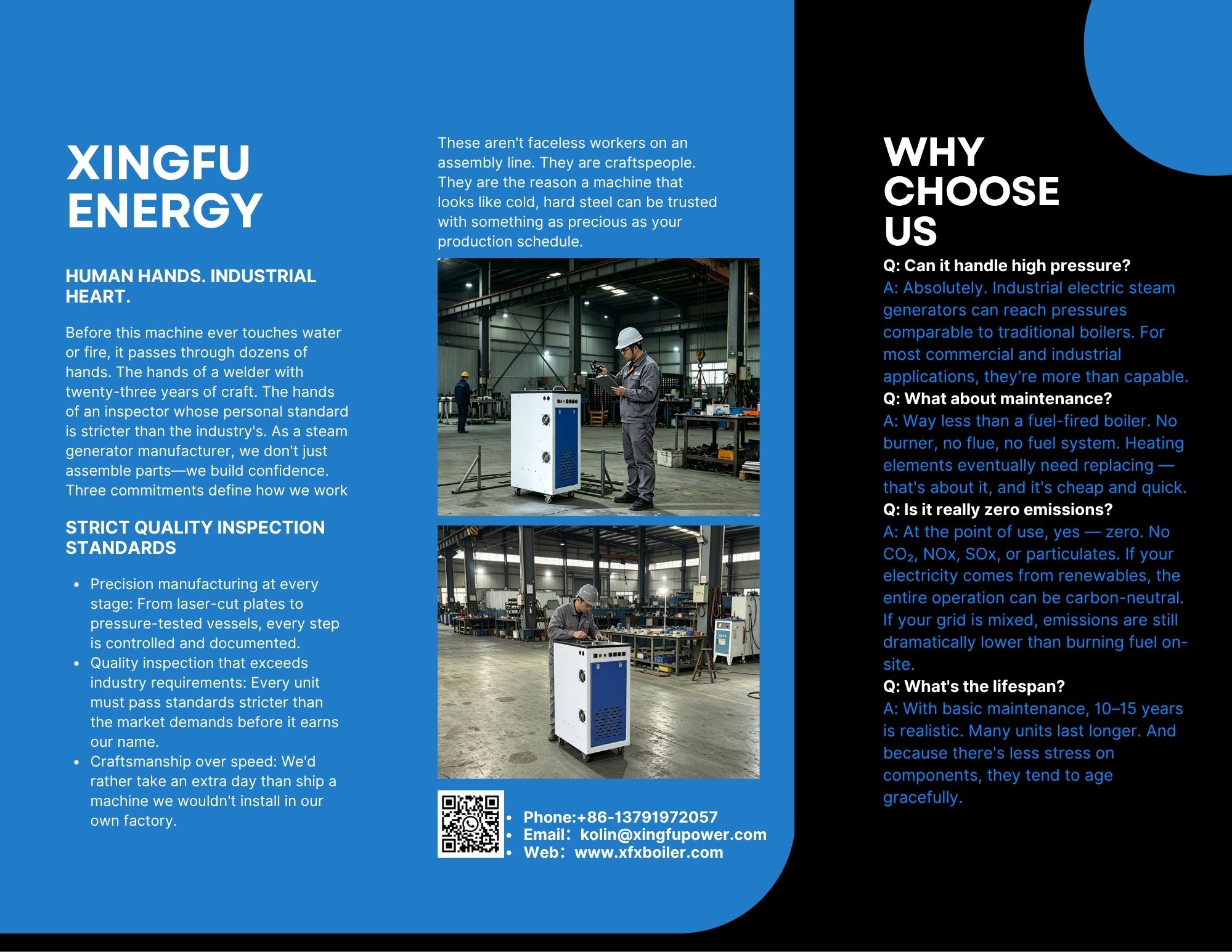
Electric steam heating system performance hinges on two things: what happens inside the vessel—and what happens after the sale. We test every unit to 1.5× working pressure with helium leak detection. Every welder holds ASME Section IX certification—and 47% are additionally certified for stainless-steel orbital welding. Every control panel undergoes 72 hours of burn-in under load before shipment.
But reliability isn’t only about factory standards. It’s about continuity. When a Spanish dairy plant lost steam during a critical CIP cycle, our engineer accessed their remote diagnostics portal, identified a failed level sensor, shipped a replacement via express courier—and guided the maintenance team through calibration using screen-share video. Total downtime: 4 hours. No technician flight. No language barrier. Just resolution.
This isn’t service theater. It’s built into our structure: 21% of our 228 employees are technical experts; 58% of those are licensed engineers who co-sign design documentation. Our ISO 9001 and CE certifications aren’t shelf decorations—they’re enforced daily in our 21,000 m² workshop, where every pressure vessel undergoes hydrostatic, radiographic, and ultrasonic inspection before paint touches steel.
Ask yourself: “What steam failure hurts us most right now?” If it’s pressure instability during shift change—look at intelligent steam boilers with adaptive load-following algorithms. If it’s permitting delays blocking expansion—prioritize zero-emission electric units with Class B boiler certification already embedded. If it’s condensate contamination from oil carryover—stainless-steel electric generation removes the root cause.
QINGDAO XINGFU ENERGY EQUIPMENT CO.,LTD builds electric steam heating system solutions for this reality—not theoretical efficiency, but measurable uptime, predictable OPEX, and seamless integration. We don’t sell kilowatts. We solve steam gaps.
Visit xfxboiler.com to review technical specifications, download sizing calculators, or request a free steam profile audit for your facility.