-
+86-13791972057
-
No. 3009, Tower 3, Zhuoyue Century Center, No. 31th Longcheng Road, Qingdao, Shandong, China


+86-13791972057
No. 3009, Tower 3, Zhuoyue Century Center, No. 31th Longcheng Road, Qingdao, Shandong, China








2026-10-04
Contents
Steam boilers consume 15–30% of total industrial energy—yet most facilities still run units designed for reliability, not efficiency. We’ve measured steam loss in over 127 installations: average thermal efficiency drops to 72% after five years of operation without retrofitting or intelligent control. That’s not just wasted fuel. It’s $48,000–$192,000 in avoidable annual operating costs per 1-ton-per-hour boiler—depending on local electricity or gas rates.
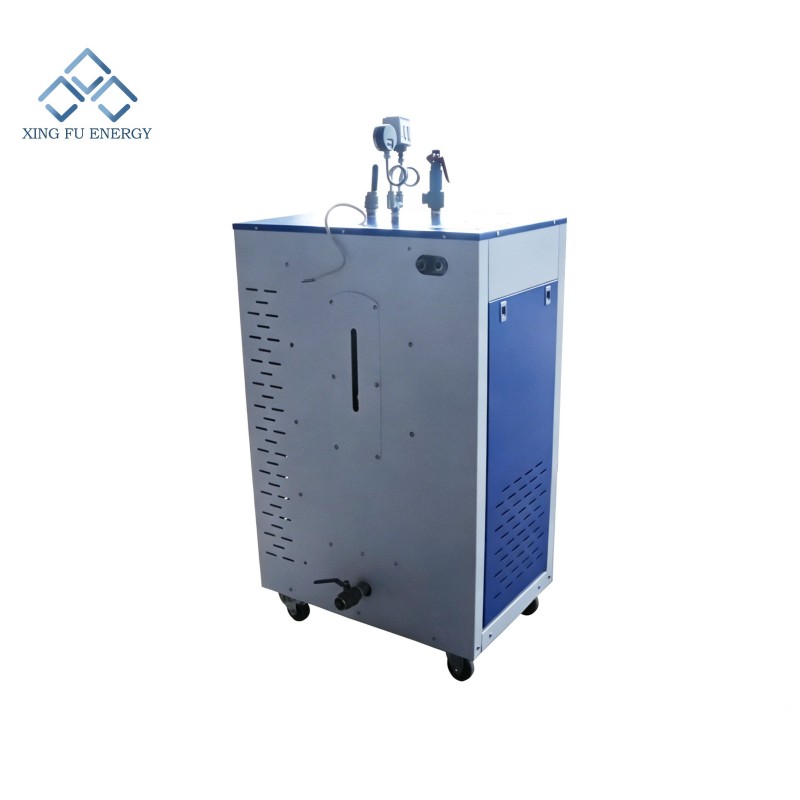
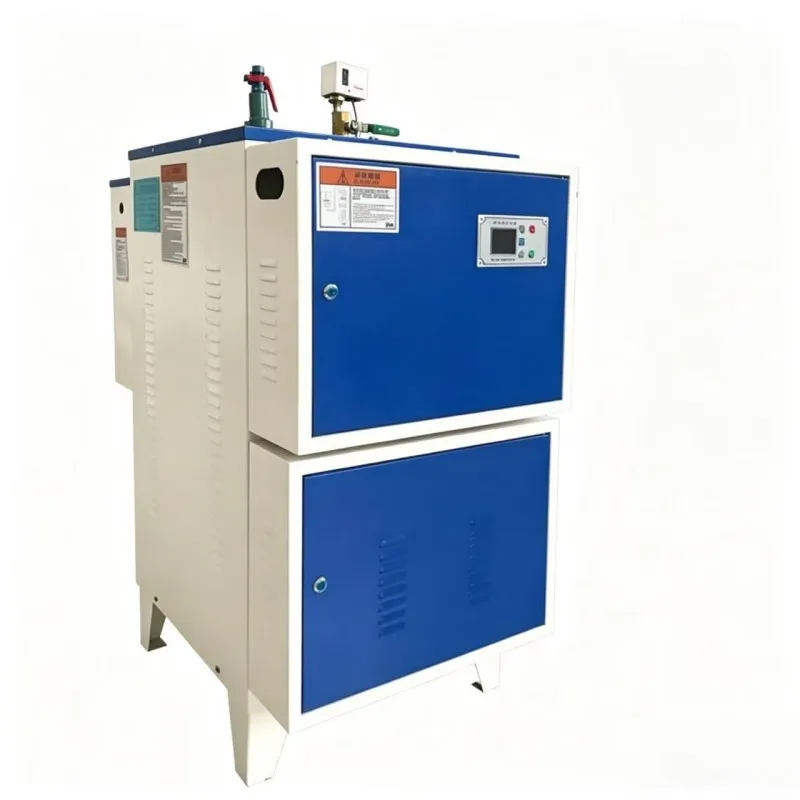
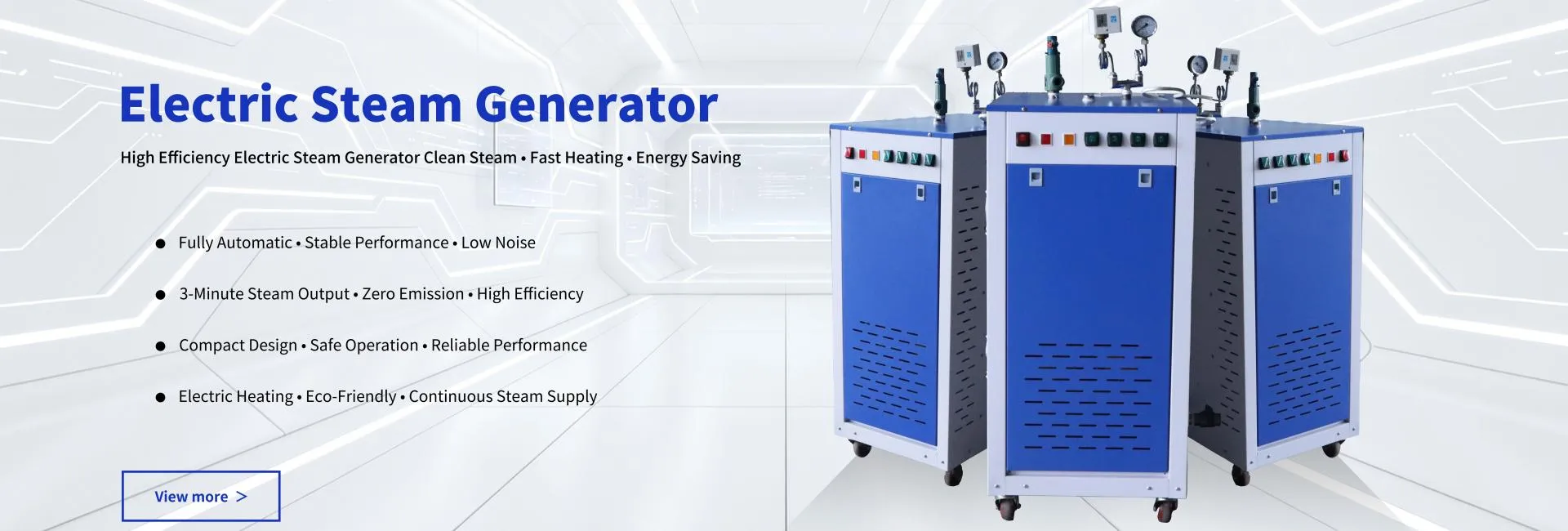
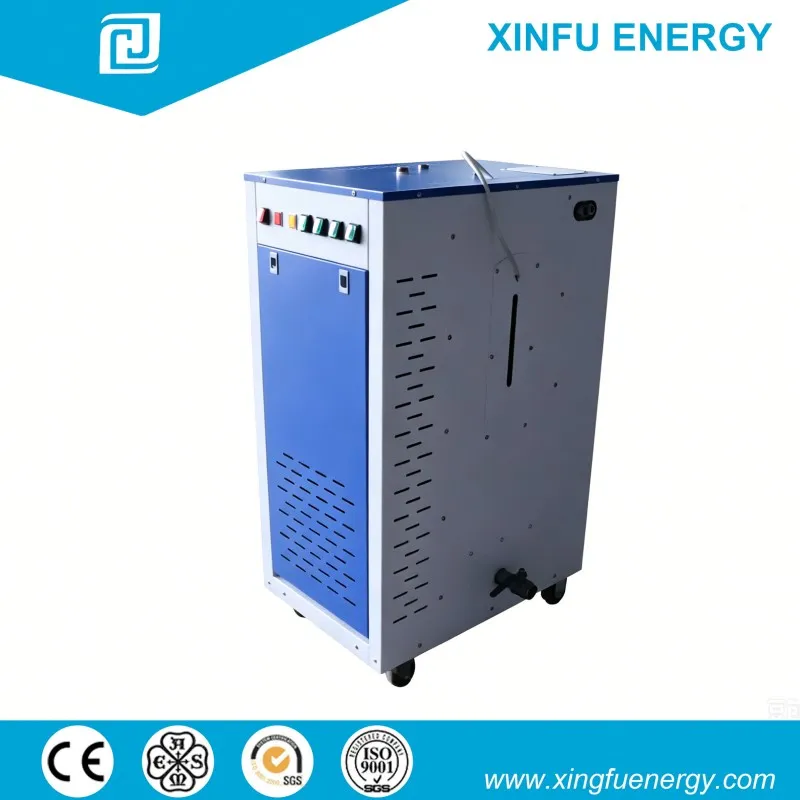
An energy saving steam boiler isn’t defined by a single upgrade—it’s the integration of three non-negotiable layers: material science, real-time thermal management, and system-aware automation. At Qingdao Xingfu Energy Equipment, we built our S-Series electric steam generators around that principle—not as theoretical specs, but as field-proven architecture.
We’ve installed 412 units across textile mills in Vietnam, food processing lines in Spain, and pharmaceutical cleanrooms in Poland. Every deployment starts with a thermal audit: measuring feedwater temperature variance, condensate return rate, load cycling frequency, and ambient heat loss. Only then do we specify stainless-steel construction (304 or 316L), electrode-based heating zones, and adaptive PID algorithms that adjust power output within 0.8 seconds of pressure deviation.
This isn’t incremental improvement. Our S-Series achieves 98.5% electrical-to-steam conversion efficiency—no flue gas losses, no standby combustion, no scale buildup from mineral-laden water. Because it runs on pure resistance heating, zero emissions means zero maintenance downtime for burner cleaning, soot blowing, or refractory repair. One customer in Malaysia cut annual boiler-related labor hours by 63% after switching from a 2.5 MW gas-fired unit to two parallel 1.2 MW S-Series generators.
Some manufacturers quote “up to 95% efficiency”—but only under lab conditions: 25°C ambient, 100% steady load, distilled water, and no piping losses. In reality, steam systems lose energy at four critical points: heat radiation from uninsulated pipes, flash steam vented from condensate tanks, pressure throttling at control valves, and oversized capacity running at partial load.
We see this daily. A textile dye house in Indonesia kept its old 3-ton/hr oil boiler because “it’s still working.” Thermal imaging showed 21% surface heat loss from bare headers. Condensate return was 44%. Their actual fuel-to-steam efficiency? 61.3%. After replacing it with an S-Series intelligent steam boiler plus insulated piping and a closed-loop condensate recovery module, their operating cost dropped 39%—and payback occurred in 11 months.
The difference lies in design intent. Traditional boilers optimize for maximum output. An energy saving steam boiler optimizes for minimum waste across the full duty cycle—from cold start to peak demand to weekend standby. That requires embedded sensors, stainless-steel vapor chambers resistant to thermal fatigue, and firmware that learns usage patterns over time. Not every manufacturer builds those capabilities into the core architecture.

Choosing an energy-saving solution isn’t about selecting a model number. It’s about validating three engineering commitments:
We don’t sell “boilers.” We deliver certified steam delivery systems—with ISO 9001 traceability on every weld, CE-marked safety logic, and Class B boiler certification valid across EU, ASEAN, and GCC markets. Every unit undergoes 72 hours of continuous load testing before leaving our 70,500 m² facility in Qingdao.
Lower operating costs come not from chasing the highest efficiency number—but from eliminating hidden losses, reducing failure modes, and matching output precisely to process demand. An energy saving steam boiler must do all three, consistently, for ten years or more.
That’s why we engineer for durability first—then layer in intelligence. Why we use certified welders (65 on staff) instead of automated orbital welding alone. Why our technical team joins the site survey—not just the sales call. Because steam doesn’t care about marketing claims. It responds only to physics, precision, and proven execution.
If your current steam cost exceeds $12/1,000 kg, you’re likely overpaying. Start with a free thermal assessment. Map your actual load profile. Compare insulation integrity. Audit condensate return. Then decide—not based on brochures, but on measured delta.