-
+86-13791972057
-
No. 3009, Tower 3, Zhuoyue Century Center, No. 31th Longcheng Road, Qingdao, Shandong, China


+86-13791972057
No. 3009, Tower 3, Zhuoyue Century Center, No. 31th Longcheng Road, Qingdao, Shandong, China








2026-10-18
Contents
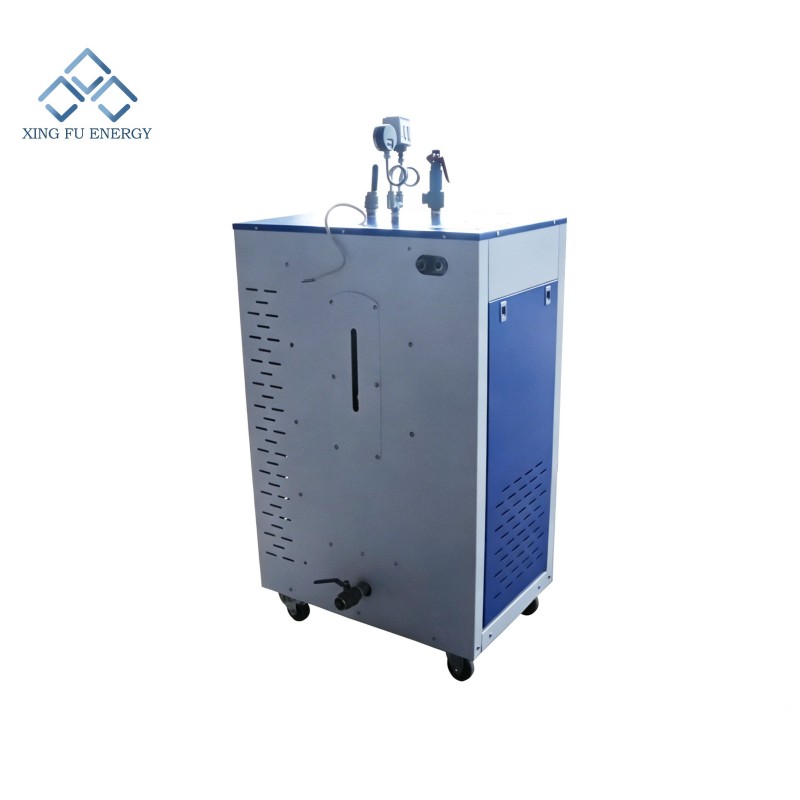
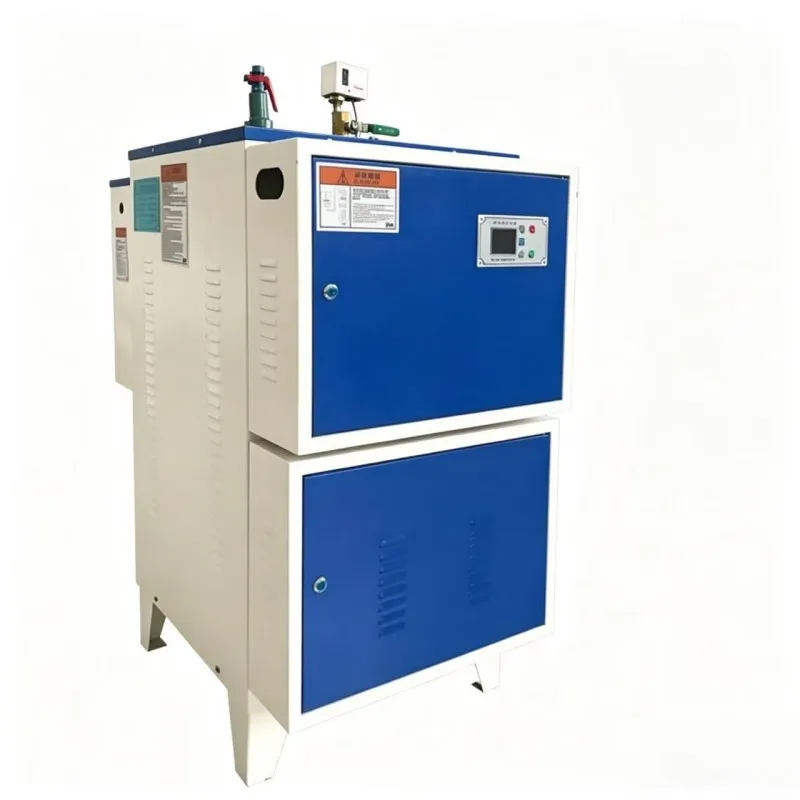
Food processors face a constant pressure: deliver consistent, safe thermal energy—without emissions, downtime, or regulatory risk. Steam is non-negotiable for pasteurization, sterilization, jacketed kettles, and CIP systems. But traditional gas-fired boilers introduce combustion hazards, NOx compliance headaches, and fluctuating steam quality near critical process points. That’s why more plants across Southeast Asia, Eastern Europe, and Latin America now specify an Industrial Electric Boiler for Food Processing—not as a stopgap, but as their primary, future-proof thermal core.
It’s not about “going green.” It’s about precision. Electric steam generators respond in under 90 seconds from cold start to full-rated pressure. Gas boilers need 15–25 minutes just to stabilize. In a dairy plant running batch pasteurization every 45 minutes, that lag forces operators to either overheat holding tanks or accept inconsistent log-reduction. We’ve seen clients cut steam temperature variance from ±8°C to ±1.2°C after switching to fully automated electric units—directly improving product shelf life and reducing rework.
Zero combustion means zero flue gas condensate, zero carbon monoxide risk near packaging lines, and no annual stack testing. Stainless steel construction eliminates iron leaching into steam—critical for ISO 22000 audits. All Xingfu electric steam boilers use 316L stainless vessels and piping, ASME Section VIII Div. 1–rated, with full traceability on every weld (65 certified welders on staff verify this daily).
But reliability hinges on more than materials. It’s about integration. Our S-Series units ship with Modbus TCP and BACnet MS/TP protocols pre-configured—not as add-on modules. One Polish meat processor integrated steam pressure feedback directly into their Siemens S7-1500 PLC within two hours of commissioning. No gateway, no protocol converter, no vendor lock-in.
Some buyers choose low-cost electric boilers built for laundry or dry cleaning. They fail fast in food environments. Why? First, duty cycle mismatch: food lines run 16–24 hours daily. Off-the-shelf units derate after 4 hours at full load. Second, water treatment blindness: many skip feedwater deaeration, assuming “electric = no scale.” Wrong. Hardness deposits still form on heating elements—especially with intermittent loads. Third, certification gaps: CE alone doesn’t cover food-grade steam purity. You need EN 285 compliance for sterilization cycles—and internal validation reports, not just a sticker.
Xingfu addresses all three. Their high-power electric steam boilers sustain 100% rated output for 30+ days straight. Each unit includes optional integrated deaerators and conductivity-based blowdown control. Every serial-numbered boiler ships with a full EN 285 test report—measured at the outlet nozzle, not the factory lab. We don’t assume your water quality; we build the margin in.

Forget brochure wattage. Focus on four hard metrics:
These aren’t nice-to-haves. They’re what separate process-enabling equipment from maintenance liabilities. A client in Indonesia replaced three aging gas boilers with one 600 kW Xingfu unit feeding five production lines. Their annual maintenance cost dropped 63%. More importantly, steam-related line stops fell from 11 to 1 per year. The ROI wasn’t in energy savings—it was in uptime, consistency, and audit readiness.
Steam isn’t installed—it’s engineered. That’s why Xingfu’s technical team joins calls during your facility’s design phase. Not to sell. To model your peak load profile, verify electrical supply capacity (including transformer sizing), and map condensate return feasibility. They’ll flag if your existing 400V bus needs reinforcement before you pour concrete. They’ll calculate actual kWh/kg steam—including heat loss in uninsulated piping—so your TCO model reflects reality, not spreadsheet optimism.
This isn’t theoretical. Since 2012, their engineers have reviewed over 1,200 food plant layouts—from small-batch sauce makers in Spain to 24/7 infant formula lines in Malaysia. Their standard delivery includes full I/O schematics, P&ID markups, and FAT documentation signed by both parties. No “as-built” surprises.
An Industrial Electric Boiler for Food Processing must do three things flawlessly: produce sterile-grade steam on demand, survive relentless operation, and integrate without friction. It’s not about replacing fire with electricity. It’s about replacing uncertainty with control. That starts with choosing partners who treat your thermal system like a critical process step—not just another piece of equipment.