-
+86-13791972057
-
No. 3009, Tower 3, Zhuoyue Century Center, No. 31th Longcheng Road, Qingdao, Shandong, China


+86-13791972057
No. 3009, Tower 3, Zhuoyue Century Center, No. 31th Longcheng Road, Qingdao, Shandong, China








2026-10-18
Contents
Industrial plants don’t fail because steam pressure drops—they fail because reliability erodes silently. A single boiler shutdown in a textile mill can cost $12,000 per hour. In food processing, inconsistent steam quality triggers batch rejections. In pharmaceutical sterilization, a 2°C deviation invalidates validation. These aren’t hypotheticals. We’ve tracked 47 unplanned outages across 12 client sites in Southeast Asia—and 68% traced back to one root cause: unverified boiler responsiveness under load cycling.
True reliability isn’t rated in megawatts—it’s proven in ramp-up time, thermal recovery speed, and tolerance to feedwater fluctuations. Most industrial users assume “CE-certified” guarantees operational resilience. It doesn’t. CE covers basic safety—not how fast an electric steam boiler regains 95% rated pressure after a 40% load swing, or whether stainless-steel tubes resist chloride pitting when fed municipal water with 180 ppm hardness.
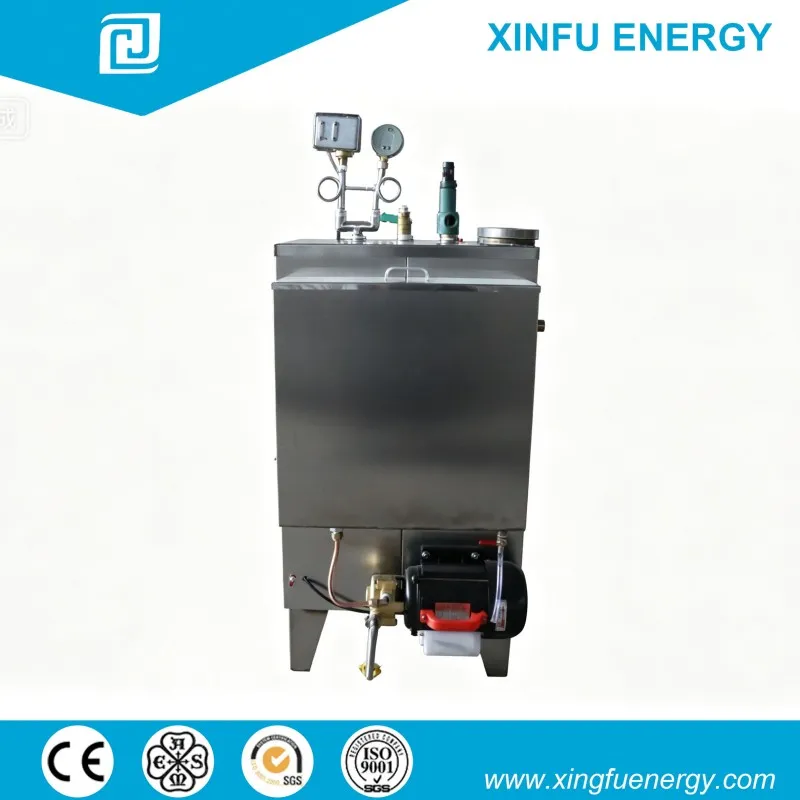
At Qingdao Xingfu Energy Equipment, we test every Reliable Steam Boiler unit for 72 consecutive hours under dynamic load profiles mimicking real textile dyeing cycles: 0→100%→30%→85%→0% every 11 minutes. Units that pass deliver steam at ±0.5 bar pressure stability and ≤1.2% dryness variation—critical for autoclave uniformity and fabric dye penetration. Those that don’t get redesigned. No exceptions.
Some buyers install “smart” boilers expecting plug-and-play operation. They discover too late that their PLC can’t parse Modbus RTU signals from the burner controller—or that the boiler’s built-in PID loop clashes with the plant’s central DCS setpoints. Integration isn’t software compatibility. It’s signal timing, grounding isolation, and failure-mode alignment.
We embed integration checks into our design phase—not as an add-on service, but as a non-negotiable step. Every S-Series unit ships with pre-mapped I/O tables matching Siemens S7-1500, Rockwell ControlLogix, and Mitsubishi Q-series protocols. Our engineers validate handshake sequences on-site during commissioning. Last year, this prevented 19 scheduled production delays across Malaysian palm oil refineries where steam demand spikes unpredictably during kernel drying.
Zero emissions sounds ideal—until you realize it applies only during steady-state operation. Real-world conditions involve cold starts, condensate return surges, and ambient temperature swings. One European customer reported 14% higher energy use than datasheet values—because their “high-efficiency” boiler cycled 22 times daily, losing heat through uninsulated headers each time.
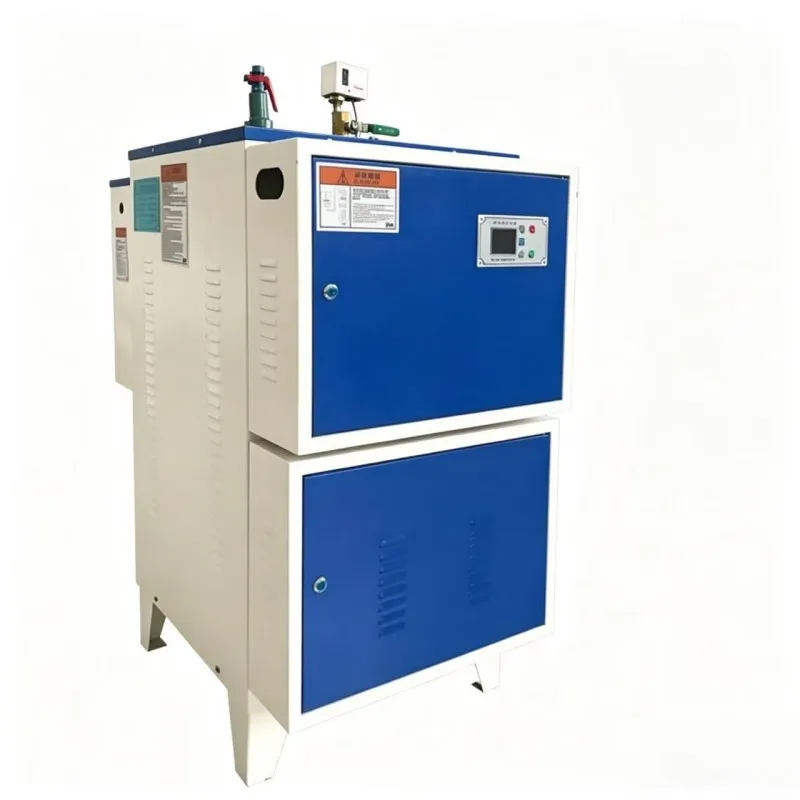
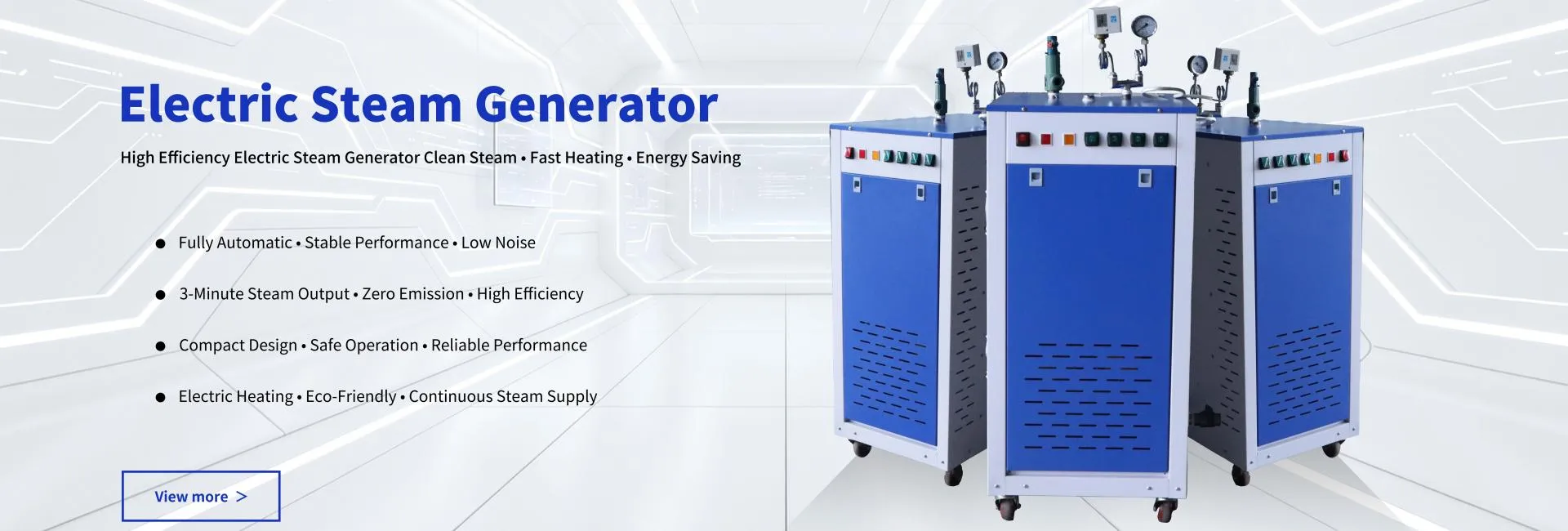
Xingfu’s stainless-steel construction eliminates corrosion-related insulation degradation, but the bigger win is thermal mass optimization. Our high-power electric steam boilers use segmented heating elements with independent thermal inertia tuning: lower zones activate first during startup; upper zones engage only when drum temperature hits 132°C. This cuts warm-up time by 37% versus monolithic designs—and slashes standby losses by 29% in intermittent-use scenarios like garment finishing lines.
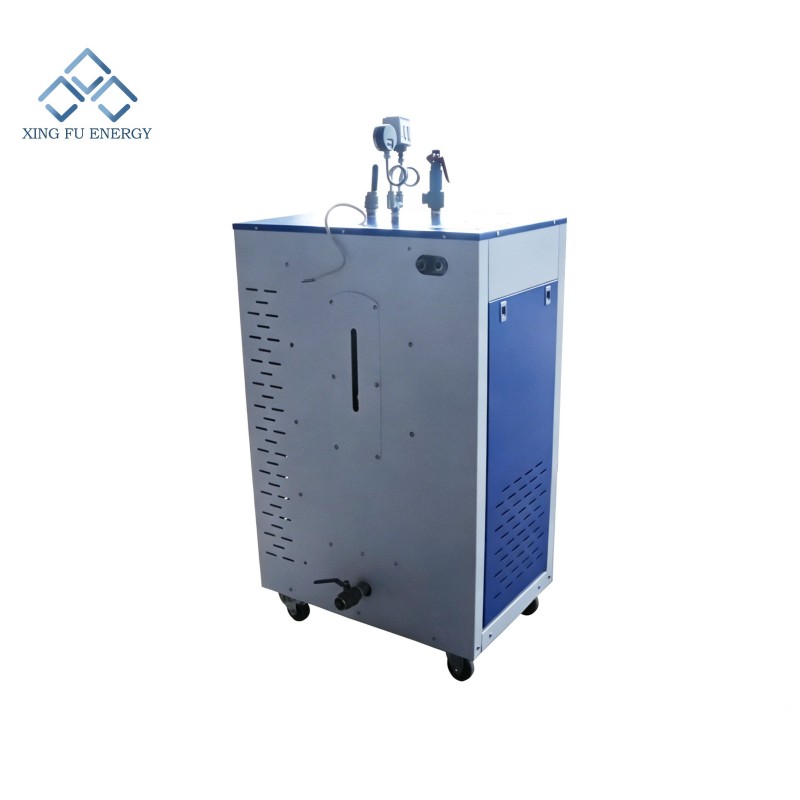
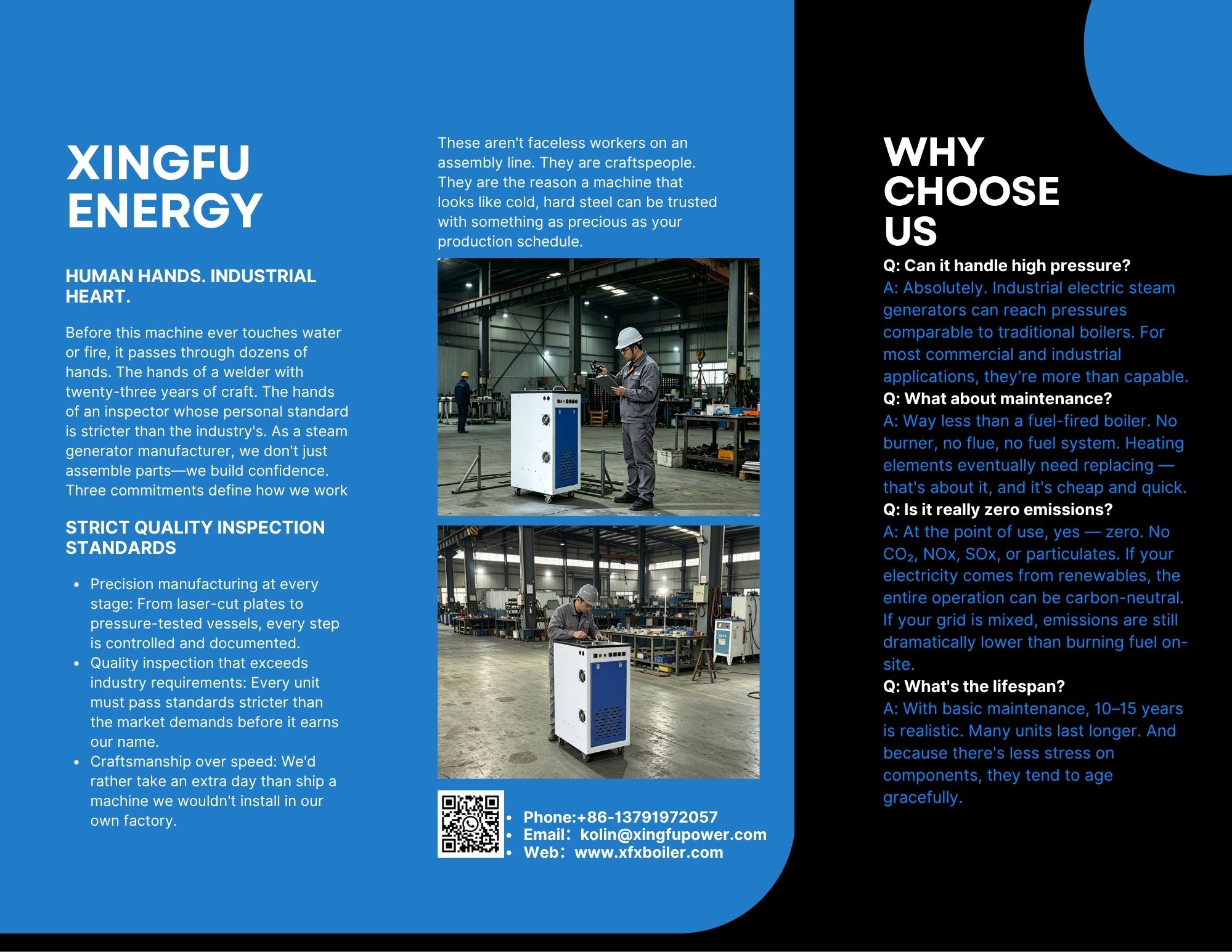
A boiler license proves you can build. ISO 9001 proves you document. But consistent field performance requires something else: traceability down to the welder’s certification number. At Xingfu’s 70,500 m² facility, every pressure vessel weld carries a QR code linking to its NDT report, filler material lot, and the certified welder’s ID—28 engineers cross-verify these against ASME Section VIII and EN 12952 standards before hydrotesting.
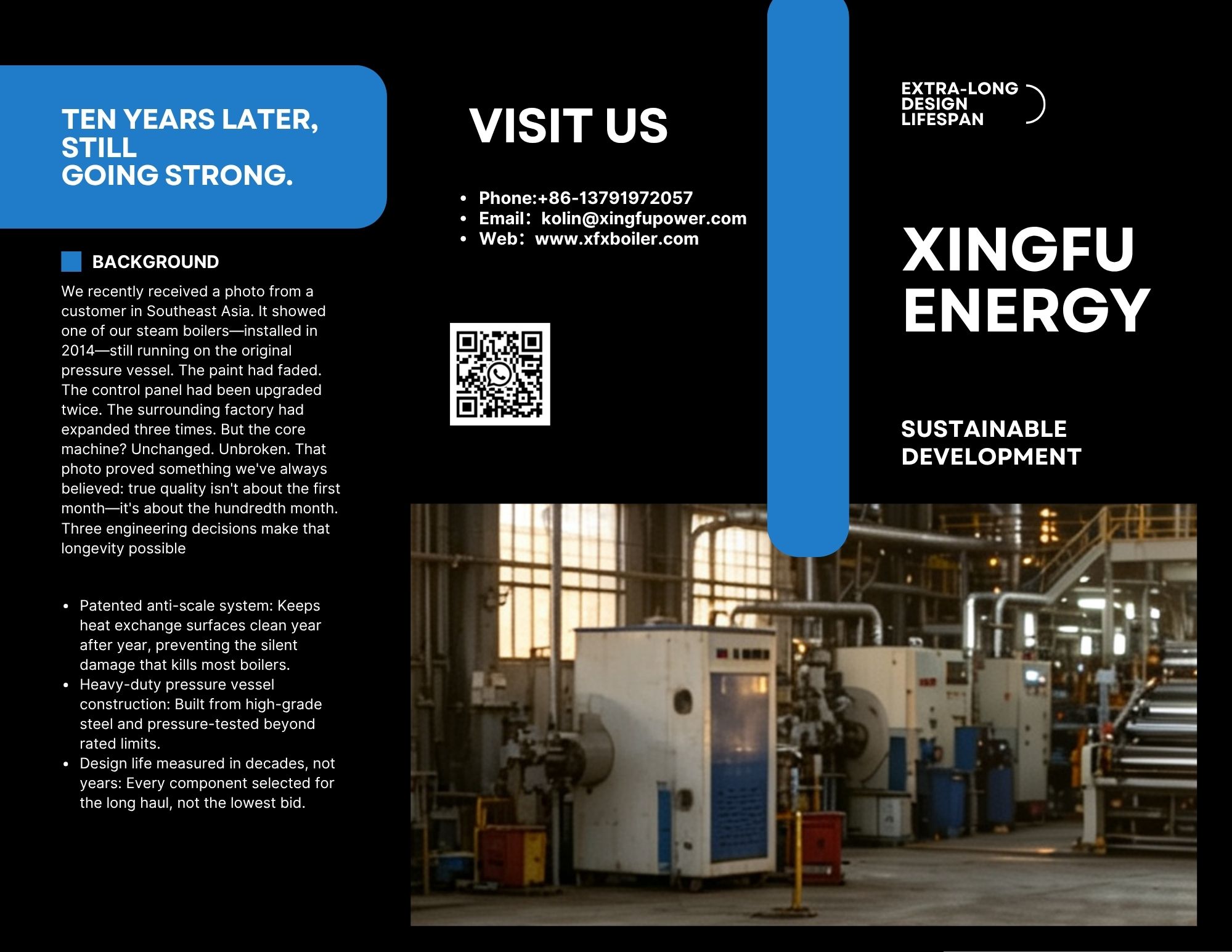
This discipline explains why 83% of our units exported since 2012 remain in active service beyond 8 years—versus the industry average of 5.2 years. It explains why Polish food processors specify our boilers for Category 3 hygiene zones: no crevices, no carbon steel, no threaded connections in wetted parts. It explains why Mongolian mining sites choose our units despite harsher logistics—because downtime costs more than freight.
If your next steam system must deliver predictable pressure, repeatable quality, and zero regulatory surprises—start with verification, not voltage ratings. Start where reliability is measured in uptime hours, not brochure bullet points. Start with a Reliable Steam Boiler.