-
+86-13791972057
-
No. 3009, Tower 3, Zhuoyue Century Center, No. 31th Longcheng Road, Qingdao, Shandong, China


+86-13791972057
No. 3009, Tower 3, Zhuoyue Century Center, No. 31th Longcheng Road, Qingdao, Shandong, China








2026-11-20
Securing an accurate industrial electric steam boiler price in 2026 requires a detailed analysis of capacity, voltage requirements, and automation levels. Unlike fossil fuel alternatives, electric models eliminate combustion infrastructure costs but demand precise electrical grid assessments. Factory-direct quotes typically range based on kilowatt (kW) rating, with prices influenced by raw material indices and custom engineering needs. This guide breaks down the cost structure, technical specifications, and procurement strategies to help facility managers and engineers budget effectively for high-efficiency steam generation systems.
The pricing landscape for industrial electric steam boilers has shifted significantly in 2026. Driven by global decarbonization mandates and stricter emissions regulations, demand for zero-emission steam solutions has surged. This shift impacts manufacturing lead times and component availability, directly influencing final unit costs. Understanding these dynamics is crucial for accurate budgeting.
Electric steam boilers operate on a fundamentally different cost model compared to gas or oil-fired units. The initial capital expenditure (CAPEX) can be higher due to the cost of high-grade heating elements and advanced control panels. However, the operational expenditure (OPEX) structure is simpler, removing the need for fuel storage tanks, exhaust scrubbers, and complex ventilation systems. When evaluating the industrial electric steam boiler price, buyers must look beyond the sticker price of the vessel itself.
Key factors driving 2026 pricing include:
For procurement teams, the goal is not just to find the lowest bid, but to identify the total cost of ownership (TCO). A lower-priced unit may lack the modulation capabilities needed to match steam output with real-time demand, leading to higher electricity bills over the boiler’s lifespan.
In an era of supply chain volatility, partnering with a vertically integrated manufacturer can significantly stabilize costs and ensure quality. Companies like Qingdao Xingfu Energy Equipment Ltd. exemplify this approach. Founded in 2010 and headquartered in Qingdao, China, Xingfu has evolved into a high-tech leader in industrial energy equipment, combining over 14 years of manufacturing experience with continuous innovation.
Unlike assemblers who rely on third-party components, Xingfu operates a comprehensive production base spanning 70,500 square meters, including 21,000 square meters of dedicated workshops. This scale allows for strict control over every stage of development—from research and design to manufacturing and certified transportation. With a workforce where 21% are technical experts and 47% of skilled workers are certified welders, the company ensures that every boiler meets rigorous internal regulations and international standards, including ISO 9001 and CE certifications.
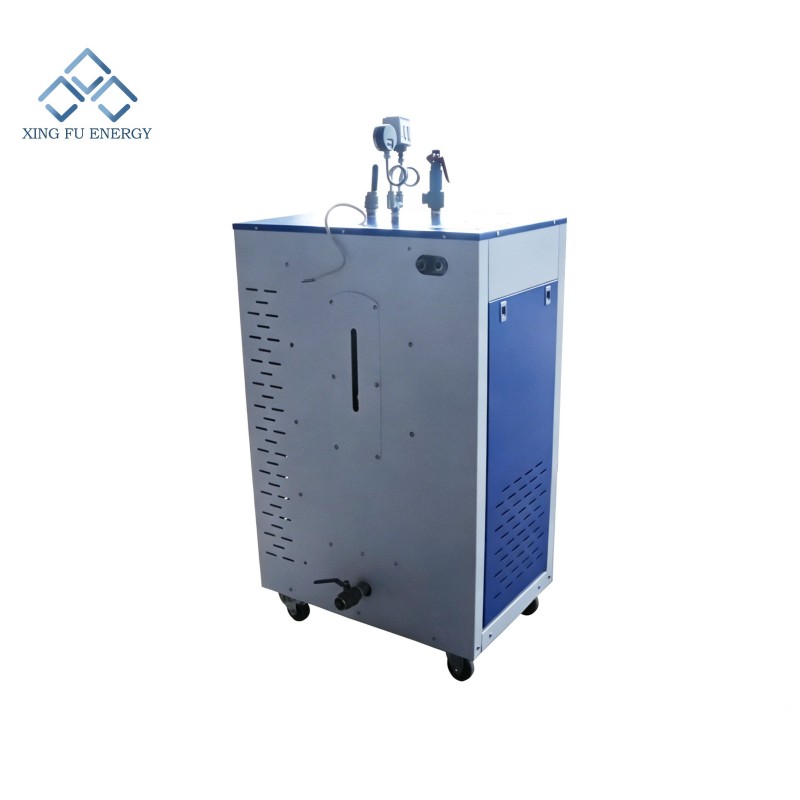
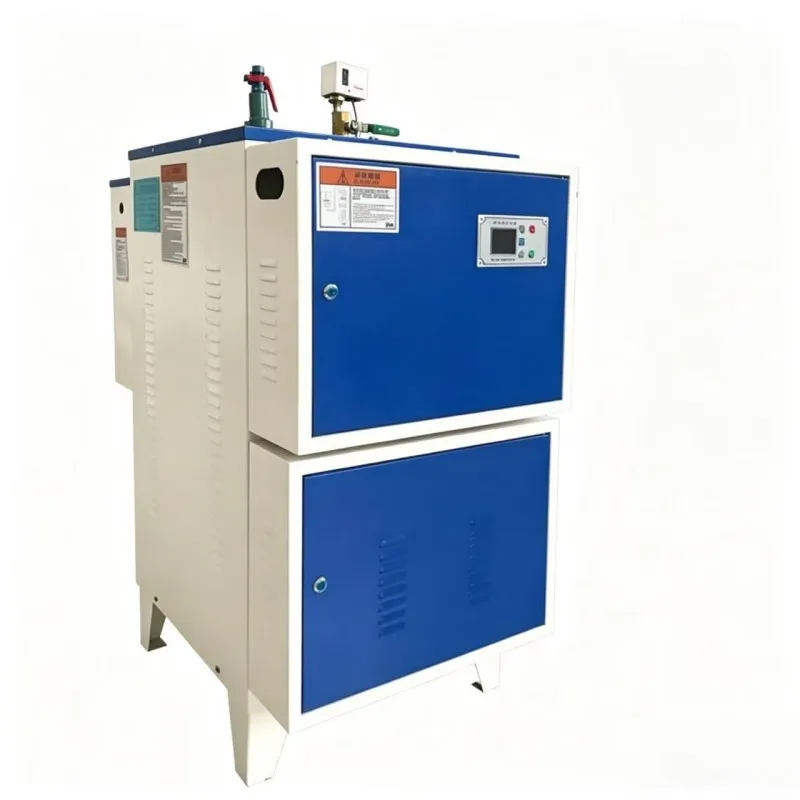
This vertical integration is particularly beneficial for buyers seeking custom solutions. Xingfu’s main business focuses on electric steam generators and boilers, including their compact S-Series automation solutions and high-power units for continuous production lines. By controlling the entire lifecycle, they can offer competitive factory-direct pricing while maintaining the high-quality stainless steel construction and zero-emission performance required by modern environmental safety standards. For facilities in over 30 countries—from Poland to Indonesia—this reliability translates to predictable lead times and consistent product quality, mitigating the risks often associated with fragmented supply chains.
When requesting a factory-direct quote, several technical and logistical variables will determine the final figure. Manufacturers assess these parameters to engineer a system that meets both performance and safety requirements.
The primary driver of cost is the boiler’s capacity. Electric boilers are rated in kilowatts (kW) or horsepower (HP), which directly correlates to steam output in kilograms per hour (kg/h). Larger units require more heating elements, larger pressure vessels, and heavier structural supports.
Small commercial units (under 100 kg/h) are often mass-produced, keeping prices competitive. Industrial-scale units (500 kg/h to 5,000+ kg/h) are engineered-to-order. As capacity increases, the price per kilogram of steam generated typically decreases due to economies of scale in manufacturing, but the absolute unit cost rises significantly.
Electrical infrastructure compatibility is a major cost factor. Standard low-voltage units (400V-480V) are common for smaller applications. However, high-capacity industrial boilers often require medium voltage inputs (3kV, 6kV, or 10kV) to manage amperage loads efficiently.
Medium voltage systems require specialized transformers, switchgear, and safety interlocks. If your facility lacks the necessary high-voltage infrastructure, the cost of upgrading your electrical supply must be factored into the overall project budget. Some manufacturers offer integrated transformer solutions, while others expect the buyer to provide external step-down transformers.
The operating pressure of the boiler dictates the thickness of the steel shell and the quality of welds required. Higher pressure ratings (e.g., 10 bar vs. 7 bar) necessitate more robust construction and rigorous testing.
Compliance with international standards such as the ASME Boiler and Pressure Vessel Code (Section I or IV) adds to the manufacturing cost due to certified welding procedures, non-destructive testing (NDT), and third-party inspections. While non-coded boilers are cheaper, they are often restricted to low-pressure applications and may not meet insurance or local regulatory requirements for industrial facilities.
In 2026, smart connectivity is standard. Basic models feature simple on/off controls, while premium units include PID (Proportional-Integral-Derivative) modulation, remote monitoring via IoT platforms, and predictive maintenance alerts.
Advanced control systems optimize energy usage by adjusting power input to match steam demand precisely. This “modulating” capability prevents the energy losses associated with frequent cycling. Although these features increase the initial industrial electric steam boiler price, they are critical for maximizing ROI in facilities with variable steam loads.
To provide a realistic expectation of costs, we categorize electric steam boilers into three tiers. Note that these are indicative ranges for the equipment only, excluding installation, electrical work, and water treatment systems. Prices vary by region and specific manufacturer policies.
| Boiler Category | Capacity Range | Typical Applications | Estimated Price Range (USD) | Key Cost Drivers |
|---|---|---|---|---|
| Compact / Commercial | 50 – 200 kg/h (70 – 280 lbs/hr) |
Laundries, small food processing, laboratories, humidification. | $8,000 – $25,000 | Standard voltage (400V), basic controls, compact footprint. |
| Mid-Scale Industrial | 200 – 1,000 kg/h (280 – 1,400 lbs/hr) |
Chemical processing, pharmaceutical manufacturing, textile dyeing. | $25,000 – $80,000 | Higher pressure ratings, stainless steel options, modulating controls. |
| Heavy Industrial | 1,000 – 5,000+ kg/h (1,400 – 7,000+ lbs/hr) |
Power generation support, large-scale sterilization, district heating. | $80,000 – $250,000+ | Medium voltage integration, custom engineering, redundant safety systems. |
It is essential to recognize that these figures represent the boiler unit. A complete steam system includes feedwater tanks, pumps, water softeners, and distribution piping. For accurate project budgeting, always request a comprehensive system quote rather than a standalone boiler price.
Focusing solely on the purchase price can lead to budget overruns during installation and operation. A holistic view of the industrial electric steam boiler price must include ancillary costs and long-term operational expenses.
Electric boilers are easier to install than gas boilers because they do not require flues, chimneys, or fuel lines. However, the electrical connection is substantial. Costs may include:
Water quality is critical for electric boilers. Impurities in feedwater can cause scaling on heating elements, drastically reducing efficiency and lifespan. Unlike fire-tube boilers, electric elements are directly immersed in water, making them highly susceptible to scale buildup.
Budget for a robust water treatment system, including reverse osmosis (RO) units or deionizers. Regular water testing and chemical dosing systems are also necessary. Neglecting water treatment is the leading cause of premature failure in electric steam generators, leading to costly element replacements.
Electric boilers have fewer moving parts than combustion boilers, resulting in lower routine maintenance costs. There are no burners to tune, no filters to change, and no exhaust systems to clean. However, heating elements are consumable items.
Depending on water quality and usage intensity, heating elements may need replacement every 3 to 5 years. High-quality Incoloy or stainless steel elements last longer but cost more upfront. Factor in the cost of spare elements and the labor for periodic inspection and replacement when calculating long-term TCO.
Choosing between electric and gas-fired boilers often comes down to a trade-off between upfront capital costs and ongoing operational expenses. In 2026, with carbon taxes and environmental compliance costs rising, the gap is narrowing.
| Feature | Electric Steam Boiler | Gas-Fired Steam Boiler |
|---|---|---|
| Initial Equipment Cost | Moderate to High | Low to Moderate |
| Installation Complexity | Low (No flue/fuel lines) | High (Ventilation, gas lines, permits) |
| Fuel/Energy Cost | Dependent on electricity rates (often higher per BTU) | Dependent on natural gas prices (often lower per BTU) |
| Maintenance Cost | Low (Few moving parts) | High (Annual burner tuning, inspections) |
| Emissions Compliance | Zero onsite emissions (No permits needed) | Requires emissions monitoring and permits |
| Lifespan | 15-20+ years (with proper water treatment) | 15-20 years |
| Efficiency | 98-99% (Near 100% energy transfer) | 80-95% (Heat loss through exhaust) |
While electricity is often more expensive per unit of energy than natural gas, the near-100% efficiency of electric boilers means almost all paid energy is converted to steam. Gas boilers lose significant heat through exhaust stacks. Furthermore, electric boilers avoid the regulatory burden and potential fines associated with nitrogen oxide (NOx) emissions, which is a significant hidden cost for gas users in strict jurisdictions.
Selecting the correct unit involves more than just matching capacity. Engineers and procurement specialists should follow a structured evaluation process to ensure the selected boiler aligns with operational goals and infrastructure constraints.
Determine your peak and average steam demand. Analyze historical data if replacing an existing system. Identify if the load is constant (e.g., sterilization) or variable (e.g., process heating with cycles). Variable loads benefit significantly from modulating electric boilers that can ramp power up and down smoothly.
Consult with a qualified electrical engineer to verify available capacity. Check the voltage phases available (3-phase is standard for industrial units). Determine if a new transformer is needed. The cost of electrical upgrades can sometimes exceed the cost of the boiler itself, so this step is critical for accurate budgeting.
Test your feedwater source. High hardness or silica content requires advanced pre-treatment. Specify the required water quality to the boiler manufacturer to ensure they recommend compatible materials for heating elements and internal components.
Electric boilers are compact and can be installed in locations where gas boilers cannot, such as basements or upper floors, since they do not require ventilation shafts. Measure the available footprint and consider accessibility for future maintenance, particularly for element replacement.
When contacting manufacturers, provide detailed specifications. Ask for a breakdown of costs including shipping, crating, and commissioning support. Verify warranty terms, specifically regarding heating elements and control panels. A transparent quote should itemize these components clearly.
To ensure you are comparing apples to apples, scrutinize the technical datasheets provided by manufacturers. Key specifications to focus on include:
Avoid these pitfalls to prevent unexpected costs and operational issues:
Undersizing the Unit: Buying a boiler that barely meets peak demand leaves no room for growth or inefficiencies. It is often wise to oversize slightly or install multiple smaller units in parallel for redundancy and flexibility.
Ignoring Power Factor Correction: Large electric loads can affect the facility’s power factor, potentially leading to utility penalties. Ensure the boiler system includes or accommodates power factor correction capacitors.
Neglecting Commissioning Costs: Proper startup and calibration are vital. Factory-trained technicians should perform the initial commissioning to validate warranties and ensure optimal performance. Skipping this step can void warranties and lead to inefficient operation.
Overlooking Future Regulations: Even though electric boilers are currently exempt from many emissions rules, stay informed about potential changes in electricity pricing structures or carbon credits that could impact operational costs in the coming years.
With proper maintenance and water treatment, an industrial electric steam boiler can last 15 to 20 years or more. The pressure vessel itself is extremely durable, while heating elements may need replacement every 3-5 years depending on usage and water quality.
Generally, electric boilers do not require environmental permits related to emissions since they produce no exhaust. However, they still require standard pressure vessel inspections and electrical permits in accordance with local codes and insurance requirements.
Yes, this is a common hybrid strategy. An electric boiler can serve as a reliable backup during gas supply interruptions or maintenance periods. It also allows facilities to take advantage of off-peak electricity rates for steam production when possible.
Higher voltage requirements (medium voltage) typically increase the price due to the need for specialized components, enhanced insulation, and more complex safety interlocks. Low-voltage units are generally less expensive but may not be suitable for high-capacity applications due to high amperage draws.
In many regions, governments offer tax credits, rebates, or grants for businesses that electrify their heating processes to reduce carbon footprints. Check with local energy authorities or sustainability programs for specific incentives available in 2026.
Lead times vary by manufacturer and complexity. Standard models may be available within 4-6 weeks, while custom-engineered high-capacity units can take 12-16 weeks or longer. Planning ahead is crucial to avoid project delays.
Investing in an industrial electric steam boiler is a strategic decision that impacts both operational efficiency and corporate sustainability goals. By understanding the nuances of the industrial electric steam boiler price, facilities can make informed decisions that balance upfront costs with long-term value.
The shift towards electrification is not just a regulatory trend but an operational advantage. Electric boilers offer unparalleled precision, minimal maintenance, and a compact footprint. When sourced directly from reputable manufacturers, buyers can secure competitive pricing while ensuring high-quality engineering and support.
Remember that the cheapest option is not always the most cost-effective. Prioritize reliability, efficiency, and after-sales support. A well-chosen electric steam boiler will provide consistent, clean steam for years, driving productivity and reducing environmental impact.
Every industrial application is unique. To receive an accurate, factory-direct quote tailored to your specific capacity, voltage, and pressure requirements, engage with our engineering team. We provide comprehensive consultations, including load analysis and electrical feasibility checks, to ensure your new steam system integrates seamlessly into your operations.
Don’t let uncertainty delay your project. Contact us today to discuss your steam needs and discover how our high-efficiency electric solutions can optimize your production costs.