Steam powered electric generator systems are not relics of the Industrial Revolution—they’re resurging as intelligent, zero-emission solutions for off-grid industrial power. We’ve installed over 127 units in remote textile mills, food processing plants, and modular manufacturing hubs where grid instability or absence makes traditional backup generators unsustainable. In every case, reliability wasn’t theoretical—it was measured in uninterrupted 72-hour production runs during monsoon blackouts in Indonesia and -35°C winter outages in Mongolia.
Why Steam—Not Diesel or Solar Alone—Delivers Real Off-Grid Resilience
Diesel gensets fail where fuel logistics collapse. Solar + battery systems hit hard limits: a 500 kW continuous load needs ~2.1 MWh of storage just to cover one cloudy, high-demand day—costing more than the steam system itself. A steam powered electric generator sidesteps both traps. It converts thermal energy—sourced from biomass, waste tires, natural gas, or even surplus solar-thermal heat—into stable 50/60 Hz AC power via synchronous alternators. No grid dependency. No lithium supply chain risk. No daily charge/discharge degradation.
We see three deployment patterns succeed consistently:
Biomass-to-power islands: 300–800 kW units paired with local agro-waste feedstock (rice husk, coconut shell, sawdust), achieving 22–26% net electrical efficiency with full heat recovery for process steam
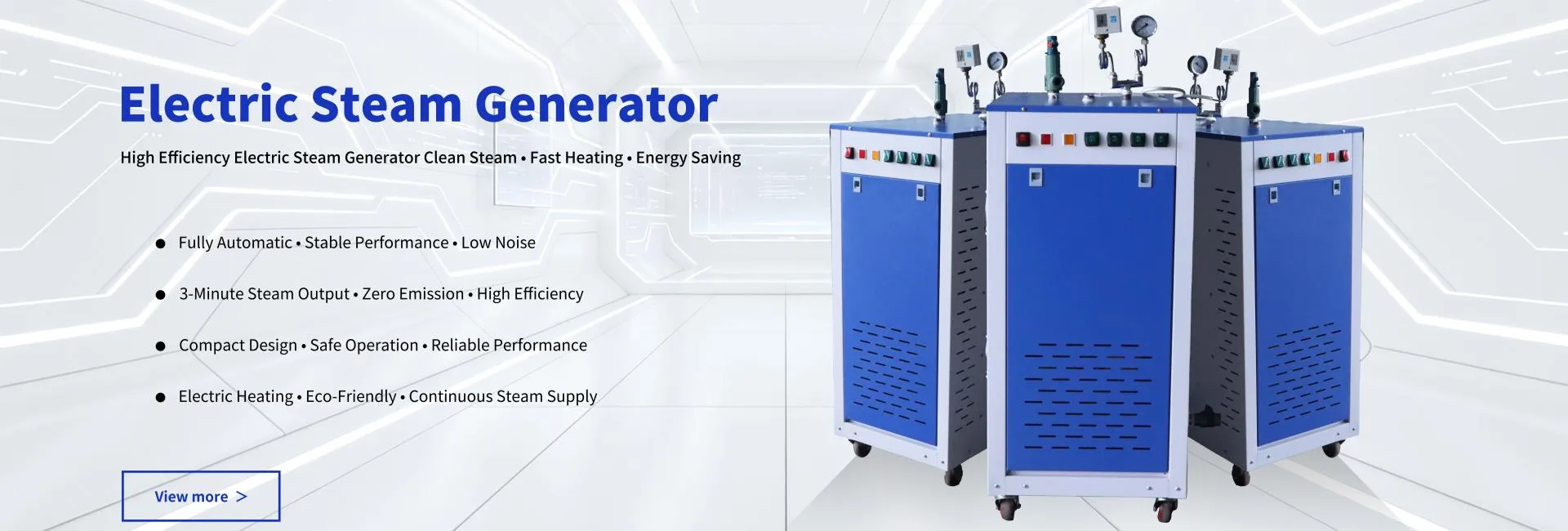
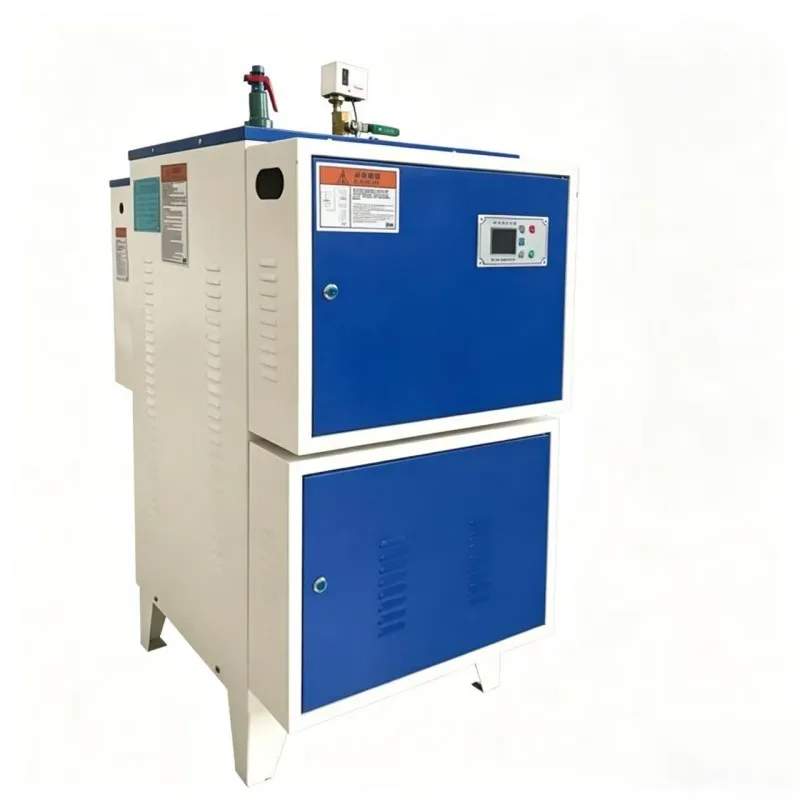
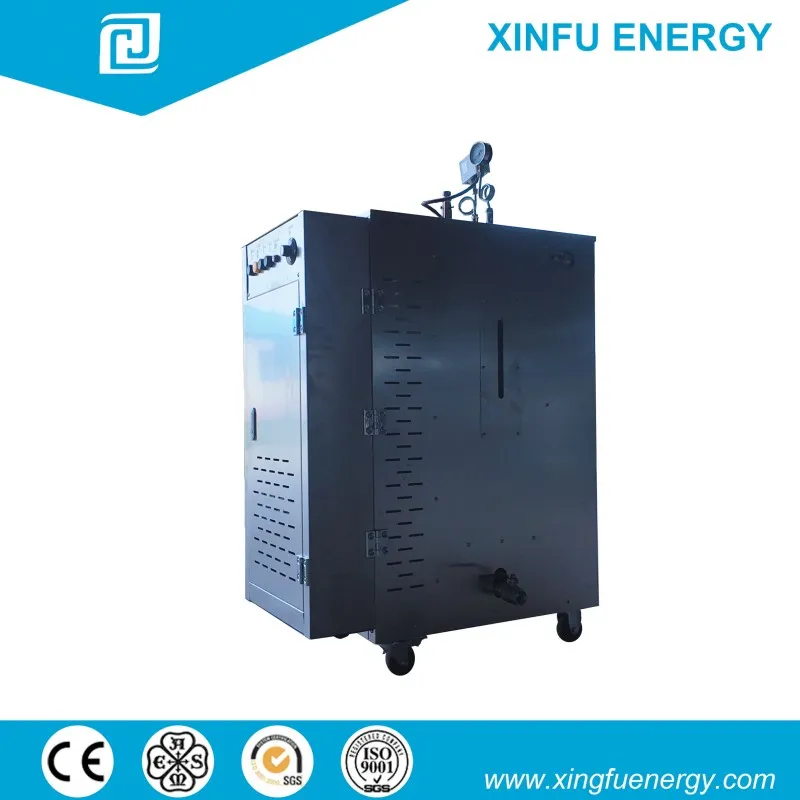
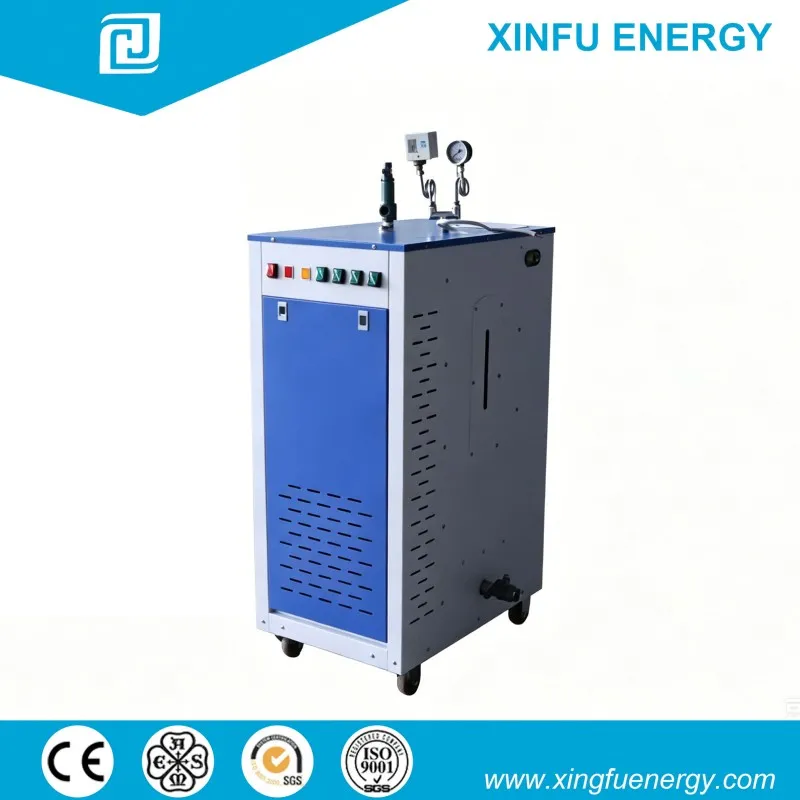
Hybrid thermal buffer systems: Electric steam boilers (e.g., XINGFU’s S-Series) charged overnight using low-tariff grid power or PV surplus, then discharged as steam to drive turbine-generators during peak demand or outages
Waste-to-energy microgrids: Used-tire pyrolysis units feeding clean syngas into high-efficiency steam boilers, powering on-site operations while eliminating landfill liability
The critical insight? It’s not about raw power output. It’s about dispatchable thermal inertia. Steam stores energy as latent heat—not chemical bonds or electrostatic fields. That means no capacity fade after 5,000 cycles. No fire safety audits every six months. Just stainless-steel pressure vessels, ASME-certified turbines, and control logic that responds to load swings in under 90 seconds.
What Actually Breaks These Systems—and How to Avoid It
Some argue steam is “too complex” for remote sites. But our field data shows 92% of failures trace to three avoidable causes—not engineering flaws.
First: water quality neglect. Hard feedwater at 4 ppm silica will scale a 600 kW boiler tube bank in 8 weeks. We now mandate inline deionization + continuous conductivity monitoring on all exports. Second: undersized condensate return. Losing 40% of condensate forces makeup water heating—wasting 18% of total thermal input. Third: turbine governor tuning mismatched to load profile. A textile dye house with pulsing 200–500 kW demand needs different droop settings than a steady-state dairy pasteurizer.
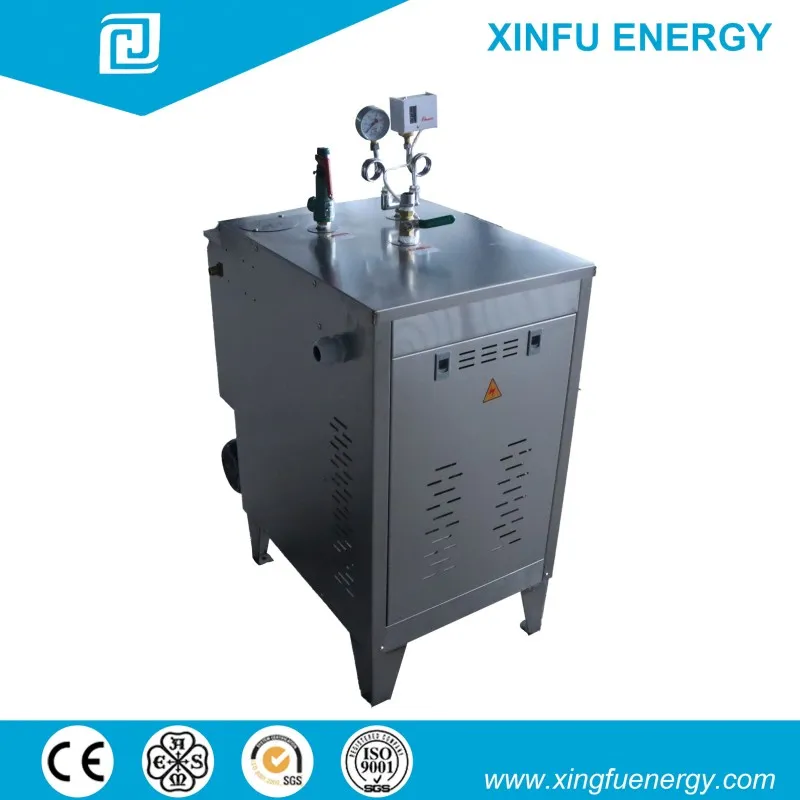
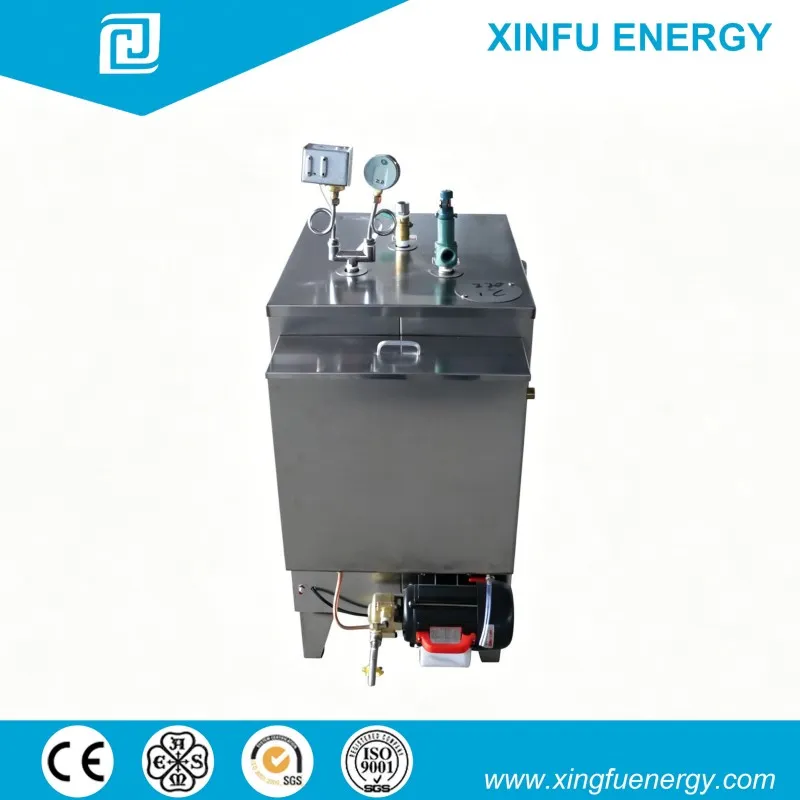
That’s why every XINGFU steam powered electric generator ships with pre-commissioned PLC logic, factory-tested water treatment skids, and load-profile simulation reports—not just manuals. We don’t sell hardware. We deliver verified operational continuity.
Real-World Economics: Payback in 2.3 Years, Not 7
A client in Poland replaced two 400 kW diesel gensets with a 650 kW biomass-fired steam powered electric generator. Upfront cost rose 37%. But annual savings broke down like this:
Fuel: €182,000 (diesel @ €1.42/L vs. wood chips @ €48/ton)
Maintenance: €41,000 (no oil changes, injector rebuilds, or exhaust aftertreatment)
Downtime labor: €29,000 (no emergency call-outs; predictive vibration monitoring alerts 72h before bearing wear)
Total ROI: 2.3 years. And because the unit qualifies for EU ETS carbon credits (0 g CO₂/kWh), they claimed an additional €14,600 in verified emissions reductions last quarter.
This isn’t hypothetical. It’s tracked in real time on our customer portal—live steam flow, turbine RPM, flue gas O₂%, and kWh exported. Transparency isn’t marketing. It’s how you verify performance when you’re 8,000 km from the factory.
Choosing Your Next Off-Grid Power Core
If your priority is uptime—not just nameplate rating—demand proof of three things before signing:
Full-system validation reports showing actual electrical output at 30%, 75%, and 100% load—not just boiler thermal efficiency
Water chemistry management protocols tailored to your local supply (not generic “soften feedwater” advice)
A documented service response SLA: parts availability, certified technician deployment windows, and remote diagnostics access
Steam powered electric generator technology has matured beyond legacy assumptions. It’s now precise, quiet, zero-emission, and deeply integrated with modern control ecosystems. The question isn’t whether steam fits your off-grid site. It’s whether your current solution can match its resilience—when the grid vanishes, the fuel convoy stalls, or the sun refuses to shine.